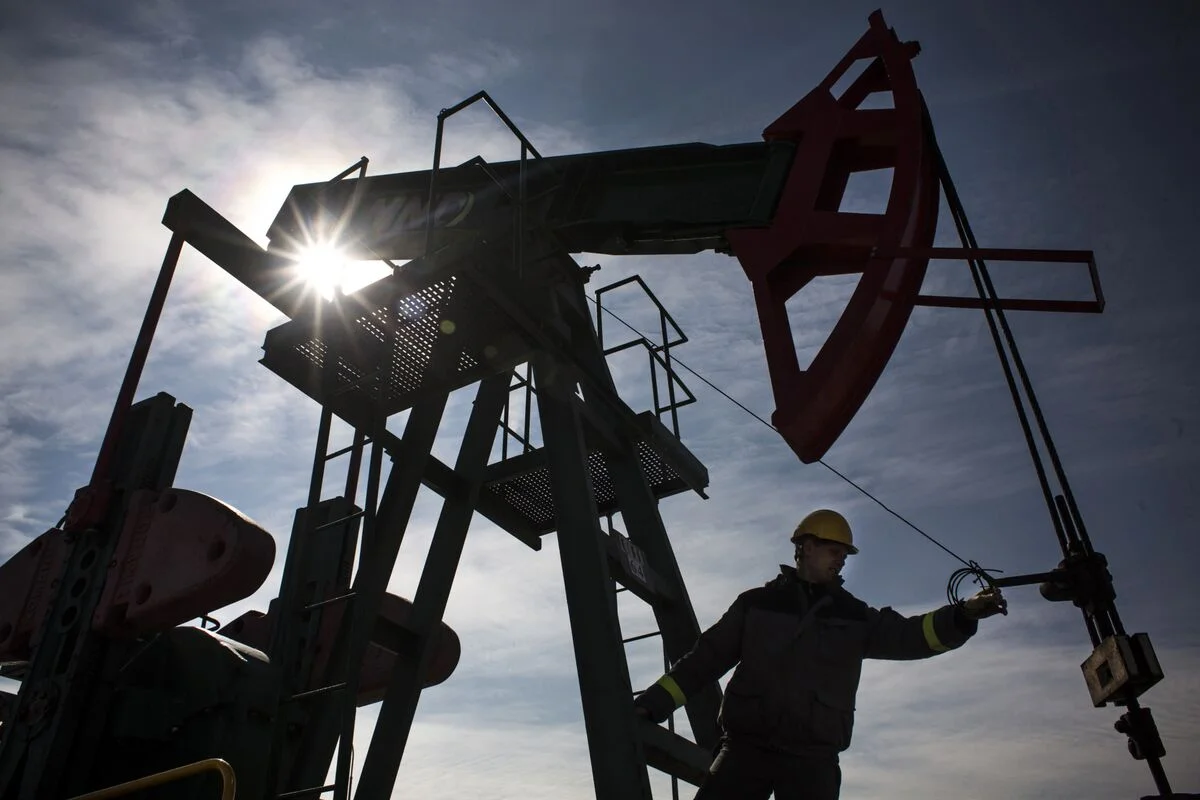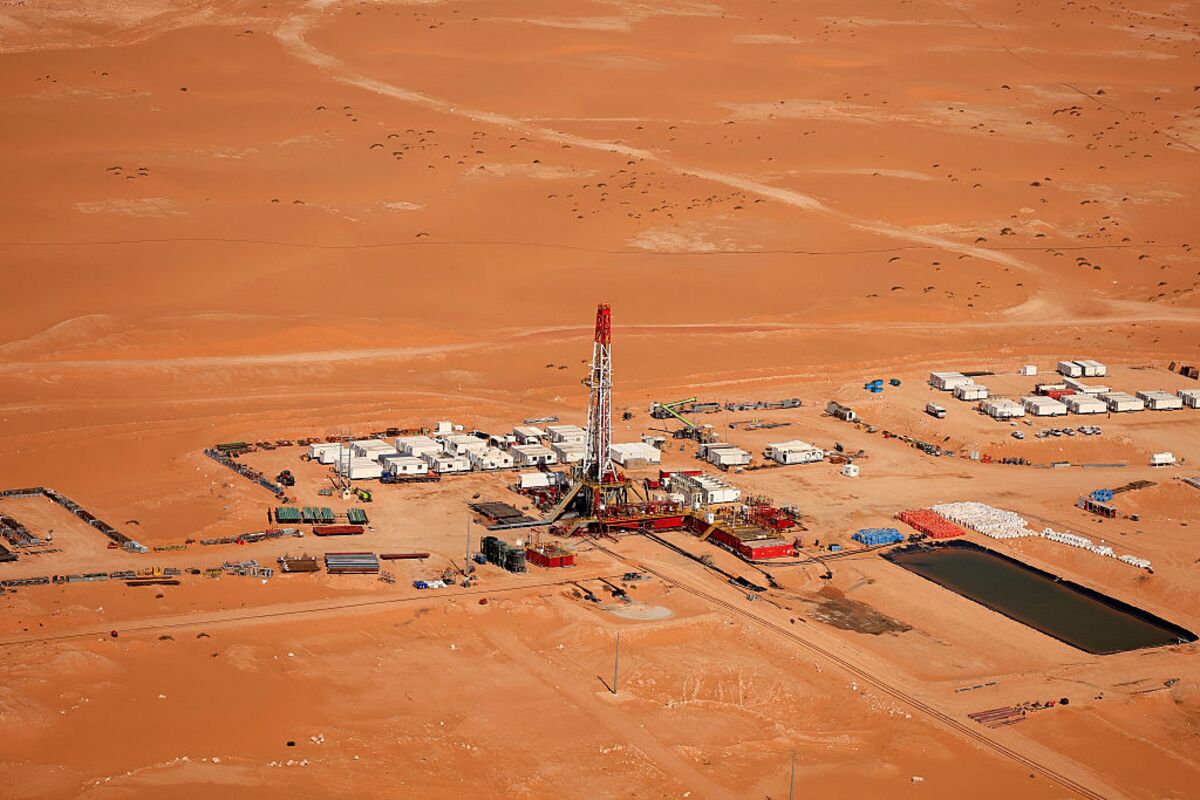
Oil prices increased slightly amid reports of potential US sanctions on Russia and a blockade of Venezuelan oil tankers, which could impact global supply, especially from Venezuela and Russia, though Venezuelan exports to the US are expected to continue at some levels.
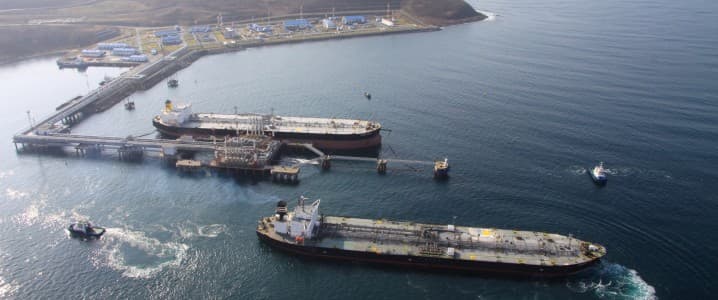
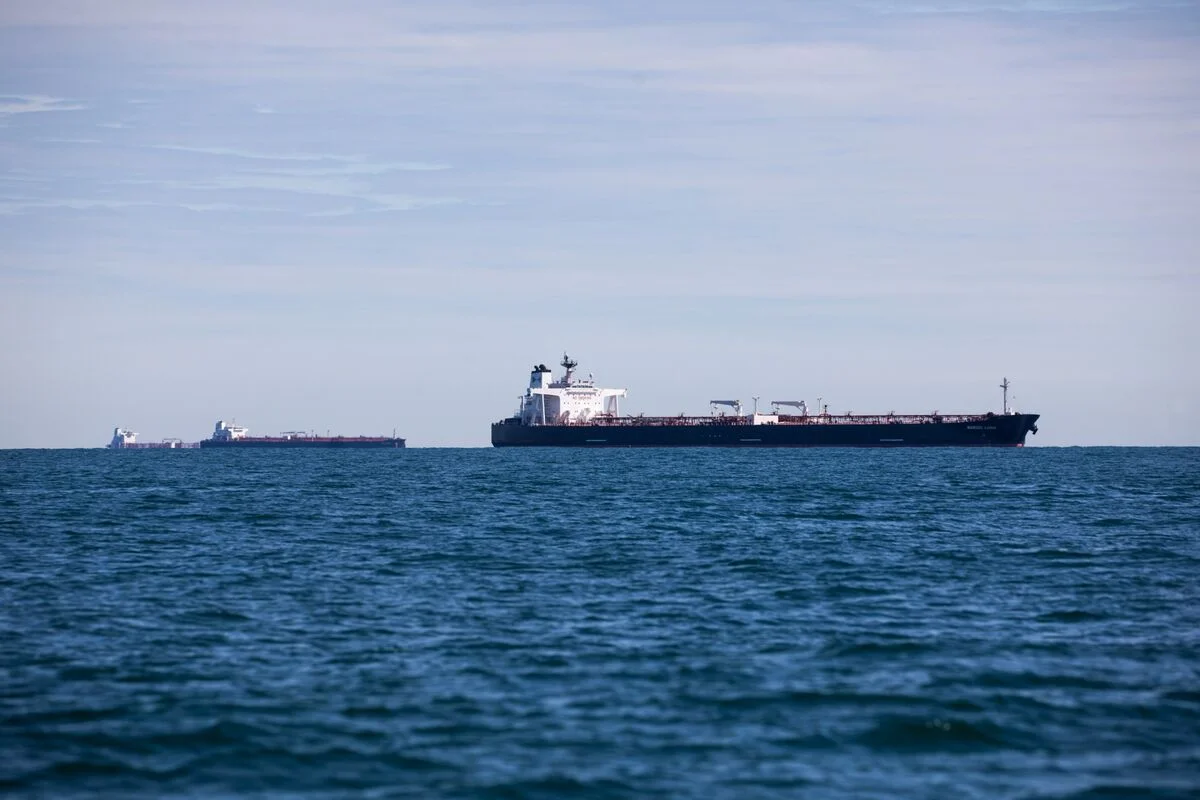
The US has at least 12 sanctioned Venezuelan oil tankers at sea, with President Trump promising a complete blockade of such vessels, though oil prices have not significantly risen. The US is targeting Venezuelan oil exports, mainly affecting China and Cuba, while authorized vessels like Chevron's continue to operate. The situation involves complex maritime activities, including vessel spoofing and cargo transfers.
Russia's crude oil prices have fallen to their lowest since the Ukraine invasion, dropping 28% over three months due to U.S. sanctions, falling benchmarks, and a widening discount of Russian crude, which is significantly reducing Russia's oil and gas revenues—its main source of income—by nearly 50% in December, reaching the lowest levels since August 2020.
Russia's seaborne crude shipments have sharply declined due to US sanctions, leading to increased oil at sea and reduced export revenues, with major buyers like China, India, and Turkey cutting back on purchases, though some believe the disruption may be temporary.
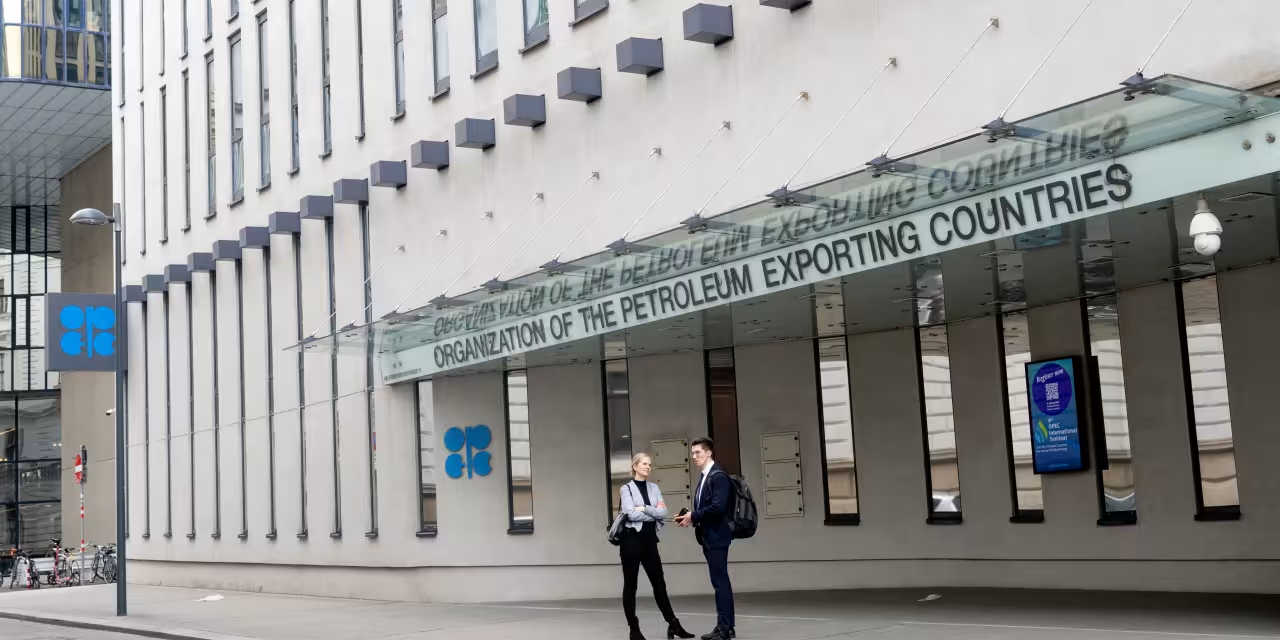
Morgan Stanley raised its near-term crude oil price forecast to $60 per barrel for the first half of 2026 after OPEC+ announced a pause in production hikes, signaling reduced volatility and a potential stabilization of oversupply, with prices expected to rise to $65 later in 2026 and into 2027.
Gas prices in the US have dropped to around $3.05 per gallon, the lowest since May 2021, driven by increased oil supply, lower demand, and geopolitical stability, with projections suggesting prices may fall further to $3 soon.
Oil prices increased despite OPEC+ announcing a smaller-than-expected increase in crude output, as the market reacts to the cartel's efforts to regain market share and stabilize prices amid concerns of oversupply and weakening demand.
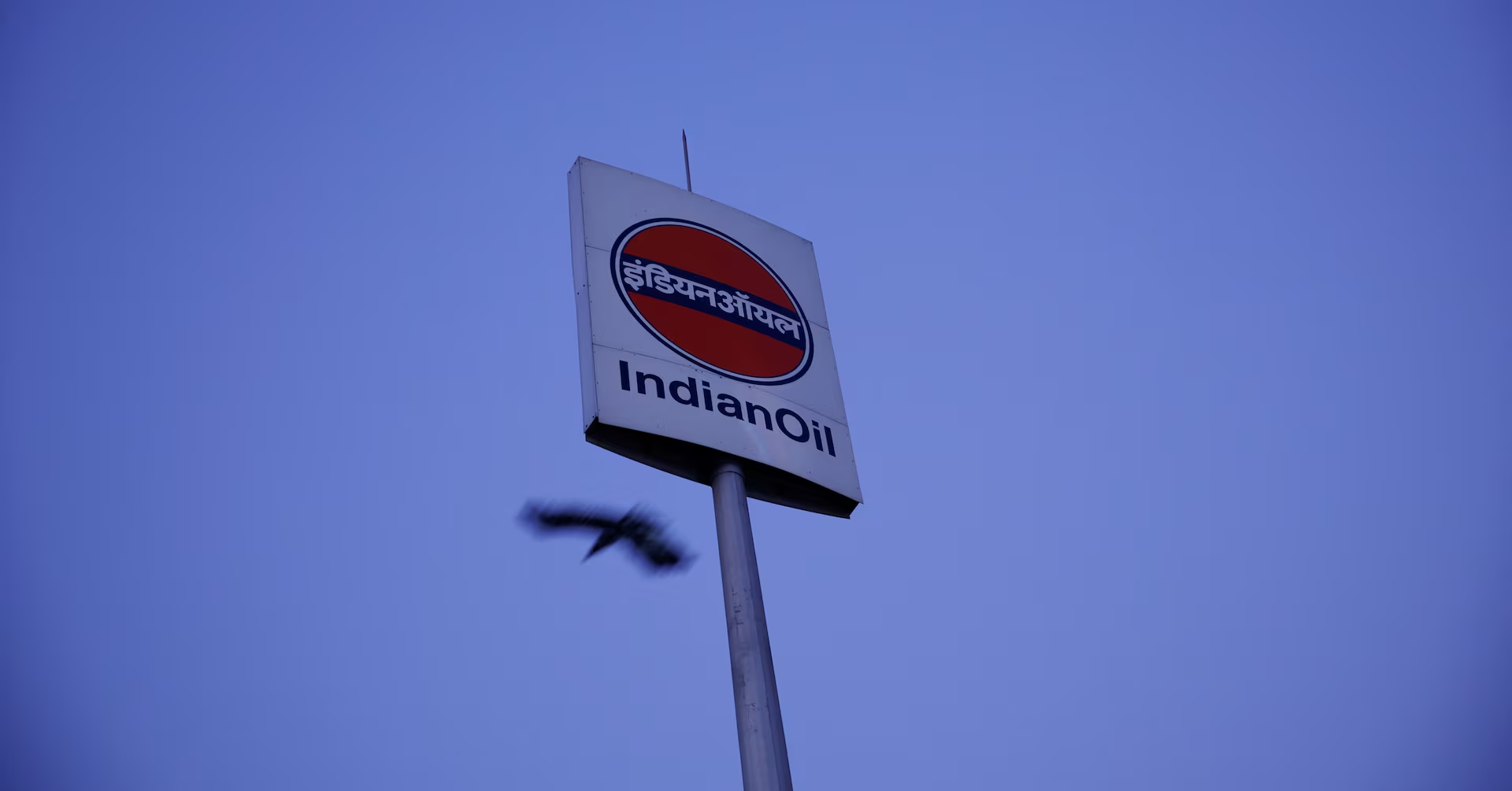
Indian Oil Corp has purchased 7 million barrels of crude from the US, Canada, and the Middle East to replace Russian oil, amid US criticism and potential tariffs over India's Russian oil imports, which have increased slightly this year.
Saudi Arabia increased the price of its main crude grade for Asian buyers more than expected, signaling confidence in a strong market despite plans by OPEC+ to boost production, which could lead to a crude surplus and potential price declines later in the year.
Oil prices initially jumped after OPEC+ announced a sharp increase in crude production for July, aiming to regain market share and discipline over-producing countries, but analysts suggest the market has largely priced in this move, and the impact on prices may be limited or temporary.
A key OPEC+ meeting this weekend is expected to decide on a 411,000 barrel per day increase in July production, which could lead to a 10% drop in crude oil prices if implemented, amid challenges like demand forecasting and member compliance issues, potentially pushing prices to their lowest since 2021.
President-elect Donald Trump's push for increased shale production in the US faces challenges due to a global crude oil glut, which is expected to slow down the pace of output growth. Despite Trump's promises to boost production and lower pump prices, analysts predict a modest increase of 251,000 barrels a day through 2025, marking the slowest growth since the pandemic-induced drop in 2020.
President Biden is advancing with plans to implement a methane fee, despite political challenges, and is urging the European Union to align with U.S. policies. Meanwhile, crude oil futures have dropped to their lowest in over two months due to expectations of a supply surplus next year, a strong U.S. dollar, and concerns about demand from China.
Crude oil prices rose after the U.S. Energy Information Administration reported a significant inventory draw of 4.9 million barrels for the week ending July 12, aligning with the American Petroleum Institute's estimates. Despite the crude draw, gasoline and middle distillate inventories saw increases. Oil prices saw a boost, with WTI and Brent both trading up over 1%.
Microsoft reclaims its position as the world's most valuable company after Nvidia's stock decline. Boeing is close to repurchasing Spirit AeroSystems, while UK public debt reaches its highest level since 1961. U.S. stock futures are flat ahead of key economic data, and crude oil prices are set for weekly gains due to rising demand.