Oil prices increased by about 2% due to concerns over supply disruptions from protests in Iran and escalations in Russia-Ukraine conflict, while global inventories rise and the US discusses Venezuelan oil exports amid ongoing sanctions and embargoes.
US shale oil executives warn President Trump that his efforts to boost Venezuelan oil production and lower crude prices threaten American producers, potentially leading to a decline in US shale output and profits, especially for smaller companies, amid a broader market glut and geopolitical tensions.
Oil prices declined as markets assessed ample global supply prospects for 2026 and uncertainties surrounding Venezuelan crude output following the U.S. capture of Maduro, with potential for increased Venezuelan production and a possible market surplus.
Cryptocurrency prices, especially Bitcoin and Ethereum, surged following the U.S. operation in Venezuela that detained President Maduro, with rumors circulating about Venezuela potentially holding a $60 billion Bitcoin reserve, which could influence global crypto markets. The event also impacted oil prices and prompted increased interest in crypto-related financial activities and stocks.
The U.S. stock market showed little reaction to President Trump's aggressive actions in Venezuela, with investors viewing the event as unlikely to escalate into a larger conflict, and instead focusing on fundamentals like earnings growth and AI, supporting a bullish outlook for stocks.
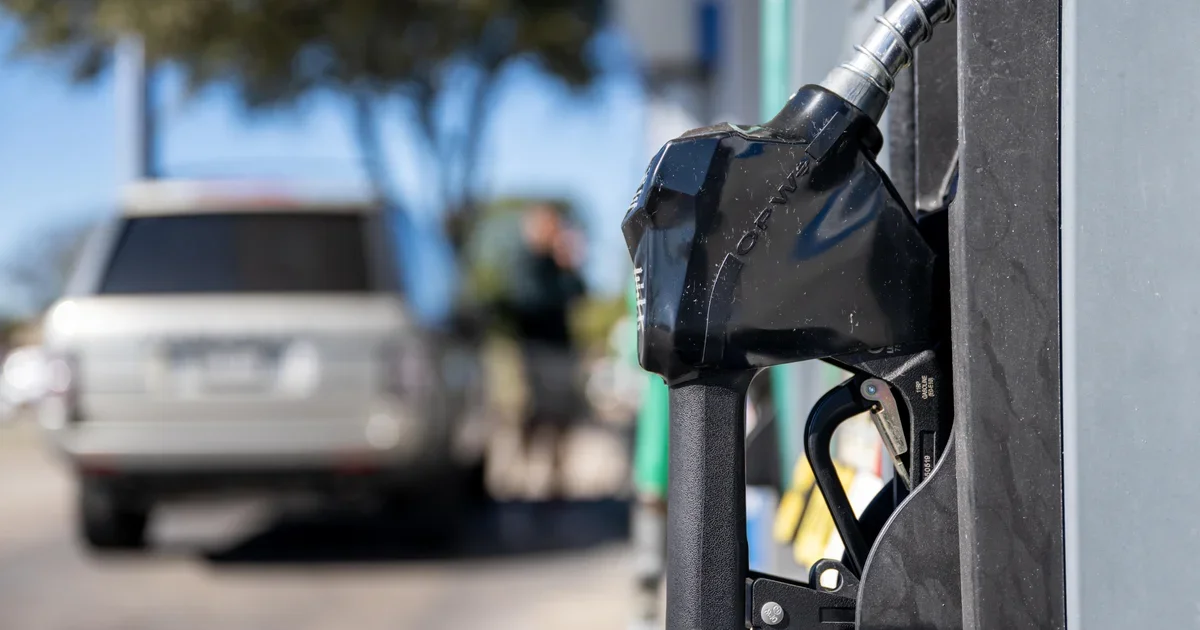
Gas prices in the US are expected to be at their lowest since 2020 in 2026, averaging around $2.97 per gallon, due to increased supply and declining oil prices, providing relief amid ongoing inflation concerns, despite potential geopolitical risks.
European stocks opened higher amid global market reactions to the US's military operation in Venezuela, which resulted in the capture of President Maduro and his wife, leading to increased defense stocks and cautious oil price movements.
Oil prices experienced fluctuations following the US capture of Venezuela's Maduro, with market uncertainty driven by potential geopolitical instability and Venezuela's vast oil reserves, which could either increase supply or lead to conflict-driven price hikes. Investors showed caution, and gold and silver prices rose as safe havens amid global turmoil.
Asian markets rose following the U.S. operation that captured Venezuelan President Maduro, leading to gains in defense stocks and a slight decline in oil prices amid geopolitical tensions.
The US launched an attack on Venezuela, capturing President Maduro and his wife, leading to steady stock futures and a slight drop in crude oil prices, while raising questions about Venezuela's future and US policy in the region.
Crude oil prices declined slightly amid political uncertainty in Venezuela following the overthrow of President Maduro, with potential long-term impacts depending on U.S. investment and sanctions policies, and the stability of the new government.
OPEC+ members decided to keep oil output steady amid geopolitical tensions and a significant drop in oil prices, prioritizing market stability over increasing supply despite internal and external crises affecting member countries.
Oil prices are expected to fall below $50 in 2026 due to increased global supplies and demand concerns, leading to sector consolidation and a shift towards gas-fueled growth drivers by oil companies.
The article predicts that in 2026, oil prices will likely crash below $50 but then recover, leading to increased mergers in the sector, and a shift towards natural gas and AI data center investments by oil companies, setting the stage for potential growth despite a challenging year for oil prices.
The US conducted a strike on Venezuela, capturing President Maduro and raising uncertainty about the country's future and its massive oil reserves. Despite Venezuela's large proven oil reserves, its current output is low due to sanctions and infrastructure decay, so immediate impact on global oil prices is limited. The situation could change if political stability is restored and the oil industry is revitalized, potentially benefiting the US with access to cheaper, heavy crude oil.