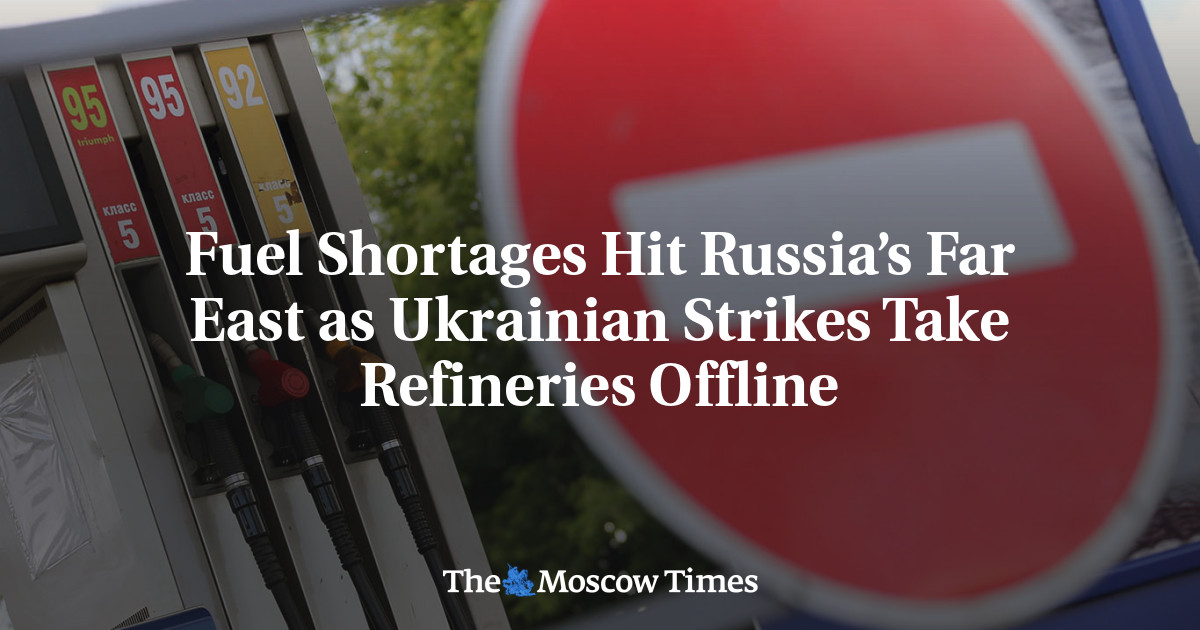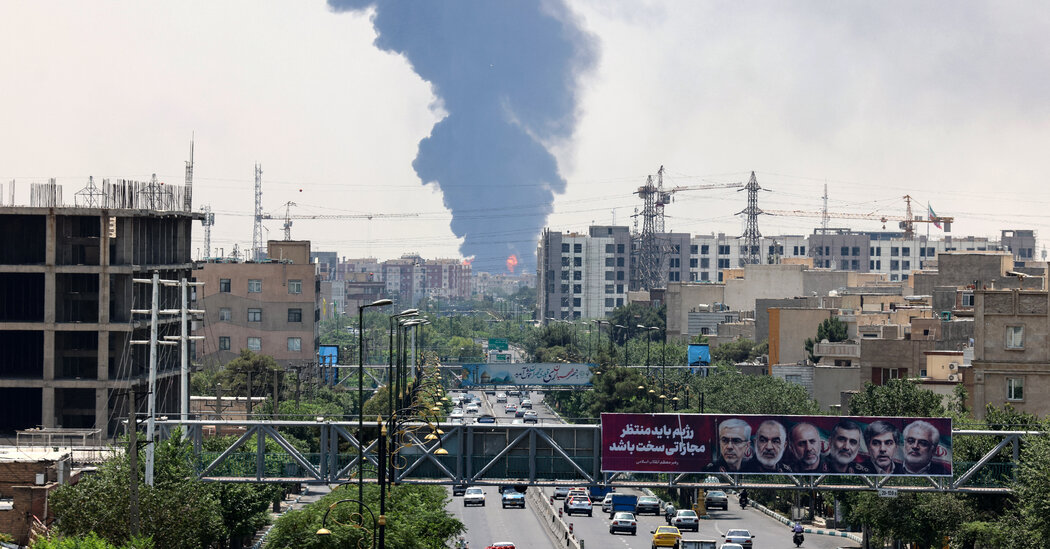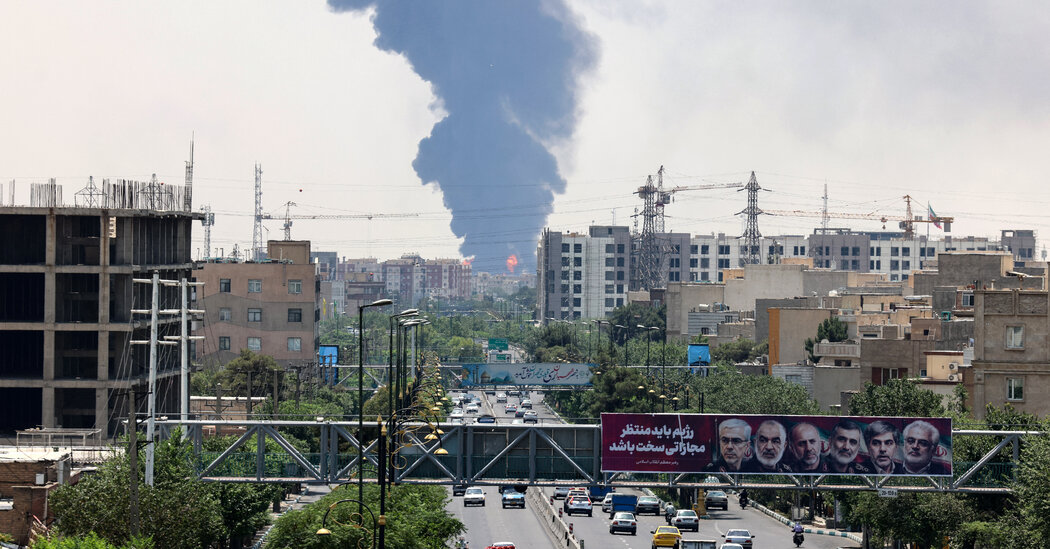
Russia is experiencing a gasoline shortage exacerbated by Ukrainian drone attacks on refineries, which have damaged multiple facilities and increased domestic fuel prices. Despite these disruptions, Russia's large fuel reserves, surplus diesel production, and the ability to import fuel help mitigate a full-scale crisis, though the situation remains challenging and could worsen if attacks continue or escalate.

Ukraine has intensified drone attacks on Russian energy infrastructure, targeting refineries and pipelines, which has led to record-high gasoline prices in Russia and shortages in some regions. These strikes aim to weaken Russia's war effort and disrupt daily life, while Ukraine also seeks to impede Russian oil exports and develop long-range missile capabilities. The ongoing attacks are causing economic strain in Russia, with no immediate relief expected.
Ukraine has intensified drone attacks on Russian energy infrastructure, targeting refineries and fuel supplies, which has led to record-high gasoline prices in Russia and shortages in some regions. These strikes aim to weaken Russia's war effort and disrupt daily life, while Ukraine also develops long-range missile capabilities to further damage Russian energy assets. Despite sanctions and logistical challenges, the conflict continues to impact Russia's fuel supply and economy.
Ukrainian drone strikes have significantly damaged Russian oil refineries in the Far East, causing fuel shortages, long lines at gas stations, and record-high gasoline prices, with the crisis exacerbated by seasonal demand and logistical delays.
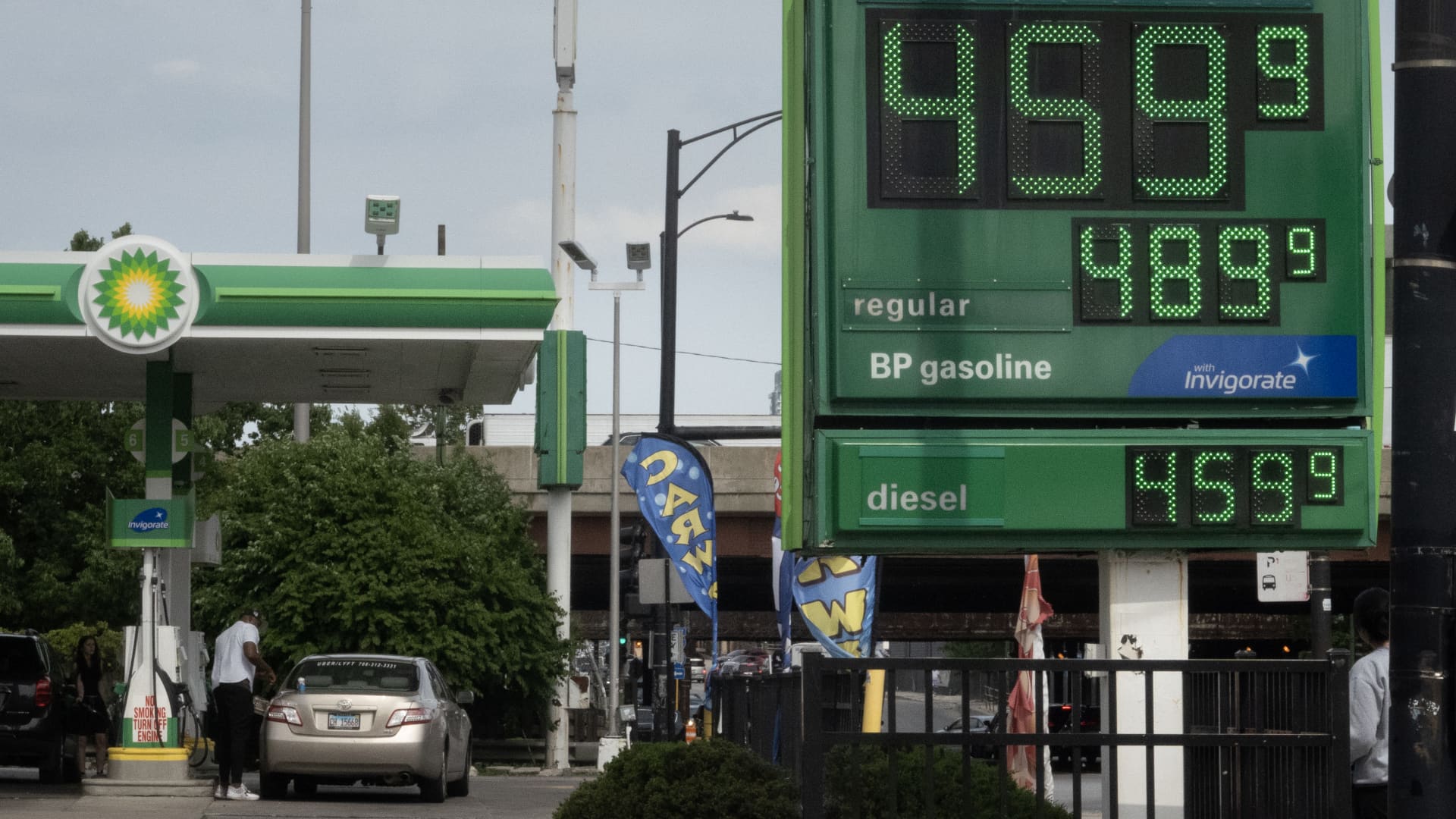
Wholesale gasoline prices in Russia have hit record highs due to Ukrainian drone strikes damaging key refineries, disrupting supply amid peak seasonal demand, with experts divided on when prices will fall and concerns over potential fuel shortages.
Gasoline prices haven't dropped significantly despite falling oil futures, due to only modest recent price increases and ongoing seasonal demand, but prices may decline further as global supply remains strong and demand wanes later in the year.
Gasoline prices have not dropped significantly despite a decline in oil futures, due to only a modest increase in pump prices and ongoing seasonal demand. Experts suggest prices may decline slightly in the coming days, but overall, strong US refining capacity and global oil supply glut could lead to sharper decreases later in the year, especially after peak summer demand.
Retail sales in the U.S. fell by 0.9% in May, worse than expected, driven by declines in gas sales and consumer caution amid geopolitical tensions and tariffs, although some sectors like online and furniture sales saw growth; overall consumer sentiment improved despite the pullback, and the economy is expected to rebound after a slight GDP decline in Q1.
Oil prices rose following Israeli strikes on Iranian energy facilities, with potential for further increases if Iran responds by closing the Strait of Hormuz, a critical energy transit route, which could significantly disrupt global oil supplies and raise prices.
Escalating conflict between Israel and Iran, including Israeli strikes on Iranian energy facilities, has caused U.S. oil prices to rise, which may lead to a 20-cent increase in gasoline prices at the pump in the coming weeks.
Inflation remained steady in May at 2.4%, with gasoline prices falling but other energy costs rising, while Trump's tariffs have yet to significantly impact consumer prices, though forecasters warn they may increase inflation in the future. The Federal Reserve is cautious about further rate cuts due to potential inflationary effects of tariffs.
California has enacted a new law allowing regulators to set minimum petroleum product inventory levels to stabilize fuel prices, amid Phillips 66's announcement to close its Wilmington refinery by 2025 due to challenging market conditions. The closure, representing a significant portion of California's refining capacity, may lead to increased reliance on imports and higher utilization of other refineries. The state's unique market conditions, including high gasoline prices and regulatory costs, contribute to the refinery's closure decision.
Oil prices fell by up to 3.5% as OPEC+ decided to start unwinding some production cuts earlier than expected amid demand concerns. West Texas Intermediate futures dropped below $75 per barrel, and Brent hovered around $78.60. The decline was driven by technical pressure and limited buying interest. OPEC+ extended existing cuts but will reduce additional cuts starting in October. Analysts view the move as market neutral, with a demand slowdown forecast for 2024. Gasoline prices have also eased, with the national average dropping to $3.53 per gallon.
The Biden administration's sale of 1 million barrels of gasoline from the Northeast Gasoline Supply Reserve is unlikely to significantly impact summer pump prices, according to analysts. The sale, aimed at mitigating regional price surges, represents only a small fraction of U.S. consumption. While gas prices have been trending lower due to softened demand and decreased oil prices, the outlook remains uncertain with an active hurricane season potentially disrupting supply.
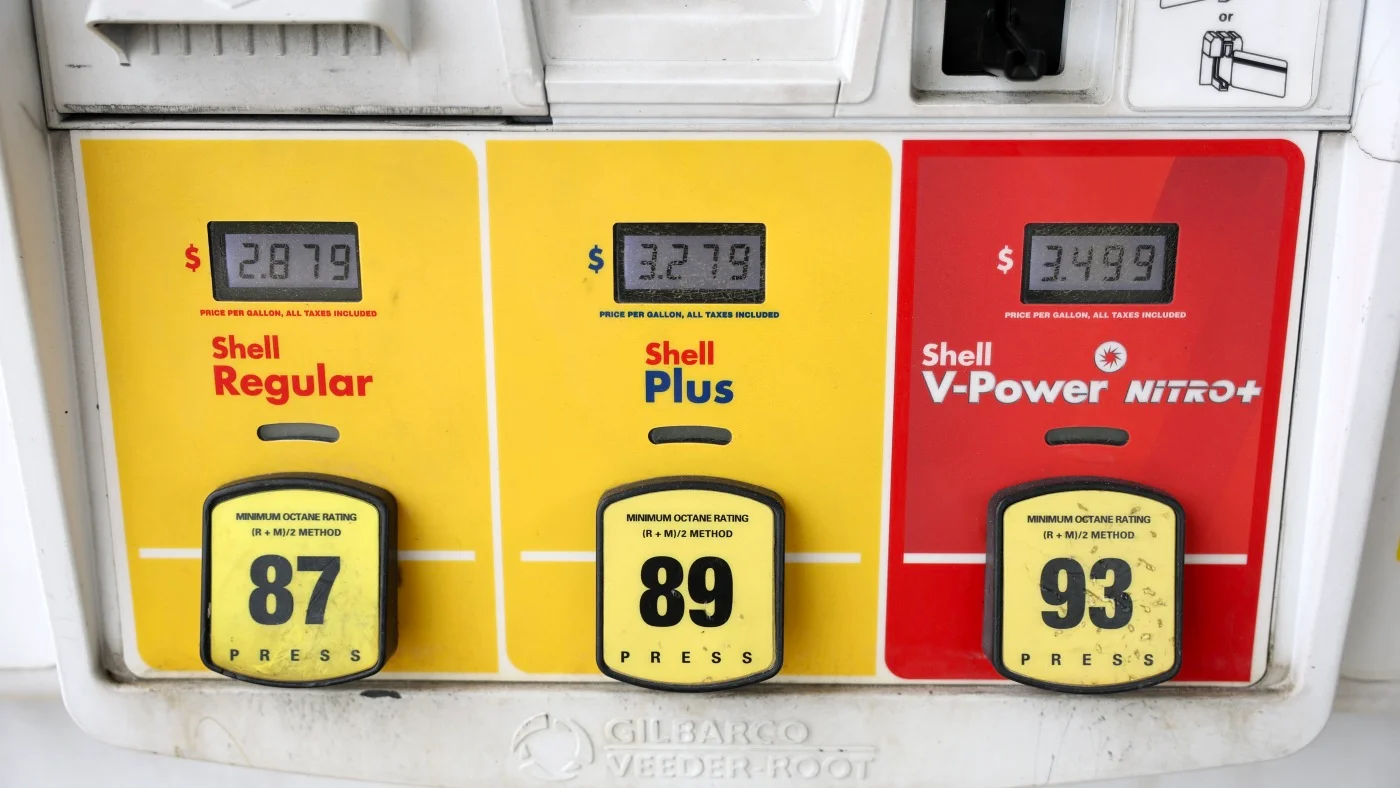
Gasoline prices in the US have risen to over $3.50 per gallon, surpassing last year's average due to increasing oil prices, declining inventories, and the introduction of a more expensive summer blend of gas. The national average is nearly $0.10 higher than a year ago, with California experiencing prices approaching $4.97 per gallon. Rising crude oil futures, OPEC+ output cuts, and Russian refinery interruptions have contributed to the increase. Despite this, a slight slowdown in price increases is expected in the Midwest following the resumption of operations at BP's Whiting refinery. Higher gas prices have also been a factor in the recent rise in inflation.