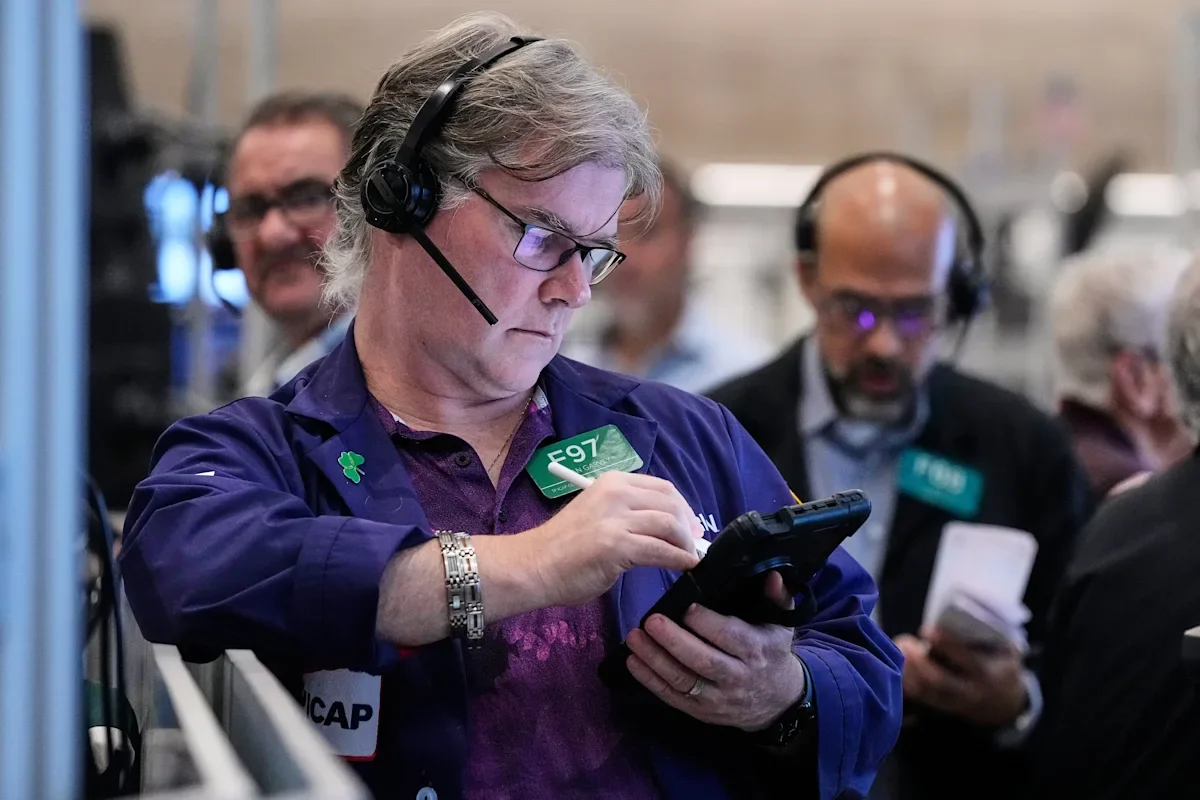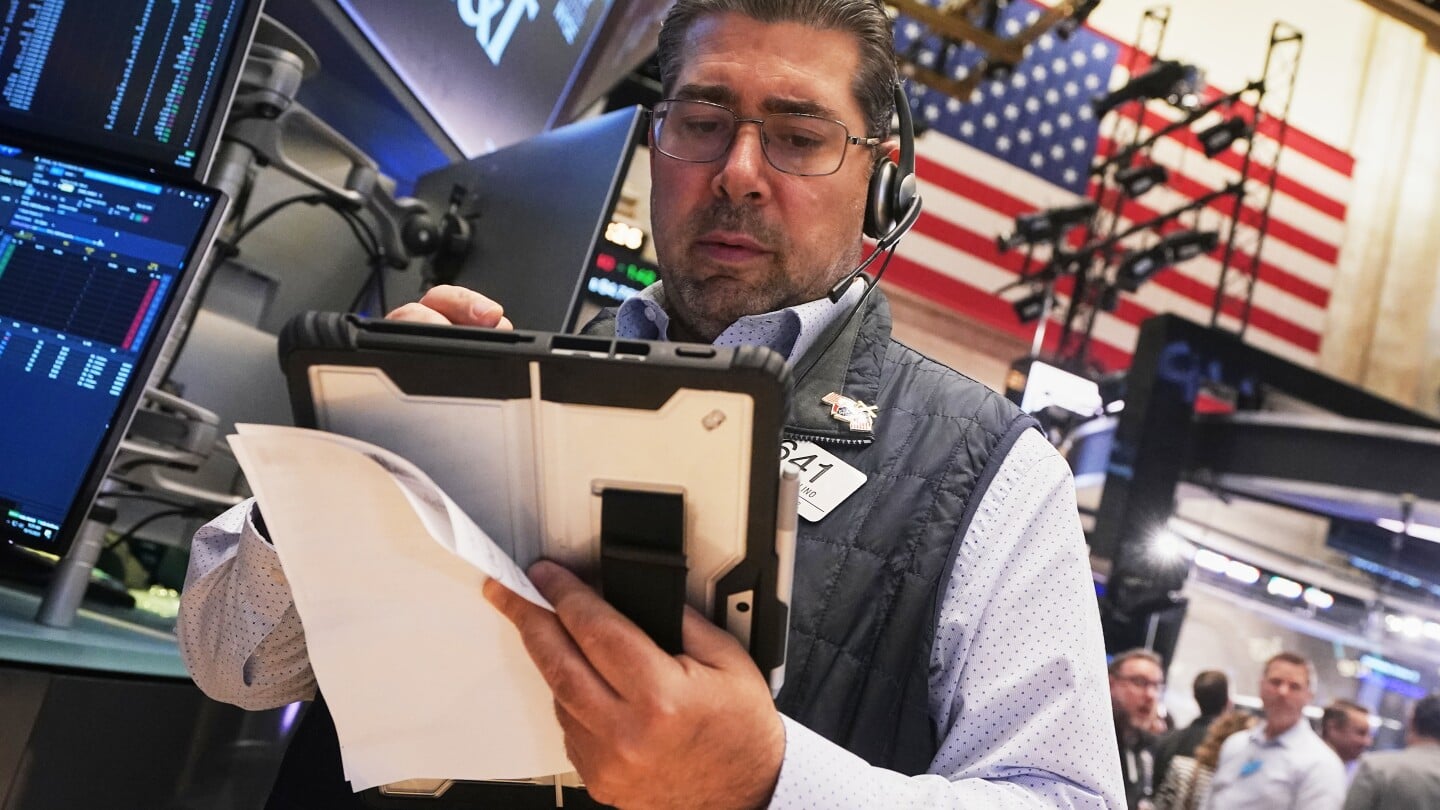
US stocks rose on Friday, with major indexes gaining weekly, driven by strong performances in AI-related stocks like Nvidia and Broadcom, amid ongoing concerns about inflation, corporate earnings, and economic outlooks. Notable movements included Oracle's joint venture with TikTok and mixed results from companies like Nike and Lamb Weston, while consumer sentiment and inflation data added to market uncertainty.

Despite tariffs, Corporate America reports its best earnings in four years, indicating resilience and strong financial performance amid ongoing trade tensions.
Global markets declined following a sell-off in Wall Street tech shares, with Asian and European markets also falling, driven by concerns over high valuations and corporate earnings, while gold prices rose as a safe-haven asset.
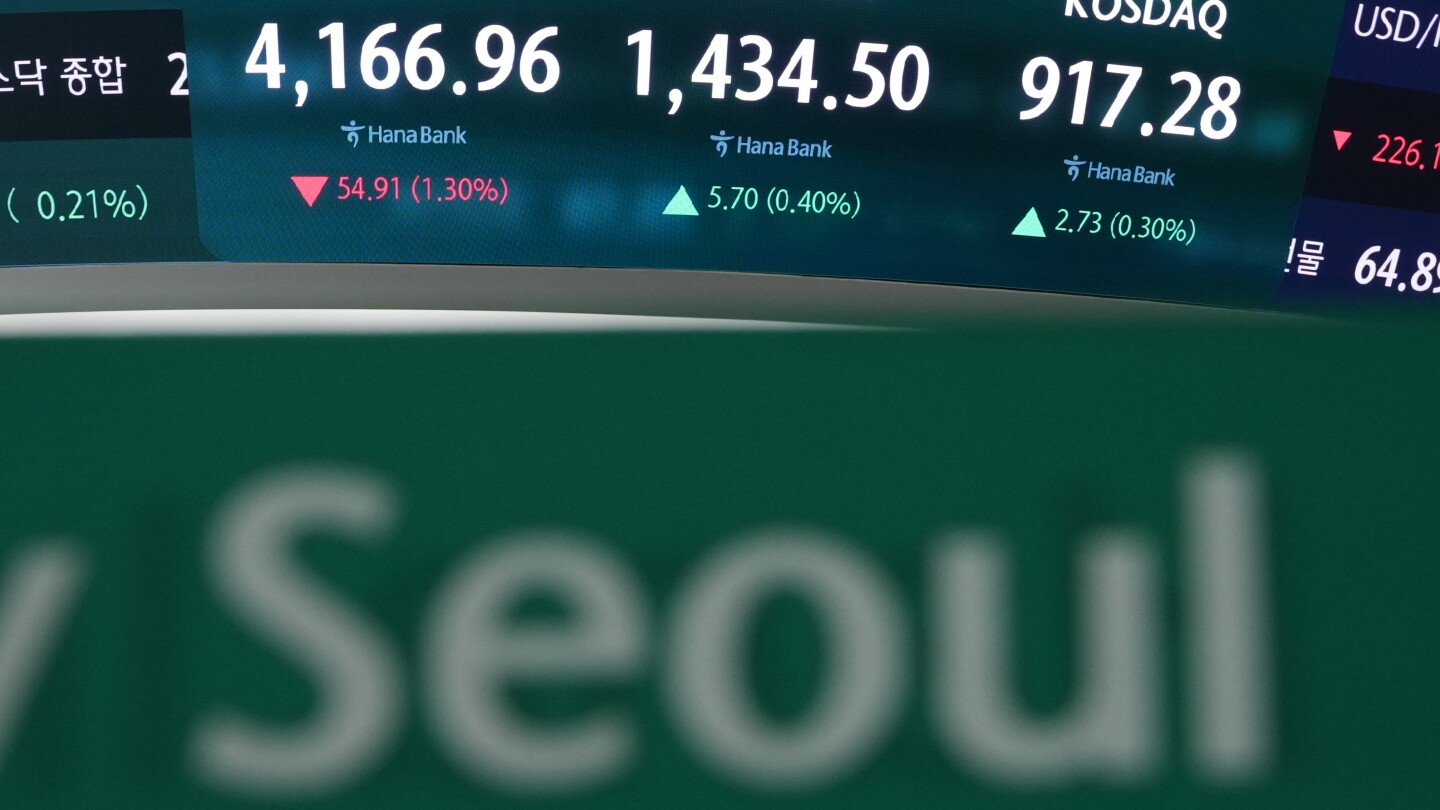
U.S. stock futures rose ahead of a busy earnings week amid a lack of economic data and ongoing government shutdown, with notable moves in consumer health, AI, and energy sectors, while Asian markets hit record highs driven by tech and shipbuilding shares.
The article discusses the growing income inequality in the U.S., highlighting how wealthier consumers continue to spend freely while lower-income groups cut back, leading to a K-shaped economic recovery that benefits high earners and leaves others behind, impacting various industries and attracting attention from policymakers.
Global stock markets experienced mixed reactions following Federal Reserve Chair Jerome Powell's cautious outlook on interest rate cuts, with Asian stocks struggling and US markets showing volatility. Investors are awaiting policy signals from the Bank of Japan and the European Central Bank, while trade tensions between the US and China show signs of easing. Corporate earnings reports and upcoming economic policies continue to influence market movements.
Signs of progress in US-China trade negotiations sparked a global market rally, with stocks, oil, and copper rising amid expectations of a potential deal, while investors await key central bank rate decisions and corporate earnings reports that could influence market direction into year-end.
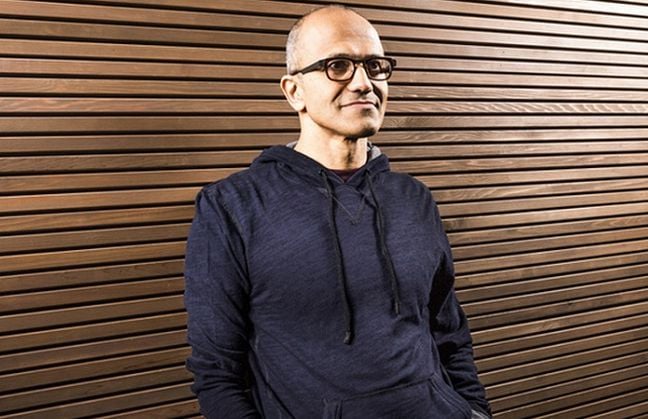
Microsoft CEO Satya Nadella received a total compensation of $96.5 million for fiscal 2025, reflecting a significant pay rise linked to Microsoft's strong financial performance and stock growth driven by AI advancements. The company's revenue and profits have surged, with notable growth in Azure and other divisions, while Nadella's pay is heavily performance-based. Other executives also received substantial compensation, and the median employee pay was around $200,972, highlighting a high CEO-to-median employee pay ratio.
US corporations like General Motors, 3M, GE Aerospace, and Coca-Cola reported strong Q3 results, surpassing forecasts and setting the stage for a potential year-end stock rally despite ongoing economic challenges. The broader market is supported by resilient earnings across sectors, with tech giants expected to drive future growth, highlighting the adaptability and innovation of American companies amid tariffs, supply chain issues, and inflation.
The U.S. stock market is nearing record highs with the S&P 500 just below its all-time peak, driven by strong corporate earnings from companies like General Motors and Warner Bros. Discovery, amid a backdrop of global market gains and economic data releases, despite some tech stock declines and a recent government shutdown affecting economic reporting.
Markets experienced a mixed start to the week with gains driven by trade optimism and hopes for ending the US government shutdown, while concerns remain over corporate earnings, regional bank jitters, and global supply chain dependencies, especially related to China and critical minerals.
Wall Street experienced a significant rally with the Dow rising over 500 points amid optimism about the end of the government shutdown and strong corporate earnings reports, especially from tech giants, while investors also sought safe havens like gold and silver amidst economic uncertainty.
U.S. stocks, led by Apple, rallied to near record highs amid optimism about demand and potential corporate deals, with major indices showing gains and upcoming earnings reports expected to influence market direction, while economic indicators and international markets also reflect cautious optimism.
Despite current credit market apprehensions and recent bank troubles, market analyst Tom Lee predicts the S&P 500 will rally to 7,000 by year-end, supported by strong corporate earnings, contrarian investor sentiment, and seasonal factors, viewing recent dips as buying opportunities in a longer-term bull market.
The S&P 500 declined due to ongoing concerns over the U.S. government shutdown and trade tensions with China, despite strong corporate earnings, while Federal Reserve signals potential rate cuts amid mixed economic data.