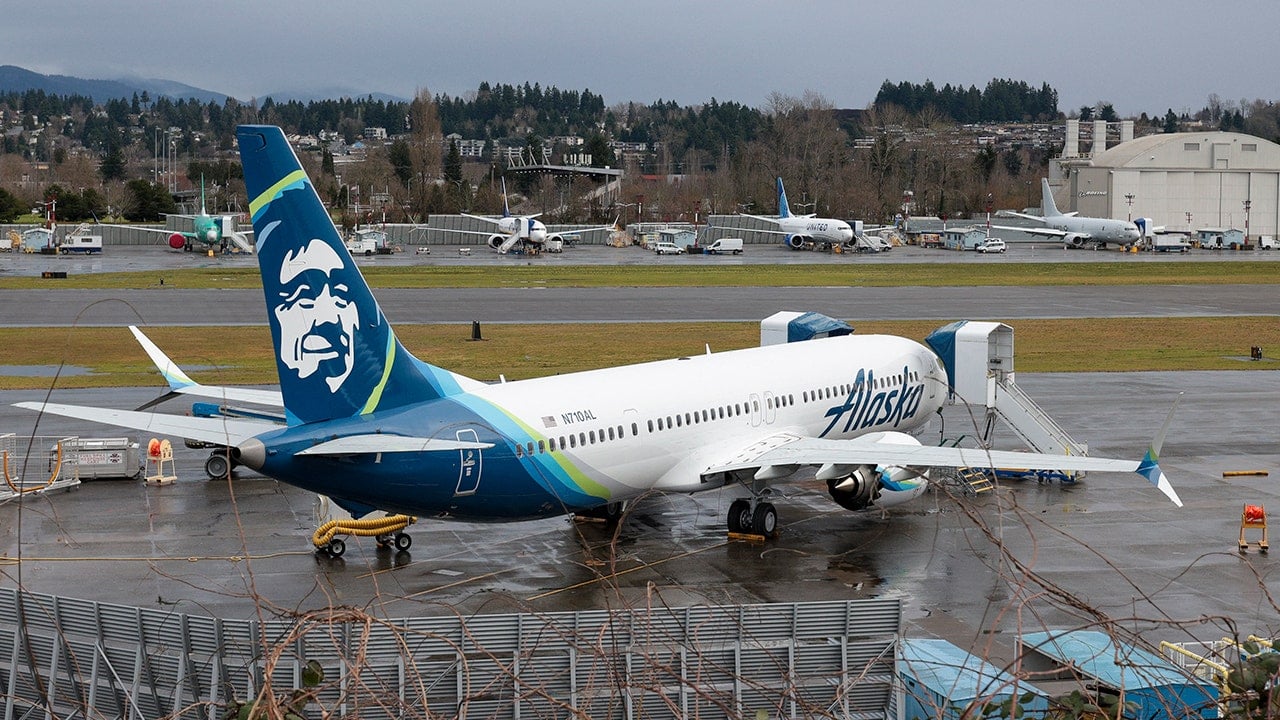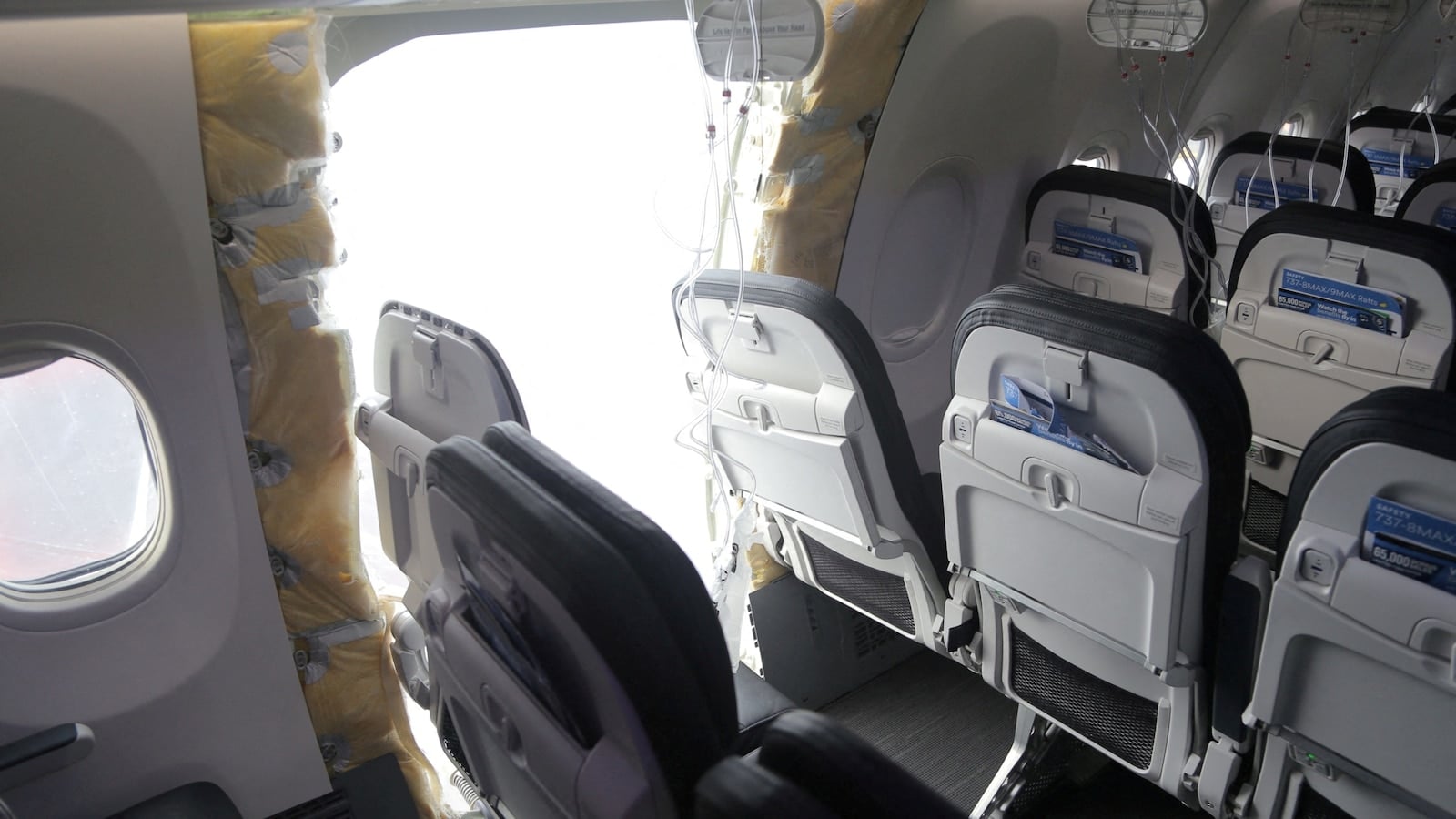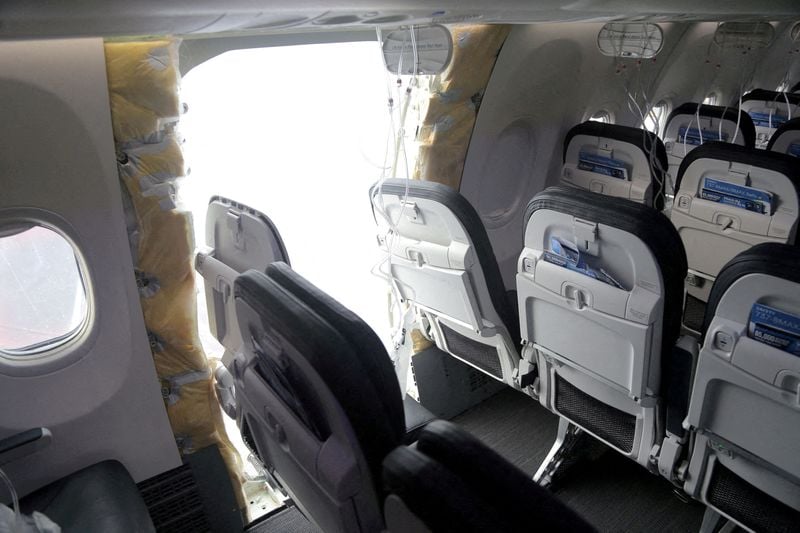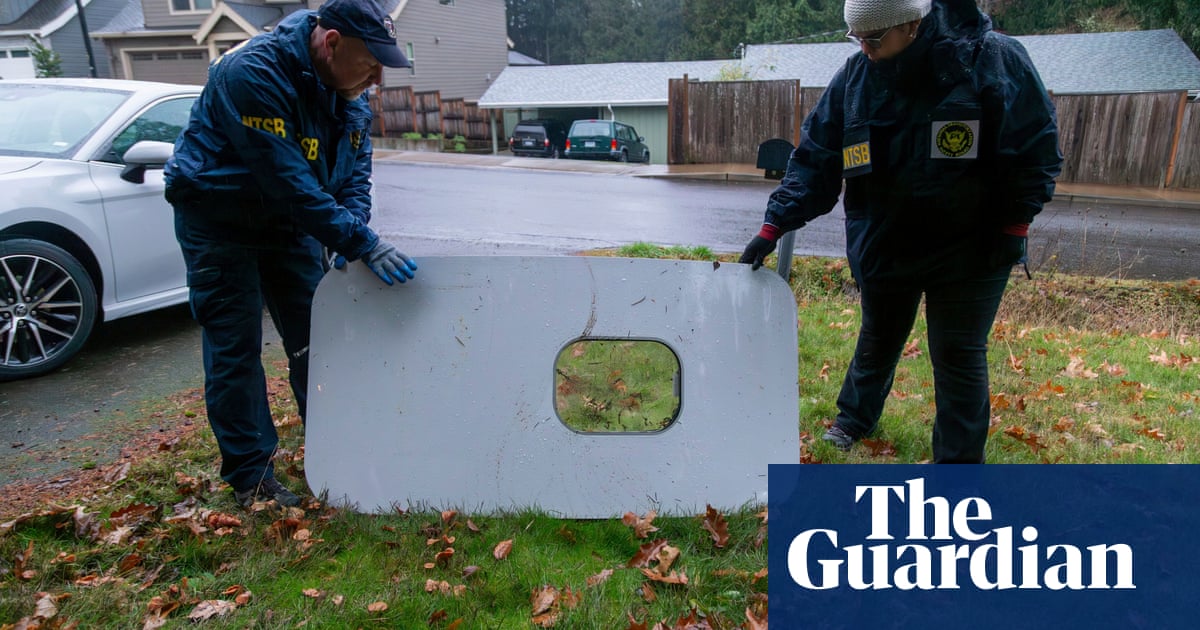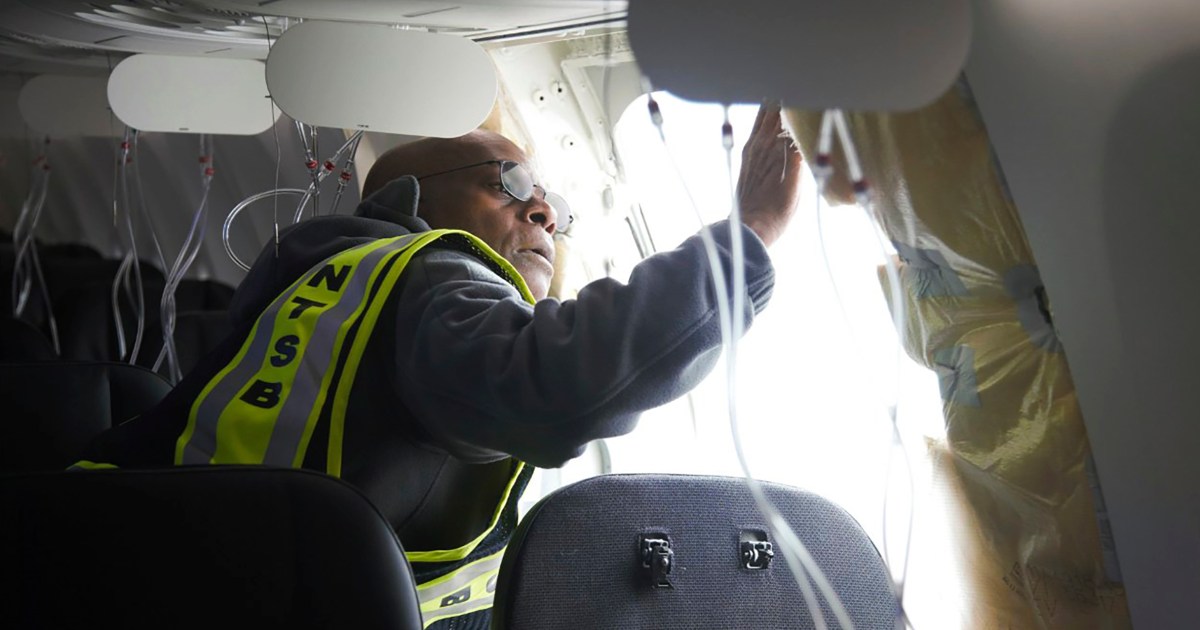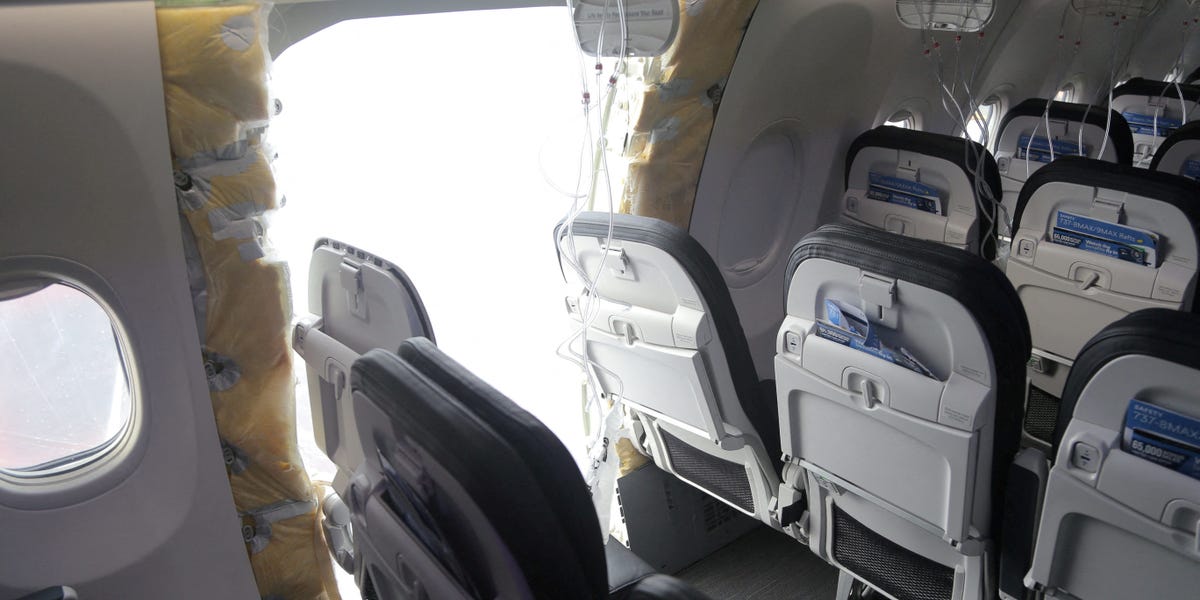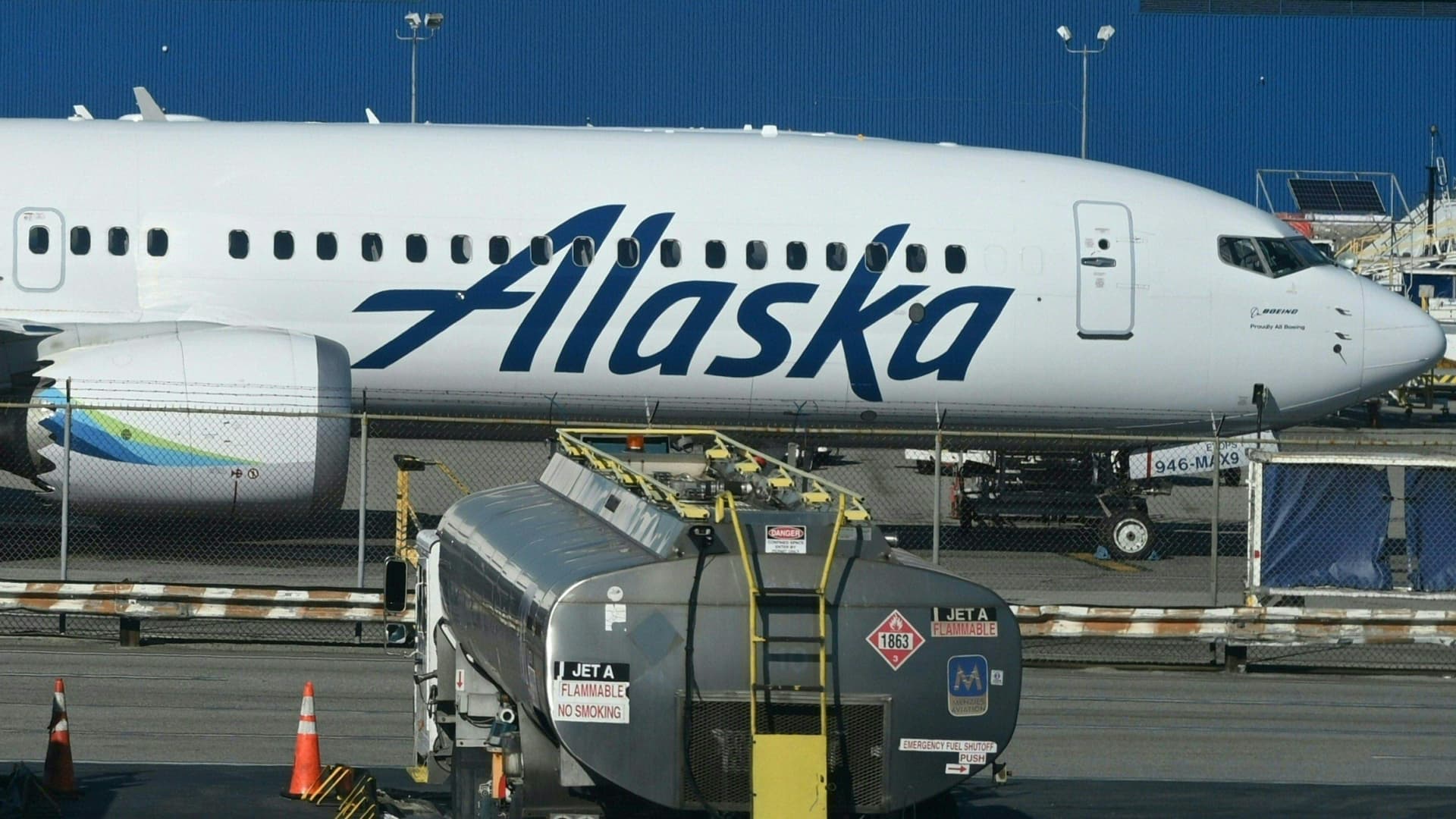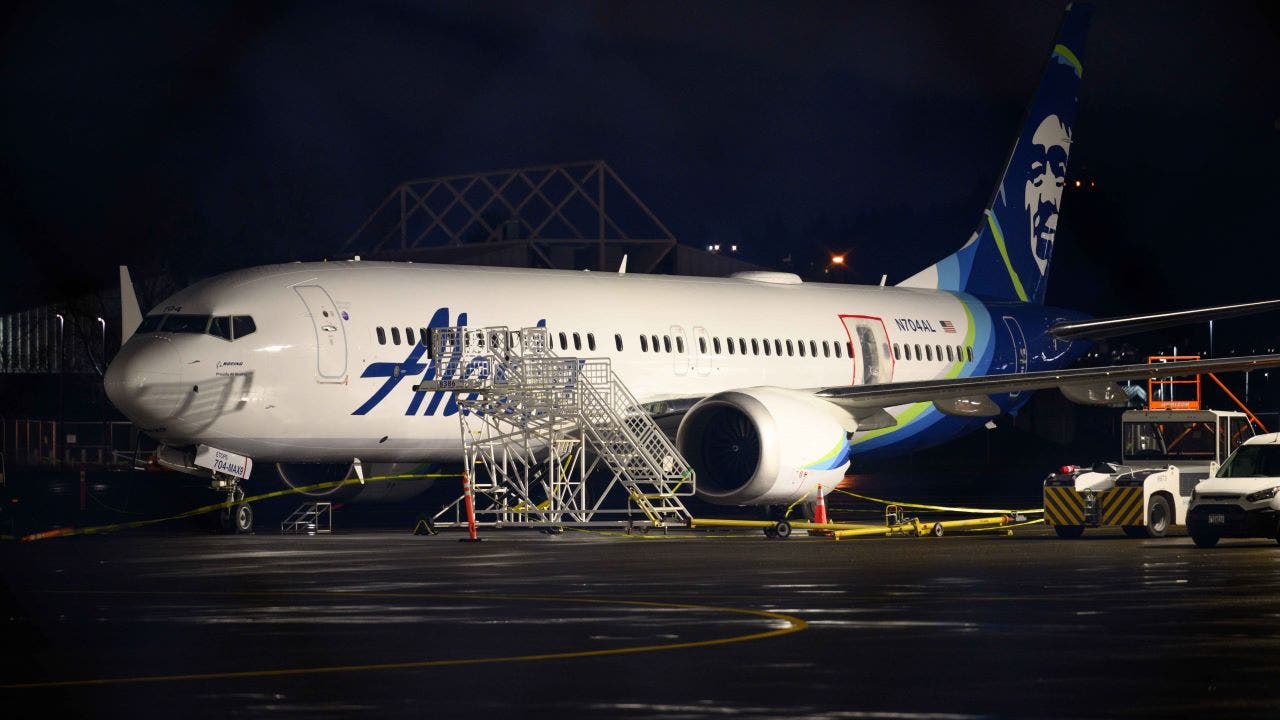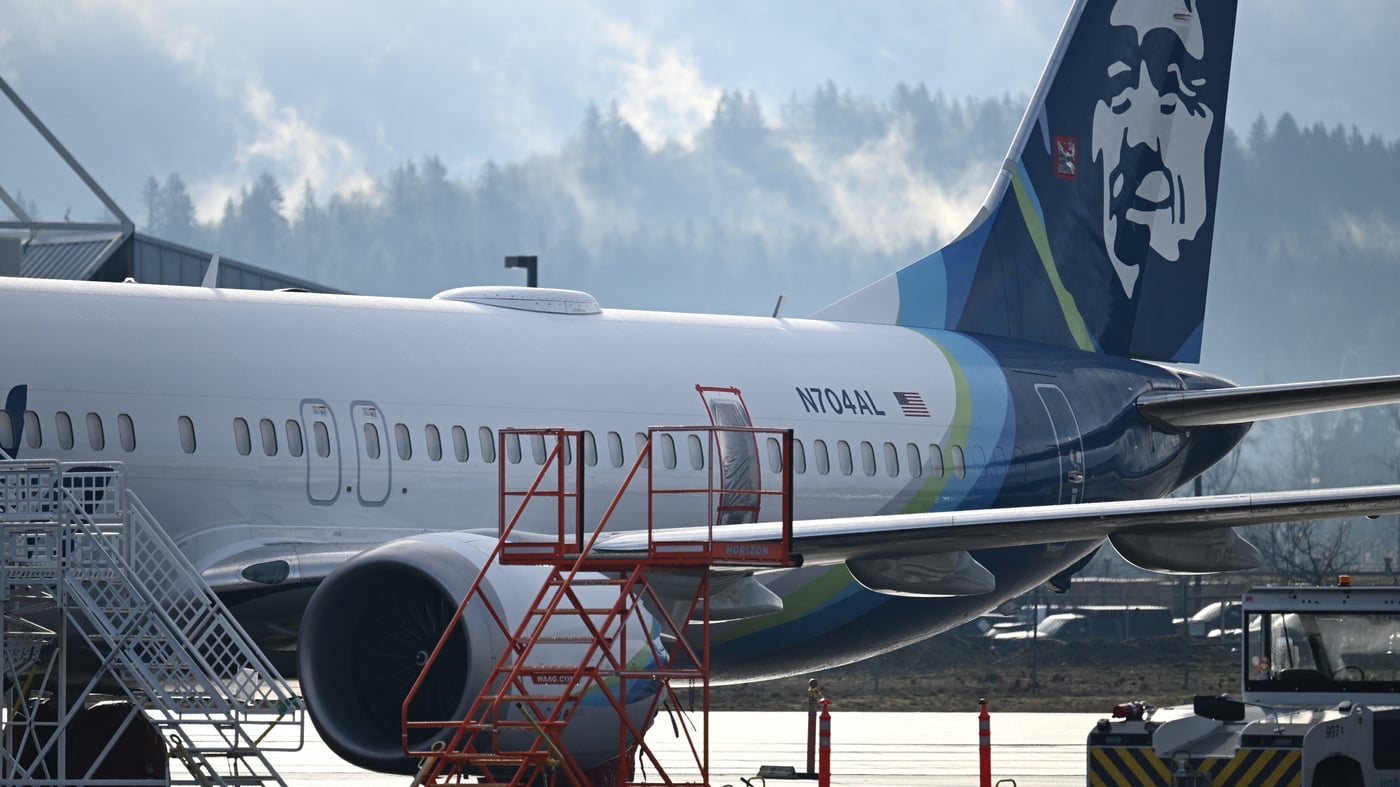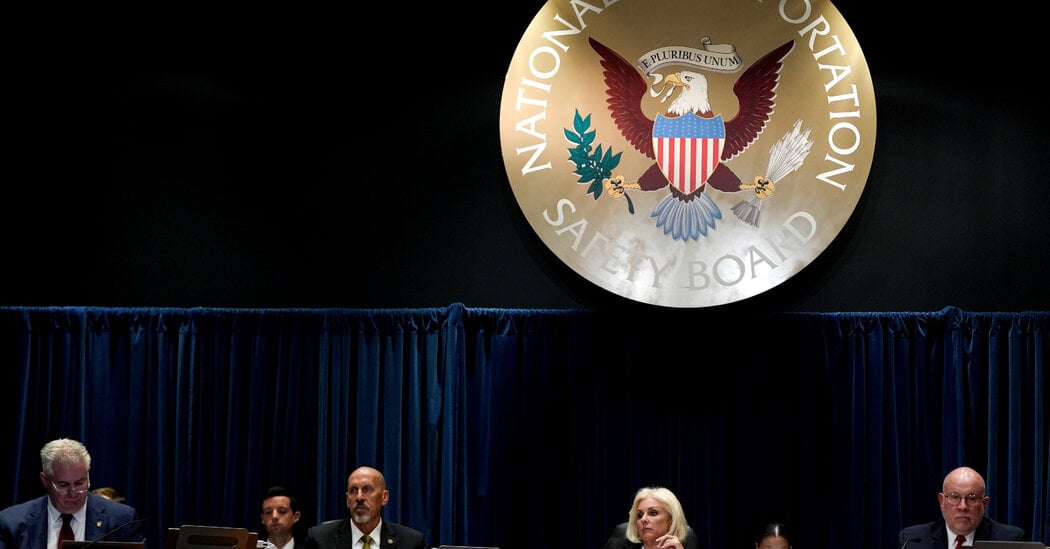
The NTSB found that a missing bolt caused a panel to detach from an Alaska Airlines Boeing 737 Max 9 midair, nearly leading to disaster. The incident was due to multiple system failures, including inadequate maintenance, training, and oversight by Boeing and the FAA. The agency issued safety recommendations to improve procedures and oversight to prevent similar incidents in the future.
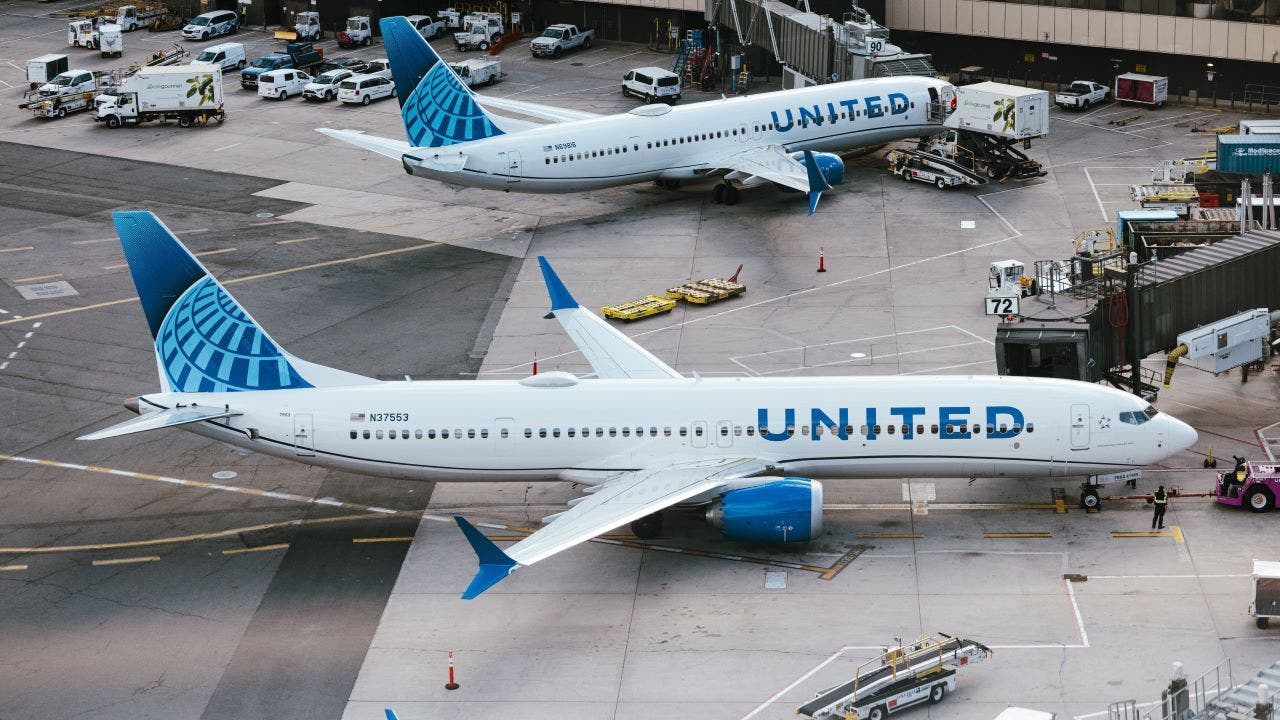
United Airlines reported a pre-tax loss of $164 million in the first quarter, attributing $200 million of it to the temporary grounding of the Boeing 737 Max 9. The grounding, following a midair incident, also impacted Boeing's production capacity and led to delivery delays. United and Alaska Airlines are the only U.S. carriers operating the 737 Max 9, and both have resumed its service after inspections. Boeing's CFO acknowledged the impact on customers and emphasized transparent communication to address the situation.
Boeing has paid Alaska Airlines approximately $160 million in initial compensation following the midair blowout of Alaska Airlines Flight 1282 in January, which resulted in the grounding of similar Boeing 737 Max 9 jetliners. The airline reported a loss of approximately $160 million in Q1 pretax profit due to the incident and grounding. Boeing is expected to provide additional compensation in the future, but the exact amount and terms are currently unknown.
Boeing has paid Alaska Air Group approximately $160 million in initial compensation following the door plug incident on Alaska flight 1282, with more compensation expected. The incident resulted in a loss of approximately $160 million in first-quarter pretax profit for the airline. The Federal Aviation Administration grounded approximately 171 Max 9s worldwide following the incident, and the NTSB is still investigating. Amid the fallout, Boeing's CEO announced he will step down at the end of the year.
Boeing has paid Alaska Airlines $160 million in initial compensation for a panel blowout on a Boeing 737 Max 9 jetliner in January, with additional compensation expected. The payment covers Alaska's pretax loss related to the accident, including lost revenue and the cost of returning its Max 9 fleet to service after the planes were grounded for three weeks. The incident has led to FAA and NTSB investigations, and the Justice Department is examining whether it violated terms of a previous settlement with Boeing. Alaska's filing suggests potential future payments to other customers affected by grounding and production delays, while the airline expects a first-quarter loss due to the accident.
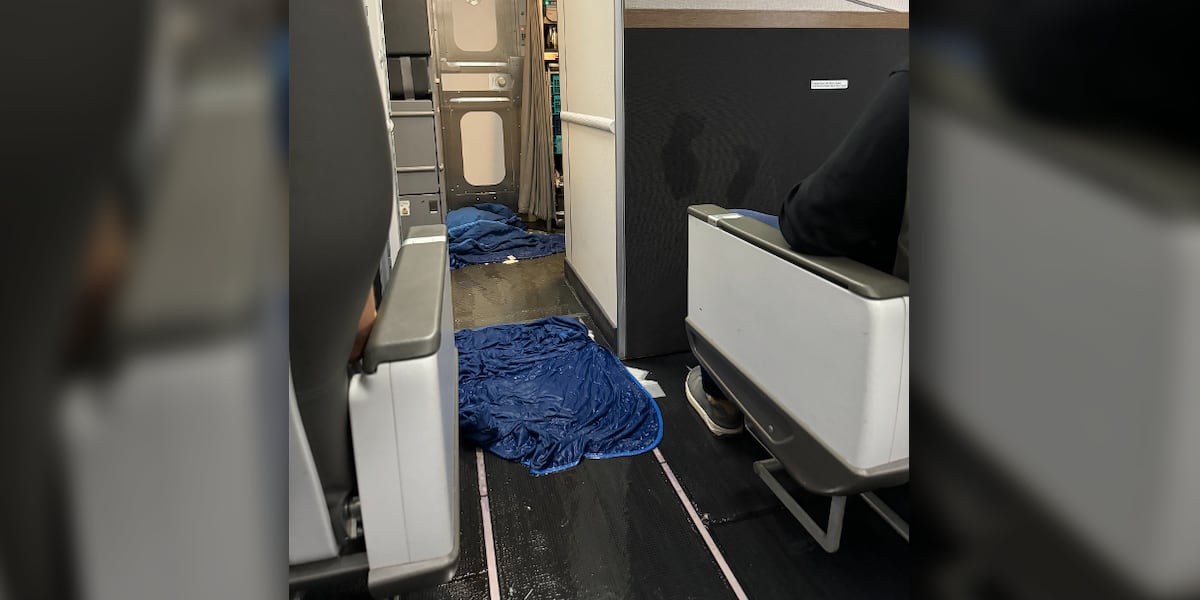
An Alaska Airlines flight from Honolulu to Anchorage was forced to turn around after an issue with an onboard bathroom sink caused water to flood the aisle of the Boeing 737 Max 9 jet. Passengers captured video of flight attendants attempting to soak up the water with paper towels. The flight safely returned to Honolulu, and passengers were rebooked on other flights. This incident comes amid ongoing issues with Boeing's 737 Max 9 jets, including a recent criminal investigation and the departure of the company's CEO.
The FBI has informed passengers of an Alaska Airlines Boeing 737 MAX 9, involved in a mid-air emergency on Jan. 5, that they may be victims of a crime, indicating progress in the investigation. The incident involved a door plug panel tearing off, leaving a hole in the aircraft, and the NTSB finding missing bolts. The Justice Department's updated guidelines for notifying victims of potential crimes followed criticism over its handling of the Boeing 737 MAX 8 crashes. Both Boeing and Alaska Airlines are cooperating with the investigation, with the FAA grounding the MAX 9 for several weeks and ordering Boeing to address quality-control issues.
The NTSB is facing challenges in its investigation of the Alaska Airlines midair emergency involving a Boeing 737 Max 9 due to overwritten video footage of the door plug removal and the lack of records from Boeing. The agency is also struggling to identify the workers involved in the maintenance, and the justice department has opened a criminal investigation. Boeing has admitted that required documents detailing the removal of the door plug were never created, and the FAA has taken measures to address systemic quality-control issues.
The Alaska Airlines plane that experienced a door panel blowing off midair in January was scheduled for maintenance later that night, with no bolts installed on the door plug of the Boeing 737 Max 9 aircraft. The incident, which caused rapid decompression and minor injuries to passengers and a flight attendant, has prompted an investigation. Boeing has faced scrutiny, and the NTSB will hold an investigative hearing in August. Alaska Airlines maintains confidence in its maintenance and safety actions leading up to the incident.
Passengers on a previous Alaska Airlines flight on the same Boeing 737 Max 9 involved in a recent door plug blowout heard a "whistling sound" coming from the door plug, according to a lawsuit. The jet lost its door plug in midair on January 5 due to missing bolts, leading to oxygen masks being deployed. The amended complaint alleges that no further action was taken after passengers reported the sound to flight attendants, raising concerns about the plane's safety.
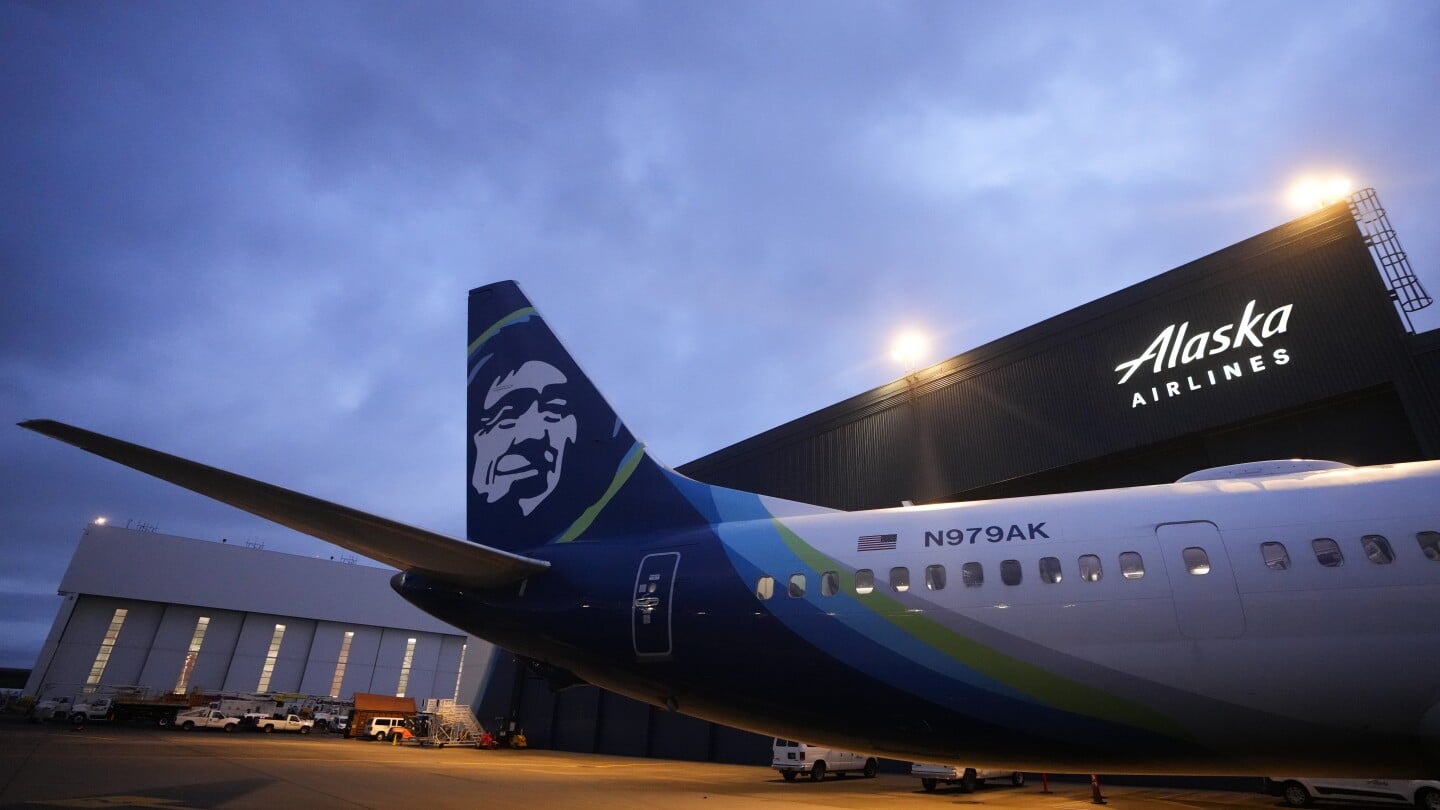
Alaska Airlines has resumed flying its Boeing 737 MAX 9 aircraft after completing inspections following an in-flight cabin blowout earlier this month. The carrier has cleared the MAX 9 for service and has already resumed some operations, with inspections expected to be completed for the entire fleet by the end of next week. Boeing is evaluating employee-submitted ideas for quality improvements as it works to regain the confidence of customers and regulators.
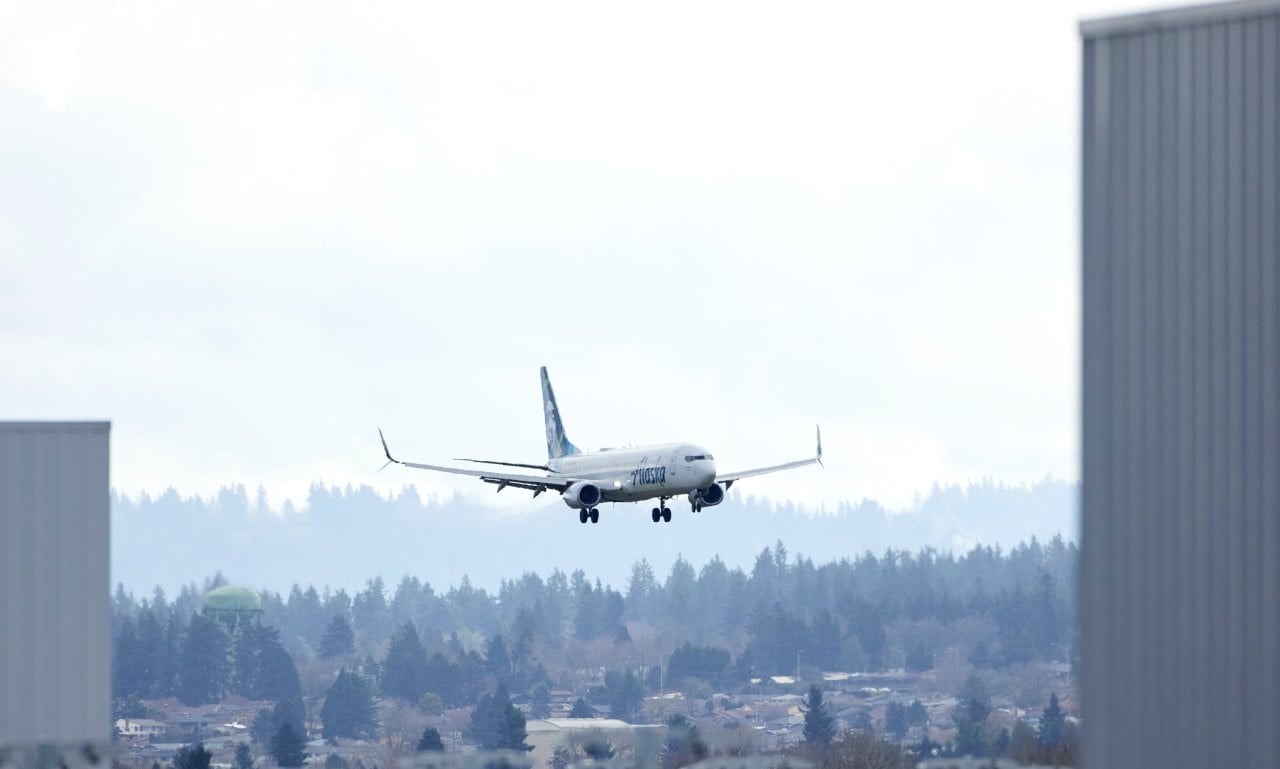
After a previous emergency landing due to a door plug falling off mid-flight, the first Boeing 737 MAX 9 airplane returned to the skies with Alaska Airlines Flight 621 landing safely at Portland International Airport. Passengers expressed calm and confidence in the aircraft's safety, with the FAA allowing flights only after thorough inspections and maintenance. United is scheduled to resume flights on Sunday, and both airlines are accommodating passengers who prefer not to fly on the 737 MAX 9. Federal investigators are still examining the incident, while Alaska Airlines aims to complete fleet inspections by the end of next week.
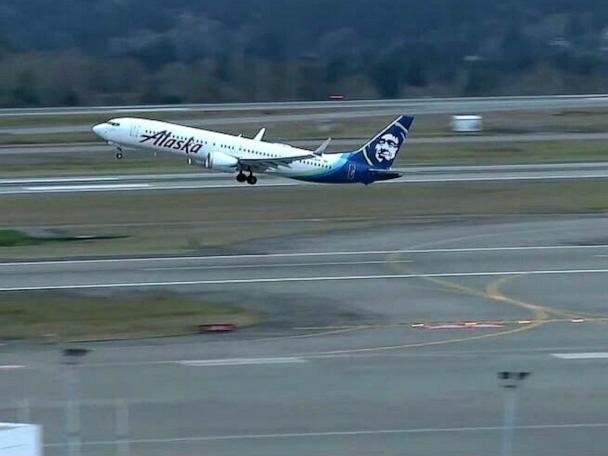
Alaska Airlines resumed flying its Boeing 737 Max 9 planes after inspections following a door plug blowout incident. The first Max 9 flight departed from Seattle to San Diego, with two more flights expected on the same day. The FAA released final instructions for inspections, and Alaska Airlines confirmed that each plane would return to service only after rigorous inspections. The incident is under investigation, and the FAA is increasing oversight over Boeing's production and manufacturing. United Airlines also plans to have the 737 Max 9 back in the air soon, and Alaska's fleet is expected to be fully operational by the first week of February.
Alaska Airlines is set to resume its Boeing 737 Max 9 flights after completing final inspections, with the first flight scheduled from Seattle to San Diego. The FAA approved a detailed inspection and maintenance process for all 171 of Boeing's Max 9s with plug doors to return to flying. Alaska expects to complete inspections of all 65 of its 737 Max 9 planes by the end of next week, with each plane undergoing up to 12 hours of inspection. The FAA is still investigating Boeing's manufacturing practices and production lines, implementing increased oversight and stating that it won't approve any expansion in production until quality control issues are resolved.
The Federal Aviation Administration has approved the Boeing 737 Max 9 to resume flights after an emergency landing incident. United and Alaska are the main U.S. carriers of the 737 Max 9, with plans to reintroduce the aircraft into service soon. Passengers can use booking sites like Kayak to exclude the Max 9 from their search, and airlines are offering flexibility for passengers uncomfortable with flying on this model.