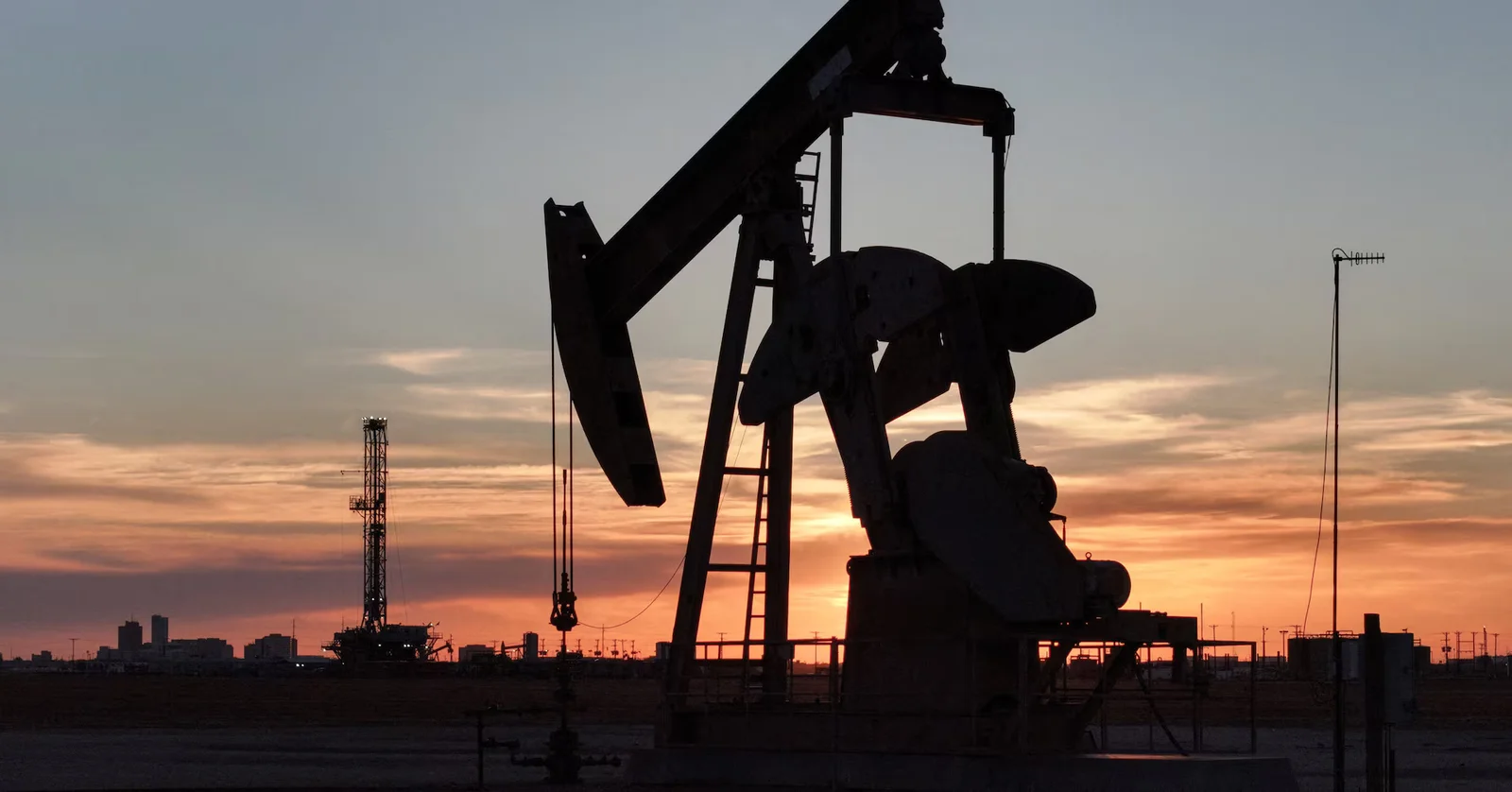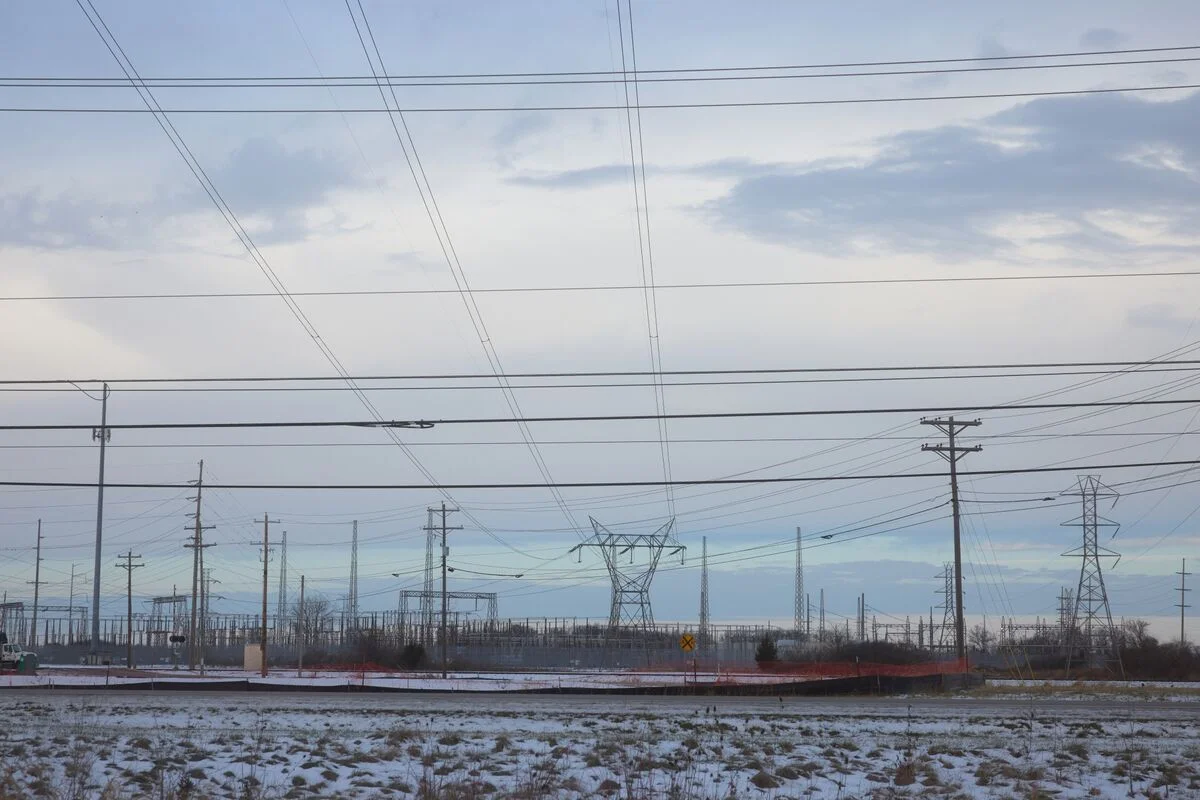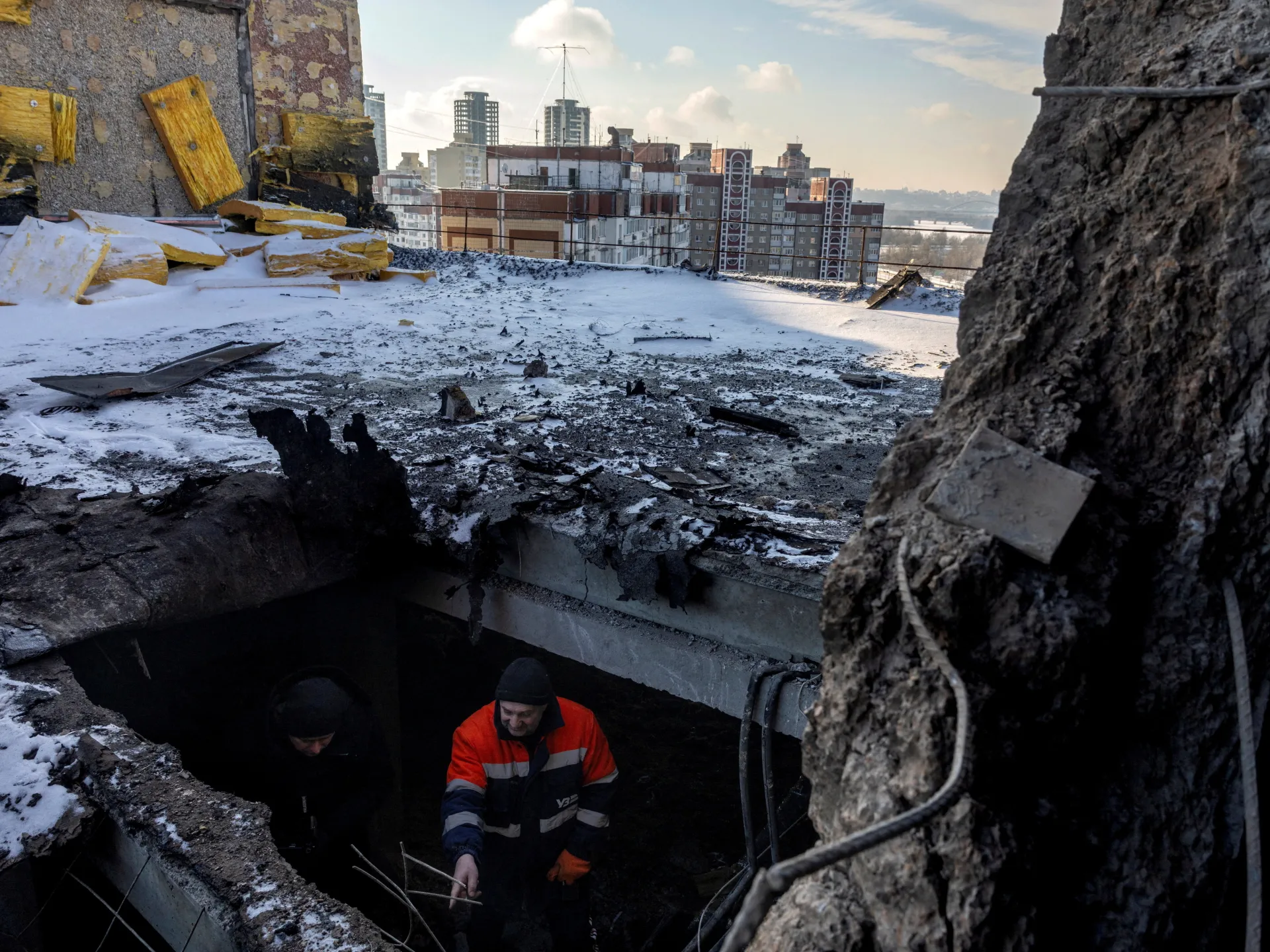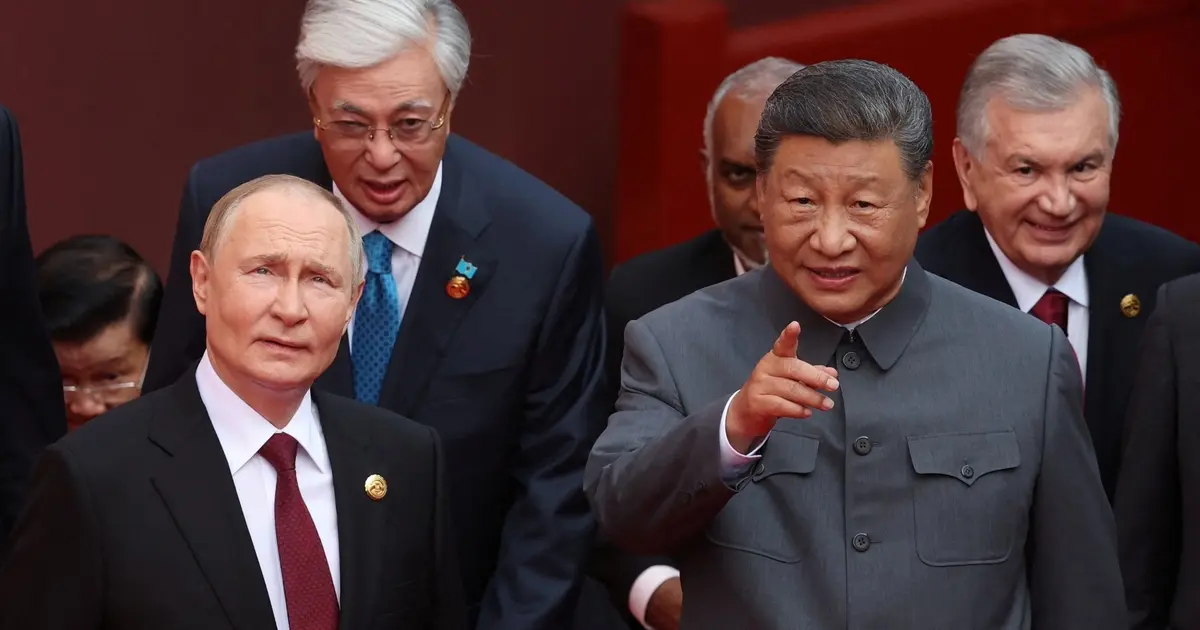
On day 1,417 of the Russia-Ukraine war, Russian forces intensified attacks with artillery and drones causing casualties and damage in Ukraine, while Ukraine retaliated with drone strikes and military actions. Diplomatic tensions escalated with an emergency UN Security Council meeting and statements from Russia and Ukraine, amid ongoing sanctions discussions and energy market shifts involving Russian oil production and exports.
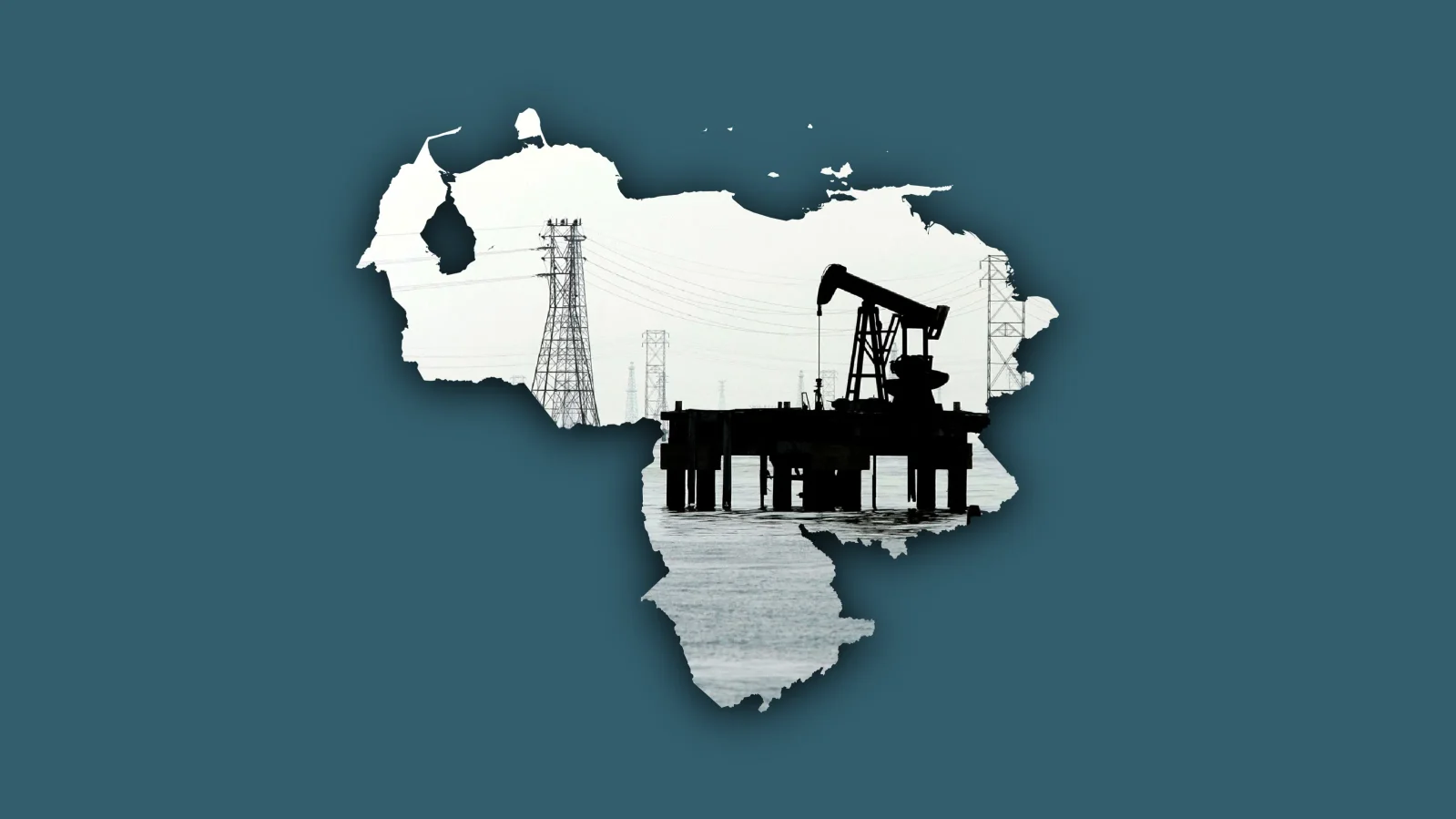
Venezuela, despite having the world's largest oil reserves, has seen a significant decline in production and gold reserves due to mismanagement, sanctions, and economic crisis. Recent US military actions and political changes aim to reopen access for foreign oil companies, potentially impacting global energy markets and regional stability.
The arrest of Nicolás Maduro has raised questions about control over Venezuela's oil industry, which is primarily managed by the state-owned PDVSA, with potential influence from U.S., Russian, and Chinese companies. Political instability and sanctions have severely impacted production and exports, and any regime change could further disrupt the industry. While some companies like Chevron are positioned to benefit from a more pro-U.S. government, the long-term recovery of Venezuela's oil sector faces significant physical and financial challenges.
The article reflects on the unpredictability of oil prices and energy markets, emphasizing the importance of focusing on fundamental long-term factors rather than short-term headlines when making investment decisions, with a look ahead to what might influence oil in 2026.
A new gas agreement between Russia and China has the potential to significantly alter global energy markets by strengthening their energy partnership and possibly shifting supply dynamics worldwide.
Russia and China's new gas pipeline deal signifies a shift in global energy dynamics, challenging US LNG dominance and potentially benefiting China amid the Ukraine conflict, while impacting European and US energy strategies.
The US has imposed heavy tariffs on Indian goods, which may harm both countries economically, but India continues to buy Russian oil, benefiting Russia and complicating US-India relations. The tariffs could backfire, strengthening Russia's position and possibly leading India to deepen ties with US opponents, while the US risks escalating trade conflicts.
Global markets face uncertainty as US pressures on Ukraine increase, with European leaders supporting Ukraine and US-Russia tensions rising over Arctic energy resources, potentially leading to a deep bear market in oil and gas and a rally in defense stocks.
The Israel-Iran conflict caused only a modest 15% increase in Brent oil prices, highlighting the increased efficiency of energy markets, the reduced influence of Middle East politics on global oil prices, and the shift in global oil supply sources away from the Middle East, particularly due to the rise of shale oil in the US and alternative export routes by regional producers.
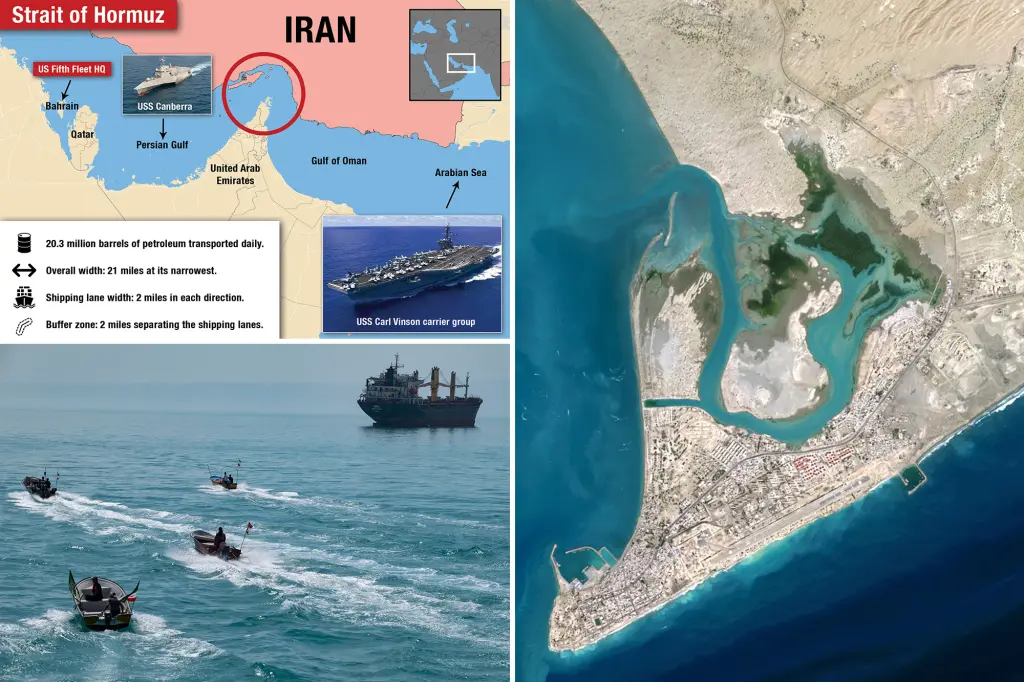
Tensions between the US and Iran following US airstrikes on Iranian nuclear sites are causing cargo ships to avoid the Strait of Hormuz, a critical global oil route, leading to potential disruptions in oil supply and increased market volatility, with some shipping companies halting or delaying transit through the region.
The energy markets are uncertain about Iran's potential response to U.S. strikes, specifically whether Iran will disrupt oil and gas flows through the Strait of Hormuz, which could cause a significant increase in global oil prices and economic repercussions for Iran.
Oil prices are expected to rise following the US bombing of Iran’s nuclear facilities, increasing geopolitical tensions and the risk of Iran retaliating by attacking energy infrastructure or shipping in the Strait of Hormuz, which could cause significant disruptions in global oil markets.
Oil prices surged over 4% amid fears of broader conflict involving Israel, Iran, and possibly the US, as tensions escalate with Israel bombing Iranian facilities and US rhetoric against Iran intensifying, leading to declines in US stocks and concerns over global energy supply disruptions.
Oil prices surged over 10% following Israel's attack on Iran's facilities, triggering market fears of escalation and regional conflict, which could disrupt global energy supplies, increase shipping costs, and threaten economic stability worldwide.
Israel's military strikes against Iran caused a surge in oil prices and a decline in global stock markets due to fears of a broader Mideast conflict disrupting energy supplies and increasing inflation risks.