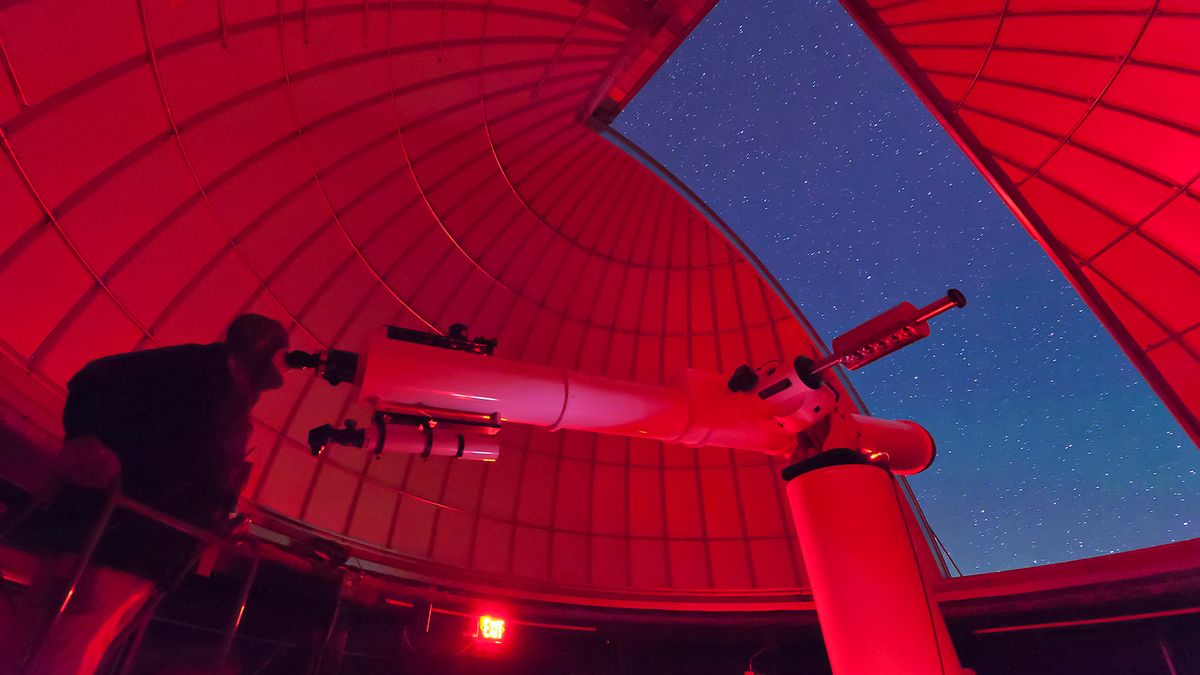
March marks the arrival of spring with the vernal equinox on March 19, when the sun crosses the celestial equator into the northern hemisphere. The night sky features the last quarter moon on March 3, the new moon on March 10, and the full Worm Moon on March 25. Daylight saving time begins on March 10, and planet watchers can spot Jupiter in the evening sky and Mercury low in the western horizon later in the month. Various observatories in the D.C. area offer opportunities for public stargazing and telescope tours throughout March.
The April 8 total solar eclipse will be visible from North America, with the path of totality stretching from Mexico to Canada. Several observatories, including Loftis Observatory, Curtis Vaughan Jr. Observatory, Adirondack Sky Center & Observatory, and Mont-Mégantic Observatory, are within the path of totality and have events planned for the eclipse. It's important to use proper safety equipment, such as eclipse glasses, to view the eclipse directly and there are also safe ways to watch it indirectly.
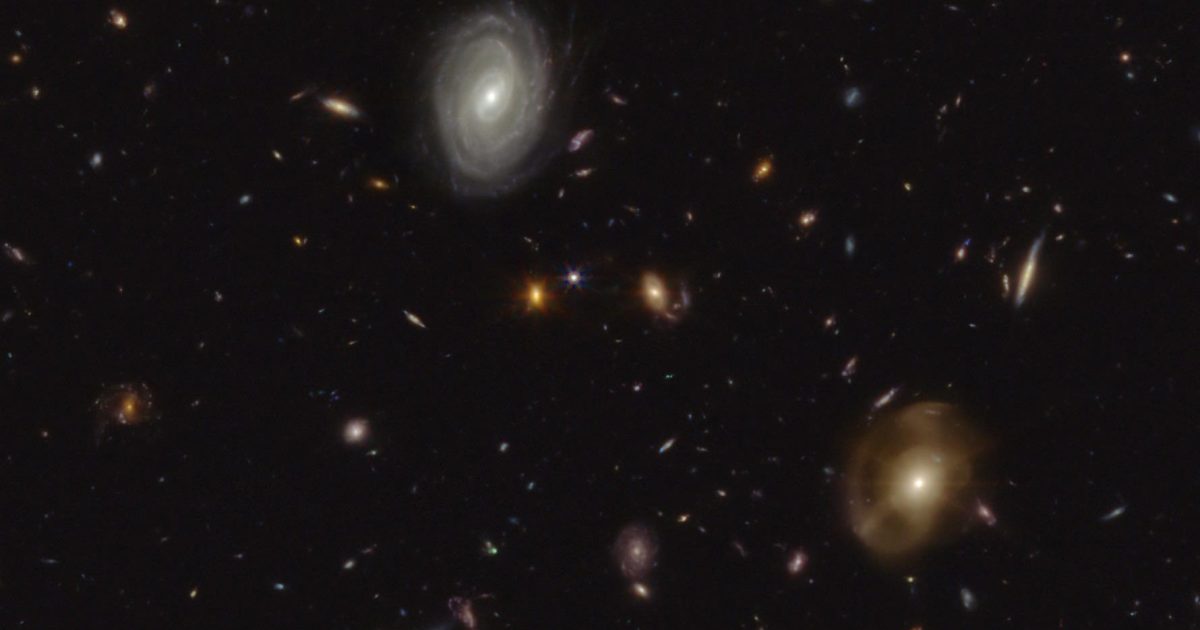
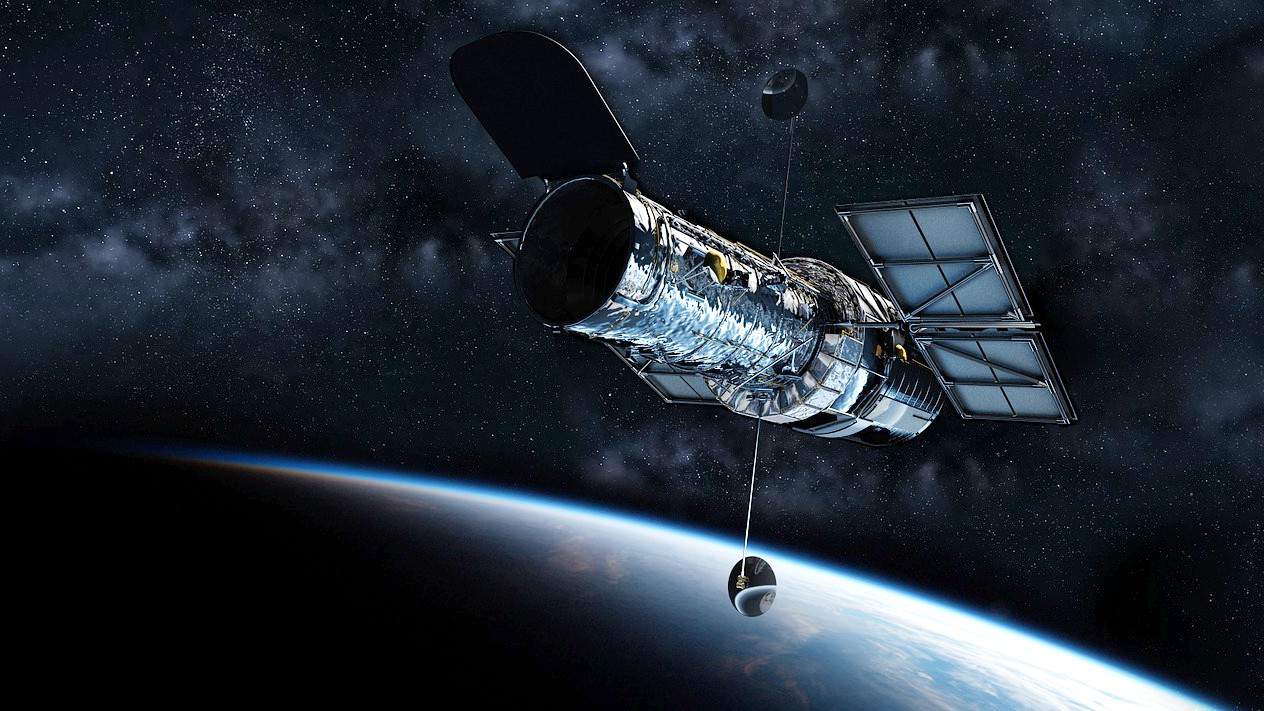
The James Webb Space Telescope (JWST) has surpassed the Hubble Space Telescope in discovering the most distant objects in the universe. Previously, Hubble held the record, but with better data from JWST, the most distant galaxy known, GN-z11, has fallen to 9th place. JWST has identified a total of 717 ultra-distant galaxy candidates, revealing gaseous features and deeper galaxies that were previously invisible to Hubble. The JADES collaboration has played a significant role in these discoveries. JWST's larger size, better resolution, and infrared optimization have provided superior observations, leading to the identification of three new galaxies that now hold the top spots. However, definitive spectroscopic confirmation is required to determine the distance of these galaxies.
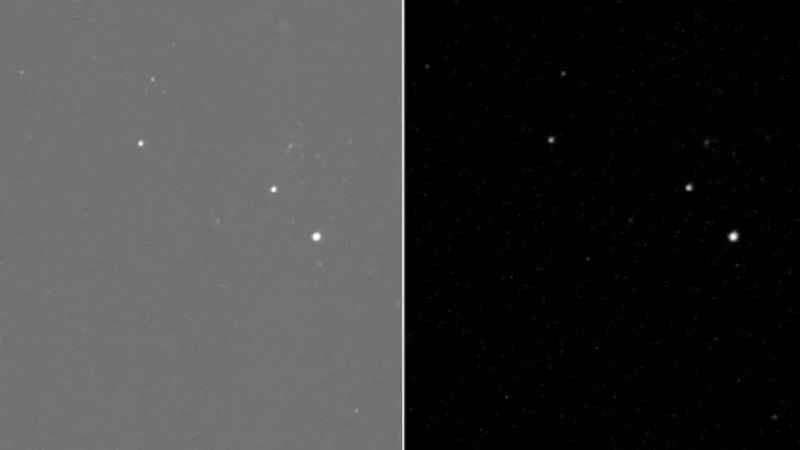
StealthTransit has developed a solution called DarkSkyProtector to combat the issue of light pollution affecting astronomical observations. By implementing LED lights that blink imperceptibly, synchronized with a GPS receiver, telescopes can capture images when the lights are turned off. While it may be challenging to have widespread adoption of astronomy-safe lighting, universities and observatories could potentially install such systems to protect night viewing. The technology has undergone successful testing with a 24-inch telescope in the Caucasus mountains.
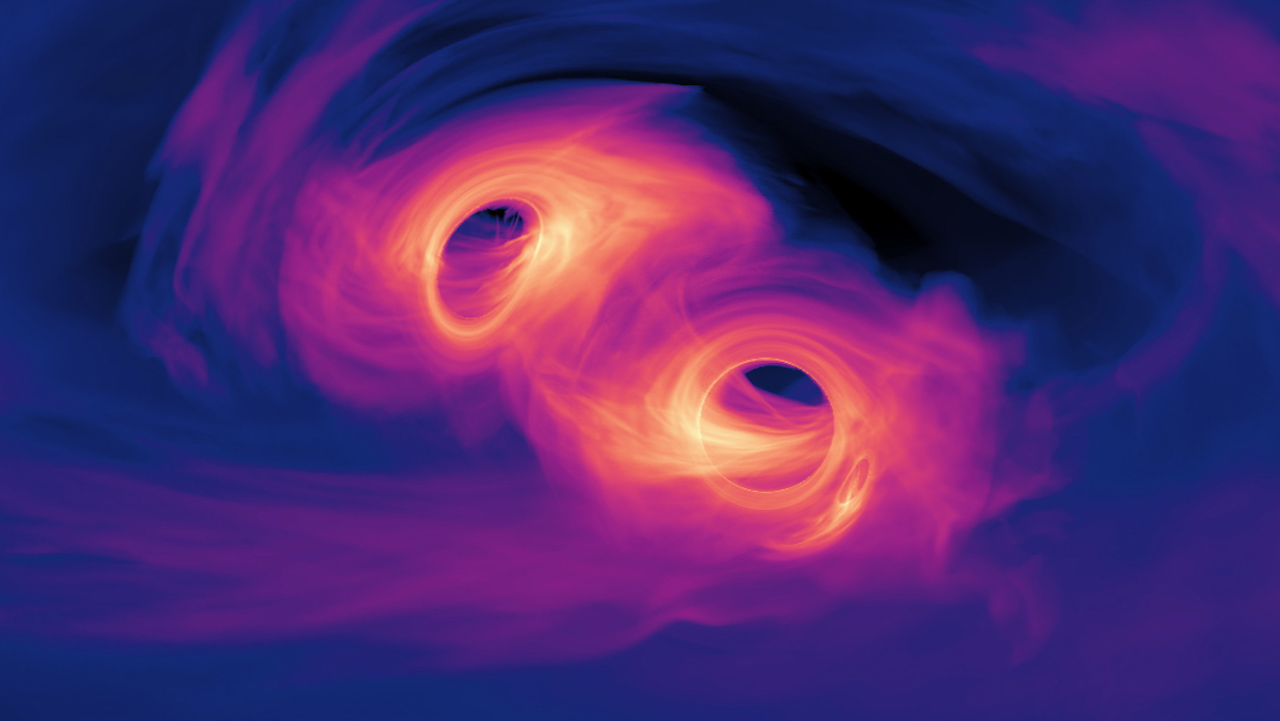
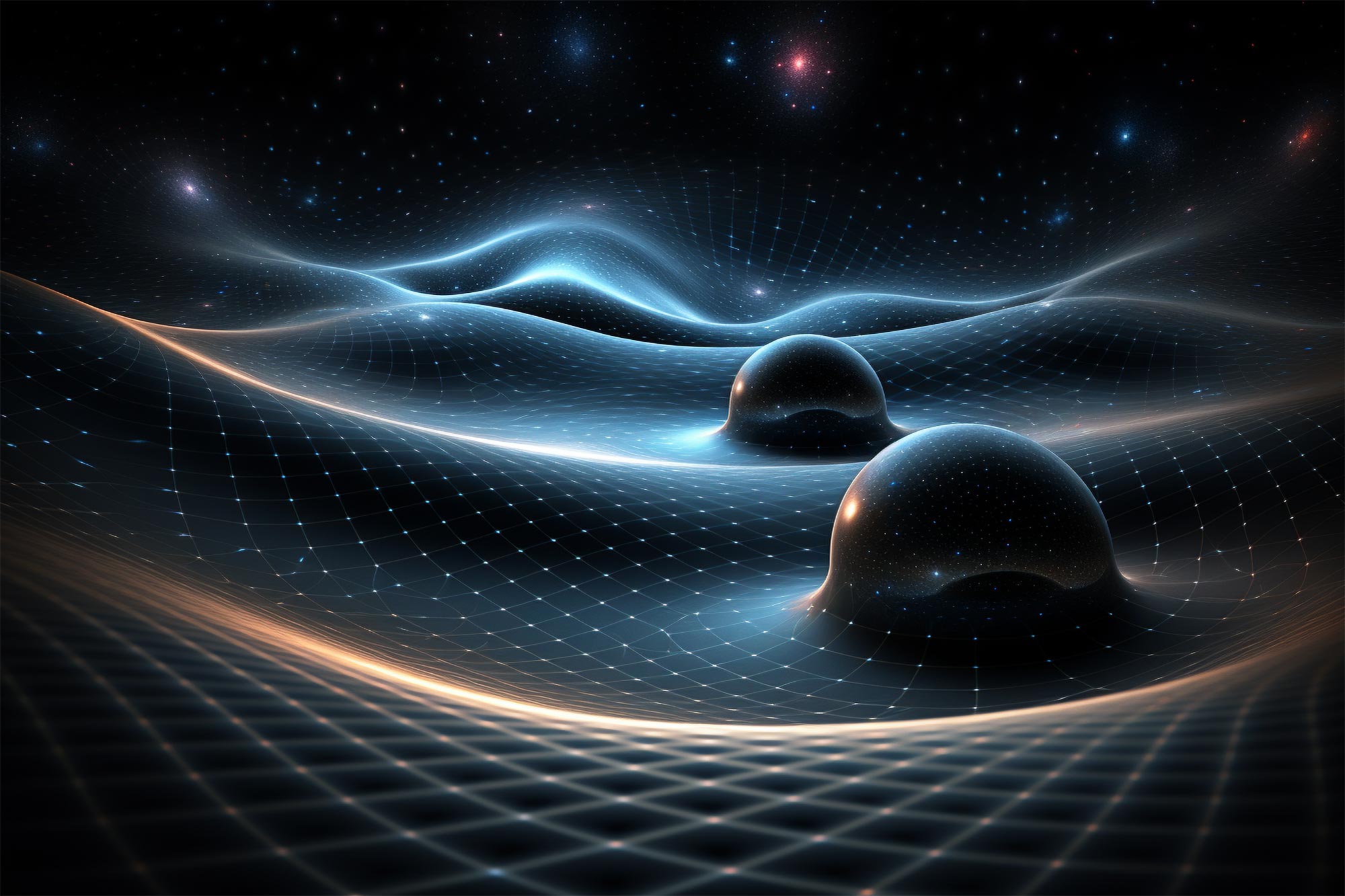
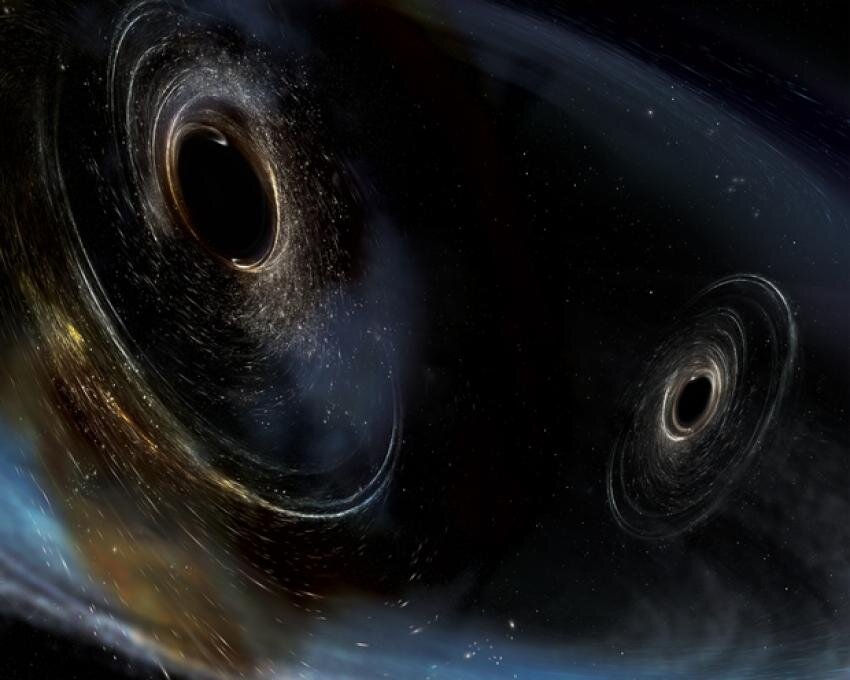
The next generation of gravitational wave (GW) observatories, such as the Einstein Telescope and the Cosmic Explorer, could detect mergers of intermediate mass black holes, which have masses between 100 and one million solar masses. These observatories would expand our understanding of black holes and their role in the formation of supermassive black holes at the center of galaxies. Detecting these mergers would also help narrow uncertainties about the pair-instability mass-gap and shed light on the origin and evolution of black hole populations across cosmic epochs.
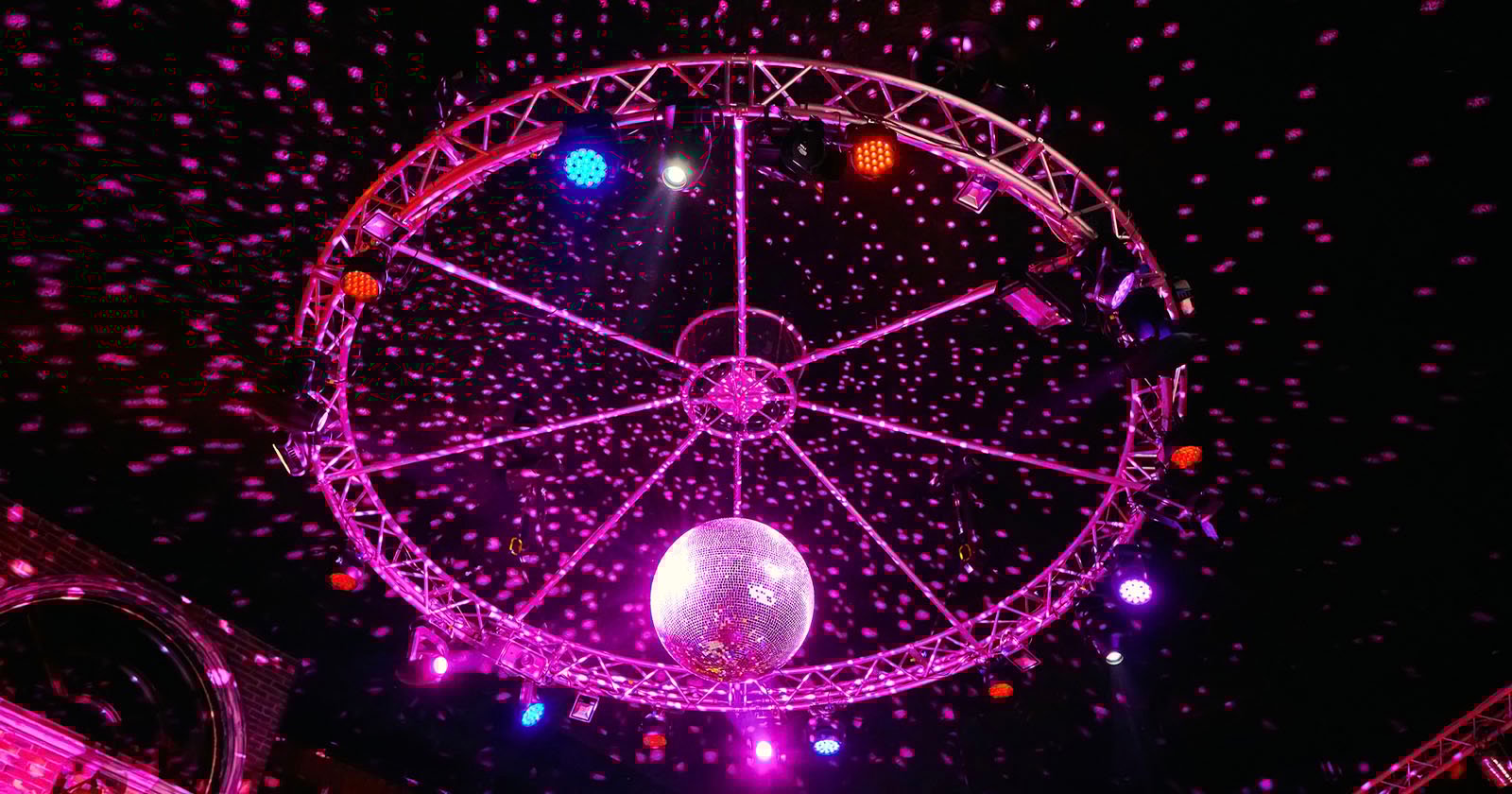
Astronomers are advocating for the installation of disco balls in observatories and scientific facilities as a fun and accessible way to observe the Sun. Disco balls, made up of pinhead mirrors, can project bright solar images across a room, allowing for safe observation by larger or socially distanced groups. The researchers argue that disco balls have been overlooked as a solar projection tool and are a cheap and readily available alternative. They also highlight the disco ball's associations with concerts and parties, making them interesting objects for demonstrating physics to schoolchildren and the general public.
The Jiangmen Underground Neutrino Observatory (JUNO) aims to detect neutrino events in near real-time, providing an early warning system for core-collapse supernovae. By localizing the neutrino source quickly, other observatories can focus on the region of the sky to observe the supernova as it occurs. JUNO's design allows for the detection of neutrinos from a core collapse up to a million light-years away and even the fainter burst of neutrinos in the pre-supernova stage up to 3,000 light-years away. JUNO is expected to be operational by the end of this year.
Scientists have proposed the idea of building a hypertelescope on the Moon, utilizing the lunar terrain to create a basic optical telescope. The hypertelescope would consist of a mirror array arranged along the terrain of a crater, with the detector cluster suspended by a cable. This concept offers a simpler alternative to other proposed lunar telescopes, which would require complex construction. While there are challenges to overcome, such as dust accumulation and seismic activity, the idea of a lunar observatory is seen as inevitable as humans continue to explore the Moon.
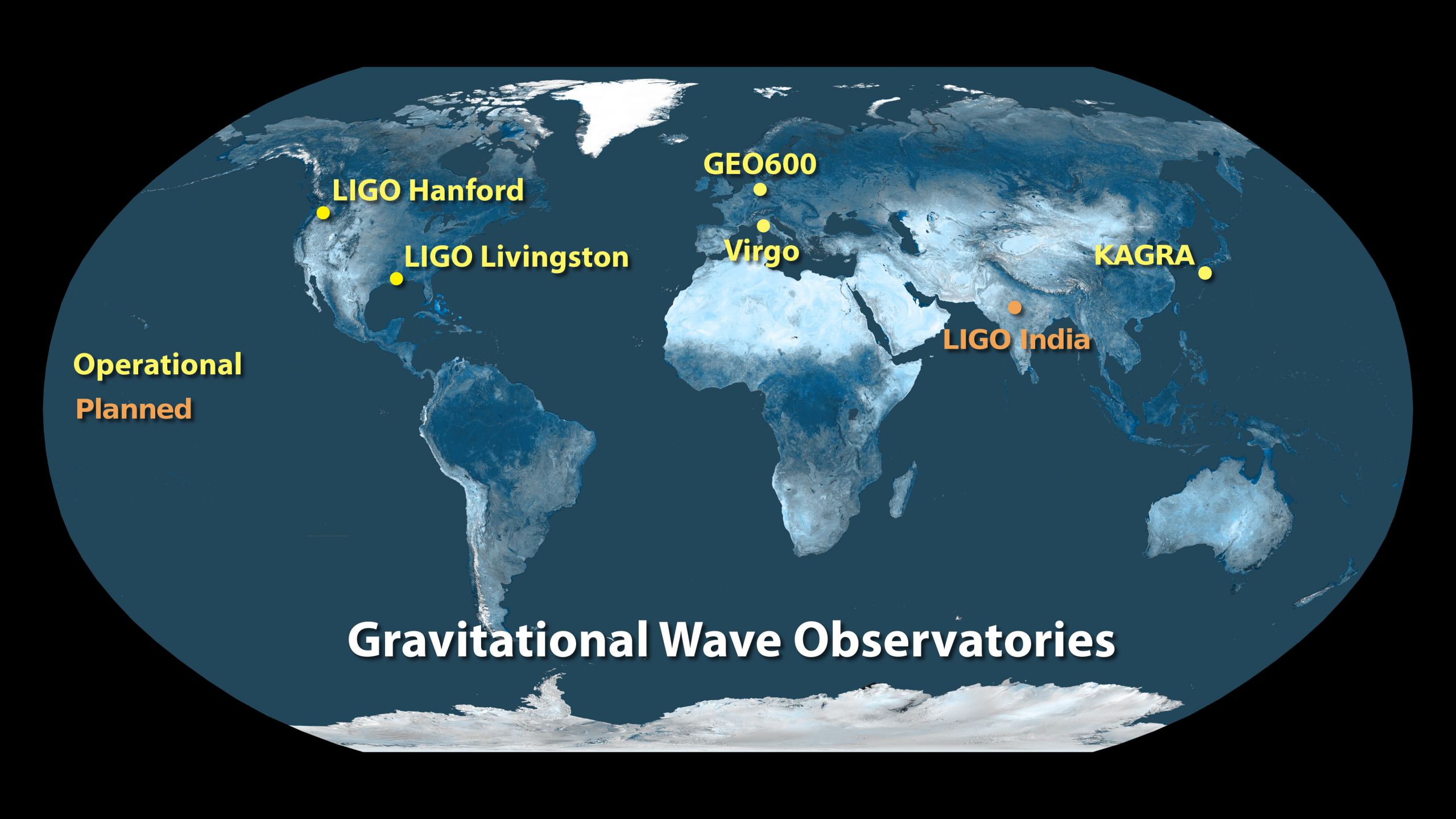
A recent study highlights the need for a gravitational wave observatory in the Southern Hemisphere, as all active observatories are currently located in the Northern Hemisphere. Building a gravitational wave observatory in the Southern Hemisphere would not only broaden global participation but also provide significantly more observational data, especially considering the dense central region of our galaxy is in the Southern sky. Adding an Australian detector to the existing LIGO and Virgo detectors would double the number of detected events, allowing for triangulation and multi-messenger astronomy. Future advanced detectors with longer arms would further enhance detection capabilities, and having an observatory in Australia would provide a significant advantage in maintaining a consistent detection rate.
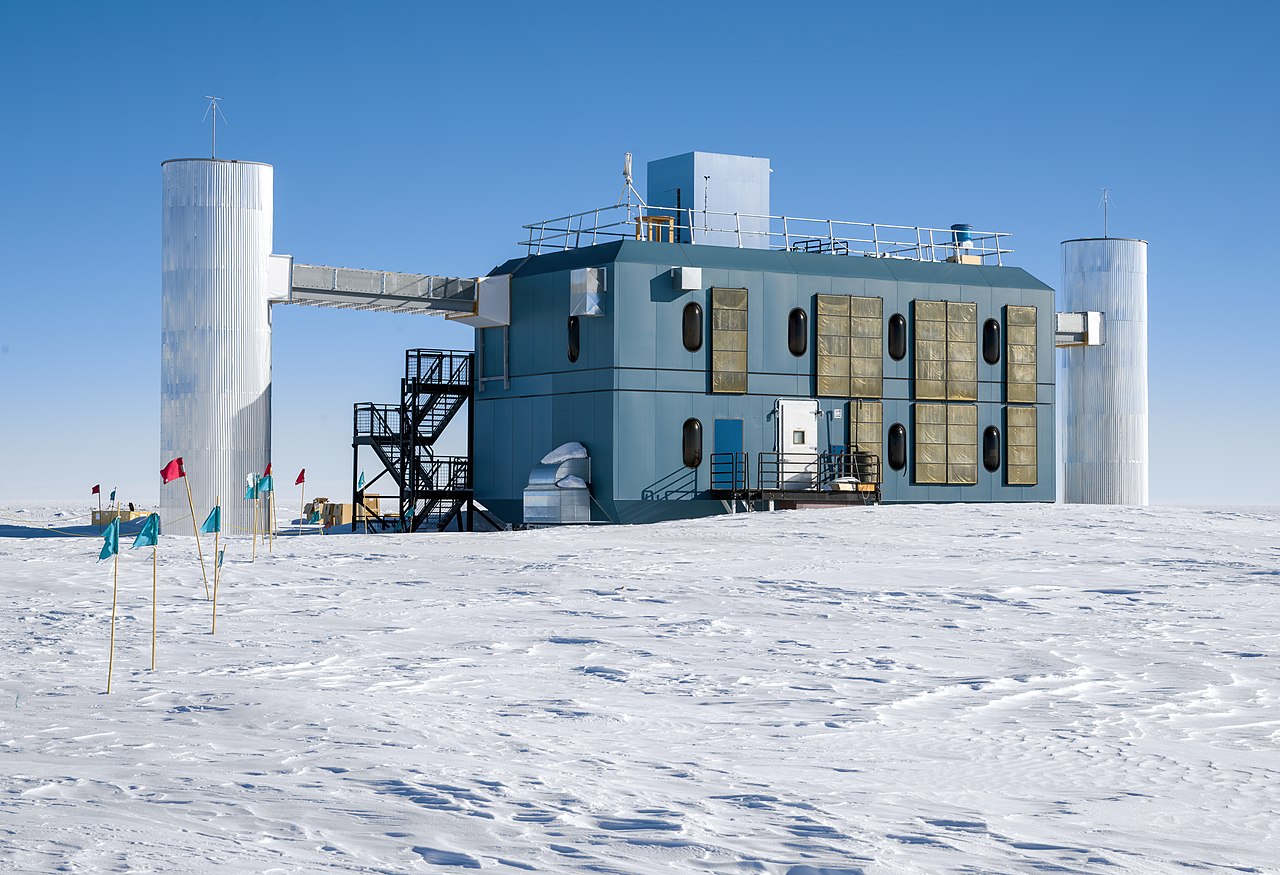
IceCube-Gen2, the next generation neutrino detector, is set to be 5 times more sensitive and 8 times larger than its predecessor, IceCube. With an upgraded facility and an expanded radio antenna array, IceCube-Gen2 aims to increase the number of neutrino detections by an order of magnitude and better pinpoint the sources of these elusive particles. The observatory will play a crucial role in multi-messenger astronomy, allowing scientists to study the universe through various observational techniques, including neutrino emissions. IceCube-Gen2 is expected to be operational by 2033 and will provide a more complete understanding of the high-energy universe.
National Science Foundation (NSF) telescopes, including the Gemini North and South telescopes, have been targeted by a mysterious cyber attack since August, disrupting international astronomy efforts. The attacks have caused the shutdown of operations, disconnecting telescopes in Hawaii and Chile and preventing researchers from conducting important observations. The incident has impacted international projects, doctoral theses, and ongoing research, highlighting the challenges faced by the astronomical community. Cybersecurity experts are puzzled by the motive behind the attack, and efforts are being made to enhance security measures for telescopes across research facilities.
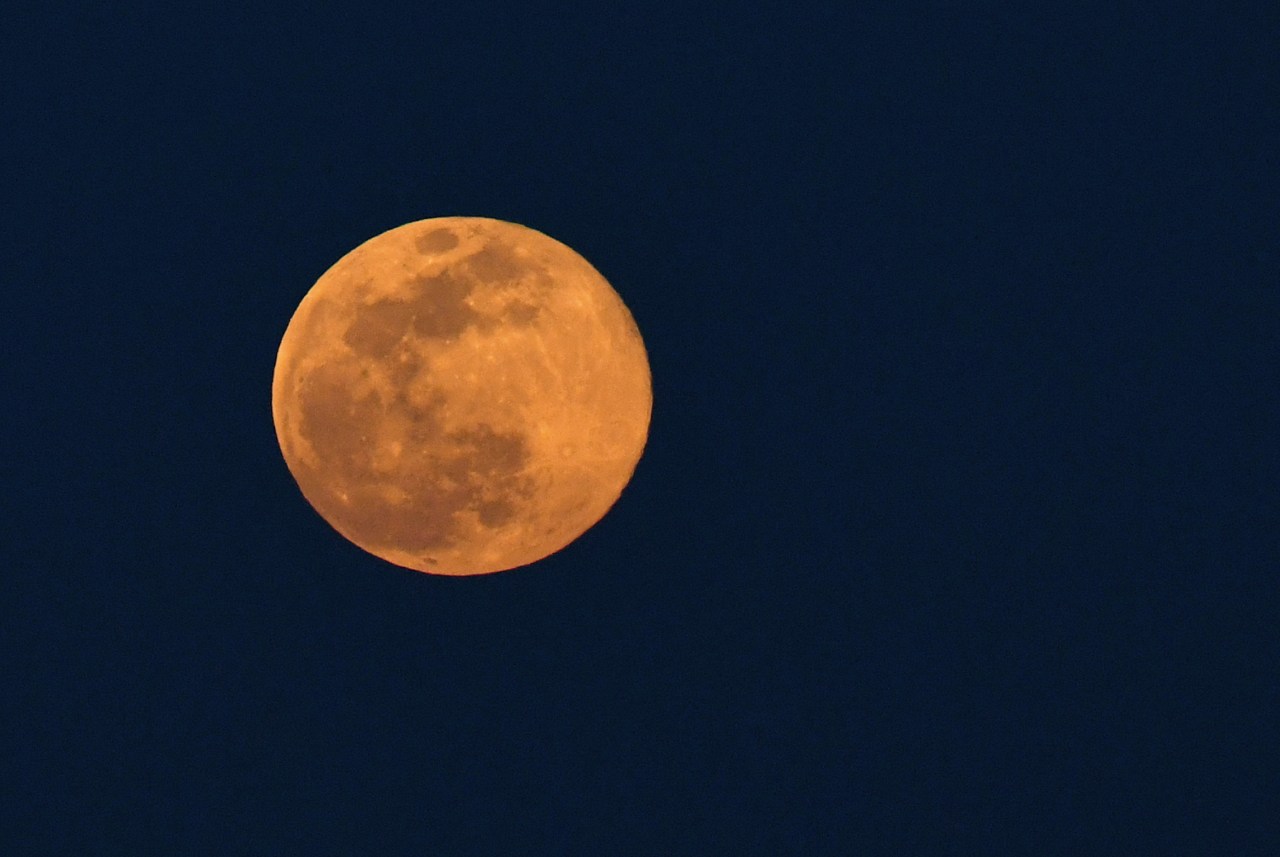
Denver residents have several prime stargazing spots to catch the best view of the supermoon, with recommendations including Cheesman Park, Observatory Park (open on Tuesdays), Lookout Mountain Road, Red Rocks Park (despite a show at 7 p.m.), and local rooftops such as Avanti, 54thirty Rooftop, and El Five. Another chance to see the supermoon will occur on August 30th.
Computer simulations presented at the 2023 National Astronomy Meeting suggest that observing gravitational waves from merging black holes could provide insights into the nature of dark matter. The simulations show that counting the number of black-hole merger events detected by next-generation observatories could indicate whether dark matter interacts with other particles. This research offers a new approach to explore the large-scale structure of the Universe and better understand the mysterious nature of dark matter.
Cosmologists have used computer simulations to study the production of gravitational wave signals in different simulated universes with dark matter. Their findings suggest that counting the number of black-hole merging events detected by future observatories could reveal whether dark matter interacts with other particles. This indirect measure could provide insights into the nature of dark matter and help explore the large-scale structure of the universe.
Astronomers have discovered a supermassive black hole in the heart of an ancient galaxy that is causing stellar remnants and stars to collide, resulting in massive explosions visible across billions of light-years. The event, known as GRB 191019A, revealed a new pathway for stars to meet their demise and provided insights into how stars die and the creation of gravitational waves. This discovery highlights the importance of collaborative efforts between observatories to study gamma-ray bursts and uncover their true nature in even the most obscured environments.