Sixteen states sued the Trump administration to block $1.4 billion in NSF funding cuts, arguing that these reductions violate laws and threaten U.S. leadership in science and diversity efforts in STEM fields, with over 1,700 grants canceled and significant financial impacts on research institutions.
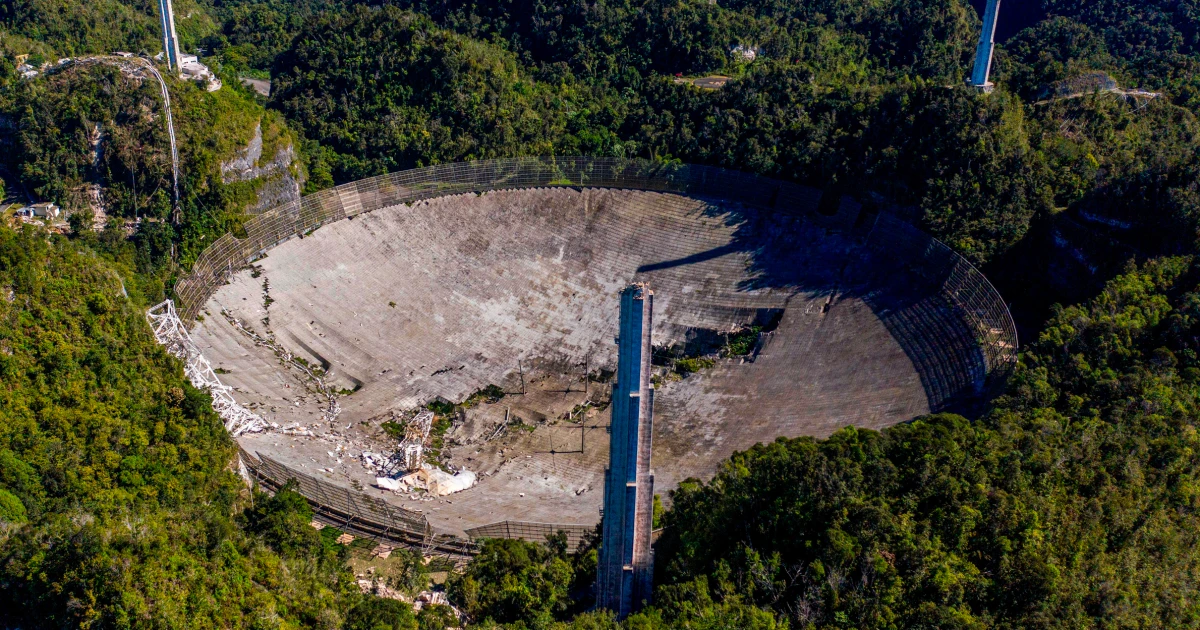
A report by the National Academies of Sciences, Engineering, and Medicine has identified "zinc creep" as the cause of the Arecibo Observatory's radio telescope collapse in Puerto Rico. The zinc-filled sockets supporting the steel cables failed, leading to the platform's fall. The report suggests low-current electroplasticity may have accelerated the zinc's deformation. Recommendations include further study of the remaining components and better monitoring of aging facilities. The telescope, once a key research tool, will not be rebuilt, but a $5 million education center is planned for the site.
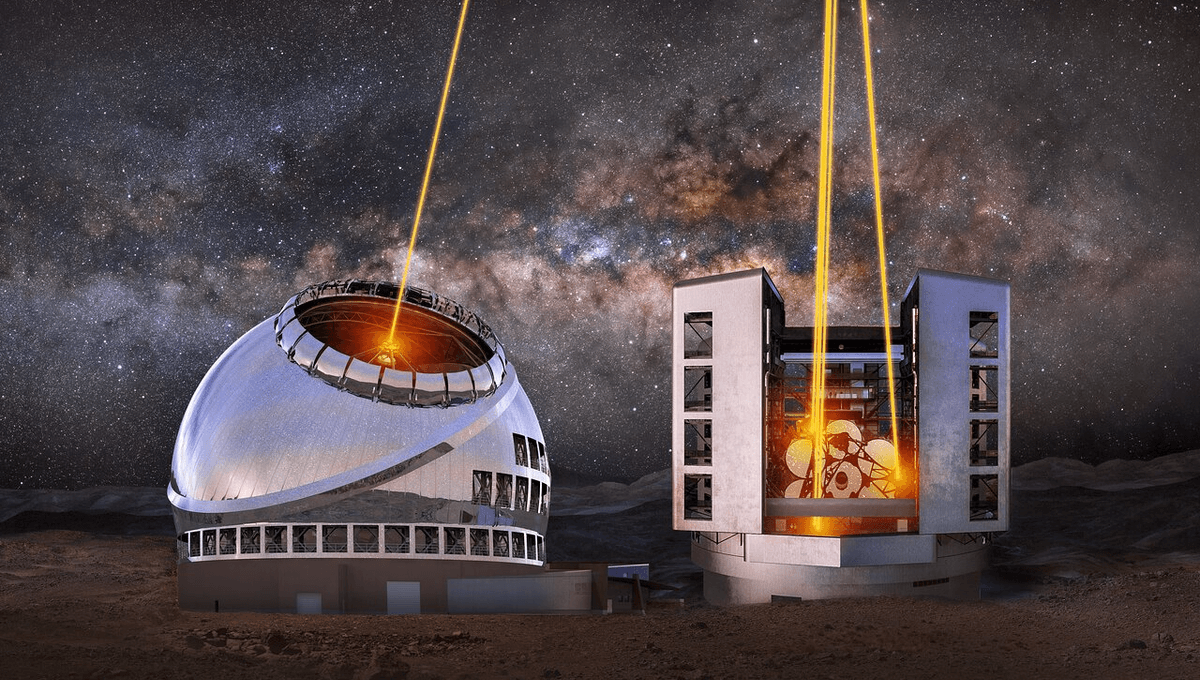
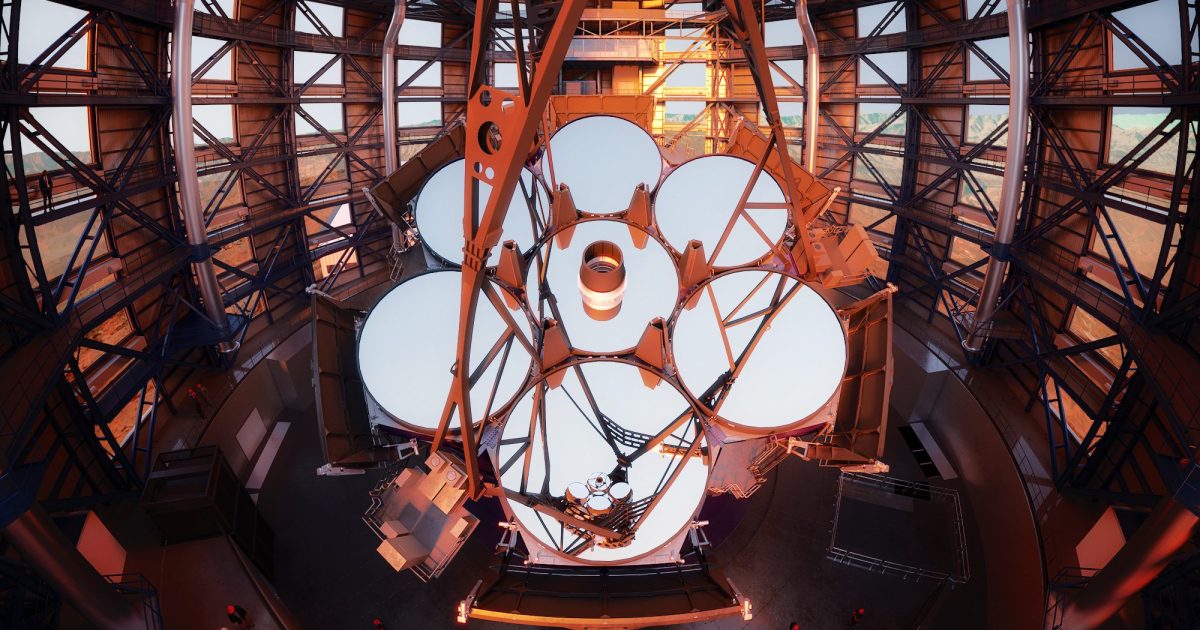
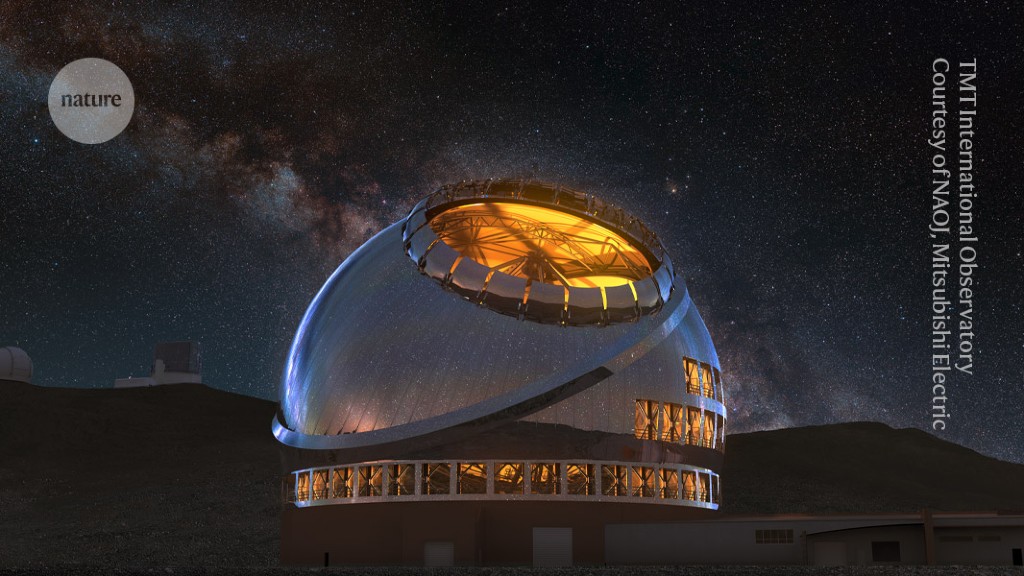
The National Science Foundation (NSF) is facing a budget cap that may force it to choose between funding the construction of either the Giant Magellan Telescope (GMT) or the Thirty Meter Telescope (TMT), both American-led projects. The proposed cap is less than the projected cost of either telescope, potentially jeopardizing one of the projects. The decision could impact the global coverage of astronomical observations, as each telescope has been designed to complement the other in different hemispheres. The NSF's decision will have significant implications for the future of ground-based astronomy and the pursuit of scientific knowledge.
The National Science Board has recommended that the United States commit $1.6 billion to build an "extremely large telescope," but the decision on which of the two competing proposals, the Giant Magellan Telescope in Chile or the Thirty Meter Telescope in Hawaii, remains uncertain. With each telescope expected to cost over $3 billion, funding even one would consume most of the National Science Foundation's typical construction budget, prompting consideration of broader priorities and potential impact on other disciplines.
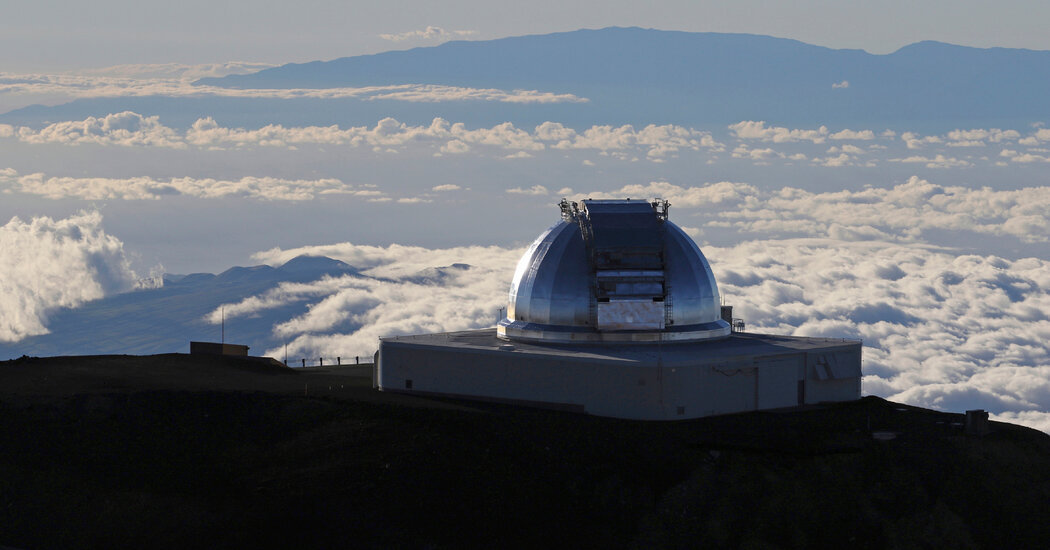
The future of US astronomy has been compromised as the National Science Foundation has decided to only contribute to the construction of one extremely large telescope instead of two, despite the recommendations of the National Academies of Sciences in the Astro2020 decadal report. Ground-based telescopes are crucial for various reasons, including their versatility, maintenance, and upgradeability. The decision to limit funding for ground-based facilities could hinder the US's leadership in astronomy and astrophysics, and impact the nation's ability to make groundbreaking discoveries about the Universe.
The US National Science Board has recommended capping the National Science Foundation's contributions to giant telescope projects at $1.6 billion, potentially forcing the agency to choose between funding the Giant Magellan Telescope in Chile or the Thirty Meter Telescope in Hawaii due to a funding shortfall. The decision could impact US astronomers' access to these telescopes and their ability to conduct groundbreaking astronomical research, with implications for US leadership in astronomy.
The Biden-Harris Administration has announced the recipients of over $530 million in investment through the U.S. National Science Foundation's Regional Innovation Engines program, aiming to boost economic growth and innovation in 10 U.S. regions over the next decade. These investments will focus on various sectors such as semiconductor manufacturing, clean energy, sustainable textiles, climate-resilient agriculture, regenerative medicine, and more. The program, authorized by the bipartisan CHIPS and Science Act, aims to stimulate economic growth and create job opportunities across communities, aligning with President Biden's economic vision. Additionally, the NSF is inviting 15 other teams to pursue NSF Regional Innovation Engine Development Awards, further diversifying and expanding the program's impact across the country.
The National Science Foundation and 10 other government agencies are teaming up with major AI developers to launch the National Artificial Intelligence Research Resource (NAIRR) pilot program, which aims to democratize access to AI research resources for US-based researchers. Partners such as Microsoft and Nvidia have pledged support, with Microsoft donating $20 million in Azure credits and access to AI models, and Nvidia providing access to its DGX Cloud and AI Enterprise software. The program will focus on enabling access to diverse AI resources, research in healthcare and environmental sustainability, and educating and training communities in using AI tools.
The National Science Foundation (NSF) has partnered with major tech companies and federal agencies to launch the National Artificial Intelligence Research Resource (NAIRR) pilot program, aimed at providing researchers and educators with access to high-powered AI technologies. The program, born out of President Biden’s AI executive order, will serve as a framework for advancing AI technologies and ensuring the US remains a leader in AI research and innovation. Participating companies and agencies include Nvidia, Microsoft, Google, Amazon, IBM, DARPA, NASA, and others, who are making in-kind contributions to provide access to their AI services and resources.
The Director of the US National Science Foundation (NSF), Sethuraman Panchanathan, and Representative Tony Gonzales of Texas argue that US involvement in Antarctic research is crucial for scientific advancement, engineering breakthroughs, educational opportunities, and national security. They emphasize the geopolitical significance of Antarctica and the need for continued investment in research infrastructure to maintain a technological and innovative edge. The unique conditions in Antarctica support a wide range of research, including astronomical studies, geophysics, glaciology, and ocean systems. Additionally, they highlight the importance of providing diverse students with hands-on learning opportunities in STEM fields to solve complex global challenges.
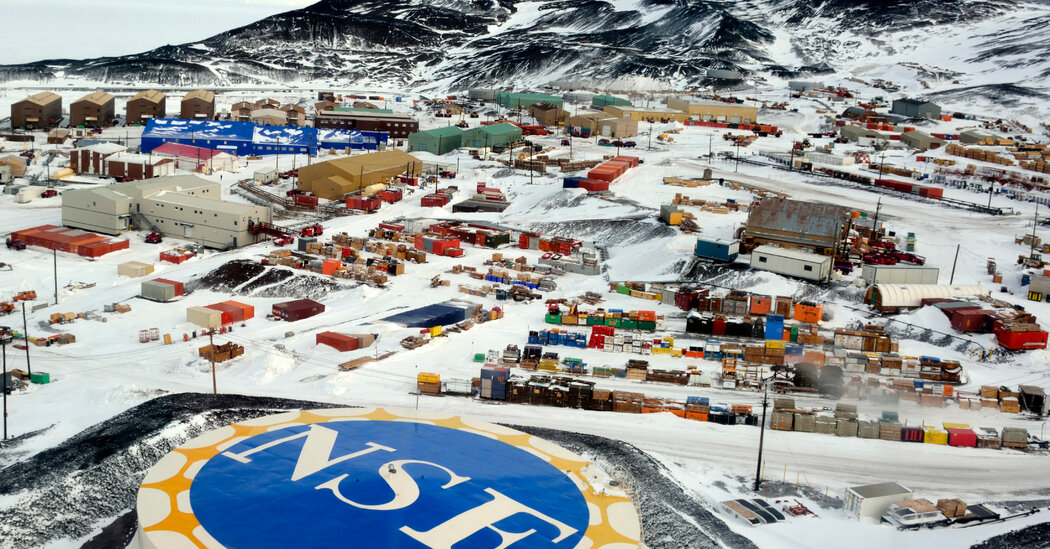
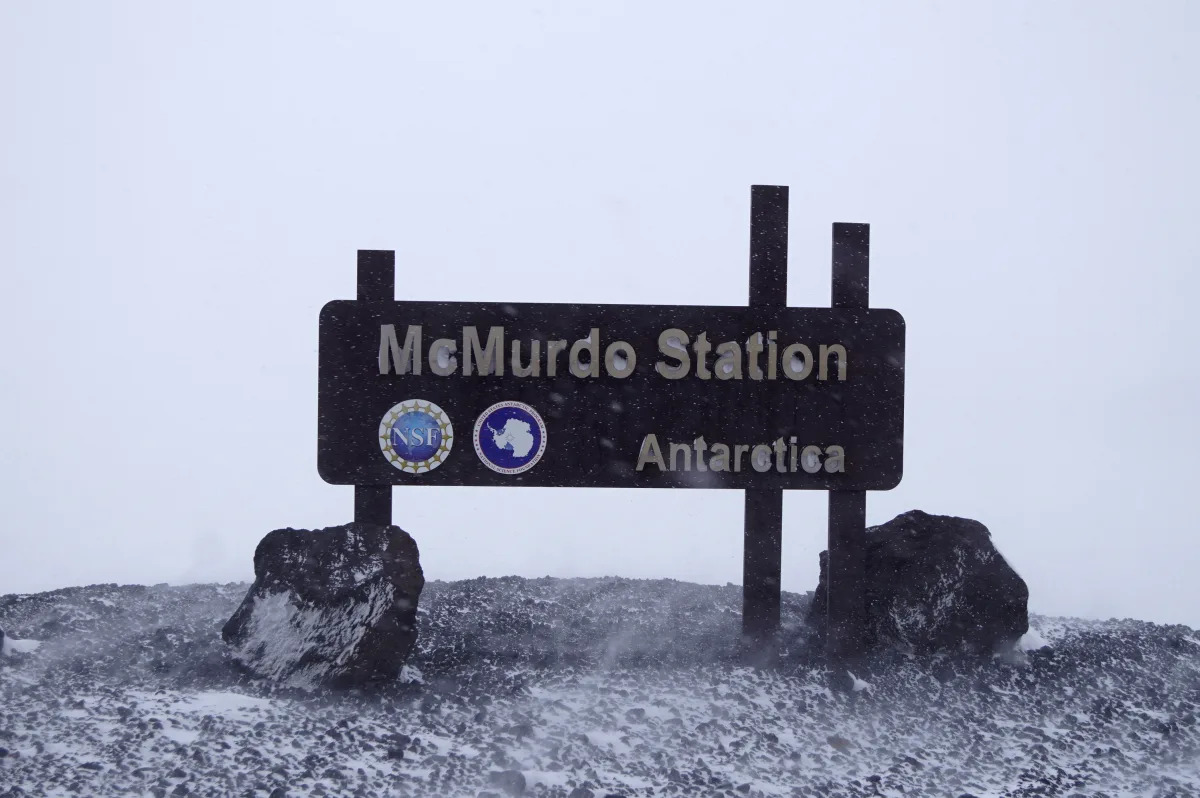
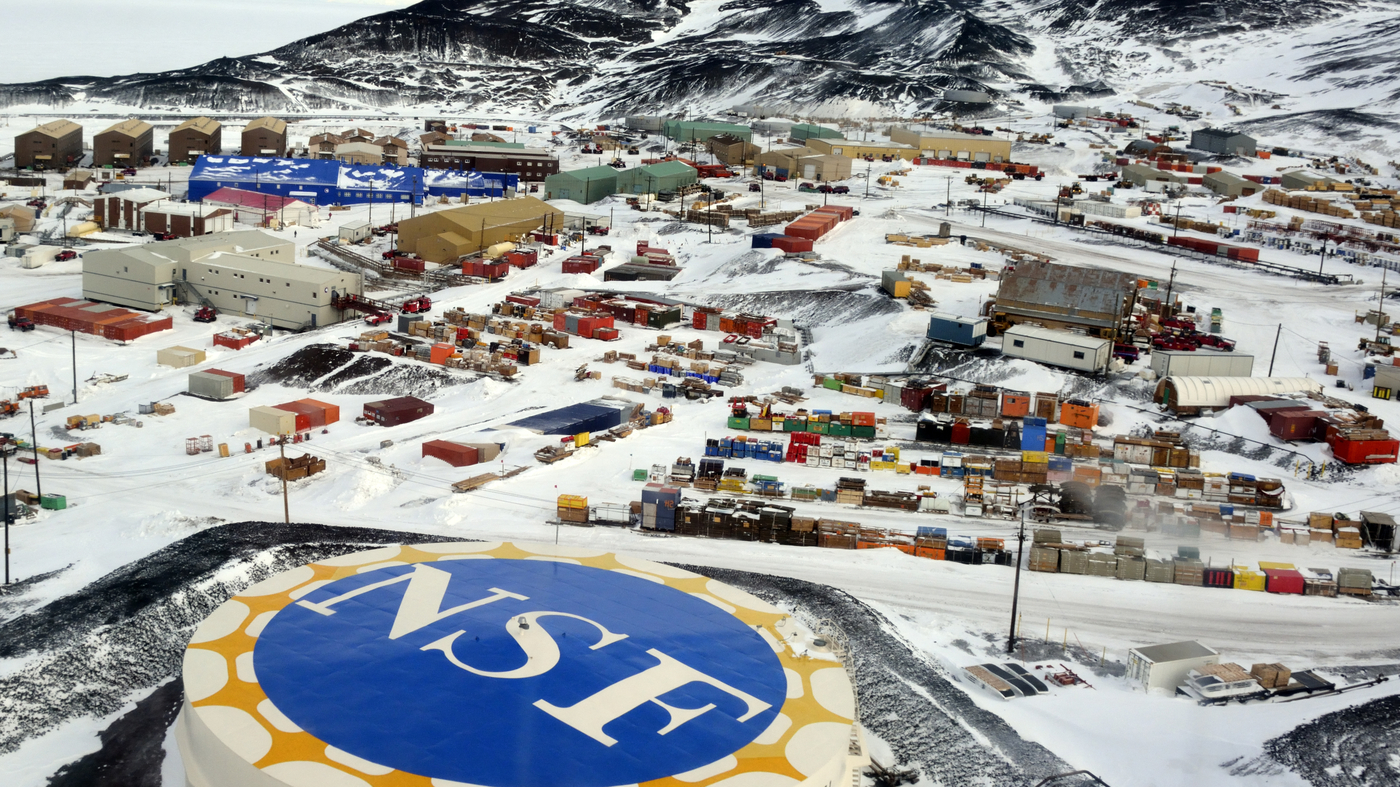
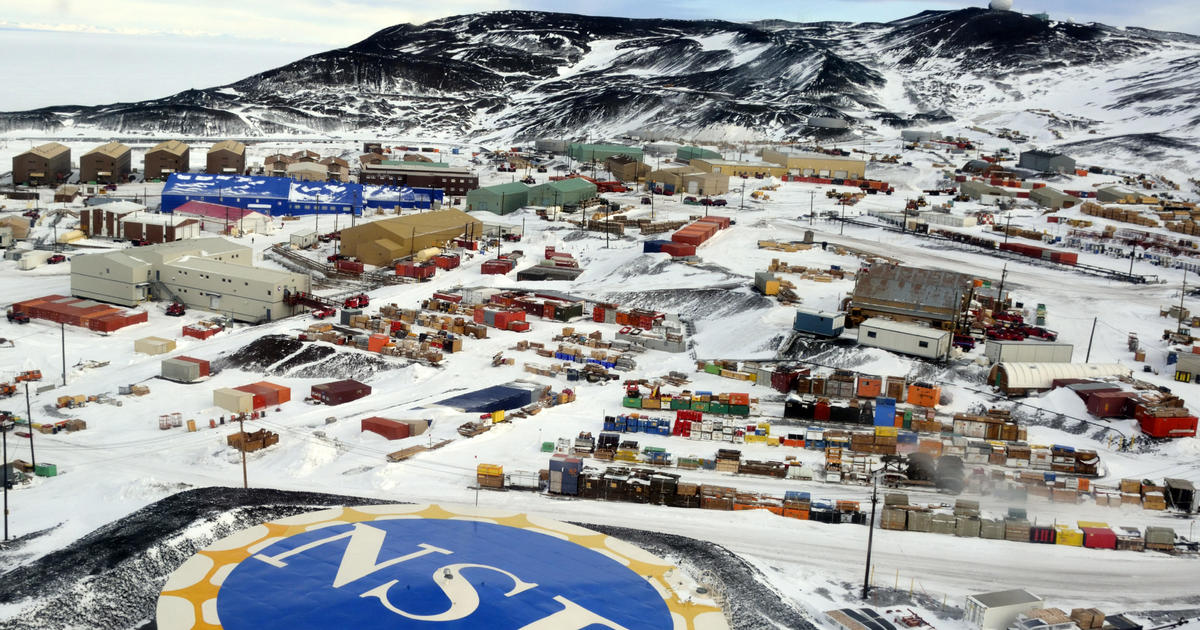
The National Science Foundation's Office of Inspector General is sending investigators to McMurdo Station in Antarctica after a report last year revealed concerns about sexual assault and harassment at the U.S. research base. The investigators will spend two weeks at the station to prepare for a future on-site presence and meet with staff. The report, based on interviews, surveys, and focus groups, highlighted issues of sexual misconduct within the Antarctic program. McMurdo Station is the main U.S. station in Antarctica and conducts research on various topics including glaciers, wildlife, and climate change.
Documents obtained by The Associated Press reveal that a man accused of assaulting a woman at a U.S. research station in Antarctica was subsequently sent to a remote icefield to protect a professor and three young graduate students, where he remained for a week after a warrant for his arrest was issued. The National Science Foundation (NSF) declined to comment on why the man was sent to the field while under investigation, raising further questions about decision-making within the U.S. Antarctic Program. This comes after an AP investigation uncovered a pattern of sexual harassment and assault claims being minimized by employers at McMurdo Station. The NSF's watchdog office is now expanding its investigative mission to include crimes such as sexual assault and stalking. The man has pleaded not guilty and the case is set to go to trial.
Investigators from the National Science Foundation's watchdog office are traveling to Antarctica to address allegations of sexual misconduct at U.S. research stations. The visit comes after a damning report revealed a culture of harassment and assault within the U.S. Antarctic Program. The report found that 59% of women surveyed had experienced sexual harassment or assault, and 95% knew someone who had been assaulted or harassed. The investigation also highlighted fears of retaliation and a lack of reporting due to concerns of being blacklisted or sent home. The NSF is taking steps to strengthen its presence in Antarctica and has appointed a new special assistant to address sexual assault and harassment prevention and response.
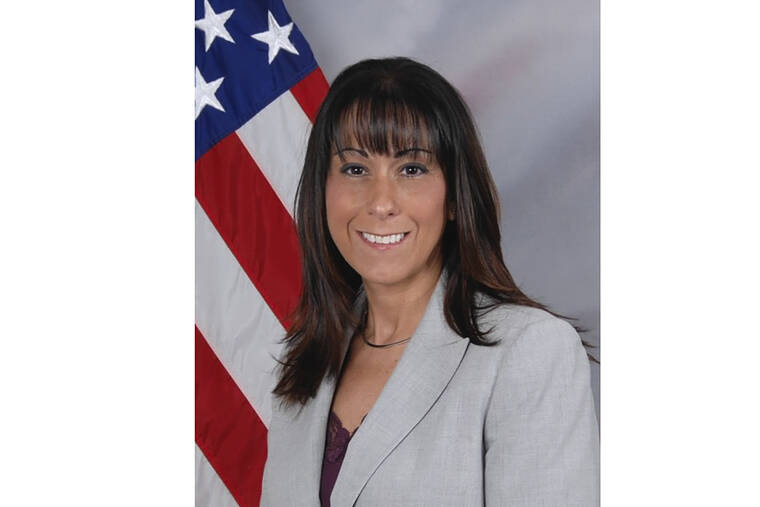
The National Science Foundation (NSF) is sending investigators to Antarctica's McMurdo Station following concerns about sexual violence at the research base. The NSF has appointed Renée Ferranti as a special assistant to the NSF director to focus on sexual assault and harassment prevention and response. An Associated Press investigation revealed a pattern of women's claims of harassment or assault being minimized, putting them at further risk. A 2022 NSF report found that 59% of women experienced harassment or assault while on the ice. The NSF is expanding its investigative mission to include criminal violations in Antarctica, such as sexual abuse and stalking.
Investigators from the watchdog office overseeing the National Science Foundation (NSF) are being sent to Antarctica's McMurdo Station following concerns about sexual violence at the U.S. research base. The NSF is also appointing a special assistant to focus on sexual assault and harassment prevention and response. An Associated Press investigation revealed a pattern of women's claims being minimized, putting them in further danger. Internal communications confirm the visit and state that the OIG is expanding its investigative mission to include criminal violations in Antarctica. A 2022 NSF report found that 59% of women experienced harassment or assault while on the ice.