Researchers have developed a global earthquake detection system using Android smartphones' sensors, which can provide early warnings by detecting seismic waves faster than they reach users, potentially saving lives especially in regions lacking traditional seismic infrastructure.
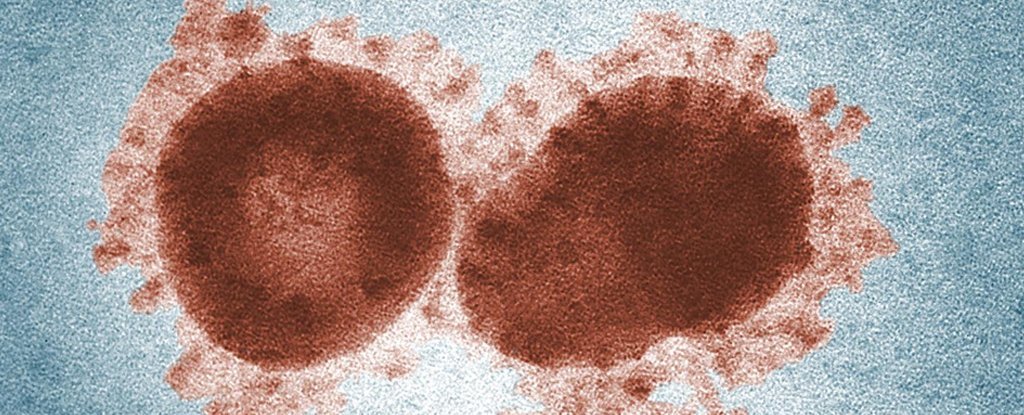
Wastewater monitoring, a technique popularized during the COVID-19 pandemic, is being explored as an early warning system for measles outbreaks in the U.S., helping detect community spread and guide vaccination efforts, especially in areas with limited testing access.
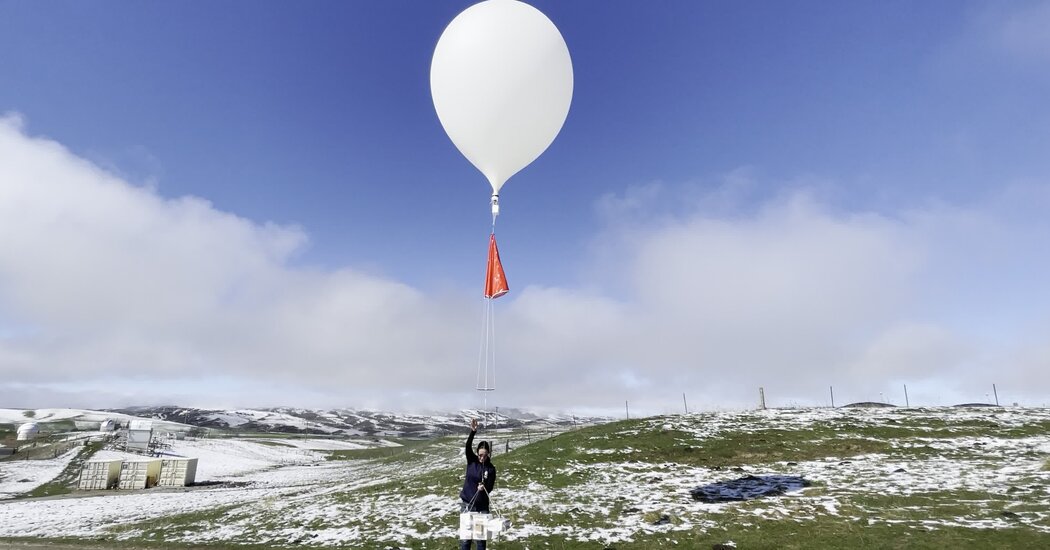
The United States is developing an early warning system to detect geoengineering activities, which involve deliberate interventions in the Earth's climate system to counteract climate change. This initiative aims to monitor and assess the potential impacts of such activities on the environment and global climate, ensuring that any geoengineering efforts are transparent and do not pose unforeseen risks.
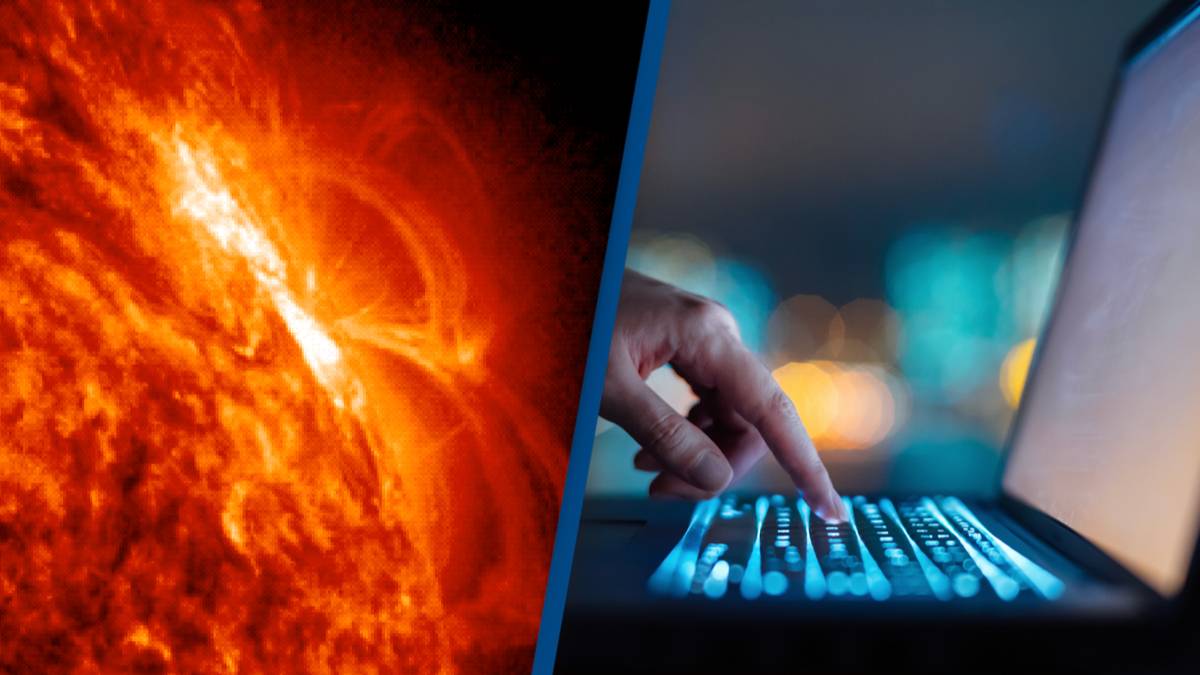
Researchers from George Mason University and the Naval Research Laboratory are working on creating an early warning system to detect solar storms that could potentially cause an "internet apocalypse" and disrupt global communications for months. Solar storms, which involve solar flares and coronal mass ejections, can send electrical charges and magnetic fields towards Earth at high speeds. In the past, such events have caused disruptions to telegraph systems. If a similar event were to occur today, it could have a devastating impact on modern communication systems, including phones, computers, satellites, and the power grid. The economic cost of such an event could reach billions of dollars per day. Researchers emphasize the need for an early warning system and the hardening of the internet infrastructure to mitigate potential damage.
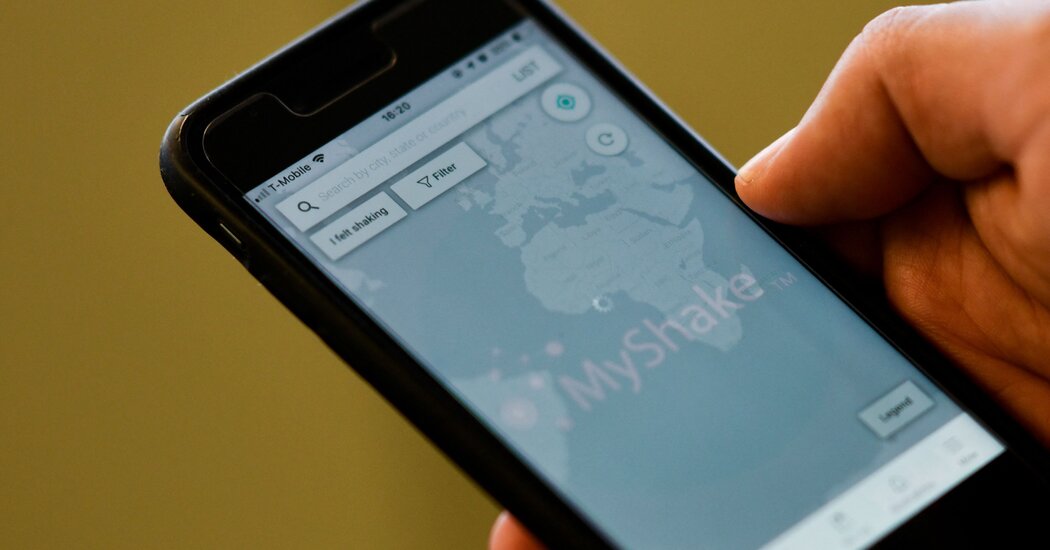
Users of the earthquake alerts app, MyShake, on the West Coast were startled when a test alert for a simulated magnitude 5 earthquake was sent seven hours early due to a time zone mix-up. The app, developed by the University of California, Berkeley, had planned to send the test alert at 10:19 a.m. Pacific time but was mistakenly sent at 3:19 a.m. Pacific time. The alert reached potentially over a million people, causing some to be jolted awake. The error does not affect the app's real-time alert system, and another test alert was sent later as planned. ShakeAlert, the system that powers MyShake, is constantly improving, and the incident serves as a reminder that earthquakes can strike at any time.
NASA has developed an AI-based early warning system called DAGGER that can provide 30 minutes' notice before a potentially devastating solar storm hits a specific area. By analyzing solar storm data from satellites and surface-based stations, DAGGER can predict the severity and direction of a solar storm event in under a second, with the capability of making predictions every minute. This advancement in speed and global coverage allows utility and communication companies to integrate DAGGER into their threat assessment systems before the peak of the 11-year solar cycle in 2025.
Scientists and government authorities were in the process of developing an early warning system for glacial floods at Lhonak Lake in Sikkim, India when the lake broke its banks, causing deadly floods. The system, which included a camera to monitor the lake's level and weather instruments, could have provided more time for evacuation. However, the camera lost power in late September, and the warning system was still in development. As climate change leads to the melting of glaciers, the risk of glacial lake outburst floods (GLOFs) is increasing in high mountain regions. India plans to install early warning systems at several other glacial lakes in the future.
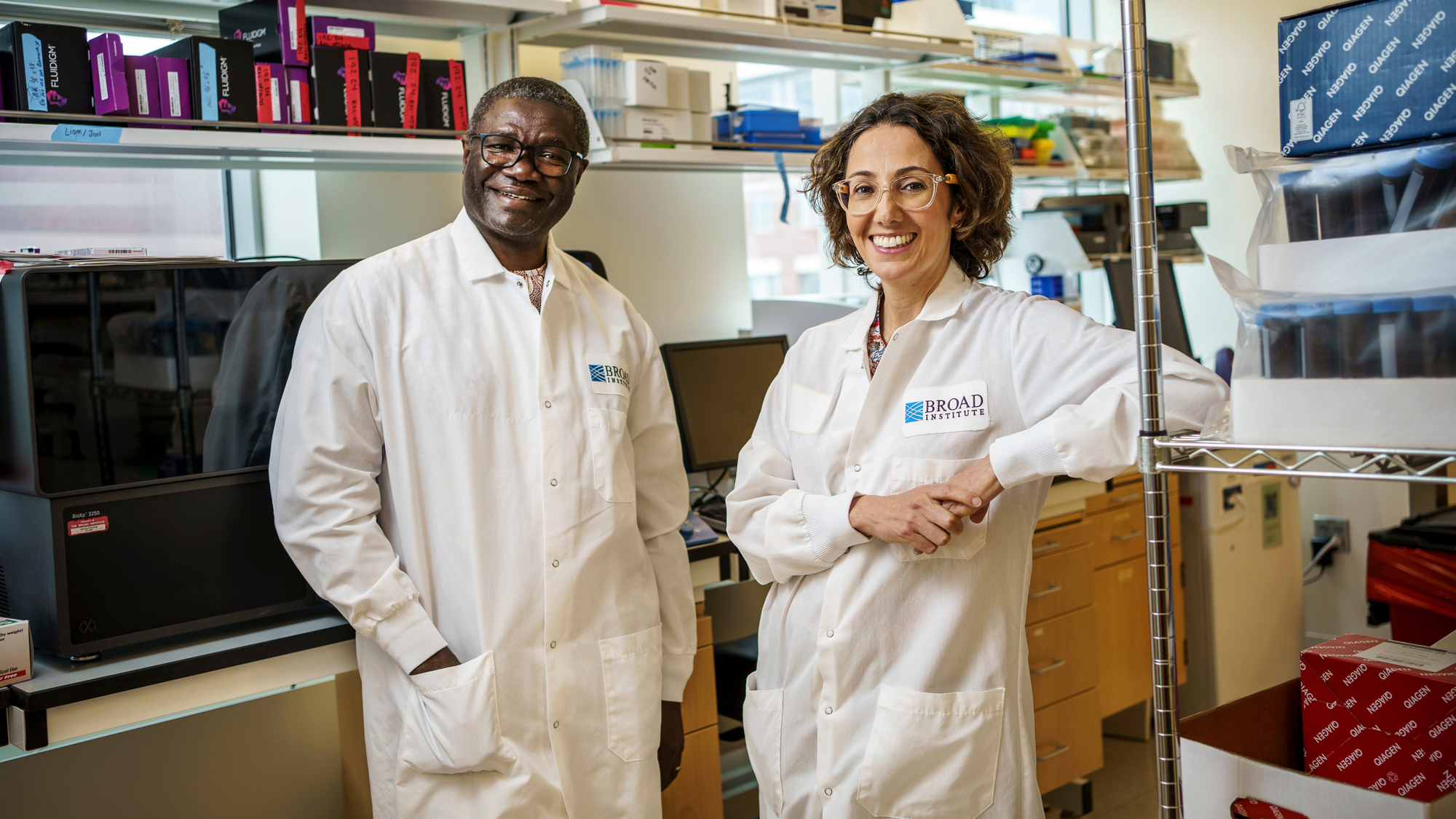
Pardis Sabeti and Christian Happi, long-time collaborators and founders of the African Centre of Excellence for Genomics of Infectious Diseases (ACEGID), are developing an early-warning system called Sentinel to detect and diagnose emerging illnesses in Africa. By empowering local healthcare workers and providing them with the tools and training to identify pathogens, ACEGID aims to prevent future pandemics by enabling faster and more accurate detection. Their efforts have already proven successful during the Ebola outbreak, where ACEGID's ability to diagnose the virus in hours instead of weeks or days helped contain the spread and minimize deaths in Nigeria. The impact of their work was further demonstrated during the COVID-19 pandemic, with ACEGID-equipped hospitals in Africa having COVID diagnostics before those in the United States. ACEGID's mission is to create a continent of people who are united in their response to outbreaks, emphasizing the importance of coordination and camaraderie in stopping pandemics.
The Jiangmen Underground Neutrino Observatory (JUNO) aims to detect neutrino events in near real-time, providing an early warning system for core-collapse supernovae. By localizing the neutrino source quickly, other observatories can focus on the region of the sky to observe the supernova as it occurs. JUNO's design allows for the detection of neutrinos from a core collapse up to a million light-years away and even the fainter burst of neutrinos in the pre-supernova stage up to 3,000 light-years away. JUNO is expected to be operational by the end of this year.
Residents in some Greek suburbs are using their own money to fund a volunteer-based initiative that utilizes long-range drones equipped with thermal imaging cameras as an early warning system to detect wildfires before they spread. The drones, operated by trained pilots with permission from civil aviation authorities, provide live images and detect changes in temperature, alerting firefighters in the critical early stages of a fire. The program, which began operating last year in southern Athens, has already proven successful in preventing and extinguishing fires. The system can also be used to coordinate responses to other emergencies such as floods or earthquakes.
Researchers from UBC Okanagan have developed a system using magnetic levitation to detect and identify airborne viruses. The system collects air samples, separates viruses from other particles, and identifies them. The technology could serve as an early-warning system in high-risk areas such as hospitals and airports, helping to prevent pandemics. It could also aid in tracking and tracing exposure to viruses in public settings. The team is now working towards commercializing the technology.
Scientists have developed an AI application called the early warning anomaly detection (EWAD) system, which uses machine learning to predict dangerous variants in future pandemics. By analyzing genetic sequences, infection rates, and mortality rates of SARS-CoV-2, the AI was able to accurately identify variants of concern before they were officially designated by the WHO. The system could help in combating future pandemics and improve public health measures.
Presence hallucinations, the feeling of someone being close by when alone, are common in people with Parkinson's disease and may predict cognitive decline in the condition. A study found that patients who experienced hallucinations early in the disease's progression had more rapid cognitive decline in frontal executive function over five years. Enhanced frontal theta oscillatory activity in the brain was also observed in those with early hallucinations. Detecting these signs early could lead to improved and personalized therapies for managing the disease and improving cognitive function. The researchers aim to develop a convenient and reliable early warning system for hallucinations in Parkinson's and potentially other neurodegenerative diseases.
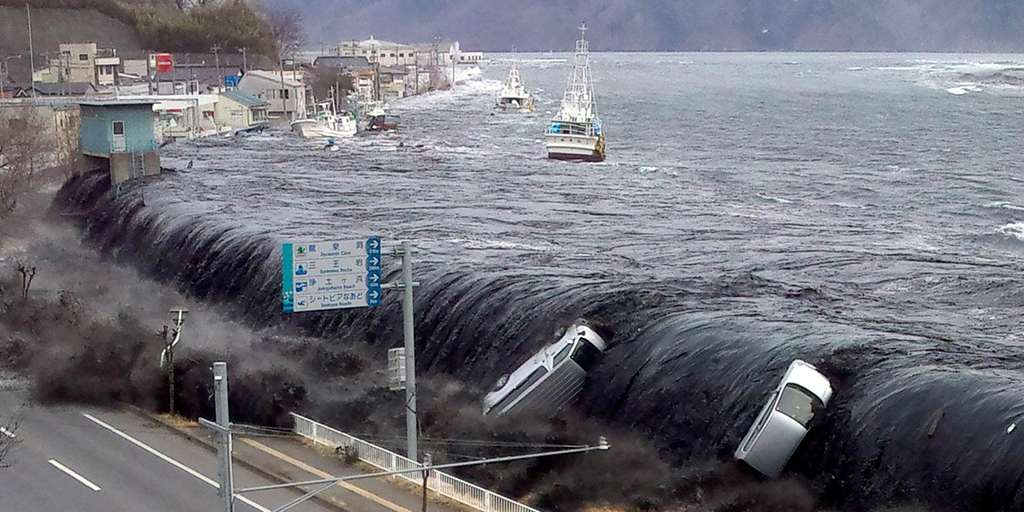
Scientists at NASA's Jet Propulsion Laboratory are testing a new experimental monitoring system called GUARDIAN, which uses data from clusters of GPS and other satellites to detect potentially deadly tsunamis triggered by earthquakes, volcanoes, or other events. The system can search for clues by examining radio signals from global navigational satellite systems, which are reviewed by the JPL's Global Differential GPS network. The technology can produce details about a potential tsunami in about 10 minutes, providing up to an hour of advanced warning for people in danger depending on the tsunami's location from shore. The GUARDIAN team is currently focusing on the Pacific Ocean's Ring of Fire, where 78% of the more than 750 confirmed tsunamis between 1900 and 2015 occurred.
NASA is testing a new technology called Guardian to detect tsunamis by the disturbances they create in the Earth's atmosphere. The technology uses data from GPS and other satellites to detect real-time positional accuracy down to a few inches. Once a tsunami strikes, the system monitors the displaced air as well as the charged particles that slam into the ionosphere. The Guardian's near-real-time monitoring tool is one of the fastest of its kind and is being developed to augment early warning systems by sifting the signals for clues that a tsunami has arisen somewhere on Earth.