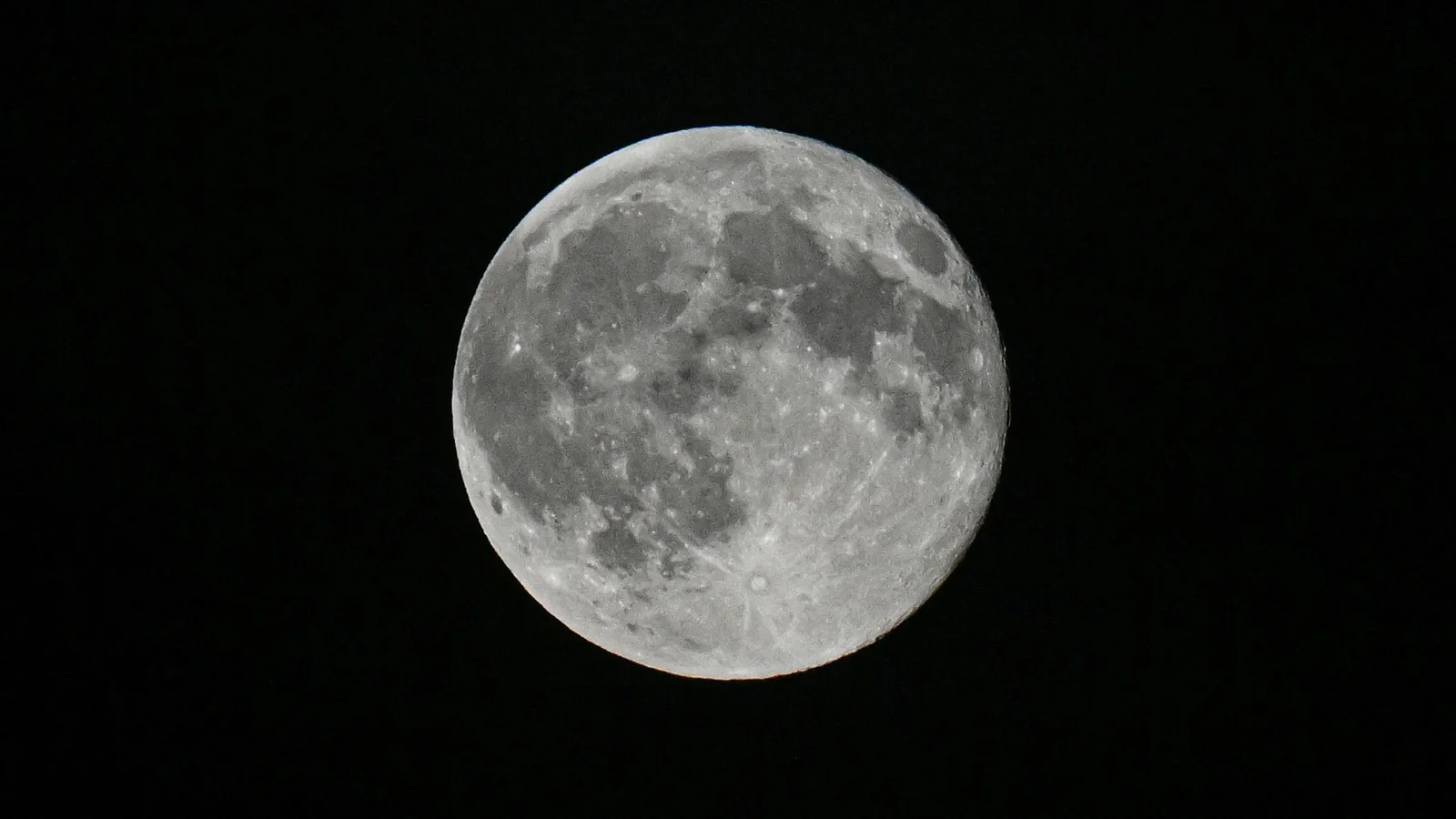
On Christmas night 2025, stargazers can enjoy viewing the waxing crescent moon, Saturn, Jupiter, and Polaris, along with prominent constellations and star clusters, making for a spectacular winter sky experience.
On November 6, early morning skywatchers can see the nearly full moon near the Pleiades star cluster in the western sky before dawn, with binoculars enhancing the view of the Seven Sisters and nearby Uranus, offering a spectacular celestial event.
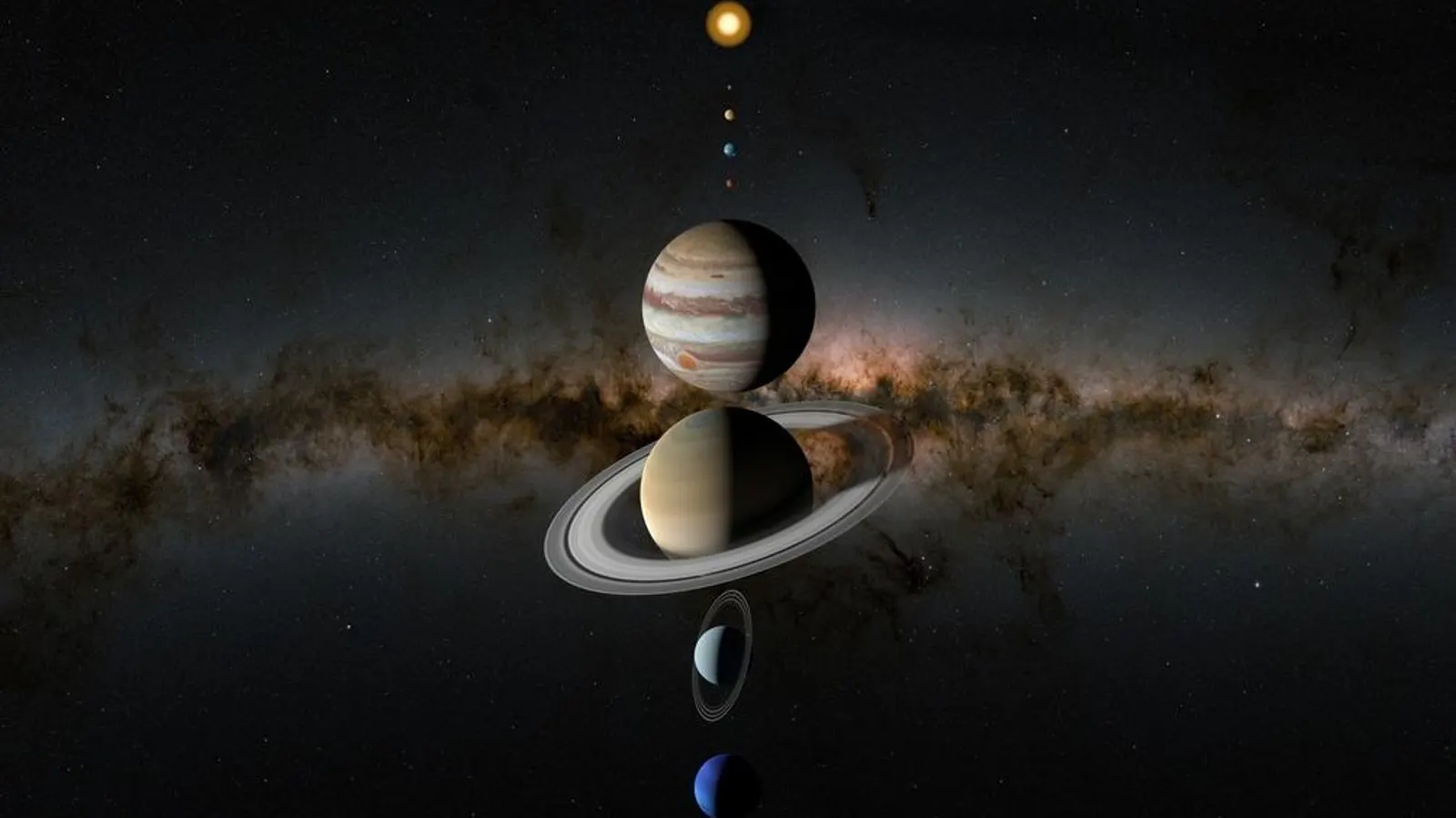
This weekend is an ideal time to observe a 'planet parade' in the pre-dawn sky, featuring Venus, Jupiter, Saturn, Neptune, Uranus, and the waning gibbous moon passing near the Pleiades star cluster and the constellations Taurus and Orion, with the best viewing about 45 minutes before sunrise. This event is the last notable planet parade until 2028.
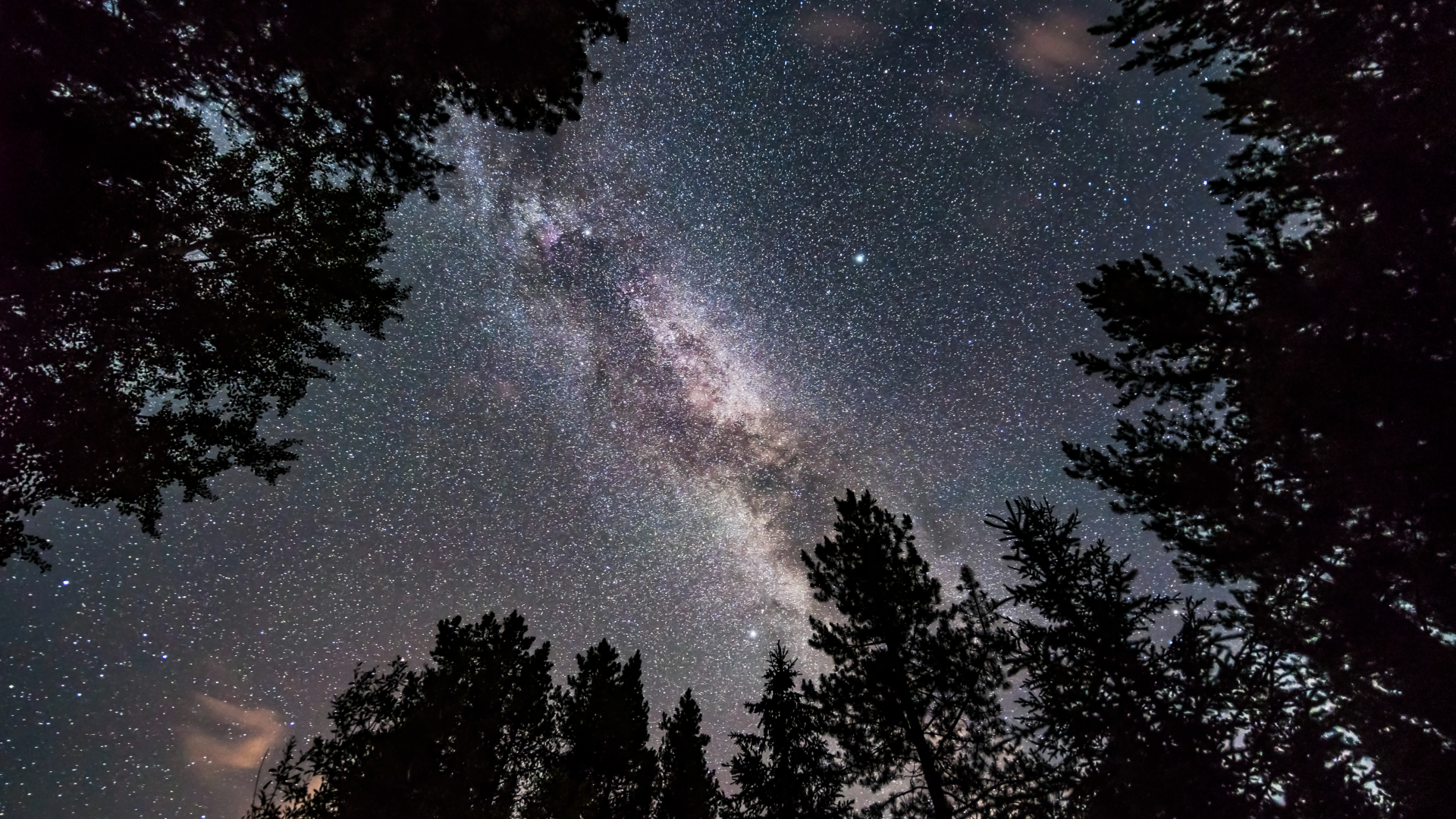
The article highlights the best time around August 29 to observe the Summer Triangle asterism, featuring stars Altair, Vega, and Deneb, set against the Milky Way, with a young crescent moon providing ideal viewing conditions. It also recommends binoculars for stargazing and shares interesting facts about these stars and their constellations.
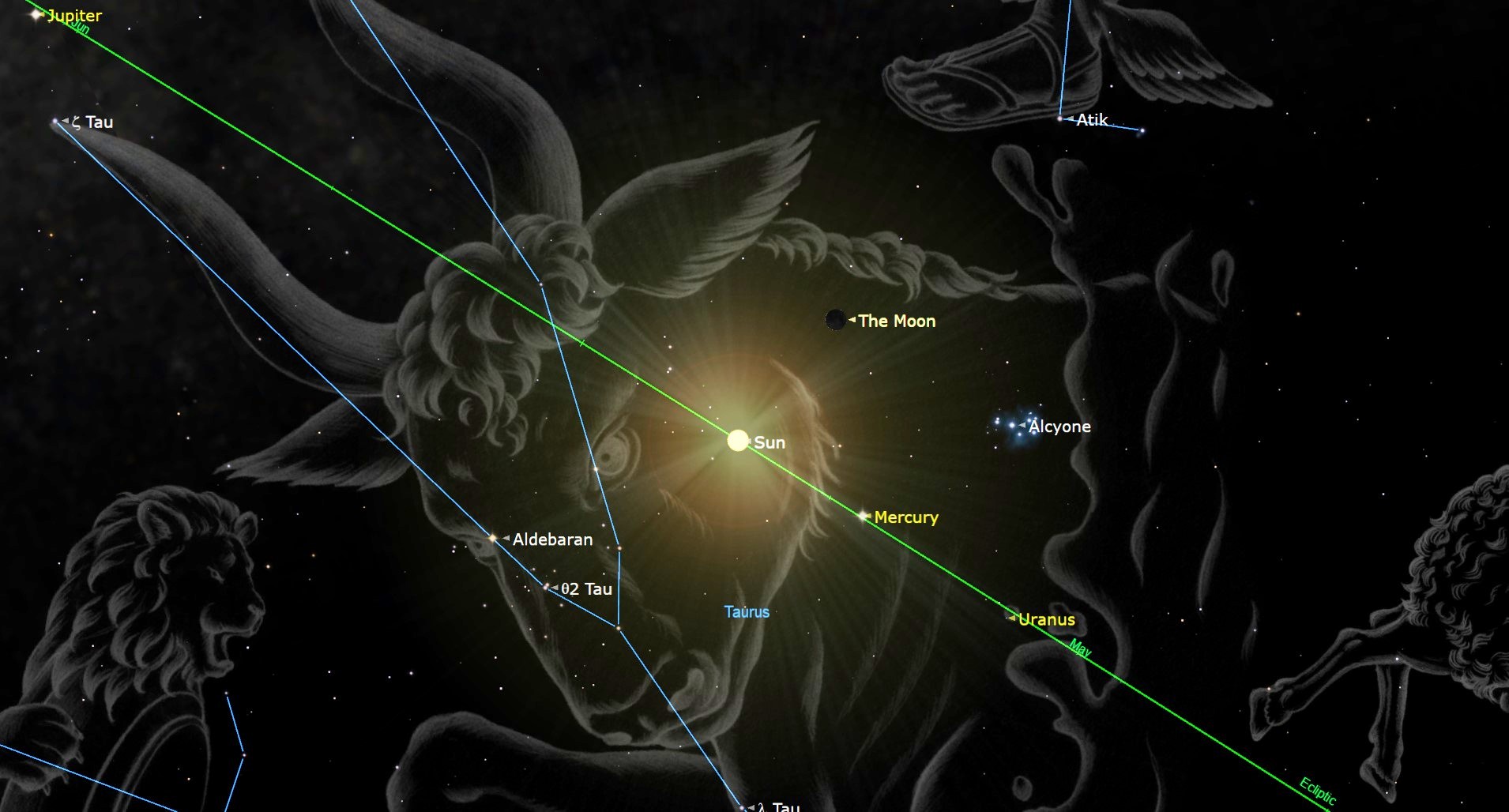
The new moon of May 2025 occurs on May 26, leading to dark skies ideal for stargazing, with notable events including a close pass of the moon to Jupiter and the rising of summer constellations, offering excellent opportunities for skywatchers to observe planets and stars.
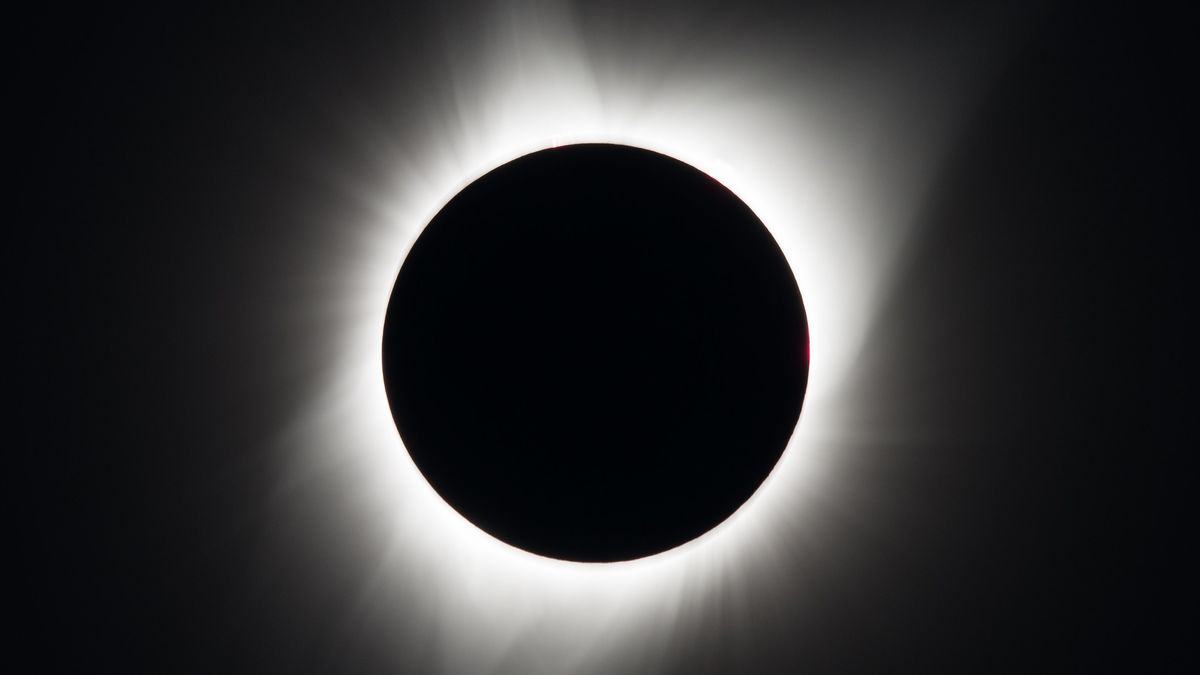
The new moon on April 8 will bring a total solar eclipse, known as the "Great American Eclipse," visible from Mexico to the Maritime Provinces of Canada. A partial eclipse will be visible across much of North America. Additionally, the night of the new moon will offer views of Jupiter, Mars, and Saturn, as well as constellations such as Orion, Leo, and the Big Dipper. In the Southern Hemisphere, the Southern Cross and other constellations will be visible.
March marks the arrival of spring with the vernal equinox on March 19, when the sun crosses the celestial equator into the northern hemisphere. The night sky features the last quarter moon on March 3, the new moon on March 10, and the full Worm Moon on March 25. Daylight saving time begins on March 10, and planet watchers can spot Jupiter in the evening sky and Mercury low in the western horizon later in the month. Various observatories in the D.C. area offer opportunities for public stargazing and telescope tours throughout March.
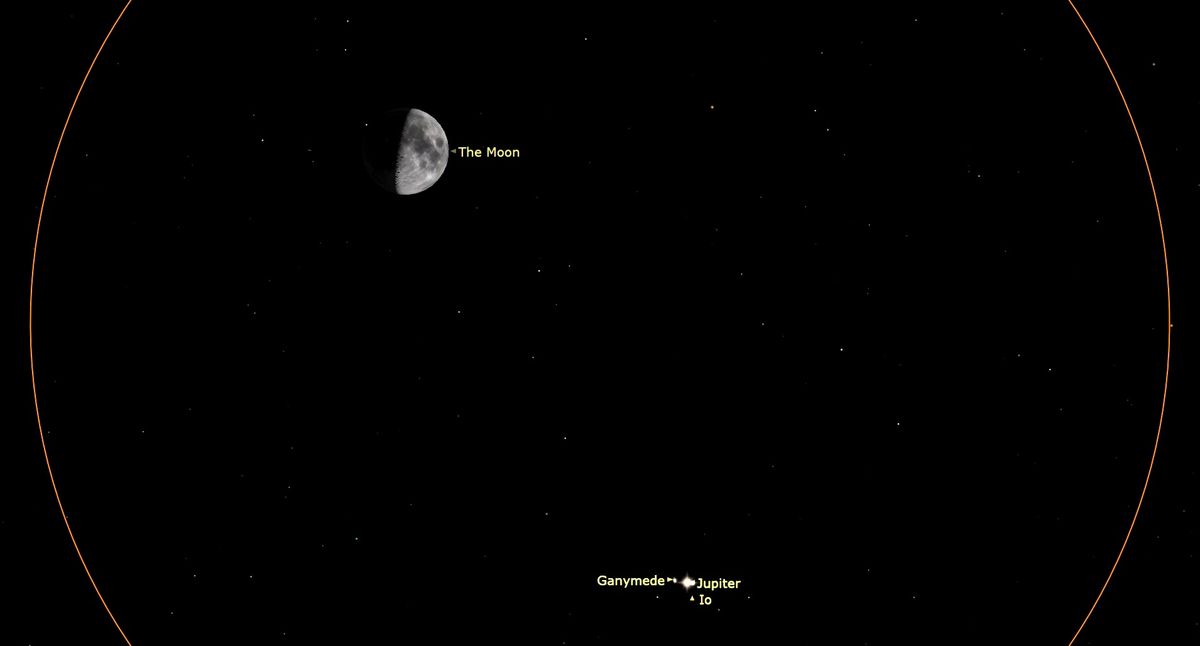
On the night of Jan. 18, 2024, the moon and Jupiter will appear close together in the Aries constellation, offering the opportunity to see Jupiter's four largest moons through binoculars. The moon will be in a bright waxing gibbous phase, and both celestial bodies will be visible as soon as the sun sets. Skywatchers can also spot the Pleiades star cluster and the Orion Nebula nearby. If you're interested in capturing the celestial event, guides on telescopes, binoculars, and astrophotography are available, and you can share your photos with Space.com.
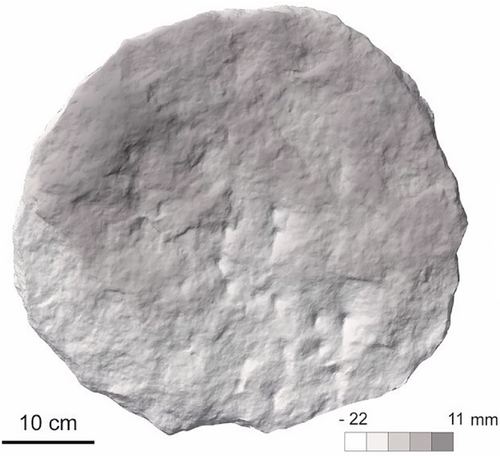
Archaeologists have discovered two stone disks at an ancient fort in Italy, which may represent one of the oldest sky maps ever found, dating between 1800 and 400 BCE. The markings on the stones correspond to the positions of 28 bright stars, including constellations like Orion, Scorpius, and the Pleiades. However, one unexplained mark could potentially indicate a historical nova or supernova. Further analysis is required to confirm whether the stones accurately depict the sky and to identify the mysterious mark.
Archaeologists in Italy have discovered two stone disks at a protohistoric hill fort that may represent one of the oldest known maps of the night sky. The stones, dated between 1800 and 400 BCE, bear chisel marks that align with the positions of 28 bright stars in various constellations such as Scorpius, Orion, and the Pleiades. Statistical analysis supports the hypothesis that these markings accurately reflect these constellations, with one unexplained mark potentially indicating a historical nova or supernova. Further research is required to confirm the stones' purpose as stellar maps, but the evidence suggests a significant astronomical understanding by the people of that era.
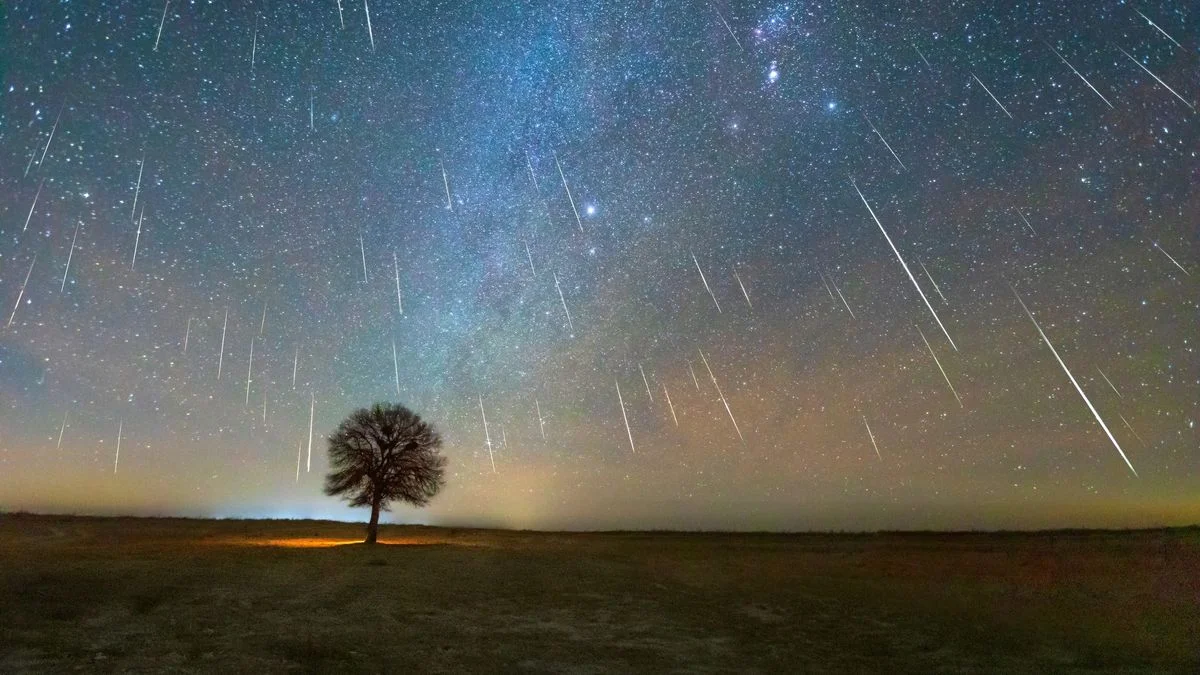
The Geminid meteor shower, which occurs between November 19 to December 24, will peak on the nights of December 13 and 14 in 2023. This year is particularly favorable for viewing as it coincides with the new moon, allowing for up to 150 meteors per hour to be seen. The Geminids are unique as they are produced by an asteroid called Phaethon, and they appear to radiate from the Gemini constellation. To observe the shower, find a dark location, avoid using bright lights, and allow your eyes to adjust to the darkness. The best time to view the Geminids is around 2 a.m. local time, and they can be seen from both the Northern and Southern Hemispheres.
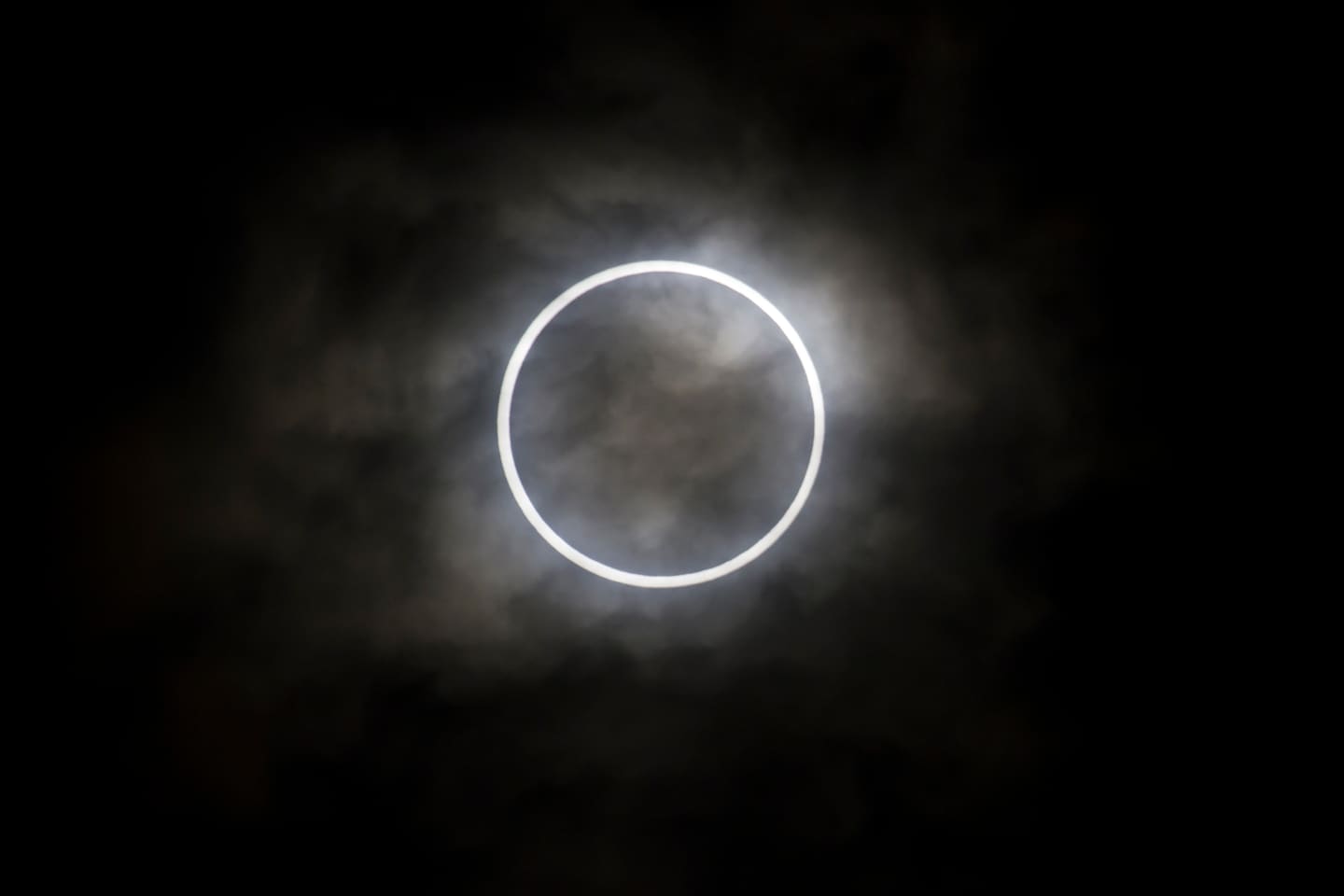
October offers several celestial events, including a "ring of fire" solar eclipse on October 14th, where the moon will pass in front of the sun, leaving behind a brilliant ring of unfiltered sunlight. The hunter's moon, occurring two weeks later, provides clear skies for stargazers. The month also brings the opportunity to observe constellations from Greek mythology, such as Cassiopeia, Perseus, and Pegasus. Additionally, Saturn and Jupiter can be seen in the night sky, while Venus shines brightly in the morning. Various sky-watching gatherings are scheduled throughout the month for enthusiasts to observe these cosmic delights.
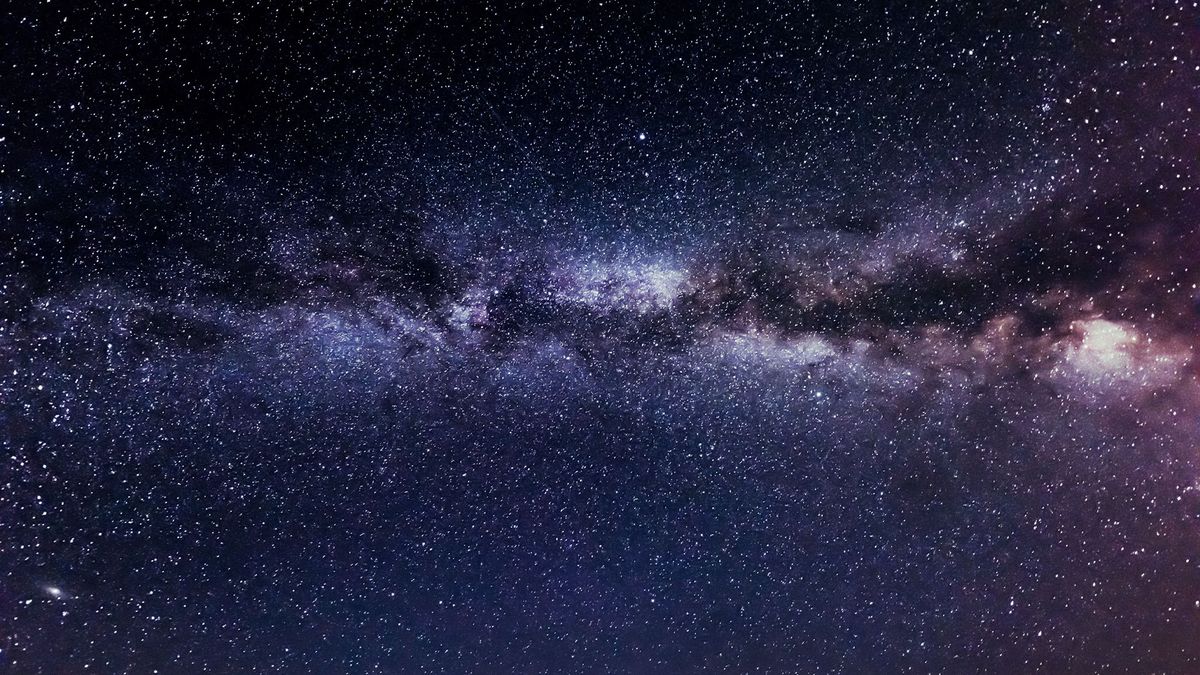
The average distance between two stars in the Milky Way is around 5 light-years, but the human eye's view of the night sky is a two-dimensional snapshot and doesn't accurately represent the actual distances between stars. The distance between stars varies considerably, with some stars being bound together and others being much farther apart than they appear. Stars are constantly moving, and while the Milky Way's gravitational pull keeps most stars from drifting too far apart, some stars can escape their home galaxies and drift alone in the vast voids between galaxies.
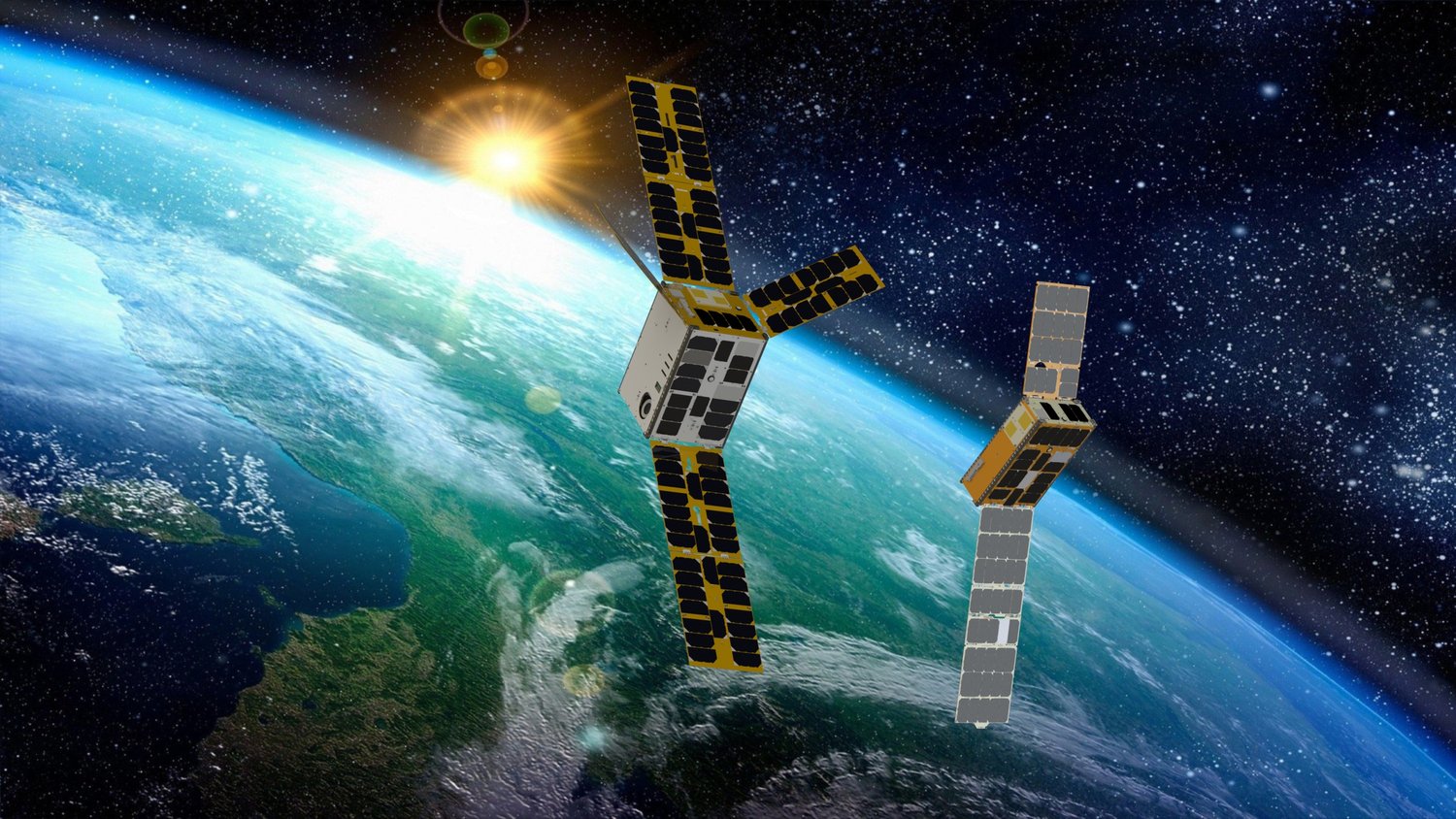
UK-based smallsat developer Open Cosmos has raised $50 million in a Series B funding round led by ETF Partners, Trill Impact, and A&G. The funding will be used to expand the company internationally, develop larger satellites and constellations focused on Earth observation, and create OpenConstellation, a virtual constellation where satellite operators share capacity on their Earth observation satellites. Open Cosmos aims to provide cost-effective end-to-end fully managed missions and stands out in the Earth observation sector with its agile development, diverse applications, and global partnerships. The company has already launched several smallsats and plans to move into microsatellites.
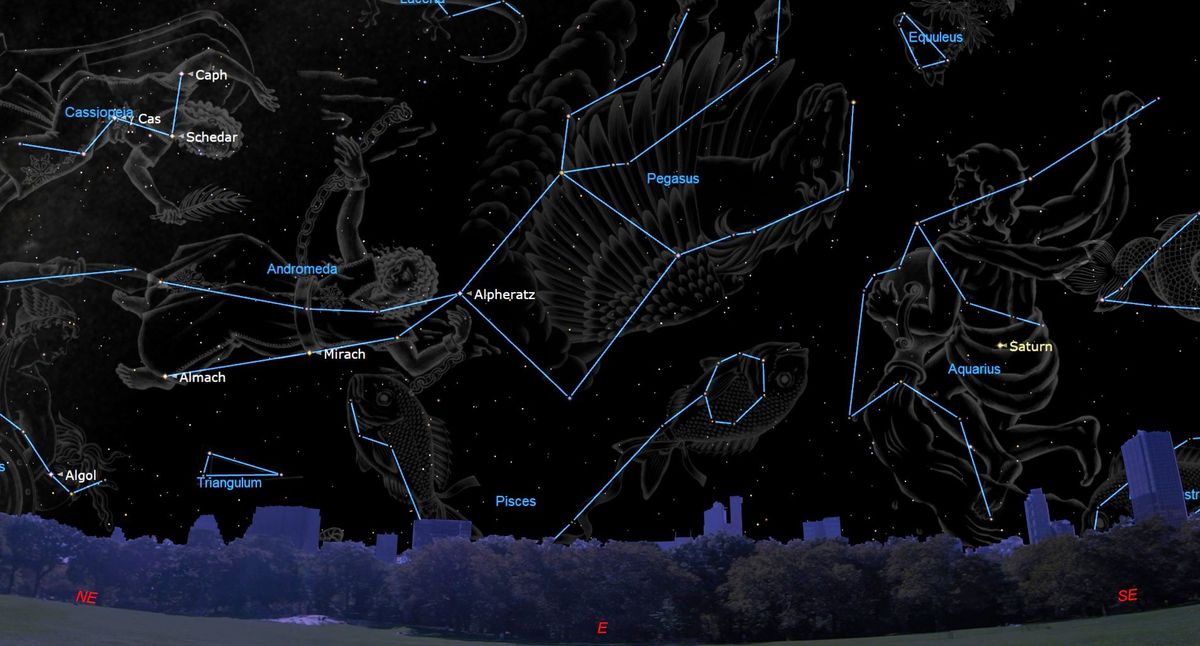
The Great Square of Pegasus, an asterism in the Pegasus constellation, will be visible in the eastern sky throughout September. Comprised of four stars, the Great Square rises higher each night and can be used to locate the nearby star 51 Pegasi, which is home to the first exoplanet ever discovered orbiting a main sequence star. The Great Square is not an official constellation but is a recognizable pattern in the night sky. It will reach its best viewing position in October.