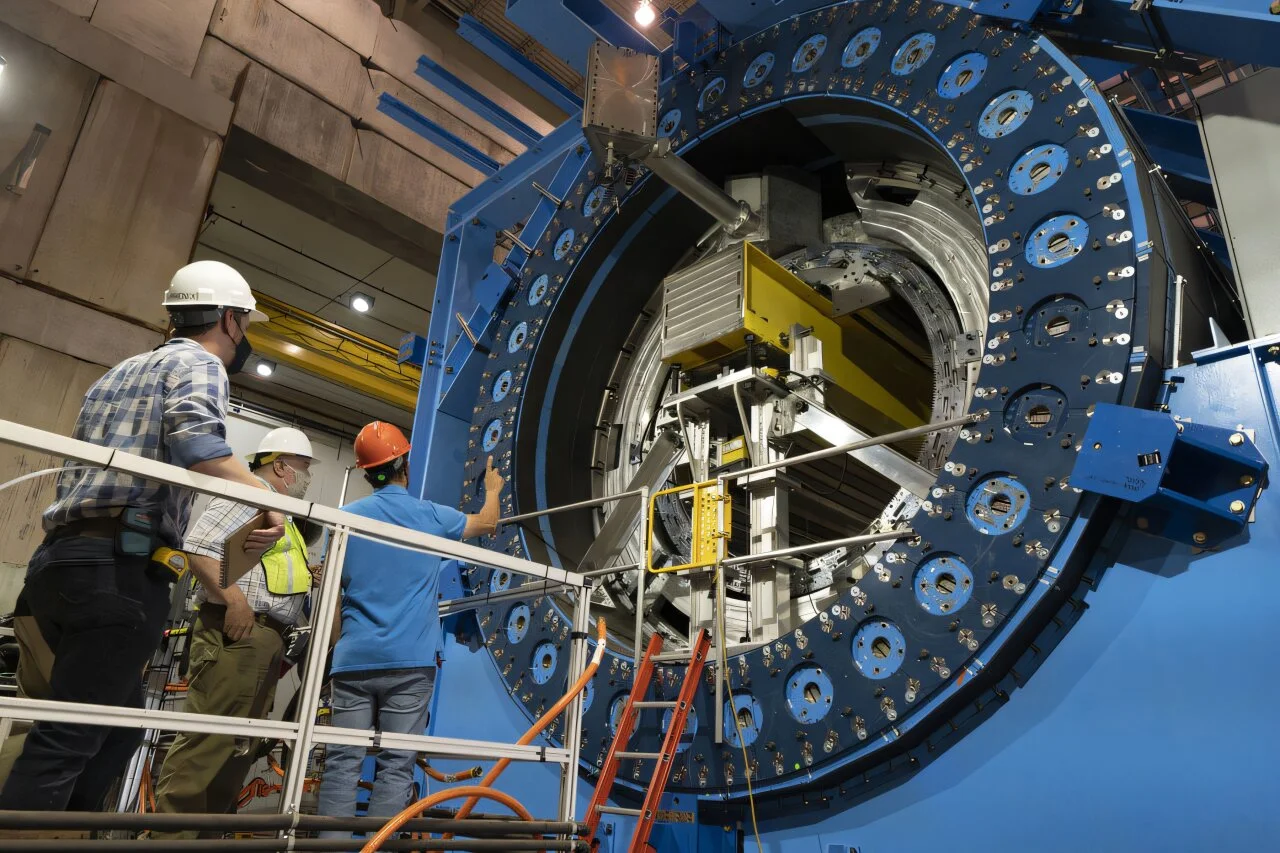
The sPHENIX particle detector at Brookhaven's RHIC has successfully demonstrated its precision in measuring particle collisions, confirming its readiness to study the properties of quark-gluon plasma, a state of matter from the early universe, by analyzing the particles produced in high-speed gold ion collisions.
The University of Michigan has developed ZEUS, a 2 petawatt laser system that rivals traditional particle accelerators by enabling high-energy physics research in a compact setup, with potential applications in medicine, materials science, and space exploration.
France's Apollon laser system, operating at 10 petawatts, remains the world's most powerful laser, enabling advanced scientific research and symbolizing technological and strategic leadership in high-energy physics, amid growing global competition from the US, China, and Europe.
A new theory extends Einstein's relativity to real fluids, proposing a relativistic theory of viscosity that accounts for the effects of high-speed motion on fluid properties. This theory, based on the relativistic Langevin equation, suggests that fluid viscosity increases with speed, analogous to length contraction and time dilation, and introduces the concept of "fluid thickening" at relativistic speeds. The findings have implications for understanding high-energy fluids like quark-gluon plasma in astrophysics and high-energy physics.
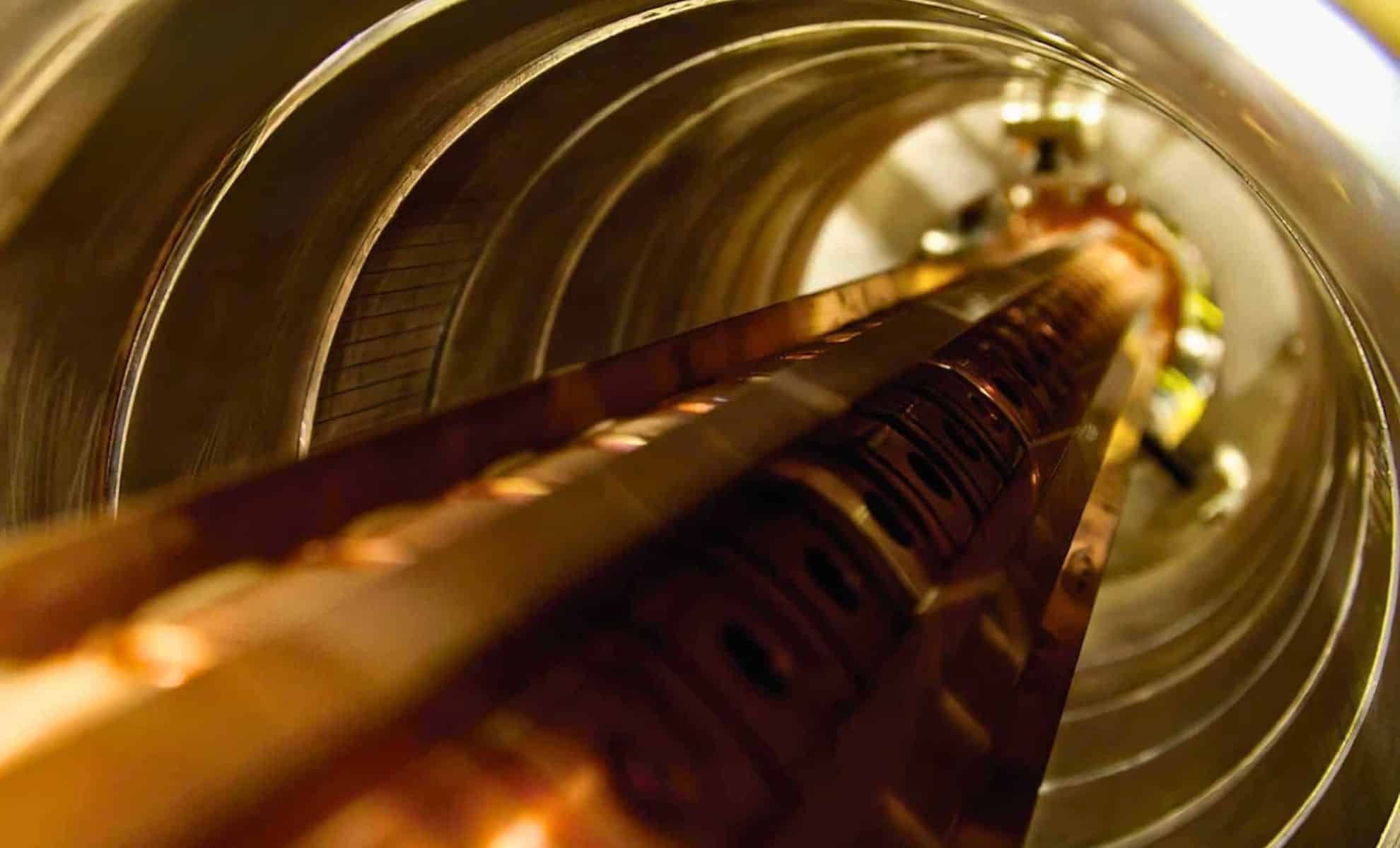
Plans are underway to build the Future Circular Collider (FCC), a new particle collider three times longer than the Large Hadron Collider (LHC) with the potential to reach energies of 100 TeV. The first phase, scheduled for the mid-2040s, will feature an electron-positron collider (FCC-ee) followed by a proton-proton collider (FCC-hh) that will surpass the LHC's energy capabilities eightfold. The ambitious project aims to push the boundaries of high energy physics and uncover new realms of physics, requiring technological advances and international collaboration.
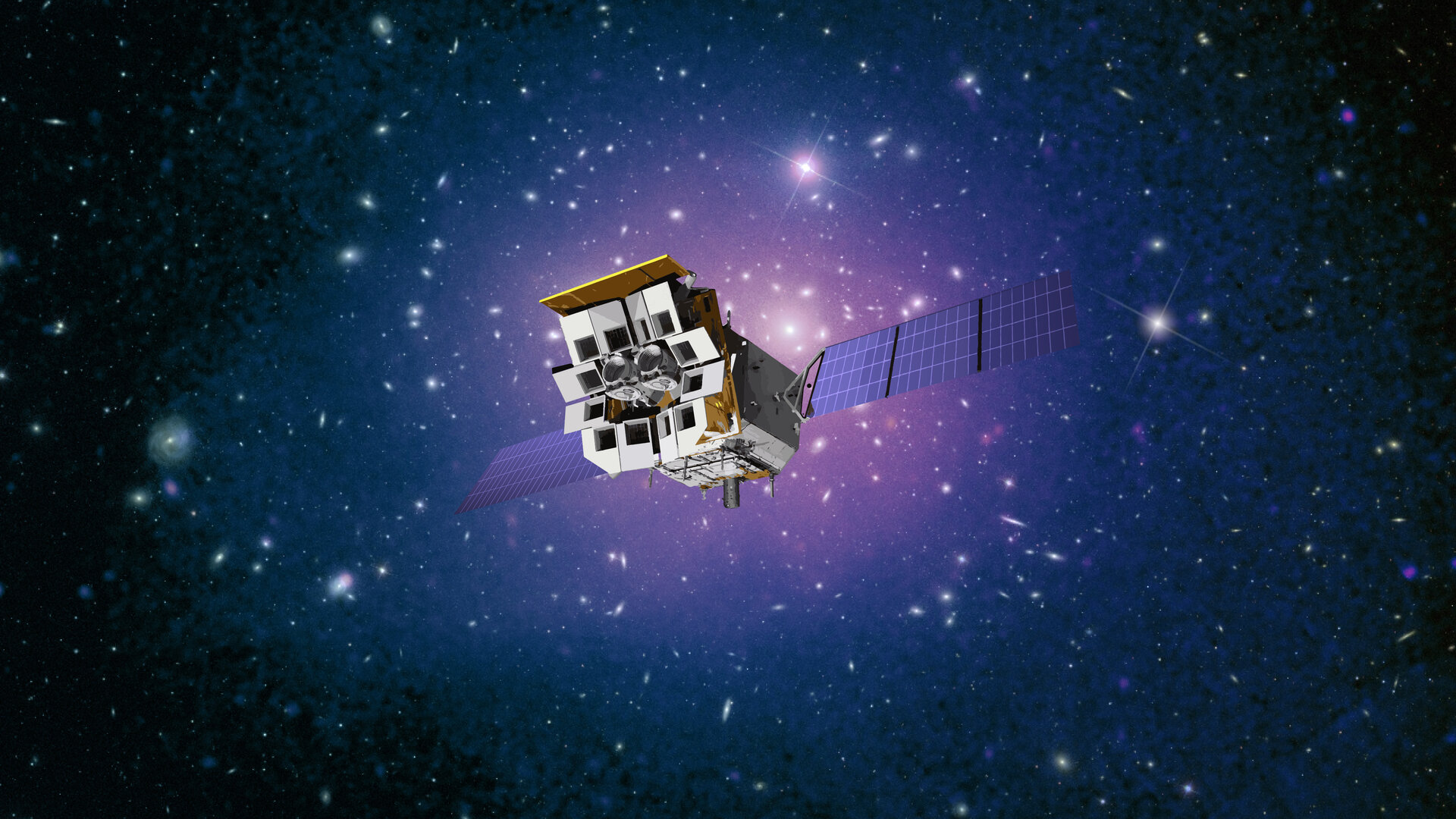
The Chinese Academy of Sciences (CAS) spacecraft Einstein Probe, in collaboration with the European Space Agency (ESA) and the Max Planck Institute for Extraterrestrial Physics (MPE), is set to launch in January 2024. Equipped with innovative X-ray instruments, the mission aims to survey the sky and detect powerful X-ray emissions from celestial objects such as neutron stars and black holes. The mission will contribute to advancing our understanding of high-energy physics and the origin of gravitational waves. The spacecraft's Wide-field X-ray Telescope (WXT) will observe large areas of the sky, while the Follow-up X-ray Telescope (FXT) will study interesting events in more detail. ESA's contribution includes developing the scientific instrumentation and providing ground stations for data download.
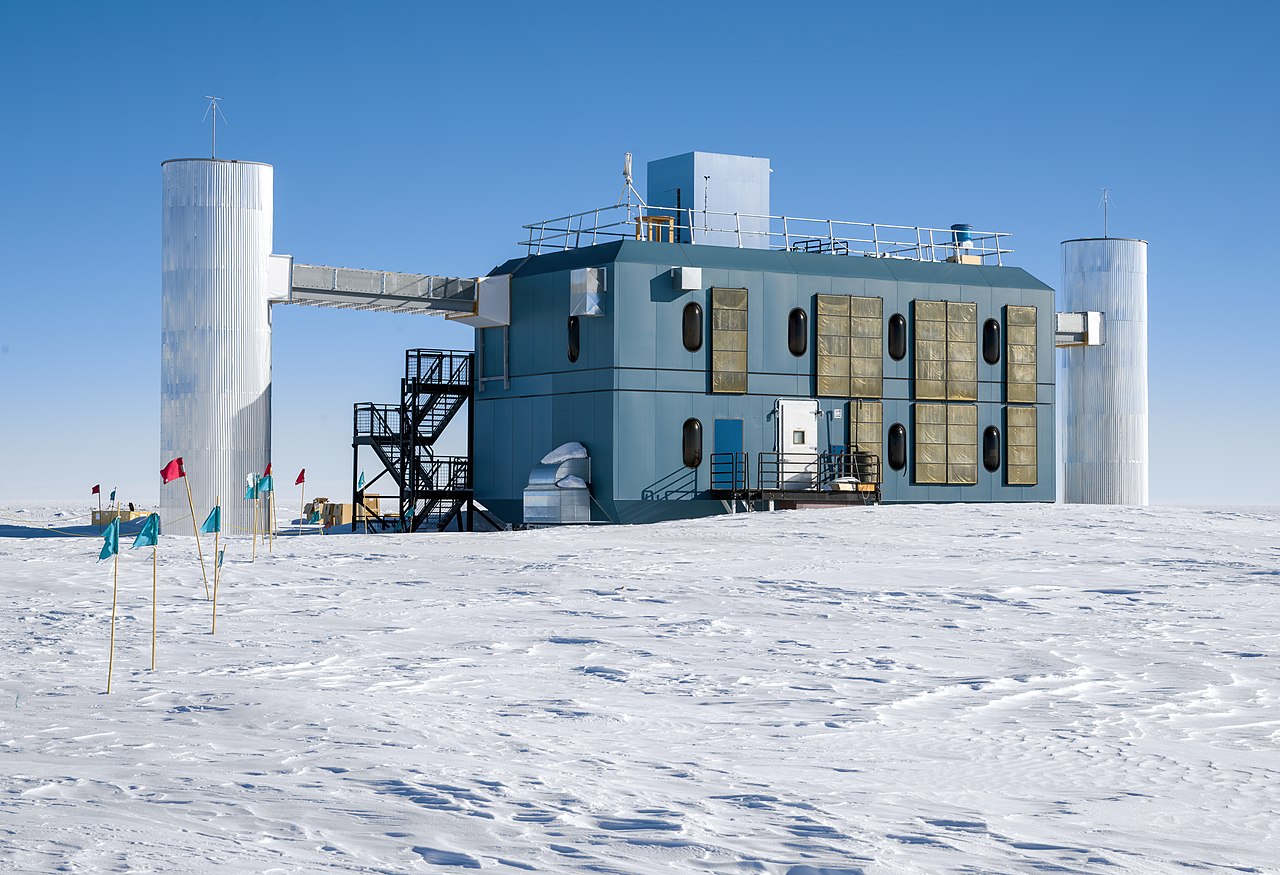
IceCube-Gen2, the next generation neutrino detector, is set to be 5 times more sensitive and 8 times larger than its predecessor, IceCube. With an upgraded facility and an expanded radio antenna array, IceCube-Gen2 aims to increase the number of neutrino detections by an order of magnitude and better pinpoint the sources of these elusive particles. The observatory will play a crucial role in multi-messenger astronomy, allowing scientists to study the universe through various observational techniques, including neutrino emissions. IceCube-Gen2 is expected to be operational by 2033 and will provide a more complete understanding of the high-energy universe.
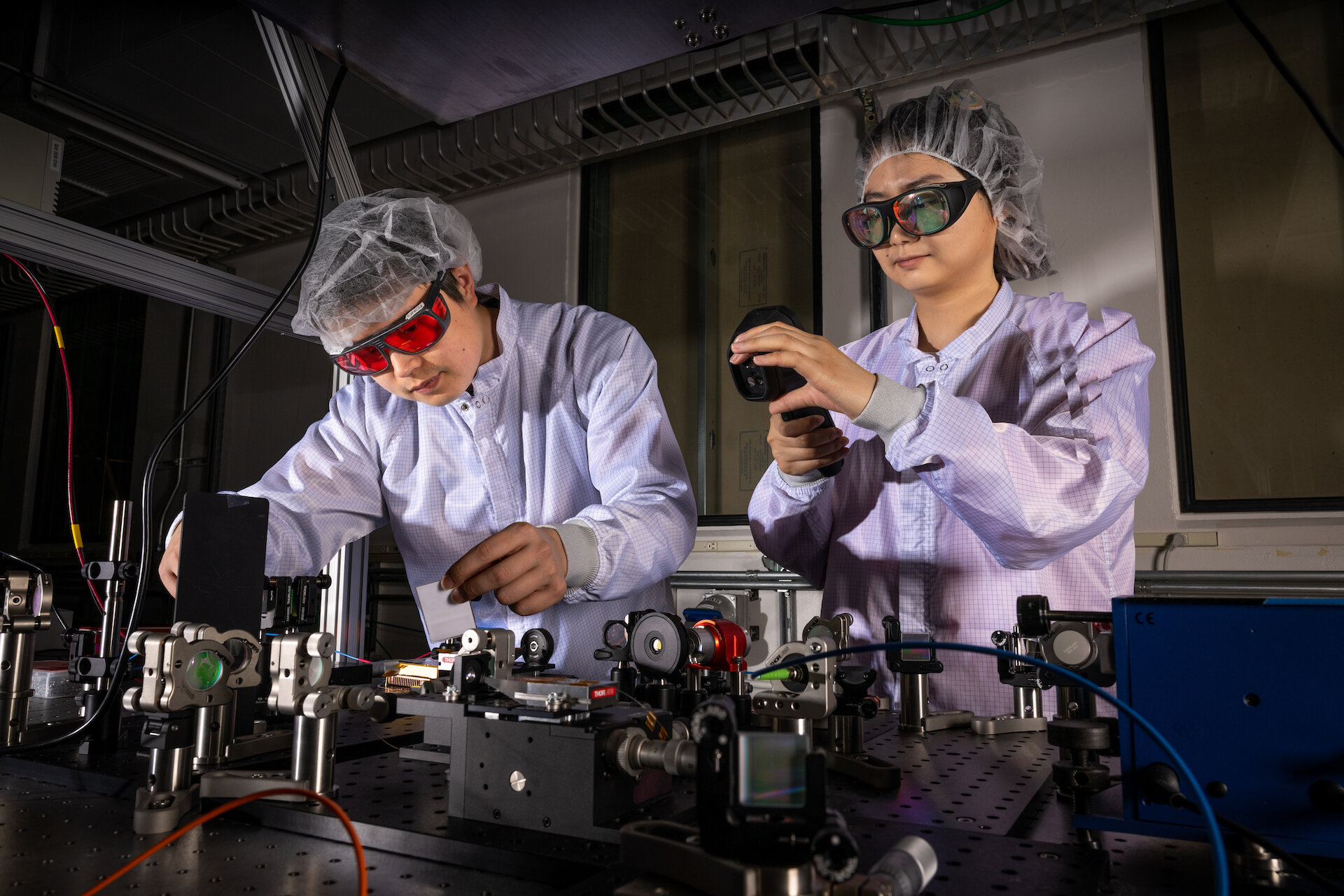
Researchers at Berkeley Lab have developed a technique for combining fiber lasers operating at different wavelengths to produce ultrashort laser pulses, which could advance the development of laser-plasma accelerators (LPAs). LPAs use intense laser pulses passing through a plasma to accelerate charged particles, offering more compact and powerful machines than conventional accelerators. The researchers achieved an ultra-broad combined spectrum capable of supporting very short pulses by spectrally combining multiple laser pulses. This breakthrough could lead to the generation of high-energy, tens-of-fs laser pulses using fiber lasers, unlocking the potential of LPAs in various fields such as high-energy physics and materials science.
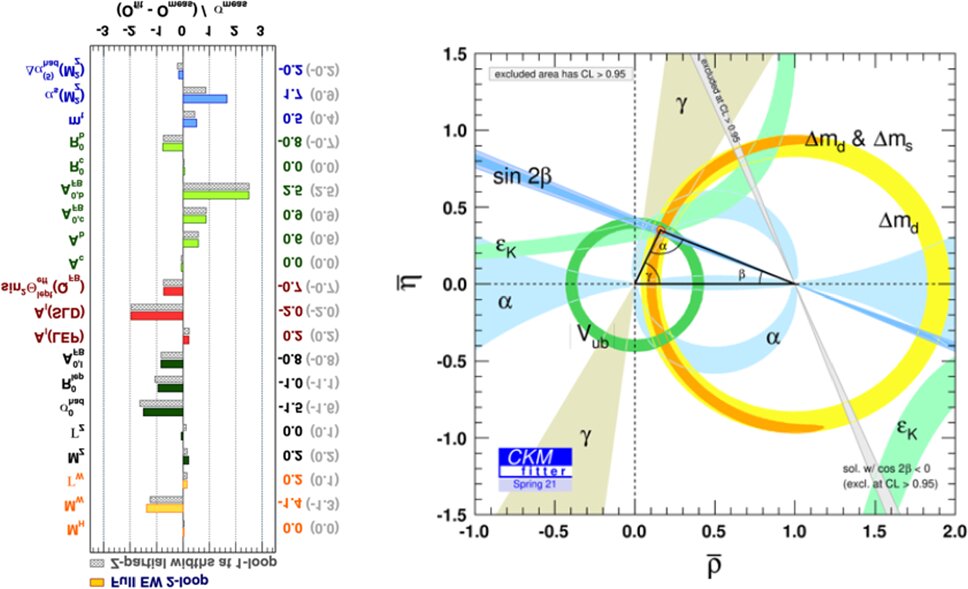
A paper by physicists from RWTH Aachen University and Bergische Universität Wuppertal suggests that particle physics may be on the brink of a new era of discovery and understanding. The authors argue that all new particles could be too heavy for on-shell production, potentially requiring a new approach to particle observation and even a reevaluation of the concept of a particle itself. While the age of particle discoveries as we know them today may be coming to an end, the authors believe that the next evolutionary step in particle physics will likely come from within the field.
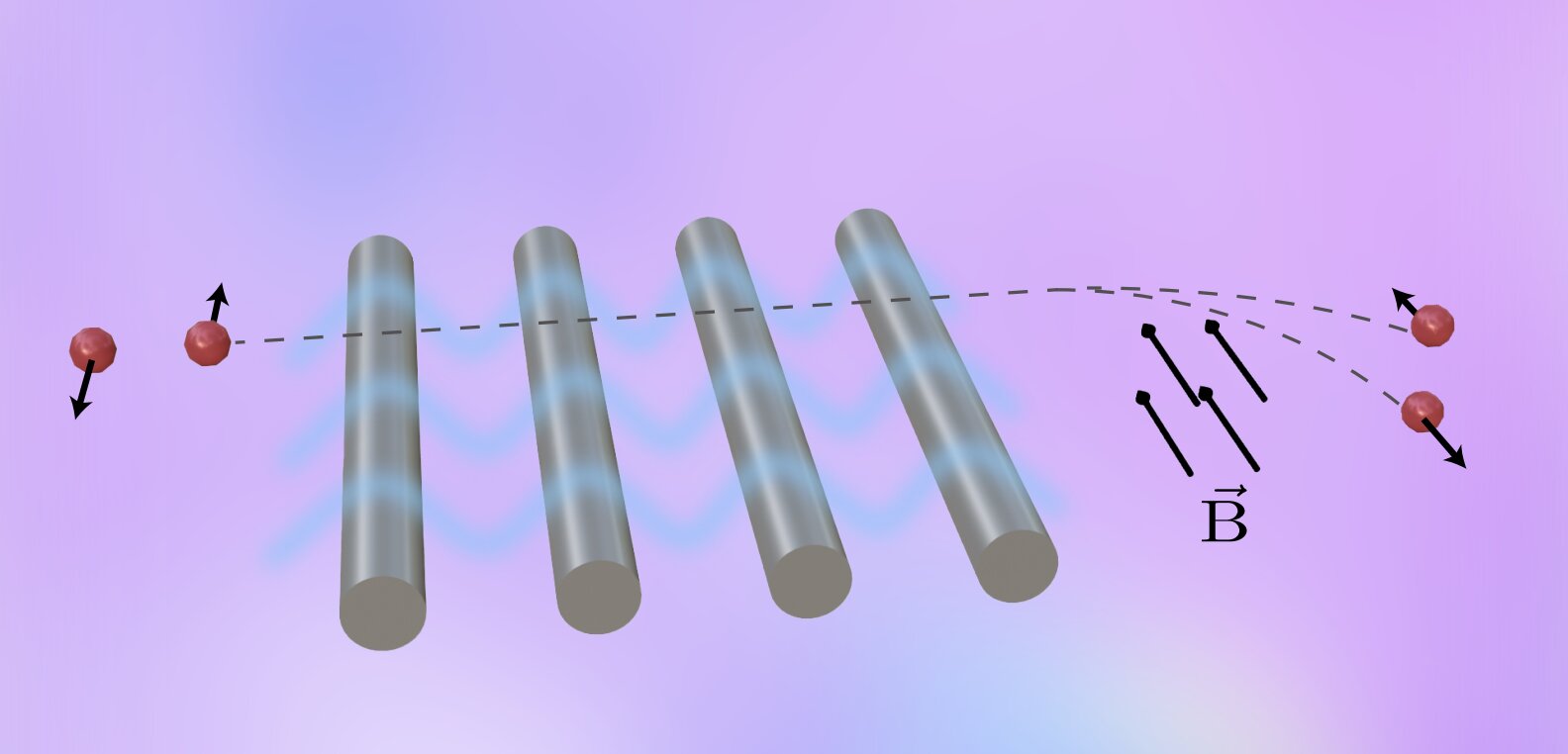
Researchers at East China Normal University and Henan Academy of Sciences have introduced a new method to polarize free electrons in a laboratory setting using near-field optical techniques. The method could open interesting new possibilities for high-energy physics, quantum technology development, and materials science. The researchers used a nanowire array with a carefully designed lattice constant to ensure a near-field match between the input electron velocity and the structure, ensuring a strong interaction between them. The approach could be adapted and used by other research teams to create spin-polarized electron beams, while potentially also inspiring the development of new quantum computing approaches that leverage both the spins of electrons and photons.