Tag

Multi Messenger Astronomy

All articles tagged with #multi messenger astronomy

science7 months ago

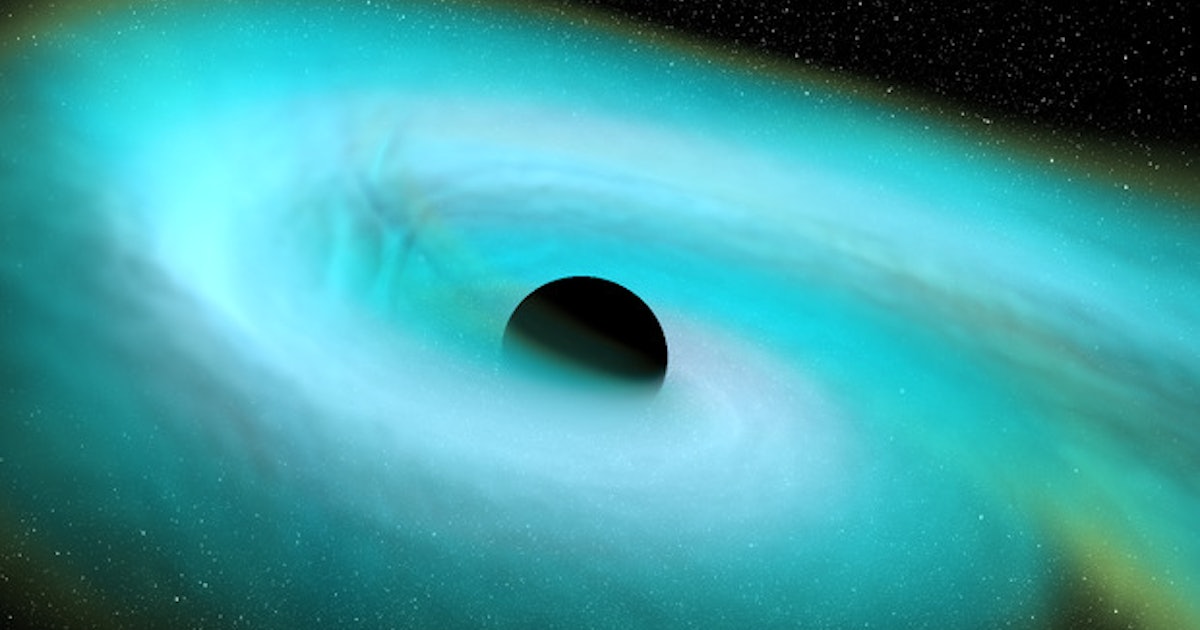
Neutron Star Collisions Lead to Black Holes and Jets, Study Finds

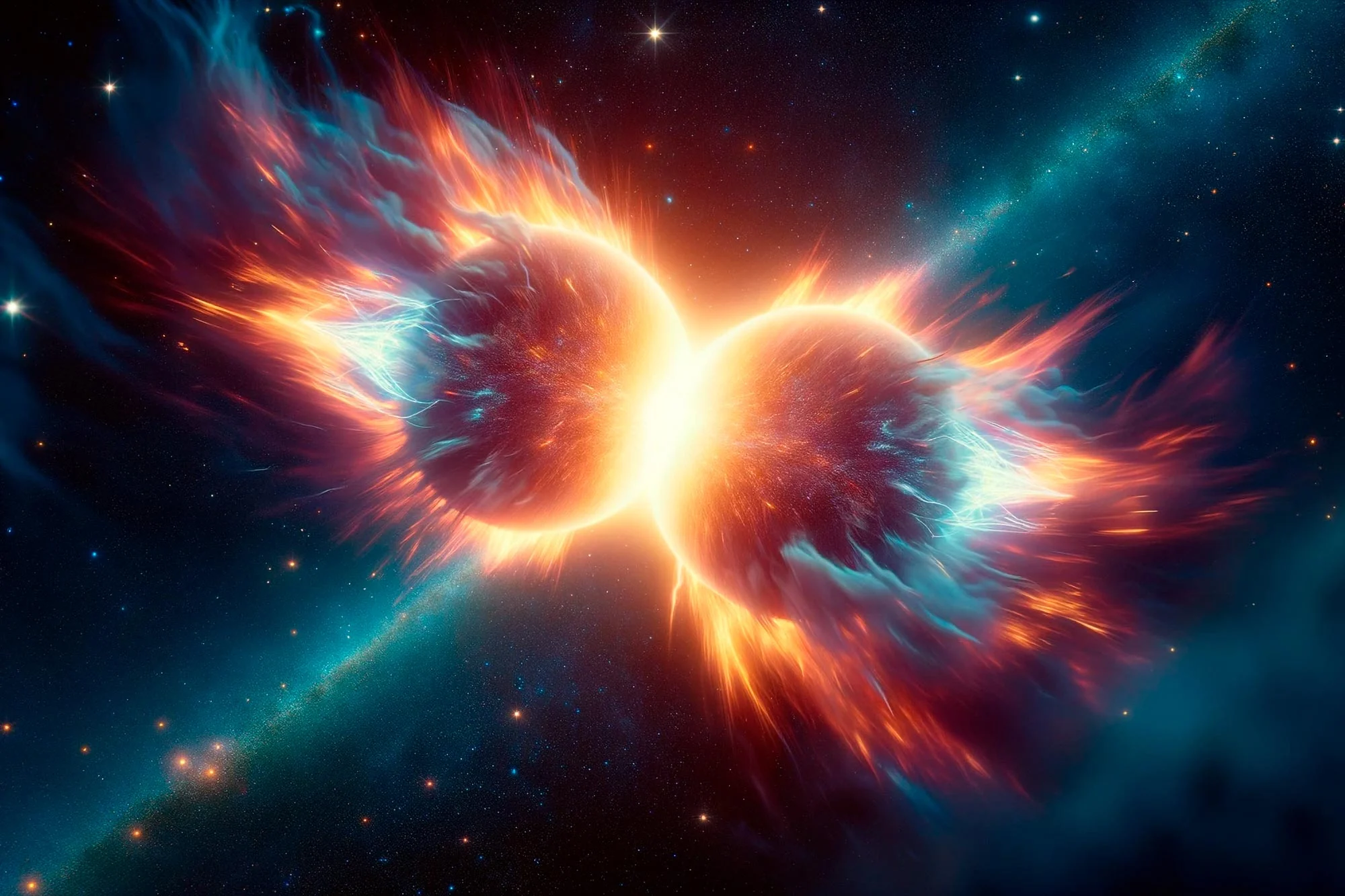
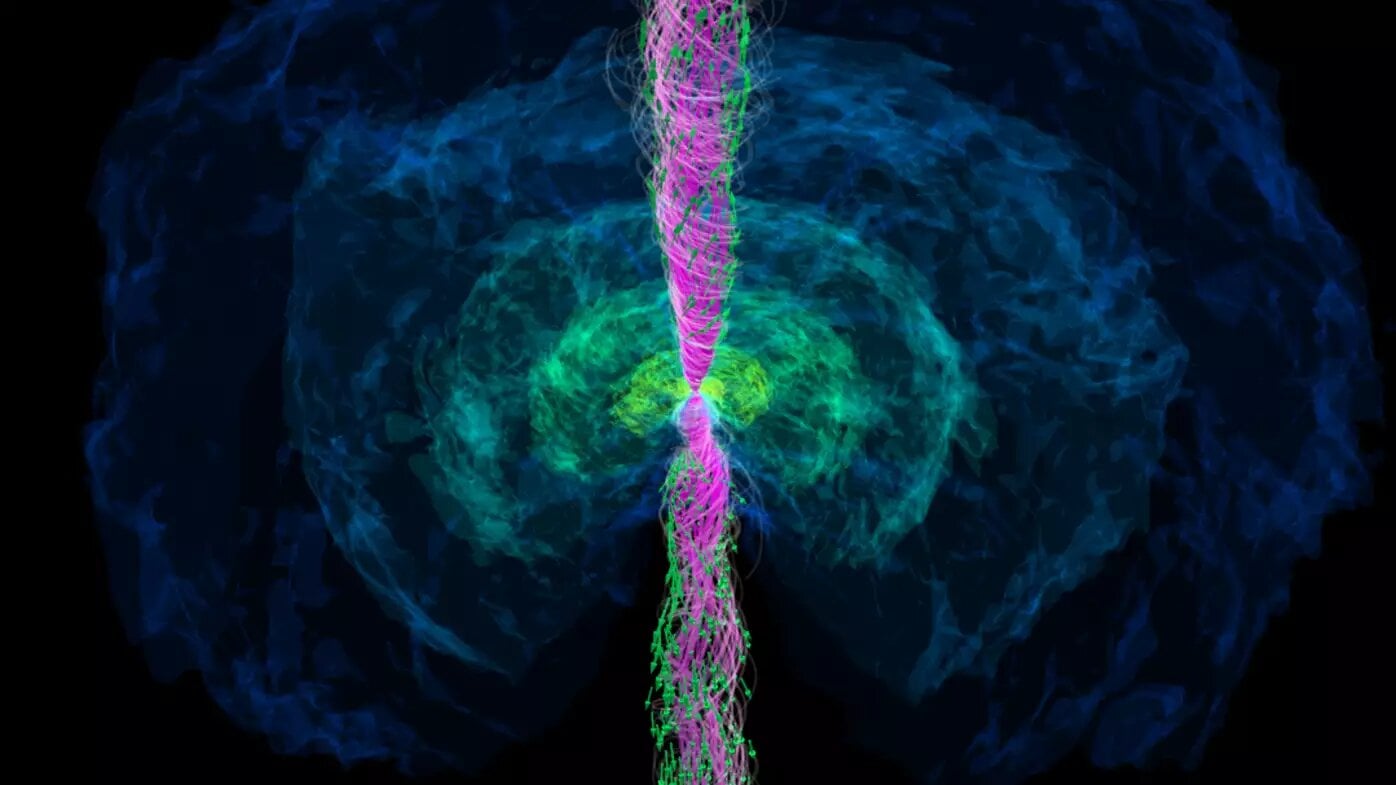
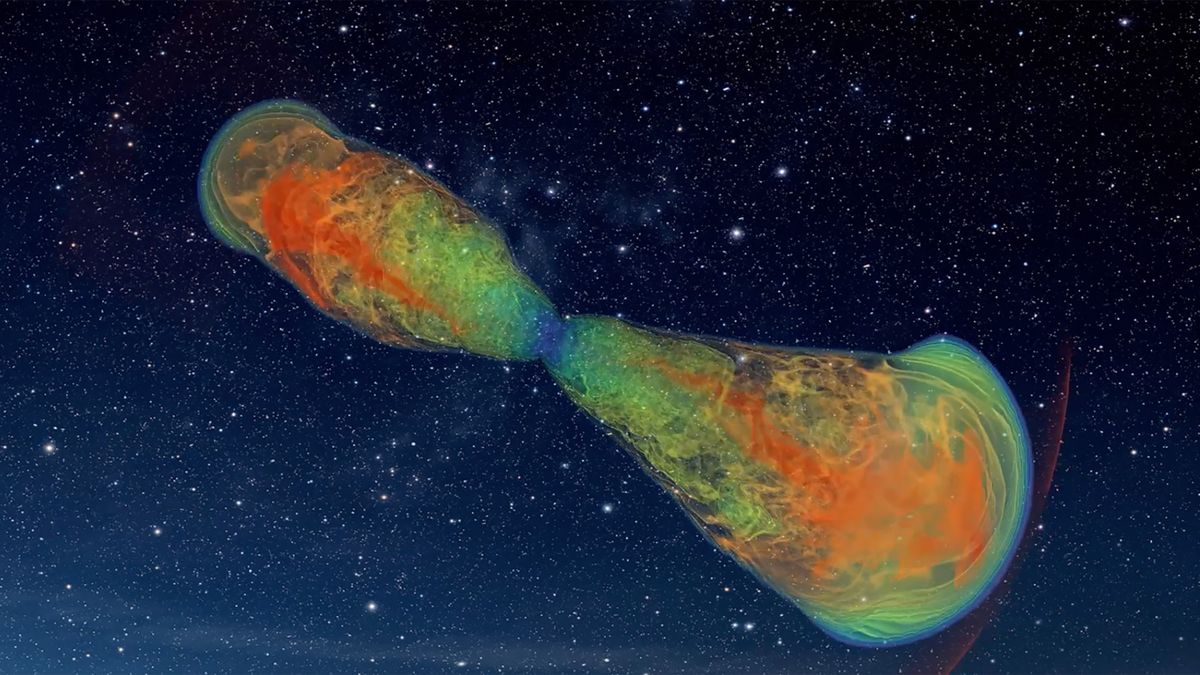
A detailed supercomputer simulation of neutron star mergers has been conducted, revealing the process of black hole formation and jet creation, which enhances understanding of multi-messenger signals like gravitational waves, neutrinos, and electromagnetic emissions, and provides insights into phenomena such as gamma-ray bursts and heavy element synthesis.

science-and-technology2 years ago

Southern Hemisphere Calls for Gravitational Wave Observatory

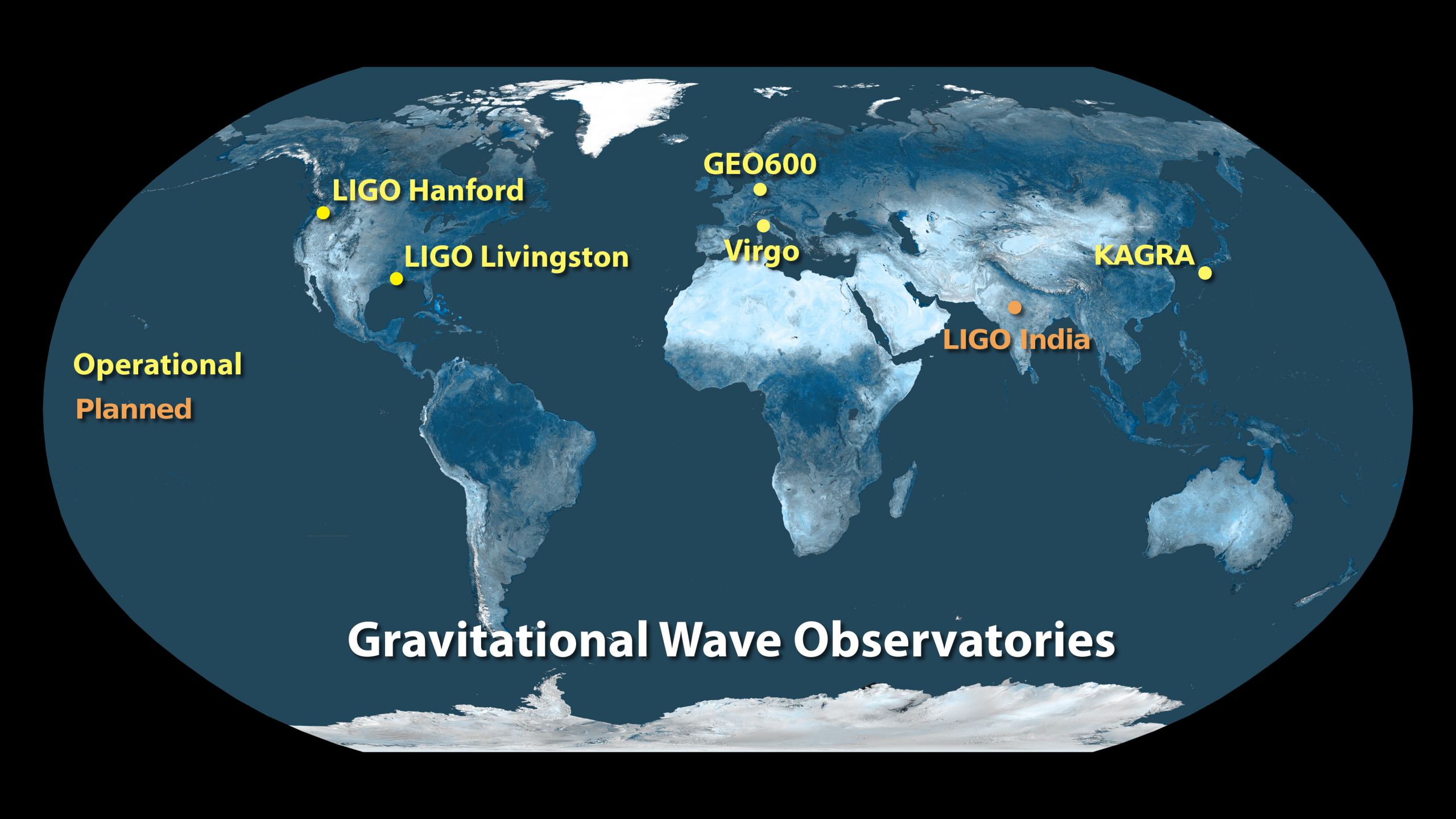
A recent study highlights the need for a gravitational wave observatory in the Southern Hemisphere, as all active observatories are currently located in the Northern Hemisphere. Building a gravitational wave observatory in the Southern Hemisphere would not only broaden global participation but also provide significantly more observational data, especially considering the dense central region of our galaxy is in the Southern sky. Adding an Australian detector to the existing LIGO and Virgo detectors would double the number of detected events, allowing for triangulation and multi-messenger astronomy. Future advanced detectors with longer arms would further enhance detection capabilities, and having an observatory in Australia would provide a significant advantage in maintaining a consistent detection rate.

science-and-technology2 years ago

IceCube-Gen2: Unprecedented Sensitivity with 8 Cubic Kilometers of Ice

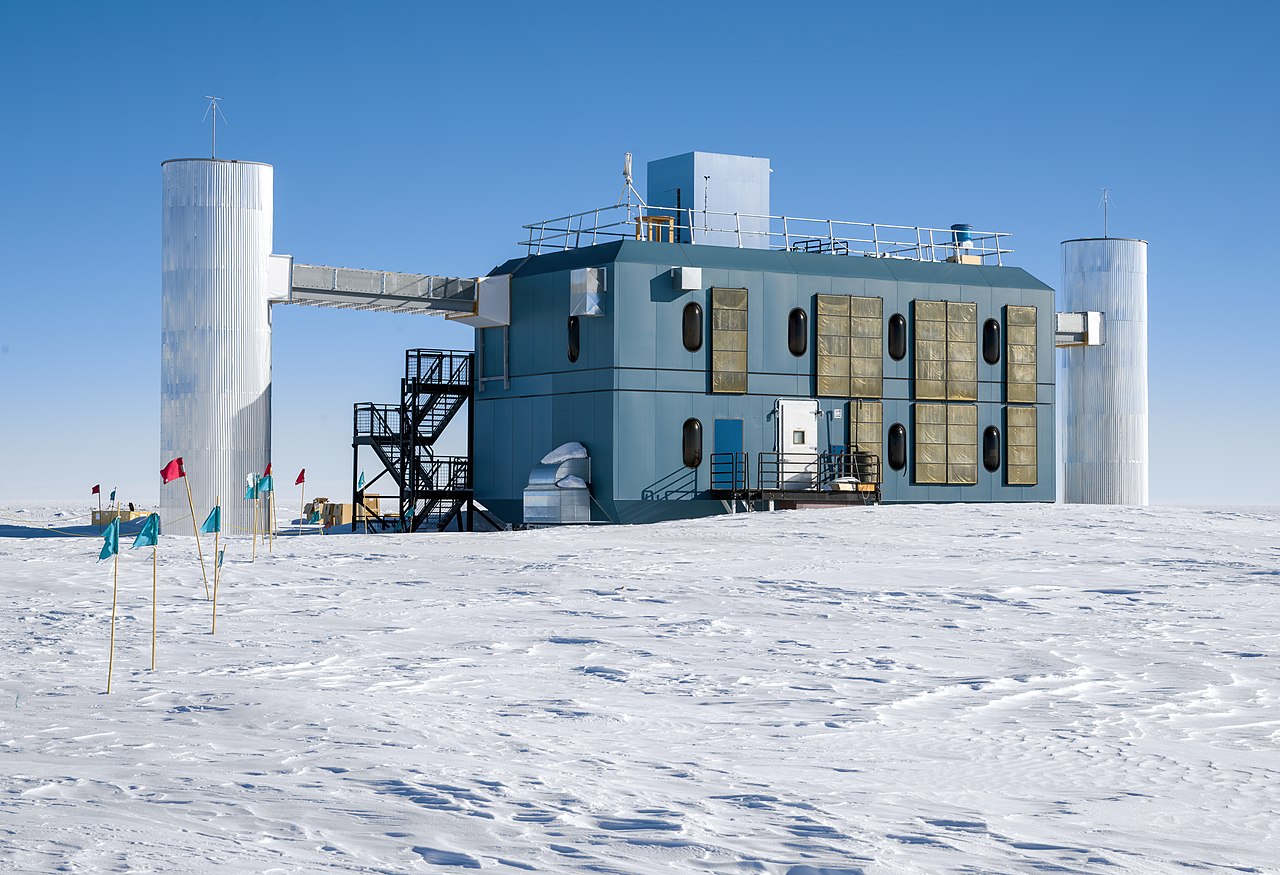
IceCube-Gen2, the next generation neutrino detector, is set to be 5 times more sensitive and 8 times larger than its predecessor, IceCube. With an upgraded facility and an expanded radio antenna array, IceCube-Gen2 aims to increase the number of neutrino detections by an order of magnitude and better pinpoint the sources of these elusive particles. The observatory will play a crucial role in multi-messenger astronomy, allowing scientists to study the universe through various observational techniques, including neutrino emissions. IceCube-Gen2 is expected to be operational by 2033 and will provide a more complete understanding of the high-energy universe.

astronomy2 years ago

"Unprecedented Discovery: IceCube Observes Milky Way in Neutrino Particles"

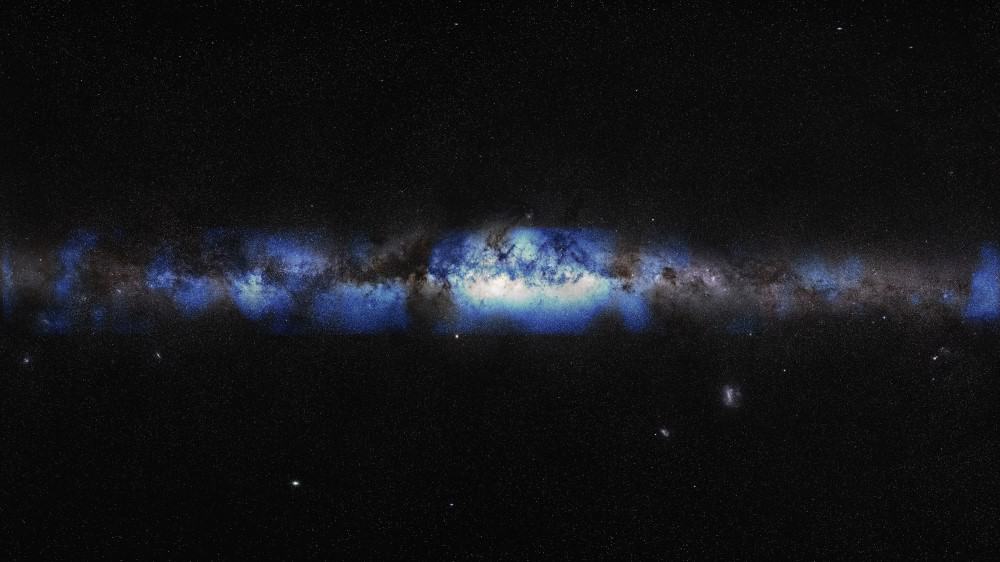
The IceCube Neutrino Observatory at the South Pole has detected high-energy neutrinos originating from within the Milky Way galaxy, marking the first observation of such particles. Neutrinos are fundamental particles that interact minimally with matter, and their detection opens up a new avenue for studying the Milky Way in particles rather than light. By using machine-learning techniques to analyze a decade's worth of data, researchers were able to identify cascade events caused by high-energy neutrinos, which were previously obscured by background signals. The next step is to identify specific sources of neutrinos in the Milky Way using the upgraded IceCube detector.

astronomy2 years ago

"Dying stars' cocoons create gravitational waves"

Researchers at Northwestern University have used computer simulations to show how cocoons of roiling gas spewed from dying stars may produce "impossible to ignore" gravitational waves, according to research presented at the 242nd meeting of the American Astronomical Society. The cocoon is a turbulent blob of gas, formed when the collapsing star's outer layers interact with the high-powered jets released from within. According to the calculations, the ripples created by the cocoon should be easily detectable by LIGO during its next set of observations.

science2 years ago

LIGO Upgraded to Detect Einstein's Wildest Theory with Increased Sensitivity.

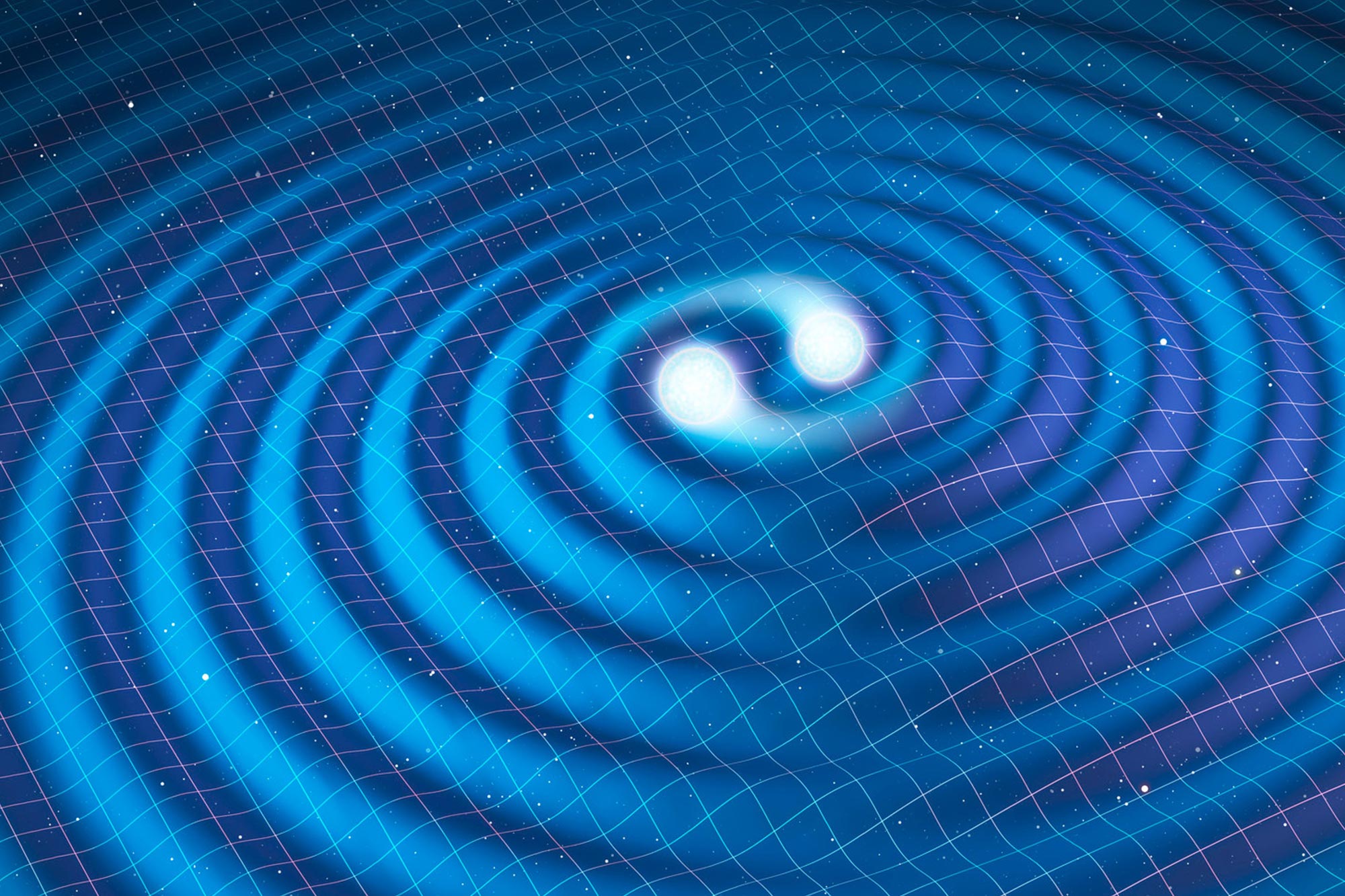
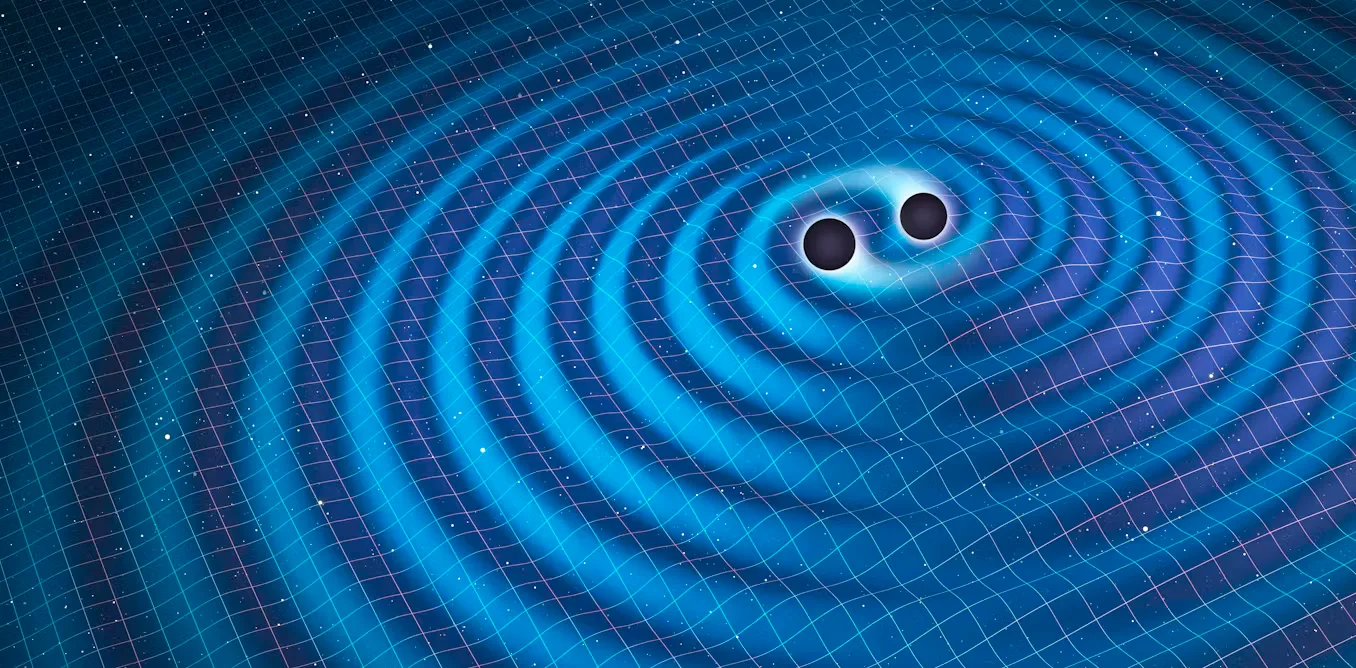
After a three-year hiatus, the Laser Interferometric Gravitational-Wave Observatory (LIGO) in the US has been upgraded to boost its sensitivity and detect fainter gravitational waves than before. Gravitational waves are created when massive objects like black holes or neutron stars merge with one another, producing sudden, large changes in space. By detecting more events that create gravitational waves, there will be more opportunities for astronomers to also observe the light produced by those same events, an approach called multi-messenger astronomy.

science-and-technology2 years ago

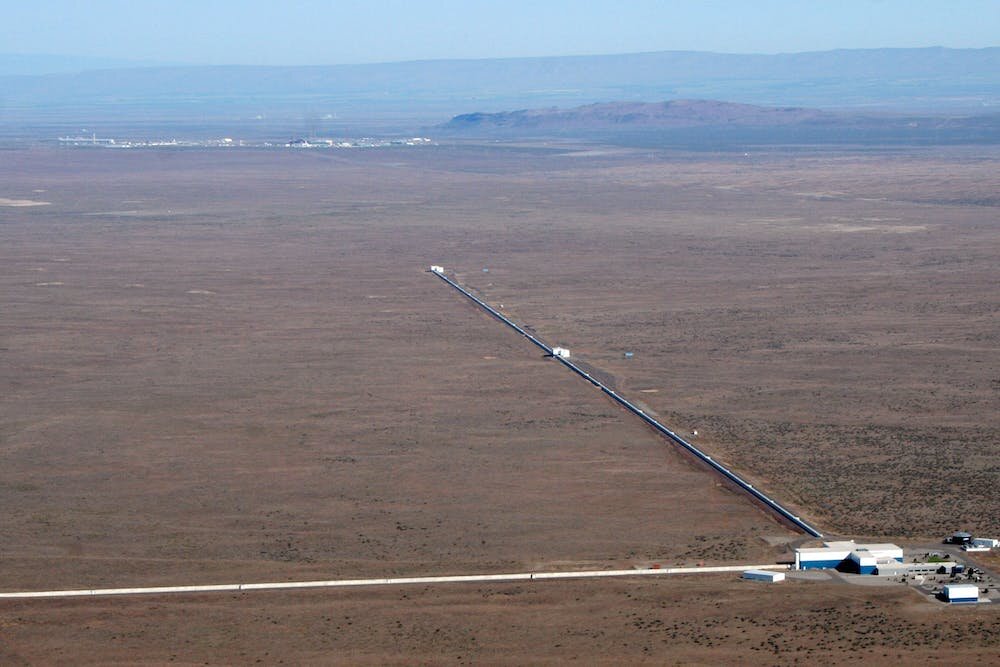
LIGO Reactivated with Enhanced Sensitivity for Uncovering Universe's Secrets.

The upgraded Laser Interferometric Gravitational-Wave Observatory (LIGO) has been reactivated after a three-year break, with improved sensitivity to measure gravitational waves. LIGO's fourth observation run will focus on real-time detection and localization of gravitational waves, which offer new opportunities for multi-messenger astronomy and deepen our understanding of astrophysical phenomena. Upgrades to the mechanical equipment and data processing algorithms should allow LIGO to detect fainter gravitational waves than in the past. The observatories have still not yet achieved their maximum design sensitivity.

science2 years ago

LIGO Resumes Gravitational Wave Search After 3-Year Upgrade Hiatus

The Laser Interferometric Gravitational-Wave Observatory (LIGO) in the US is back online after three years of upgrades. The improvements will significantly boost the sensitivity of LIGO and should allow the facility to observe more-distant objects that produce smaller ripples in spacetime. By detecting more events that create gravitational waves, there will be more opportunities for astronomers to also observe the light produced by those same events, providing rare and coveted opportunities to learn about physics far beyond the realm of any laboratory testing.

science2 years ago

LIGO's Upgraded Detector Resumes Gravitational-Wave Search

The Laser Interferometric Gravitational-Wave Observatory (LIGO) in the US has been upgraded and turned back on after a three-year hiatus. LIGO detects gravitational waves, which are tiny ripples in space that travel through the universe and provide insight into some of the most spectacular phenomena in the universe. Upgrades to LIGO will significantly boost its sensitivity, allowing it to observe more-distant objects that produce smaller ripples in spacetime. By detecting more events that create gravitational waves, there will be more opportunities for astronomers to also observe the light produced by those same events, providing a much deeper understanding of astrophysical phenomena.