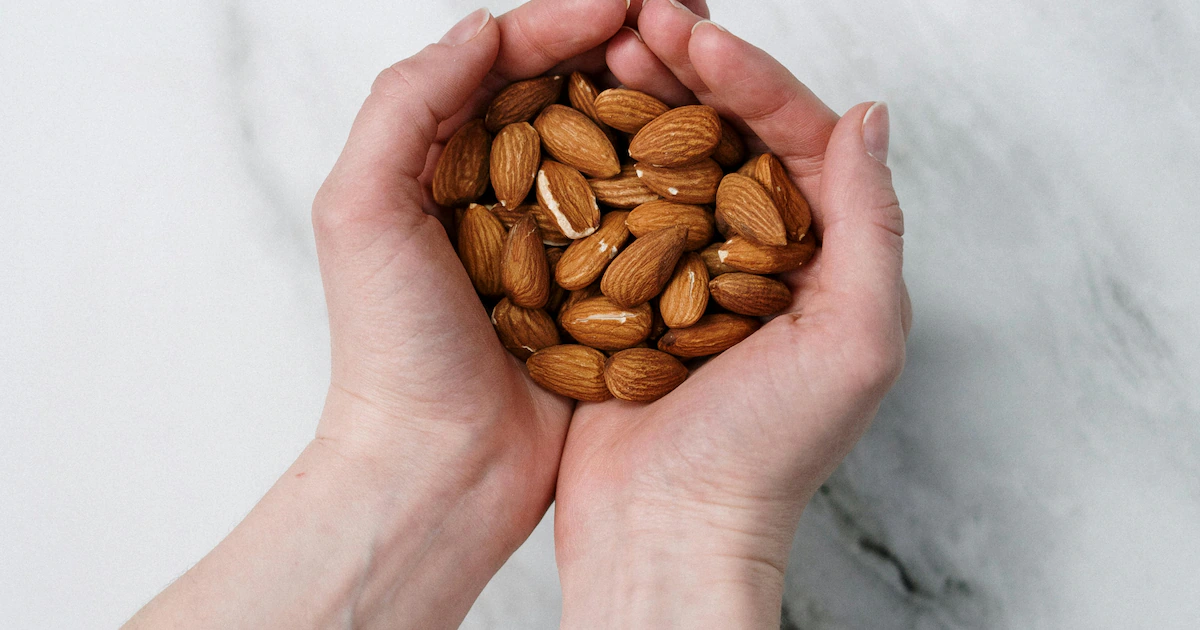
Eating almonds every morning can provide numerous health benefits, including improved heart health, better weight management, and enhanced brain function, making them a nutritious addition to your daily diet.

Canned foods like artichokes, salmon, hearts of palm, beans, and certain fruits are highly nutritious, cost-effective, and convenient options that can be just as healthy as fresh produce, making them excellent pantry staples for a balanced diet.
A recent study led by scientists from The Ohio State University found that snacking contributes to around 20% of an average American's daily caloric intake, with little nutritional value. People with type 2 diabetes consumed slightly fewer snack-related calories, indicating a conscious effort to cut down on snacking. The study suggests that diabetes education is effective in influencing dietary behaviors, but there is a need to extend this education to individuals at risk for diabetes and those with normal blood glucose levels to improve overall dietary patterns.
While Lean Cuisine offers a variety of lower-calorie, lower-fat frozen meals, some options may not be as healthy as they seem. Certain meals can be high in sodium, heavily processed, and low in fiber or protein. Examples include the Steak Portabella with high sodium content, the Baked Chicken lacking fiber, the Comfort Beef Pot Roast with low protein and high sugar, the Chicken Teriyaki Stir Fry with high sugar and low fiber, and the Cheddar Potatoes with Broccoli with low protein. It's important to consider the nutritional value and ingredients of Lean Cuisine meals before choosing them as a healthy option.
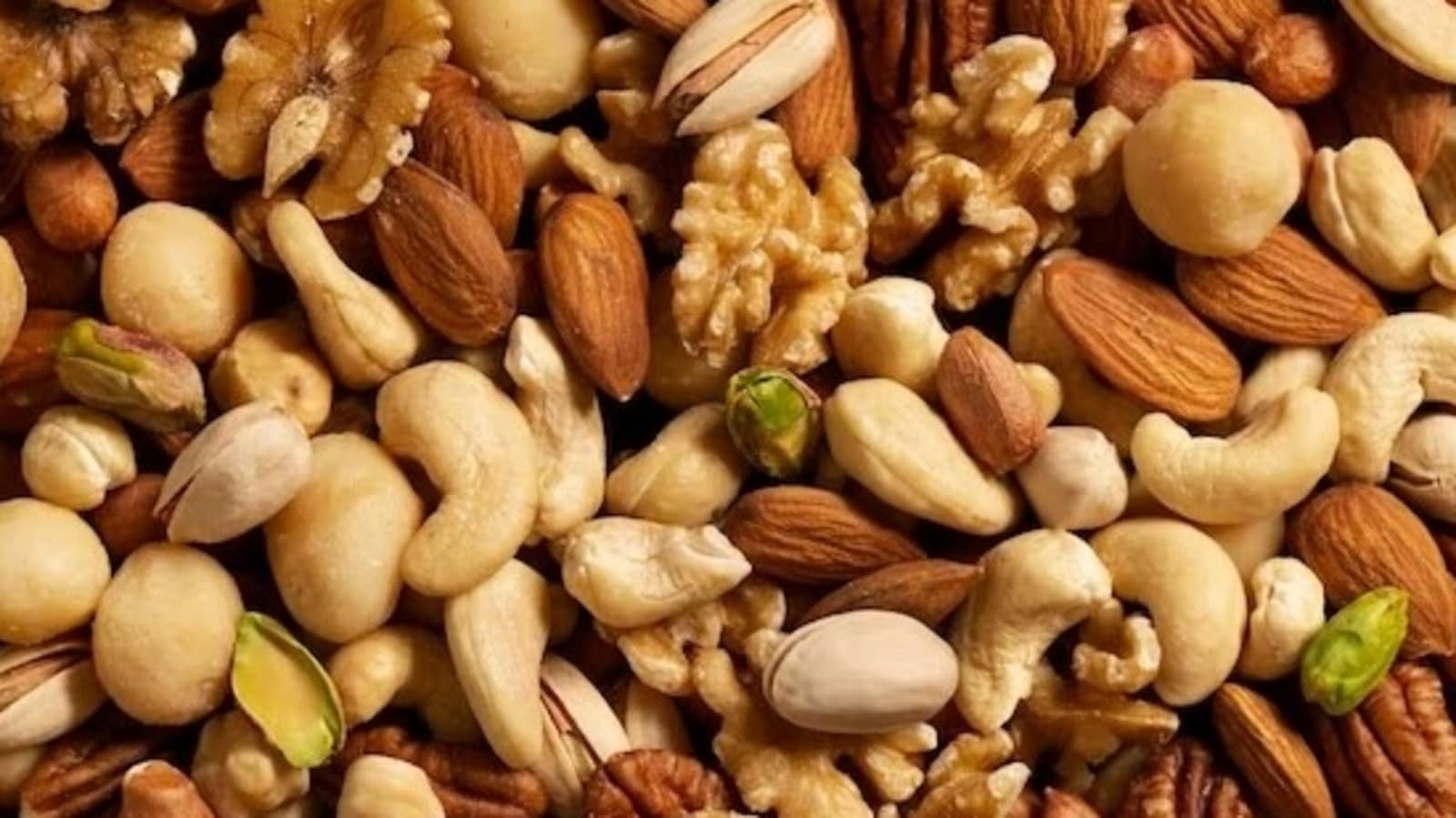
Nuts such as cashews, almonds, pistachios, walnuts, and pecans offer various health benefits, including promoting heart health, improving cognition, aiding in weight management, and supporting bone health and immunity. Cashews can improve sleep, almonds benefit the skin, pistachios can enhance sexual desire and combat erectile dysfunction, walnuts boost memory and mental health, and pecans fortify the immune system. Incorporating these nuts into daily routines can lead to a healthier lifestyle.
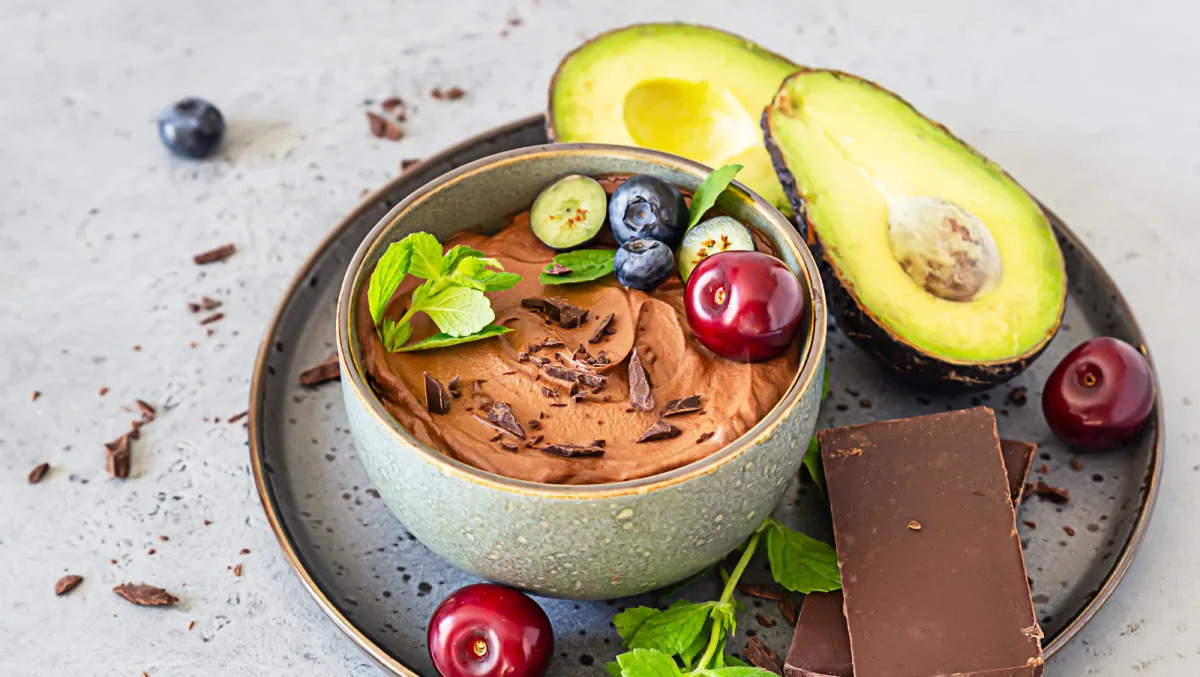
Avocado is the secret ingredient for creating a rich and creamy chocolate mousse that is both healthy and delicious. The avocado's naturally thick and silky consistency eliminates the need for cream, reducing unhealthy fat while providing monounsaturated fats that are beneficial for cardiovascular health. Avocado also adds vitamins, minerals, and dietary fiber to boost the dessert's nutritional value. The mild taste of avocado complements the dark sweetness of chocolate, and other fruits like pumpkins or bananas can be used for variation. Adding butter or sweet ingredients like peaches or dates can further enhance the texture and flavor of the mousse.
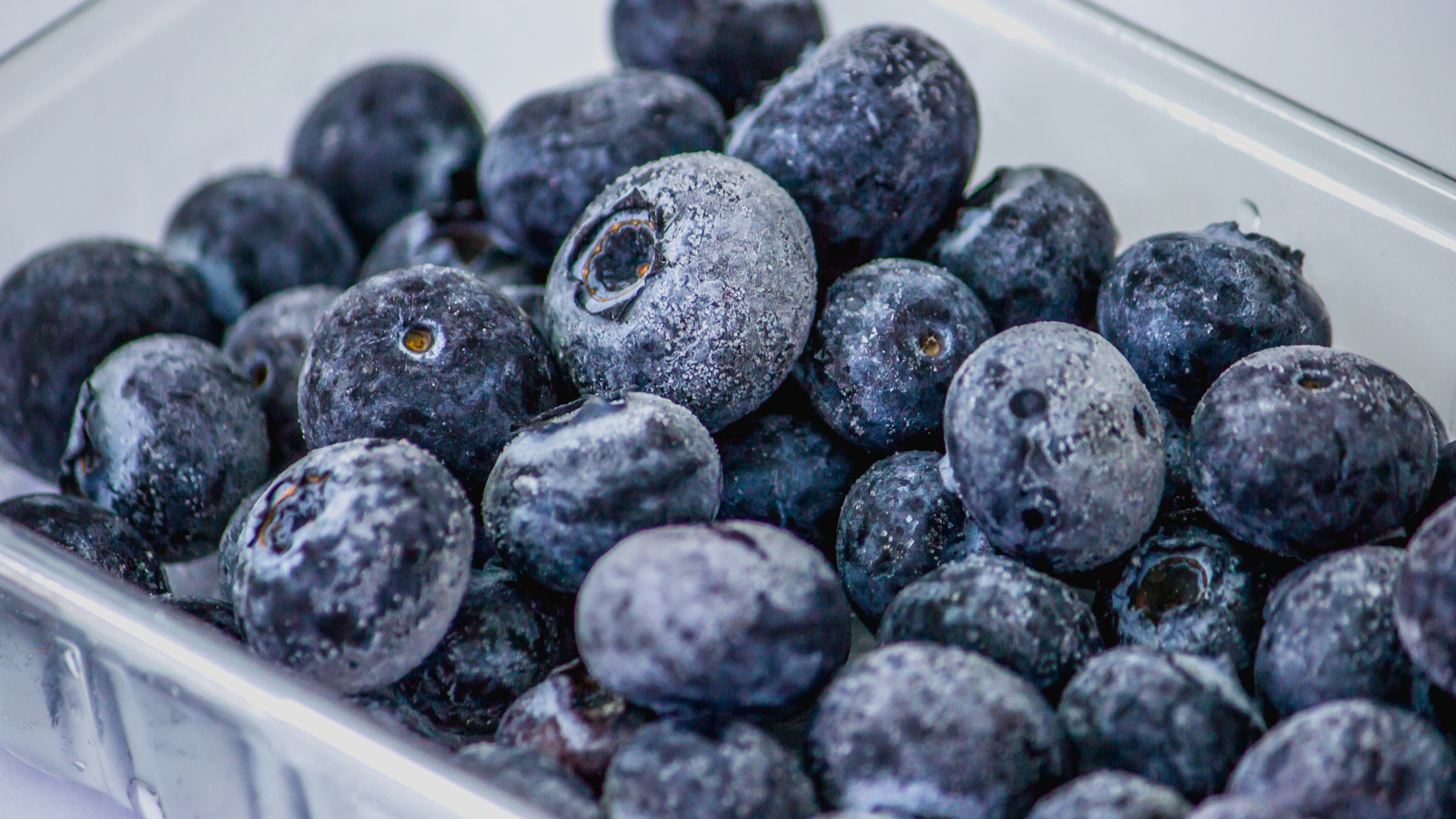
Choosing frozen blueberries over fresh ones offers several advantages, including a longer shelf life, pre-packaged cleanliness, and the ability to easily incorporate them into various recipes. Additionally, frozen blueberries may provide more nutritional value as freezing concentrates the antioxidants, known as anthocyanins, found in the skin of the berries. These antioxidants have been linked to various health benefits, such as reducing the risk of cardiovascular disease and type 2 diabetes. Furthermore, frozen blueberries maintain their delicious flavor and freshness, making them a convenient and nutritious choice.
Many store-bought canned foods have health concerns such as high sodium content, saturated and trans fats, preservatives, and additives. Some canned foods also contain common allergens and unwanted substances like mercury. Additionally, they may lack essential nutrients and have high-calorie content. Examples of unhealthy canned foods include Del Monte Sliced Peaches, Manwich Bourbon BBQ Sloppy Joe Sauce, Rosarita Refried Beans, Campbell's Condensed Tomato Soup, and Ocean Spray Jellied Cranberry Sauce.
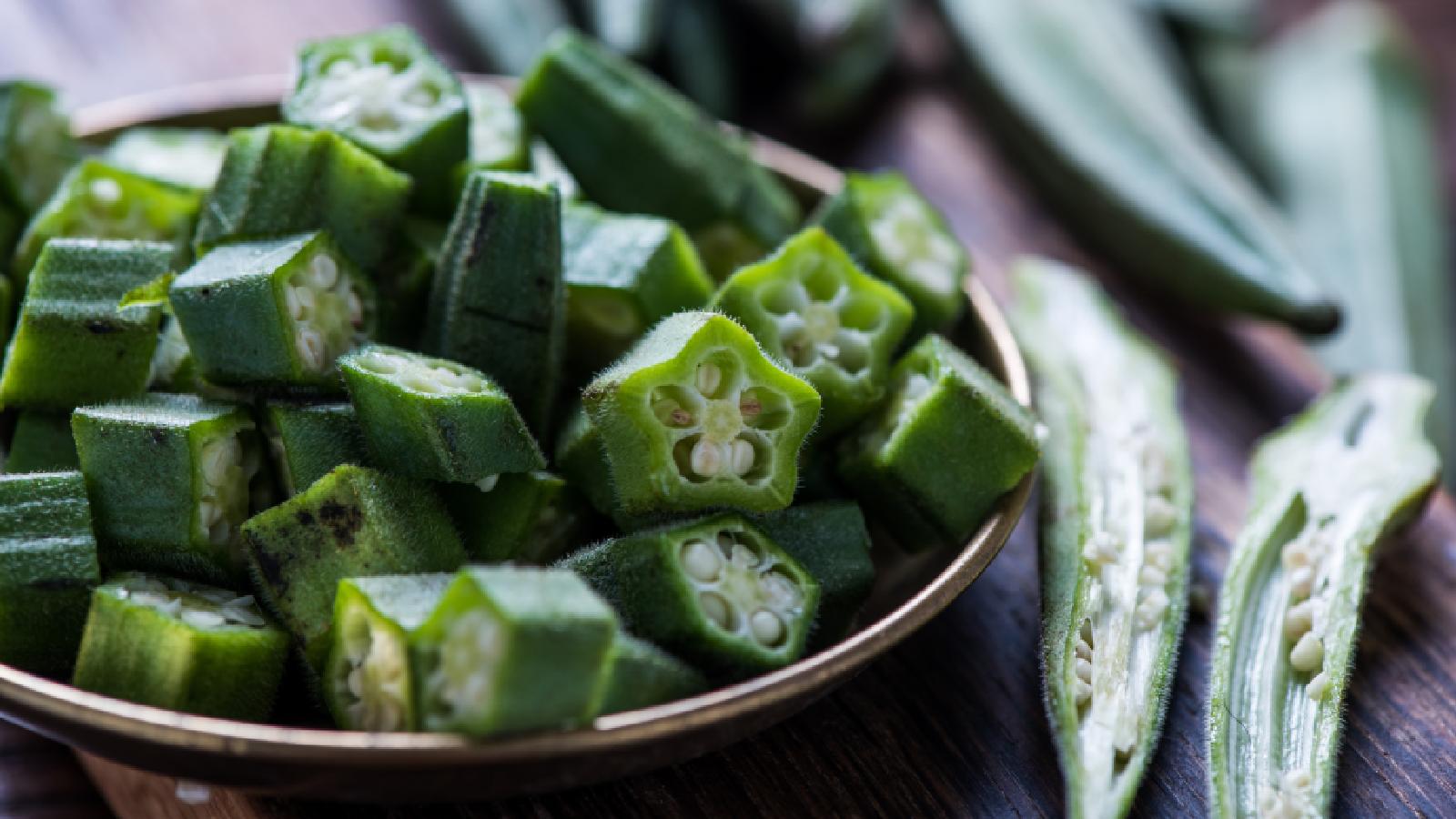
Okra, also known as lady's fingers or bhindi, is a superfood that offers several benefits for diabetics. It has a low glycemic index, high fiber content, and is rich in antioxidants, which can help regulate blood sugar levels, slow down carbohydrate digestion, and protect cells from damage caused by high blood sugar. Okra may also improve insulin sensitivity. While drinking okra water is a popular home remedy for diabetes, scientific evidence supporting its effectiveness is limited. However, including okra in a diabetic-friendly diet through various cooking methods can be beneficial. It is important to consult a doctor before relying solely on okra water to manage diabetes.
The way eggs are cooked can have a significant impact on their nutritional value. Frying eggs reduces the amount of vitamin A by up to 20% and can release toxic substances when using certain oils. Boiling eggs, especially hard-boiling, leads to a loss of antioxidant content. Soft-cooking methods like soft-boiling can increase the risk of foodborne illness. Microwaving eggs is not the healthiest option but is slightly better than frying or boiling. Baking eggs for a long period of time can result in a loss of vitamin D. Scrambling eggs with additives like oil and butter can reduce their nutritional value. Deviled eggs, while not the unhealthiest, can lose vitamins and antioxidants through hard-boiling and the addition of mayonnaise.
Cottage cheese is making a comeback as a trendy and nutritious food. Compared to other dairy products, it is relatively low in calories and high in protein, selenium, riboflavin, phosphorous, and calcium. However, it can also be high in sodium, so individuals with high blood pressure should consume it in moderation. Those sensitive to lactose should also be cautious. When choosing cottage cheese, opt for varieties with no added sugars and low fat percentages, and prioritize whole, unprocessed options with minimal ingredients.
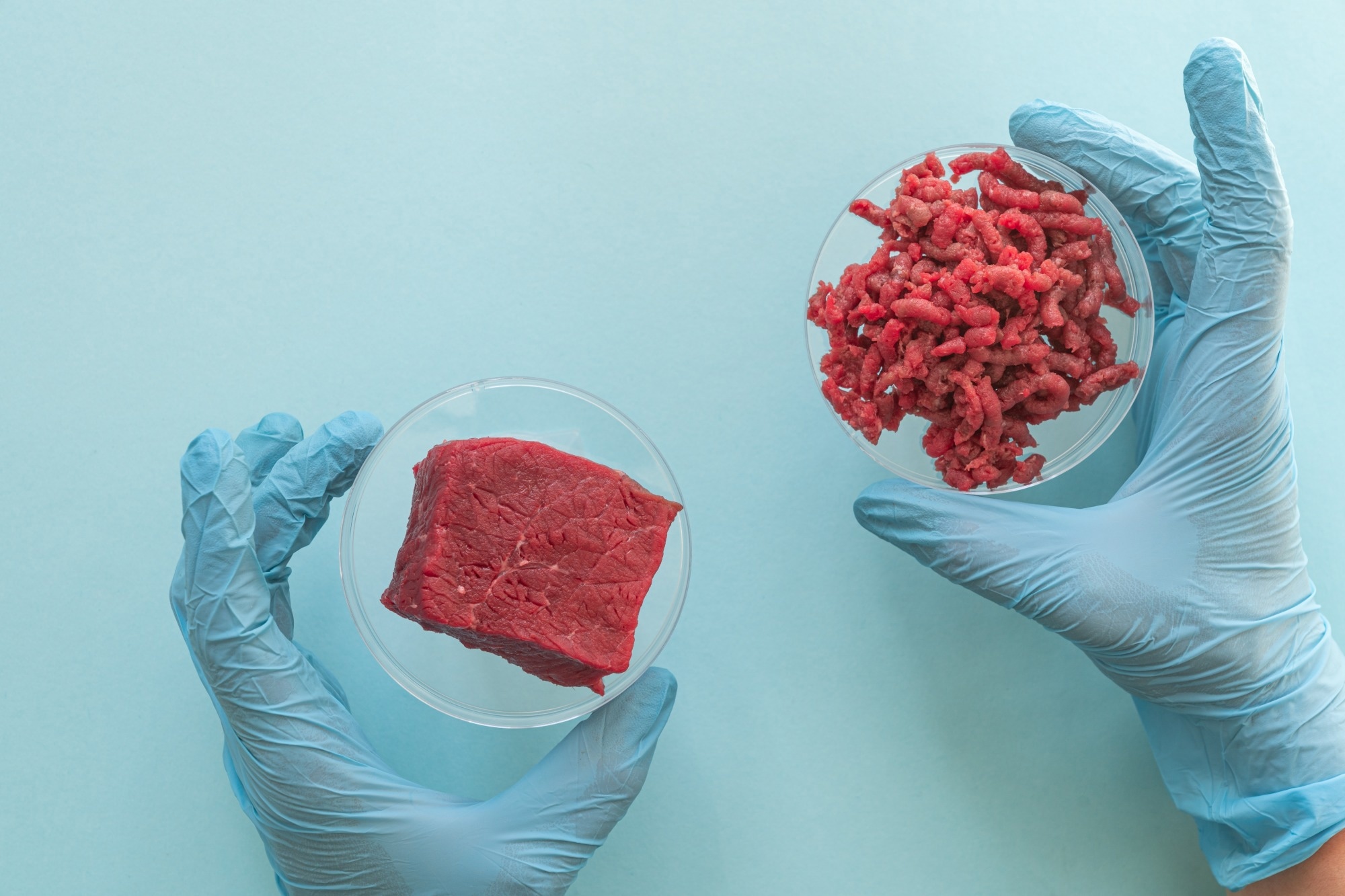
A recent study in the Netherlands found that consumers generally perceive plant-based meat alternatives as healthier than meat, but are less willing to buy them due to lower palatability and higher prices. Participants also overestimated the protein content of meat alternatives compared to meat. The study highlights the need for a transparent and fair environment regarding the nutritional value of meat alternatives for consumers to create a sustainable food system.
A survey conducted in China found that Chinese consumers are concerned about the nutritional value and presence of pesticides in fruit peels. Scientists recommend country-specific food-quality inspection standards to analyze the risk of fruit peel consumption based on pesticide content. Liquid and gas chromatography are the two most commonly used methods to detect pesticides in fruit peels, and washing with hot water, saline water, and rice water are considered better options for pesticide removal. Fruit peels contain high amounts of minerals, vitamins, dietary fibers, and other phytochemicals with health benefits, but certain molecules found on fruit peels can induce allergic reactions in some individuals.