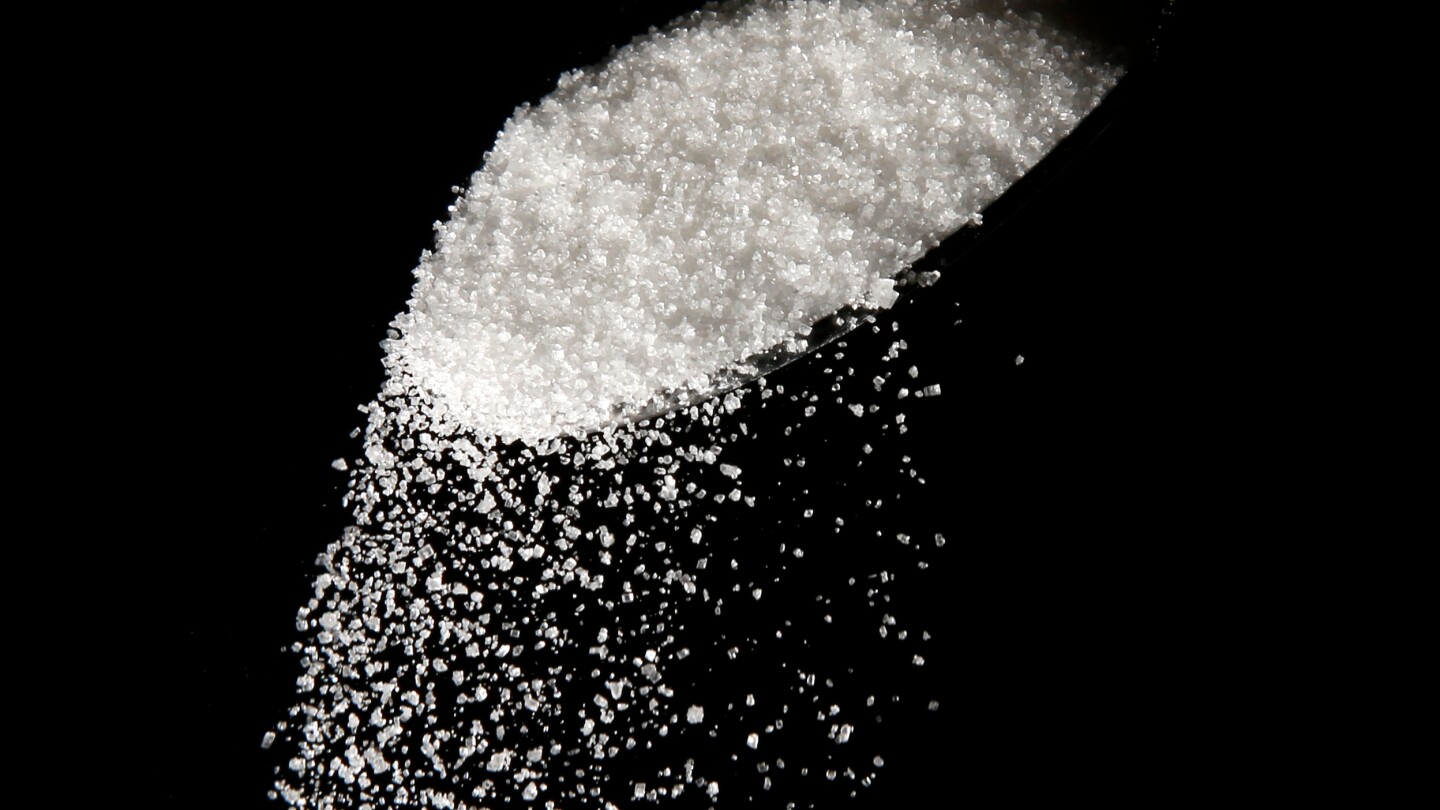
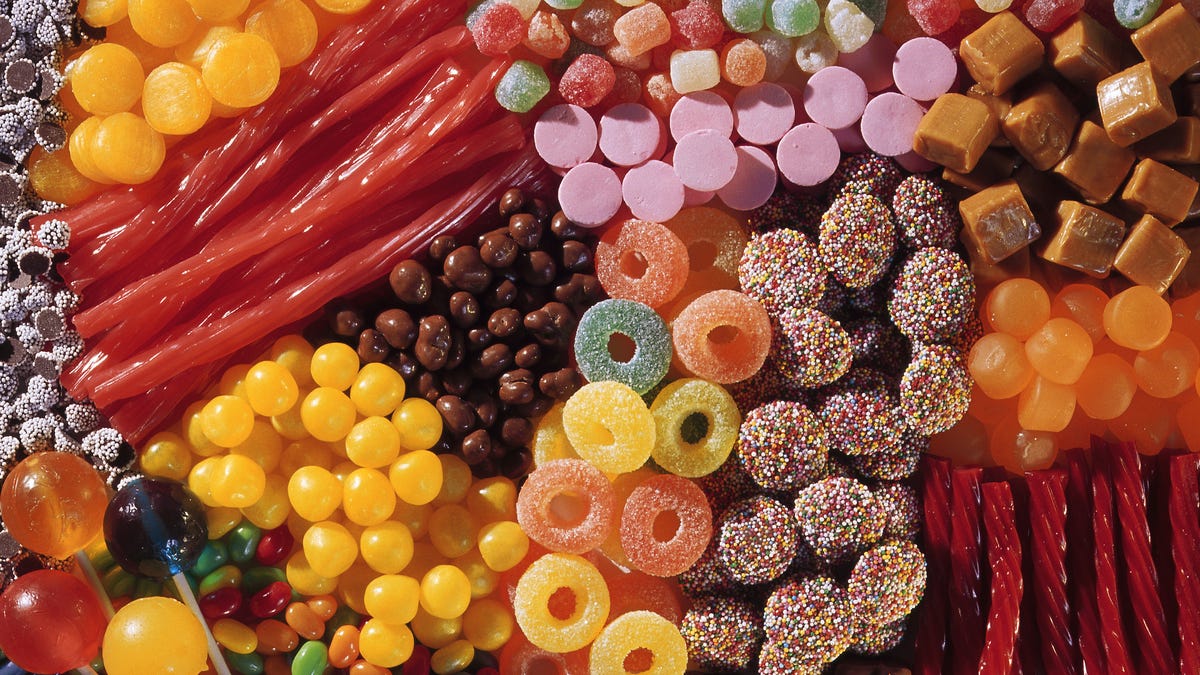
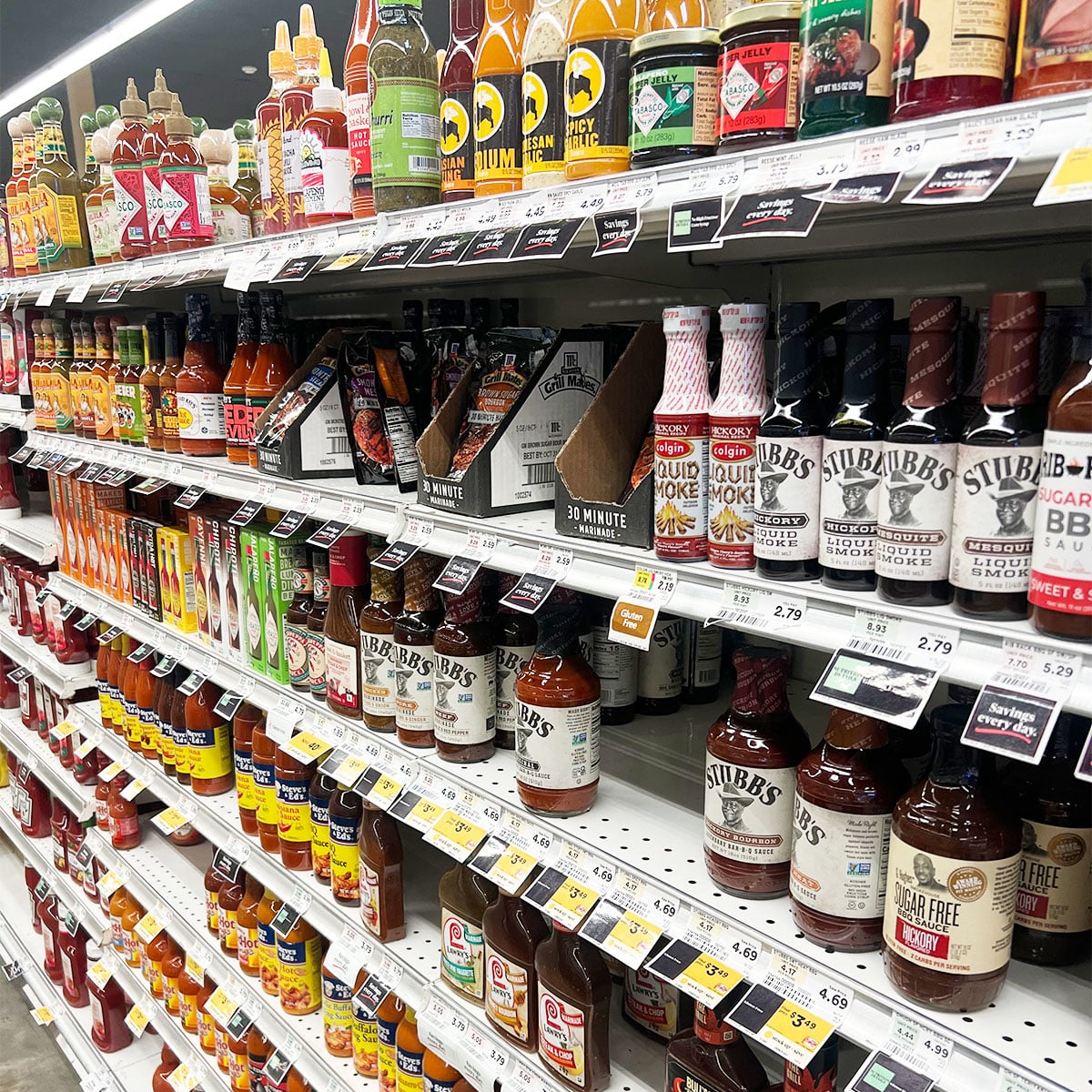
Many processed foods and 'healthy' products contain hidden added sugars that can be disguised through clever marketing and alternative sweeteners. Consumers should carefully read nutrition labels, especially the added sugar content, and be cautious of seemingly healthy options like organic or plant-based products, which can still contain significant amounts of sugar. Reducing intake to less than 5-10% of daily calories is advisable, and choosing plain foods to add natural sweeteners is a healthier strategy.
This article provides a 7-day high-protein vegetarian meal plan created by a dietitian, focusing on plant-based protein sources and omitting added sugars. The plan includes at least 75 grams of protein and 28 grams of fiber per day, with options for 1,200, 1,500, and 2,000 calorie levels. It emphasizes the benefits of a vegetarian diet, such as increased fiber intake and potential improvements in heart health and weight loss. The plan features protein-rich foods like beans, lentils, nuts, dairy, eggs, soy, and whole grains, and offers meal-prep suggestions for each day.
Americans consume more than double the recommended amount of added sugars, with natural sweeteners like honey and maple syrup still counting as added sugars. While these natural sweeteners may have slightly lower glycemic indexes and contain some vitamins and minerals, they should still be limited in the diet. Instead, experts recommend obtaining sugar intake from naturally-occurring sources like whole fruits and milk, which also provide fiber, minerals, and vitamins. It's important to minimize the intake of added sugars commonly found in processed foods and focus on enjoying healthier sources of sugars for a balanced and healthy diet.
Brown sugar, a popular cooking ingredient, is made from mixing granulated white sugar with molasses and comes in light and dark varieties. Despite its distinct flavor and use in various recipes, brown sugar has very little nutritional value and should not be considered healthier than white sugar. Both brown and white sugars are categorized as added sugars, and dietary recommendations suggest limiting intake to under 50 grams per day. Overconsumption of added sugars, including brown sugar, has been linked to health risks such as hypertension, type 2 diabetes, heart attack, and stroke, so it's advised to use as little as possible.
Corn syrup, particularly the high-fructose variety, is a common ingredient found in numerous processed foods and beverages. While it enhances flavor and extends shelf life, overconsumption of corn syrup has been linked to health issues such as heart disease, type 2 diabetes, and obesity. Corn syrup is high in sugar and calories, and excess fructose can be converted into fat storage. It may also have negative effects on the liver and increase the risk of inflammatory-related conditions. The Dietary Guidelines for Americans recommend limiting all added sugars, including high fructose corn syrup, to no more than 50 grams per day. It is important to read food labels and be mindful of the amount of corn syrup and other added sugars consumed.
The American diet is filled with excessive amounts of added sugars, not only in obvious sources like candy and soda but also in seemingly healthier options like yogurt and granola. This overconsumption of added sugars contributes to various health risks, including weight gain, diabetes, heart disease, and tooth decay. The Food and Drug Administration (FDA) recently held a meeting on added sugars and legislation has been signed to require warnings on menu items with excessive added sugars. While the FDA has already mandated the labeling of added sugars on packaged foods, studies show that few people regularly use these labels. To address this issue, a petition has been submitted to the FDA to set gradual, voluntary targets for reducing added sugars in food and drinks over the next decade. The petition also calls for tracking industry progress, public reporting, and setting targets for restaurant foods. Implementing such measures could have a significant positive impact on Americans' health, preventing cardiovascular disease events, deaths, diabetes cases, and saving costs. Ultimately, the FDA must take action to reduce added sugars in the food supply and encourage the food industry to reformulate their products for healthier choices.
Consuming excessive amounts of added sugars can have negative health consequences, including an increased risk of obesity, type 2 diabetes, fatty liver disease, and heart disease. The recommended daily limit for added sugars is 50 grams (about 12 teaspoons) per day, based on a 2,000-calorie diet. Some health organizations suggest consuming even less than this, with the World Health Organization recommending less than 10% of total daily caloric intake and the American Heart Association suggesting no more than 36 grams for men and 25 grams for women. While sugar can provide quick energy and be useful in certain situations, it's important to be mindful of the type and amount of sugar consumed to maintain a healthy diet.
Many store-bought canned foods have health concerns such as high sodium content, saturated and trans fats, preservatives, and additives. Some canned foods also contain common allergens and unwanted substances like mercury. Additionally, they may lack essential nutrients and have high-calorie content. Examples of unhealthy canned foods include Del Monte Sliced Peaches, Manwich Bourbon BBQ Sloppy Joe Sauce, Rosarita Refried Beans, Campbell's Condensed Tomato Soup, and Ocean Spray Jellied Cranberry Sauce.
Granola, often considered a healthy snack, can negatively impact metabolism due to high sugar content in store-bought varieties. Consuming sugary granola can lead to blood sugar spikes, inflammation, and long-term metabolic disruptions. Opting for homemade granola without added sugars or seeking no-sugar-added alternatives is recommended for maintaining a healthy lifestyle.
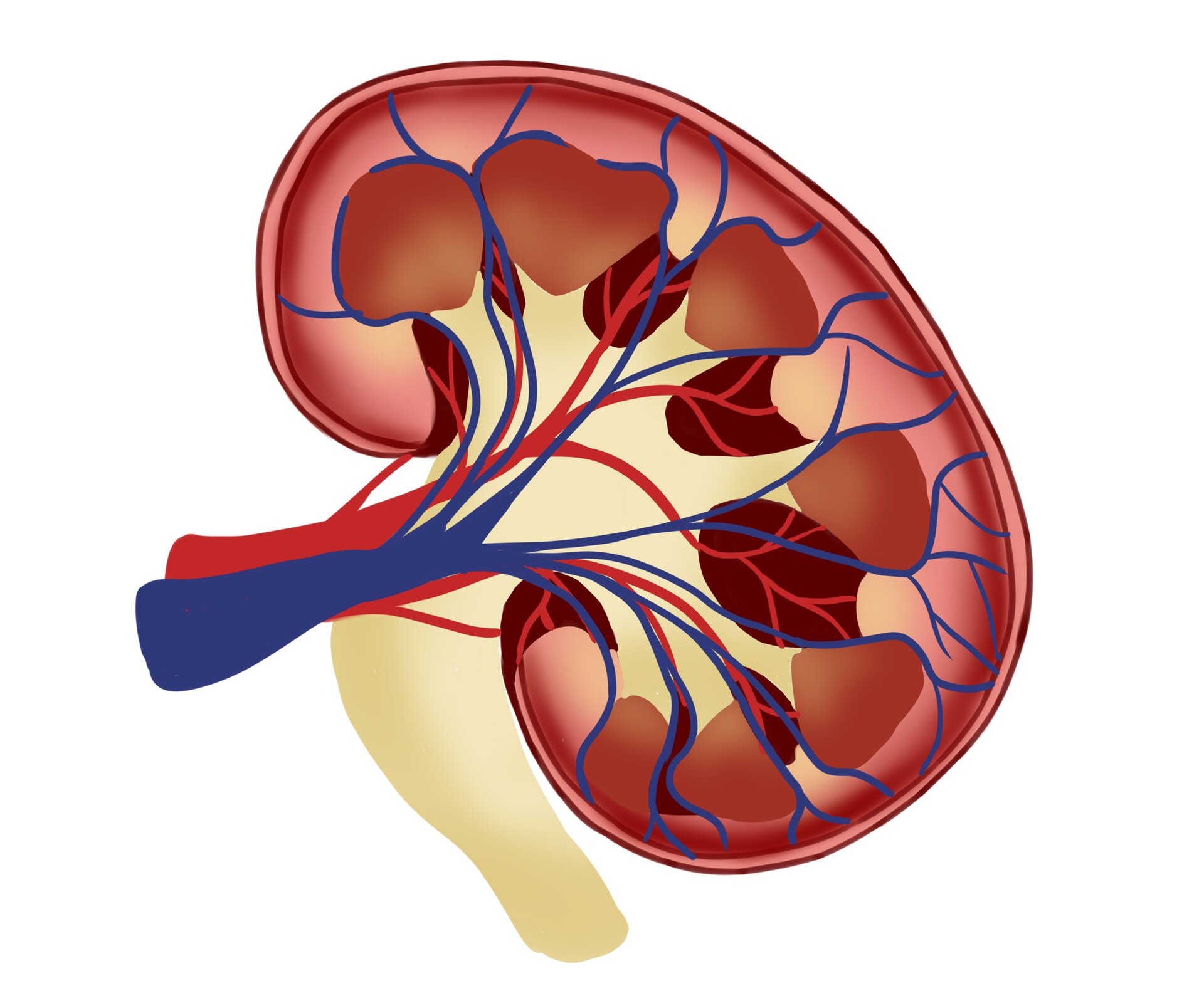
Consuming more than 25% of total energy from added sugars increases the risk of developing kidney stones by 88% compared to those who consume less than 5% of their energy from added sugars, according to a study published in Frontiers in Nutrition. The study analyzed data from over 28,000 adults and found that limiting added sugar intake may help prevent kidney stone formation. Lifestyle factors such as gender, age, race, body mass index, smoking status, and history of diabetes were also considered. Experts recommend checking nutrition labels for added sugars, opting for whole foods as snacks, limiting sugary beverages, being mindful of condiments and sauces, and increasing water intake while reducing sodium intake to lower the risk of kidney stones.
A new study using data from the US National Health and Nutrition Examination Survey (NHANES) has found a link between elevated consumption of added sugars and an increased risk of kidney stones. Participants with the highest intake of added sugars had a 39% greater chance of developing kidney stones. Kidney stones can cause intense discomfort and lead to complications such as infections and renal disease. The study suggests that limiting added sugar intake may help prevent the formation of kidney stones. Further research is needed to explore the association in more detail.
A study published in Frontiers in Nutrition has found that consuming elevated amounts of added sugars may increase the risk of developing kidney stones. The study analyzed data from over 28,000 adults and found a positive correlation between the percentage of energy intake from added sugars and the likelihood of developing kidney stones. Participants with higher intake of added sugars had a higher prevalence of kidney stones. The study suggests that limiting added sugar intake may help prevent the formation of kidney stones. However, further research is needed to understand the mechanisms behind this association and determine specific recommendations for reducing added sugar consumption.
Dietitians recommend avoiding three artificial ingredients - trans fats, coconut oil, and added sugars - if you suffer from high cholesterol. Trans fats, found in baked goods and fried foods, raise LDL cholesterol levels and increase the risk of cardiovascular disease. Coconut oil, despite its popularity, lacks scientific evidence for health benefits and may have negative effects on cardiovascular health. Instead, opt for healthier oils like olive oil and avocado oil. Excess sugar, found in sugary beverages, desserts, and even condiments, can contribute to the formation of plaque in arteries. Check food labels for hidden sugars in supposedly "healthy" foods. Educating ourselves about artificial ingredients can help make healthier choices.
An umbrella review of existing meta-analyses has found that high dietary sugar consumption is generally more harmful than beneficial for health, especially in cardiometabolic disease. The review identified 73 meta-analyses and 83 health outcomes from 8,601 unique articles, including 74 unique outcomes in meta-analyses of observational studies and nine unique outcomes in meta-analyses of randomised controlled trials. Significant harmful associations between dietary sugar consumption and 18 endocrine/metabolic outcomes, 10 cardiovascular outcomes, seven cancer outcomes, and 10 other outcomes (neuropsychiatric, dental, hepatic, osteal, and allergic) were detected.