Tag

Dietary Patterns

All articles tagged with #dietary patterns

Eating Cheese and Other High-Fat Foods May Reduce Dementia Risk

Originally Published 14 days ago — by ScienceAlert

Featured image for Eating Cheese and Other High-Fat Foods May Reduce Dementia Risk
Source: ScienceAlert

A Swedish study suggests that higher consumption of full-fat cheese and cream may be linked to a lower risk of dementia, especially among those without genetic risk factors, but results should be interpreted with caution as overall diet and lifestyle factors play a significant role in brain health.

The Impact of Ultra-Processed Foods on Health and Fertility

Originally Published 4 months ago — by SciTechDaily

Featured image for The Impact of Ultra-Processed Foods on Health and Fertility
Source: SciTechDaily

New research from Swinburne challenges the notion that all ultra-processed foods are harmful, highlighting that some can be nutritious and beneficial within a balanced diet, and calls for a more nuanced classification system that considers both processing and nutritional value.

Comparing Mediterranean, Fasting, and DASH Diets for MASLD Management

Originally Published 6 months ago — by Medical Xpress

Featured image for Comparing Mediterranean, Fasting, and DASH Diets for MASLD Management
Source: Medical Xpress

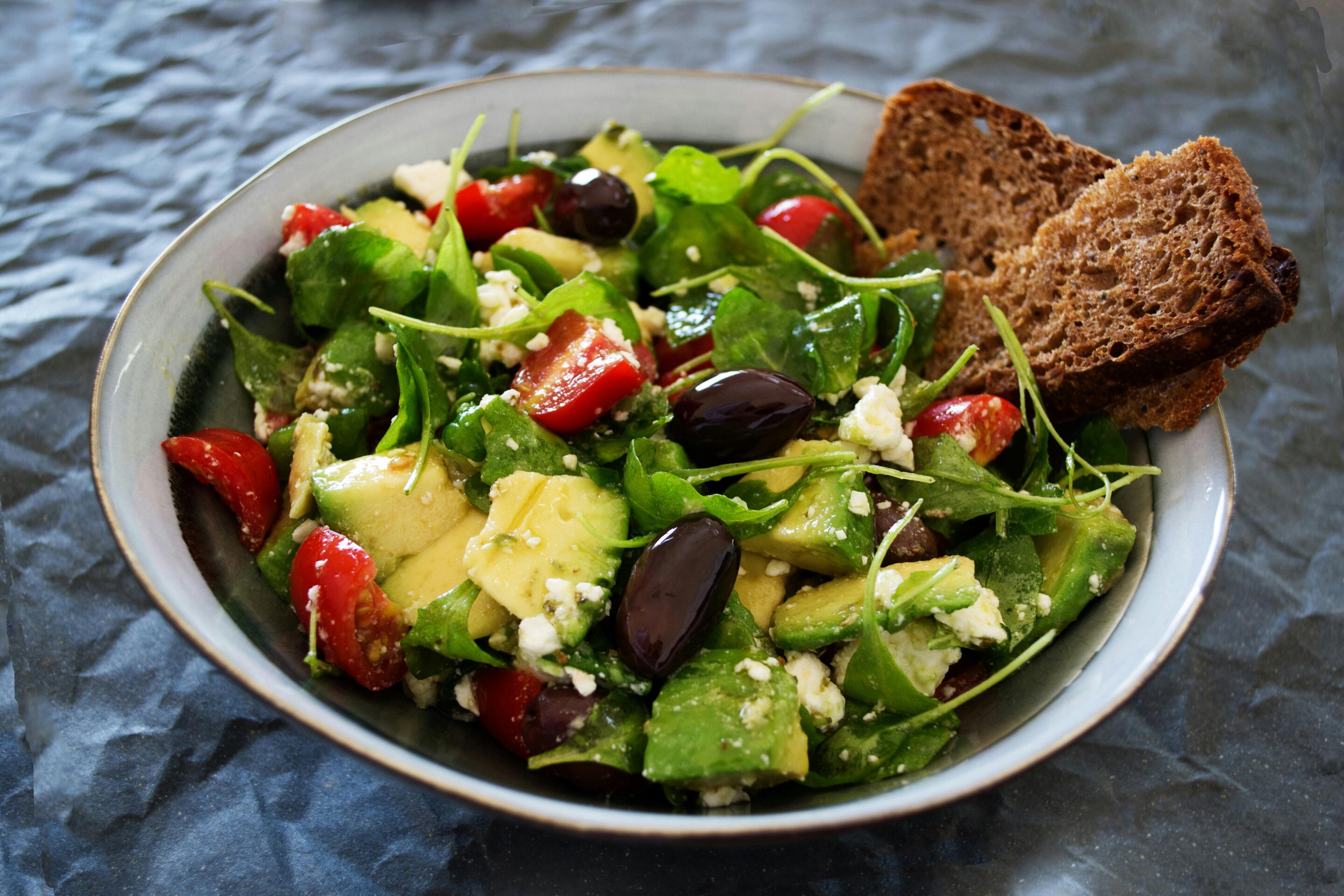
A systematic review highlights the potential benefits of dietary interventions like the Mediterranean diet, intermittent fasting, DASH, and vegetarian diets in managing MASLD and related metabolic conditions, emphasizing improvements in weight, glycemic control, inflammation, and liver function, though further long-term research is needed.

"Mind Diet: The Key to Mental Health and Cognitive Function"

Originally Published 1 year ago — by Medical News Today

Featured image for "Mind Diet: The Key to Mental Health and Cognitive Function"
Source: Medical News Today

A new study suggests that following a balanced dietary pattern has the best effects on brain health, impacting mental health, cognitive function, metabolic biomarkers, and brain structure. The study examined four dietary patterns and found that a balanced diet containing various food types saw the most overall benefit in brain health. Researchers noted genetic differences among different dietary groups and emphasized the importance of making wise nutritional choices to improve brain function and mental health outcomes. While the study has limitations, it adds to the evidence suggesting that what people eat affects multiple areas of health and highlights the significance of following healthy dietary patterns to support positive outcomes for brain health.

"Debunking the Link Between Intermittent Fasting and Heart-Related Death"

Originally Published 1 year ago — by Medscape

Featured image for "Debunking the Link Between Intermittent Fasting and Heart-Related Death"
Source: Medscape

A recent study presented at the American Heart Association conference suggested a 91% increase in cardiovascular mortality for those practicing intermittent fasting, but closer examination reveals several flaws. The study was based on unreliable dietary questionnaires and involved multiple analyses, leading to isolated signals of harm and benefit in extreme subgroups. The impact of random chance in medical research is often overlooked, and the preliminary nature of the analysis calls for caution in drawing conclusions. The study's statistically significant results should undergo peer review and replication before being widely publicized.

The Snack Epidemic: Americans Consuming an Extra Meal's Worth of Unhealthy Snacks Daily

Originally Published 2 years ago — by Gizmodo

Featured image for The Snack Epidemic: Americans Consuming an Extra Meal's Worth of Unhealthy Snacks Daily
Source: Gizmodo

A recent study led by scientists from The Ohio State University found that snacking contributes to around 20% of an average American's daily caloric intake, with little nutritional value. People with type 2 diabetes consumed slightly fewer snack-related calories, indicating a conscious effort to cut down on snacking. The study suggests that diabetes education is effective in influencing dietary behaviors, but there is a need to extend this education to individuals at risk for diabetes and those with normal blood glucose levels to improve overall dietary patterns.

The Snacking Epidemic: Americans' Unhealthy Obsession

Originally Published 2 years ago — by Study Finds

Featured image for The Snacking Epidemic: Americans' Unhealthy Obsession
Source: Study Finds

A study from The Ohio State University reveals that American adults are consuming an additional meal's worth of calories every day through excessive snacking. Researchers found that snacks contribute between 400 and 500 calories to daily intake, often surpassing the nutritional value of breakfast. Snacks primarily consist of convenience foods, sweets, and sugary beverages, lacking protein, fruits, and vegetables. Individuals with Type 2 diabetes tended to snack less and consume fewer sugary foods. The study emphasizes the need for healthier snacking patterns and planning snacks as part of a balanced daily diet, rather than solely focusing on reducing sugar and carbohydrates.

The Link Between Red Meat and Type 2 Diabetes: What You Should Know

Originally Published 2 years ago — by Yahoo Life

Featured image for The Link Between Red Meat and Type 2 Diabetes: What You Should Know
Source: Yahoo Life

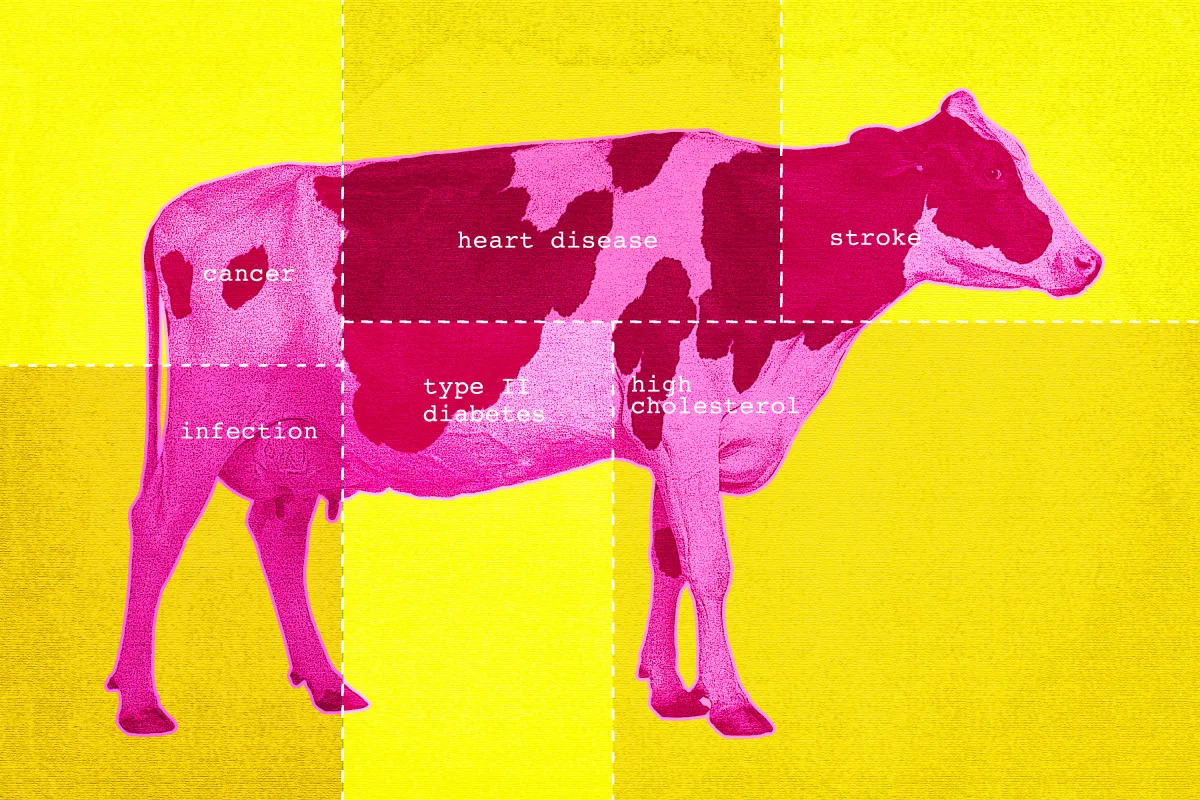
Red meat consumption has been linked to various health issues, including type 2 diabetes, heart disease, and an increased risk of certain cancers. Recent research suggests that substituting plant-based proteins for meat can reduce the risk of type 2 diabetes. Experts recommend limiting red meat intake, opting for leaner cuts, and incorporating more fiber, fruits, and vegetables into the diet. It is also important to cook meat thoroughly and practice safe food handling to prevent foodborne illnesses. While completely eliminating red meat may not be necessary, it is advised to prioritize a balanced diet and consider other protein sources.

Adolescent girls on Western diet more aggressive, says study.

Originally Published 2 years ago — by PsyPost

Featured image for Adolescent girls on Western diet more aggressive, says study.
Source: PsyPost

A study published in Brain and Behavior suggests that adolescent girls who follow a Western diet, defined as one "rich in snacks, red meat, poultry, industrial fruit juices, soft drinks, sweets, and desserts," are more likely to report aggressive feelings and behaviors. The study found no significant correlation between healthy or fast food diets and aggression. The authors recommend that better diet quality and avoiding unhealthy foods could potentially decrease aggression in adolescents, and suggest that food and nutrition policymakers should encourage healthy dietary patterns in adolescents to decrease the possibility of psychological disorders.