A 2022 study suggests that frequent nightmares in middle and older age may be early signs of dementia, especially in men, and treating nightmares could potentially slow cognitive decline. The research highlights the importance of sleep quality and dream analysis in assessing brain health and dementia risk.
A 2022 study suggests that frequent nightmares in middle and older age may be early indicators of dementia risk, especially in men, and treating nightmares could potentially slow cognitive decline. The research highlights the importance of sleep and dreaming patterns in brain health and opens avenues for early diagnosis and intervention in dementia.
NASA's experimental GUARDIAN system detected atmospheric disturbances caused by a tsunami from a Russian earthquake in real time, providing 30 to 40 minutes of warning before the waves reached Pacific coastlines, demonstrating its potential to enhance early tsunami warning systems.
NASA's GUARDIAN system successfully detected a tsunami triggered by a magnitude 8.8 earthquake off Russia's Kamchatka Peninsula by analyzing atmospheric pressure waves, providing alerts 30-40 minutes before landfall, and demonstrating a promising tool to enhance early warning systems globally.
A neurologist highlights five subtle signs that may indicate a higher risk of developing dementia, including balance issues, difficulty with squats, acting out dreams, loneliness, and weak grip strength, emphasizing the importance of early detection and consultation with healthcare professionals.
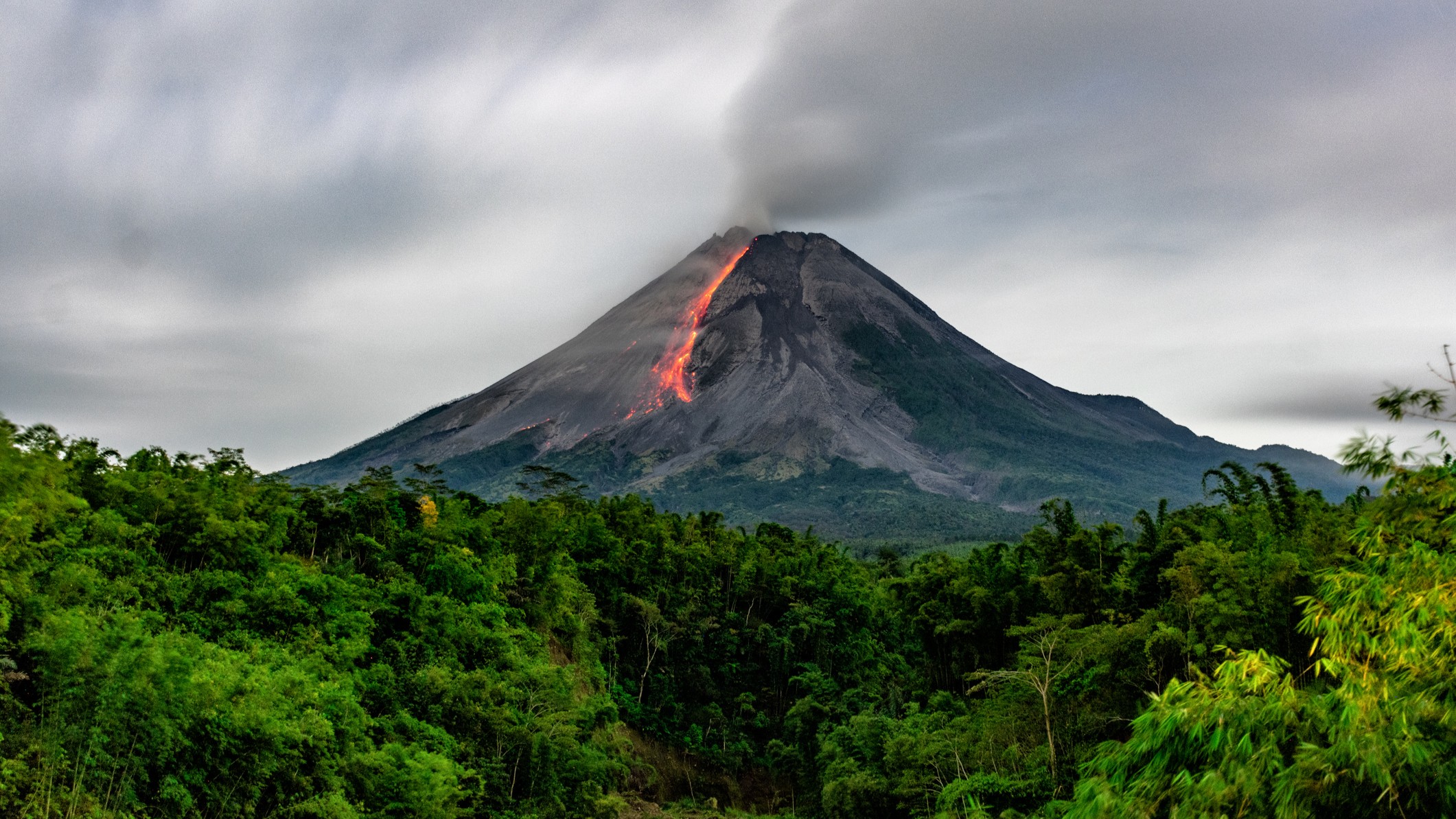
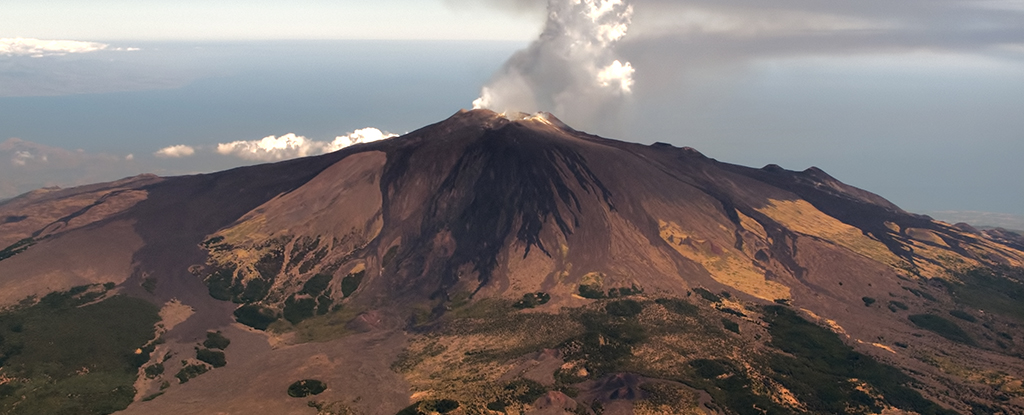
Scientists have developed a new method to detect imminent volcanic eruptions by monitoring the greenness of trees around volcanoes from space, as increased leaf lushness indicates higher levels of volcanic CO2 emissions, potentially allowing for earlier warnings and better community protection.
Researchers have discovered that changes in leaf color, specifically increased greenness due to higher carbon dioxide levels from magma, can serve as an early warning signal for volcanic eruptions, potentially enhancing prediction methods through satellite monitoring.
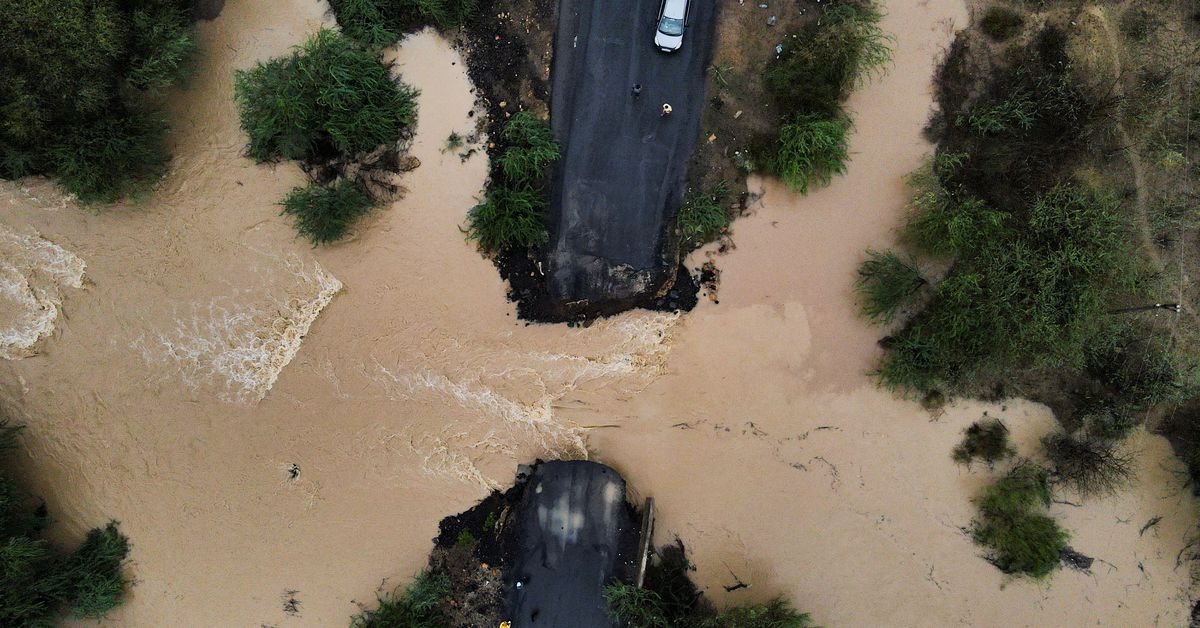
India averted major casualties from cyclone Biparjoy, which hit the state of Gujarat with speeds of up to 125 kph (78 mph), thanks to early warnings, accurate identification of vulnerable areas, and timely evacuations. India and Pakistan evacuated more than 180,000 people from the coastal areas to safety ahead of the cyclone. The only deaths recorded were those of two shepherds who died while trying to prevent their cattle from being swept away hours before the cyclone made landfall.
NASA's Jet Propulsion Laboratory is testing a new system called GUARDIAN that uses data from GPS and other wayfinding satellites to detect tsunamis by analyzing the low-frequency sound and gravity waves created by the displacement of air above the ocean's surface. The system can produce a snapshot of a tsunami's rumble reaching the ionosphere within 10 minutes and could potentially provide up to an hour of warning. GUARDIAN is currently focused on the Pacific Ocean's Ring of Fire, where 78% of confirmed tsunamis between 1900 and 2015 occurred. The system aims to complement existing ground- and ocean-based instruments for faster tsunami detection.
Mobile phones with Android operating systems can detect earthquakes and send data to the Android Earthquake Alerts System, which can combine data from thousands or even millions of other phones to determine whether an earthquake is happening and where. The system can then send out alerts to phones in the area where the seismic waves are likely to hit, giving an early warning. The technology opens up the possibility of monitoring for earthquakes in areas where there aren't extensive networks of expensive seismometers, providing earthquake alerts in even remote and poorer regions of the world. However, the system has its limitations, particularly in remote areas where there are few phone users and in quakes that happen offshore, where they can trigger tsunamis.