Tag

Neural Network

All articles tagged with #neural network

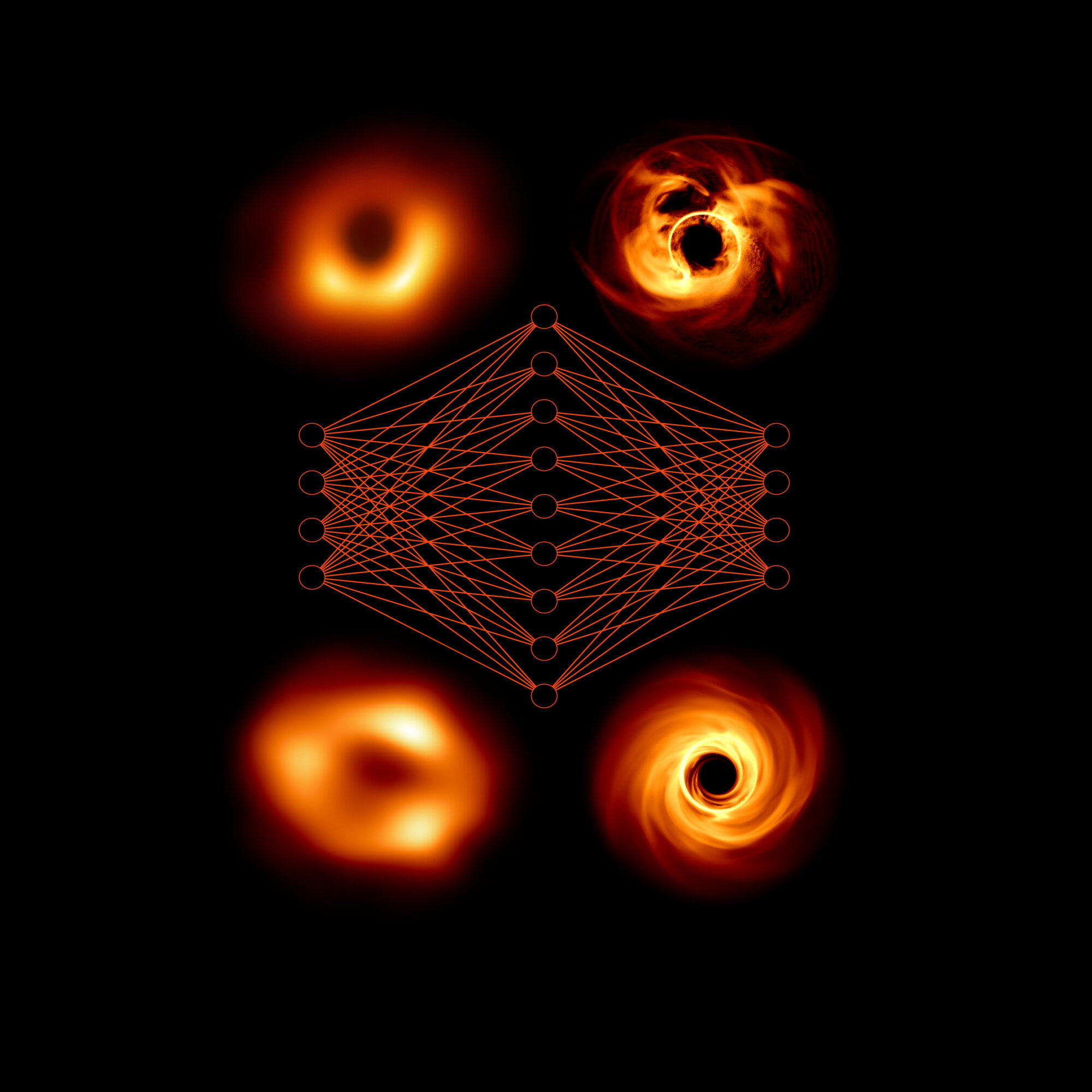
Neural Network Unveils Secrets of Black Holes

Originally Published 7 months ago — by Phys.org

Featured image for Neural Network Unveils Secrets of Black Holes
Source: Phys.org

A team of astronomers trained a neural network on millions of synthetic black hole data sets, leading to new insights such as the black hole at the center of our galaxy spinning near its maximum speed and challenging existing theories about accretion disks and magnetic fields, with future data expected to further test the theory of relativity.

"Unveiling the Inner Workings of AI: Insights into LLM Neural Networks"

Originally Published 1 year ago — by Ars Technica

Featured image for "Unveiling the Inner Workings of AI: Insights into LLM Neural Networks"
Source: Ars Technica

Anthropic's new research offers insight into the inner workings of LLMs, using a method to extract interpretable features from the neural network. By analyzing the activation of specific neurons in response to queries, the research reveals how concepts are represented across multiple neurons and languages. This process creates a rough conceptual map of the LLM's internal states, showing how it links keywords and concepts and organizes them based on semantic relationships. The study also demonstrates how identifying specific LLM features can help map out the chain of inference the model uses to answer complex questions.

"AI Uncovers Hidden Element in Raphael's Masterpiece"

Originally Published 1 year ago — by ScienceAlert

Featured image for "AI Uncovers Hidden Element in Raphael's Masterpiece"
Source: ScienceAlert

An AI neural network has identified that the face of St Joseph in Raphael's painting, Madonna della Rosa, may not have been painted by Raphael himself. Using deep feature analysis, researchers trained the AI to recognize Raphael's style and found that St Joseph's face differs from the rest of the painting. This discovery suggests that another artist, possibly Raphael's pupil Giulio Romano, may have contributed to the artwork. While the AI's accuracy in identifying Raphael paintings is high, the research team emphasizes that it should be used as a tool to assist art experts rather than replace them.

"Uncovering Hidden Particles: Machine Learning and the Large Hadron Collider"

Originally Published 1 year ago — by Phys.org

Featured image for "Uncovering Hidden Particles: Machine Learning and the Large Hadron Collider"
Source: Phys.org

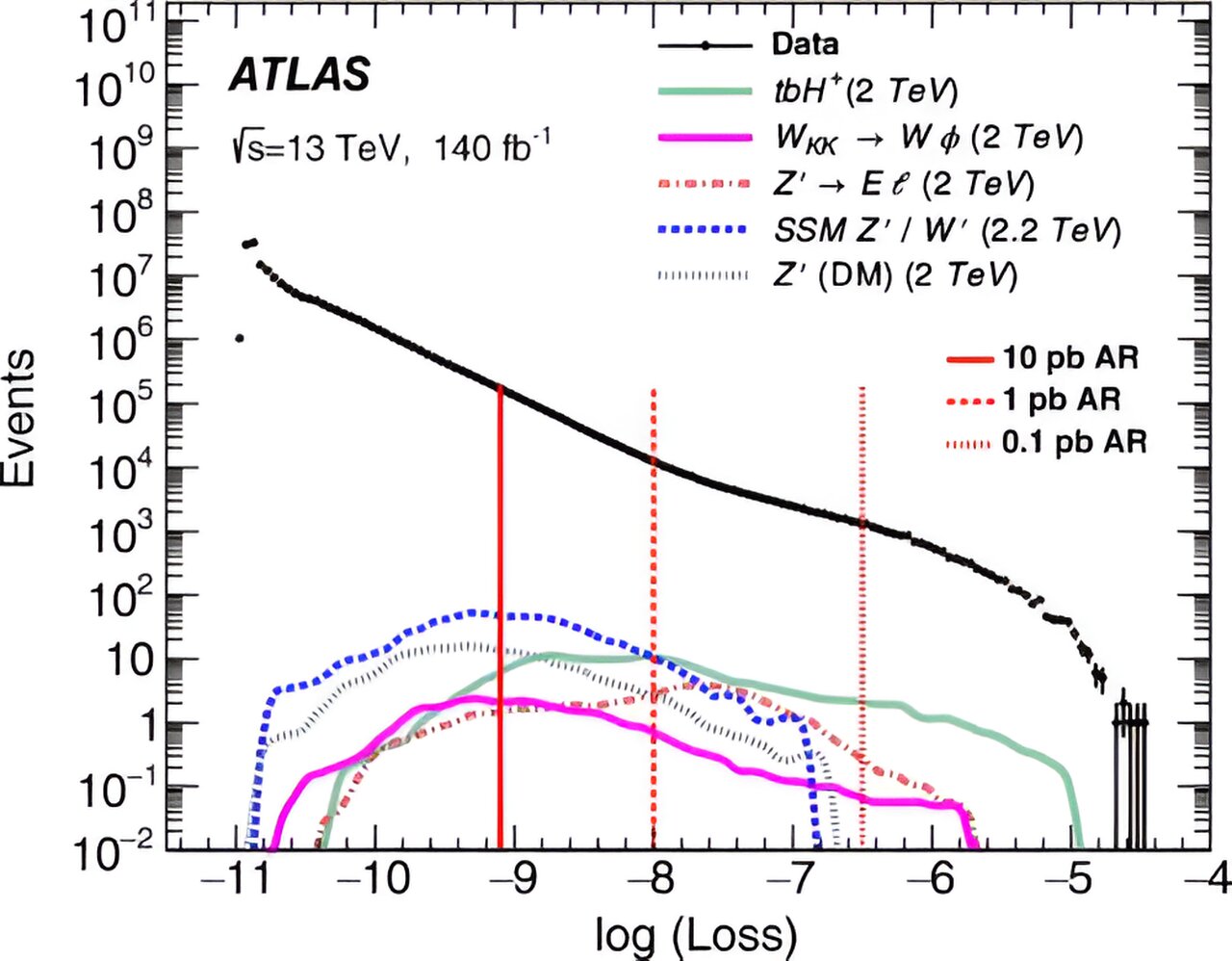
Scientists at the U.S. Department of Energy's Argonne National Laboratory used a neural network to analyze data from the Large Hadron Collider, aiming to uncover undiscovered particles not accounted for in the Standard Model of particle physics. The machine learning approach, known as anomaly detection, identified an anomaly in the data that could indicate the existence of an unknown particle. While further investigation is needed, this technique shows promise for uncovering new physics and will be applied to data collected during the LHC Run-3 period.

"AI Smartphone App Revolutionizes Ear Infection Diagnosis at UPMC"

Originally Published 1 year ago — by JAMA Network

Featured image for "AI Smartphone App Revolutionizes Ear Infection Diagnosis at UPMC"
Source: JAMA Network

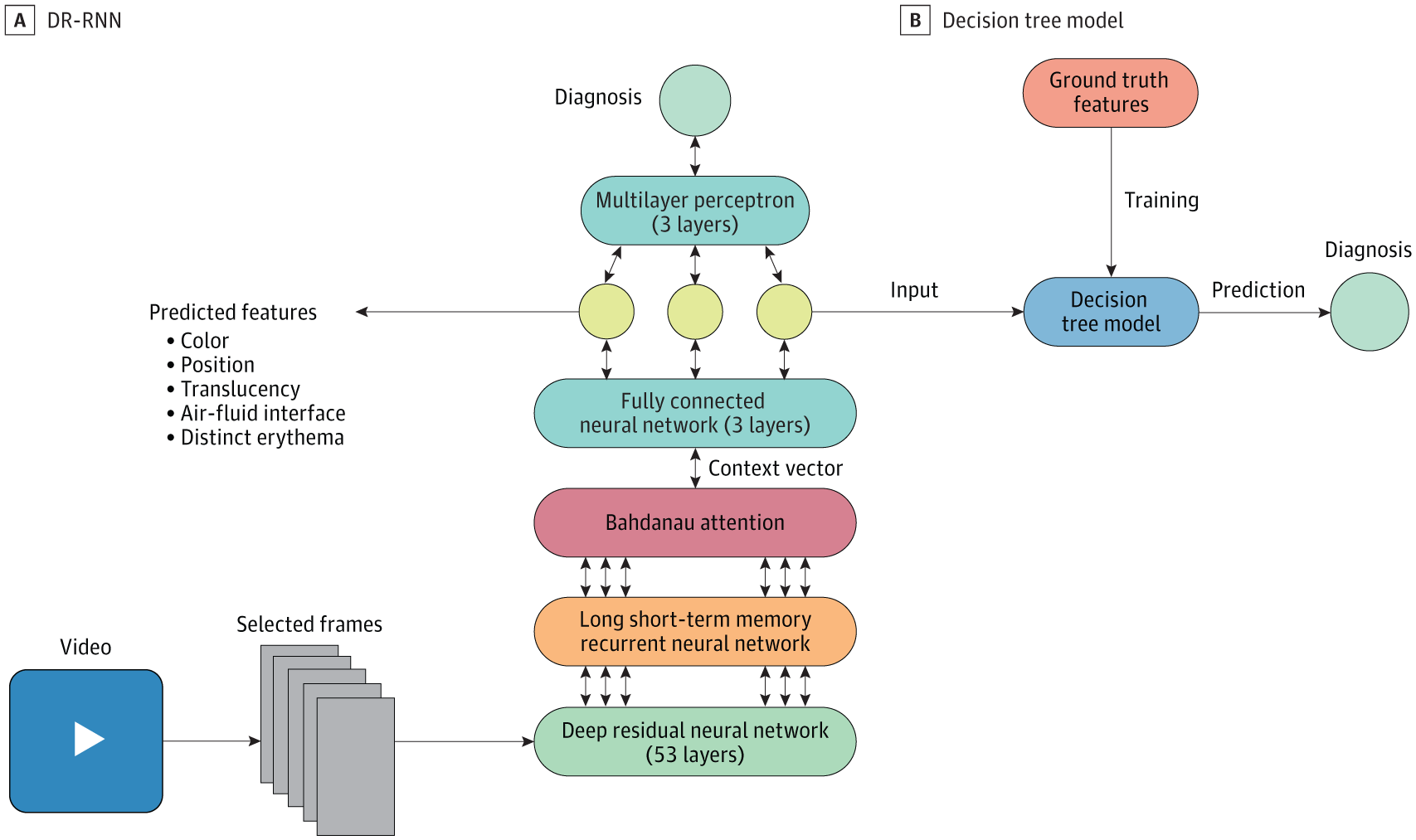
A study developed an artificial intelligence decision-support tool to interpret videos of the tympanic membrane, achieving a sensitivity of 93.8% and specificity of 93.5% in diagnosing acute otitis media in children. The tool, trained using deep residual-recurrent neural networks, could enhance accuracy in primary care settings and aid in treatment decisions, potentially transforming otoscopy in pediatric care.

Baby's Headcam Teaches AI Language Learning

Originally Published 1 year ago — by Nature.com

Featured image for Baby's Headcam Teaches AI Language Learning
Source: Nature.com

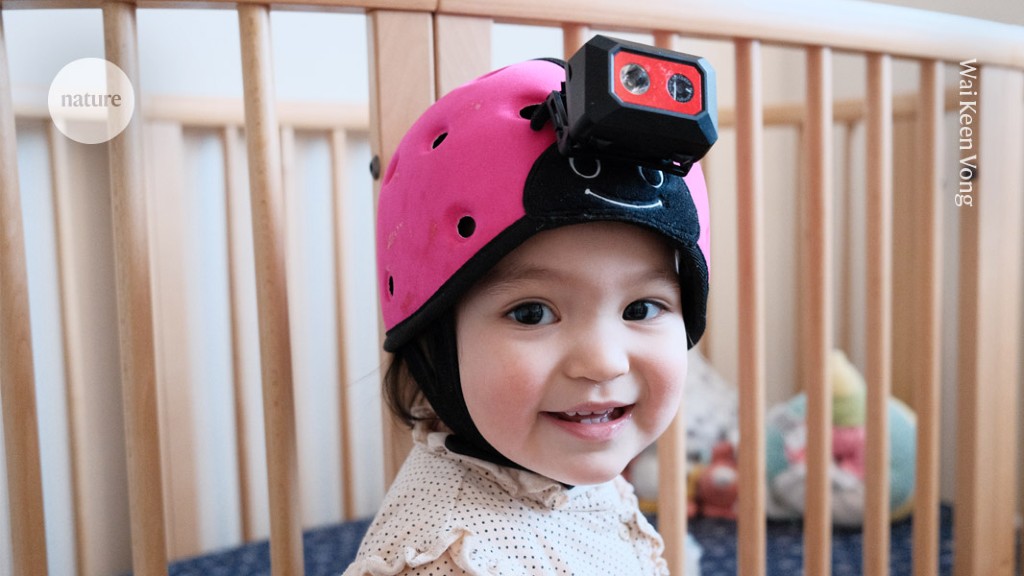
An artificial intelligence (AI) model has learned to recognize words by studying headcam recordings of a baby's experiences, challenging theories about language acquisition. The AI, trained on frames from the video and words spoken to the baby, successfully classified objects 62% of the time and identified previously unseen examples. The study's findings suggest that language acquisition can occur through general learning processes, without the need for special mechanisms. However, the AI's limitations in experiencing real-world interactions highlight the potential for further refinements to align the model with human learning complexities.

AI Challenges the Uniqueness of Fingerprints

Originally Published 2 years ago — by The Register

Featured image for AI Challenges the Uniqueness of Fingerprints
Source: The Register

Recent AI research challenges the belief that all fingerprints are unique, as undergrad researchers at Columbia Engineering found that the angles and curvature at the center of fingerprints could be the same across an individual. Using a deep contrastive network and a US government database of 60,000 fingerprints, the team discovered that the network could identify if prints were from the same person with 77 percent accuracy, potentially aiding in solving cold cases and prioritizing leads in ambiguous situations. The results are set to be published in Science Advances on January 12.

AI's Rapid Iceberg Mapping Outpaces Human Abilities

Originally Published 2 years ago — by European Space Agency

Featured image for AI's Rapid Iceberg Mapping Outpaces Human Abilities
Source: European Space Agency

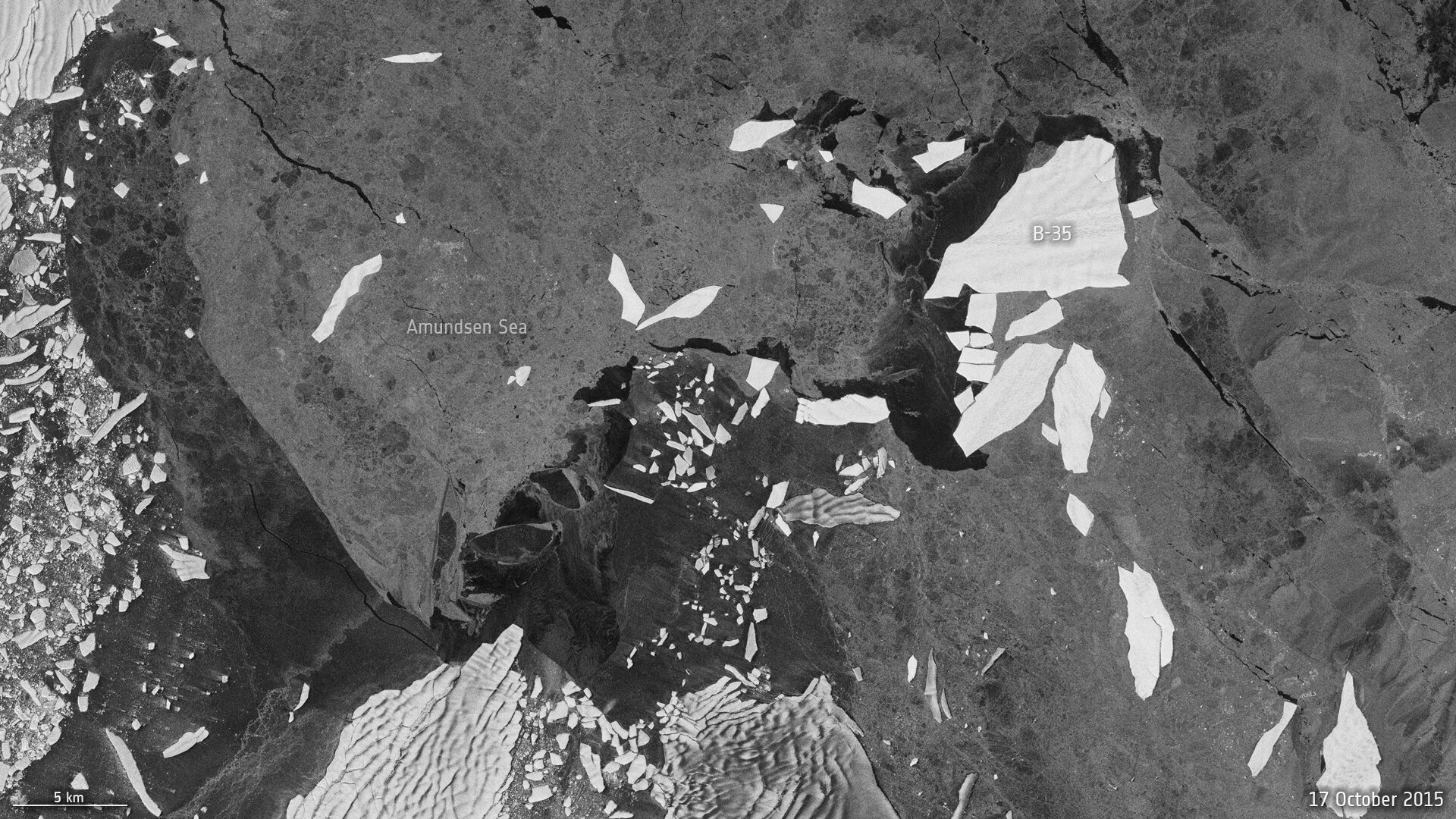
Researchers from the University of Leeds have developed a neural network that can quickly and accurately map large Antarctic icebergs in satellite images, completing the task in just 0.01 seconds. This breakthrough technology outperforms manual efforts and is crucial for monitoring iceberg extent, understanding their impact on the environment, and tracking changes in area and thickness. The neural network excels in challenging conditions and has achieved an accuracy of 99%. This innovative approach automates the labor-intensive task of locating and reporting iceberg extent, paving the way for operational applications in the vulnerable Antarctic region.

AI Neural Network Achieves Human-Like Language Generalization and Intelligence Capture

Originally Published 2 years ago — by Nature.com

Featured image for AI Neural Network Achieves Human-Like Language Generalization and Intelligence Capture
Source: Nature.com

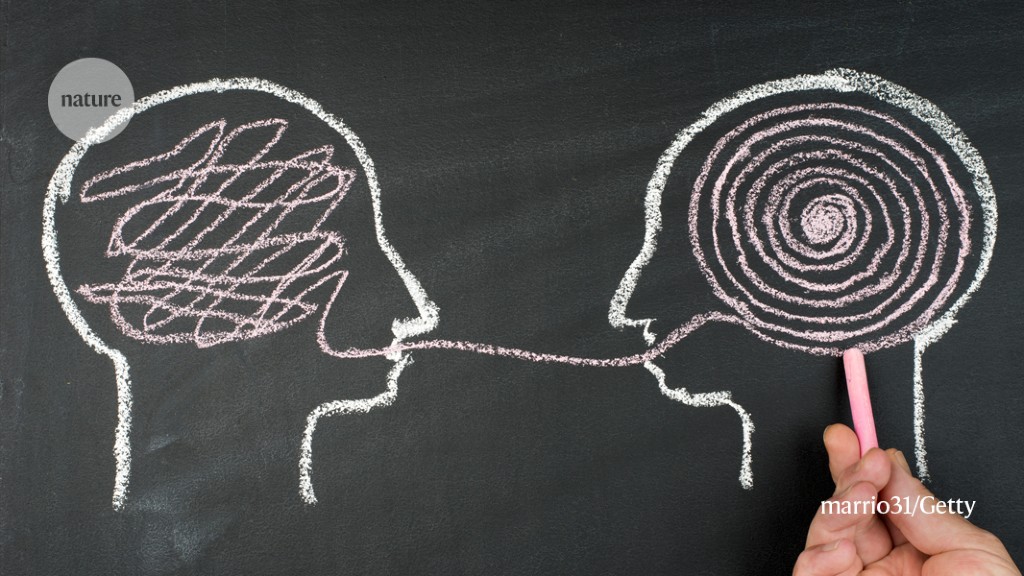
Scientists have developed a neural network with the ability to generalize language, similar to humans. The AI system performs well in incorporating newly learned words into existing vocabulary and using them in different contexts, a key aspect of human cognition known as systematic generalization. This breakthrough could lead to more natural interactions between machines and humans. The neural network's performance surpassed that of the chatbot ChatGPT, which converses in a human-like manner but struggles with systematic generalization. The study demonstrates the potential for neural networks to emulate human cognition and improve language processing in AI systems.

"Mind-Reading AI Identifies the Song Stuck in Your Head"

Originally Published 2 years ago — by Metal Injection

Featured image for "Mind-Reading AI Identifies the Song Stuck in Your Head"
Source: Metal Injection

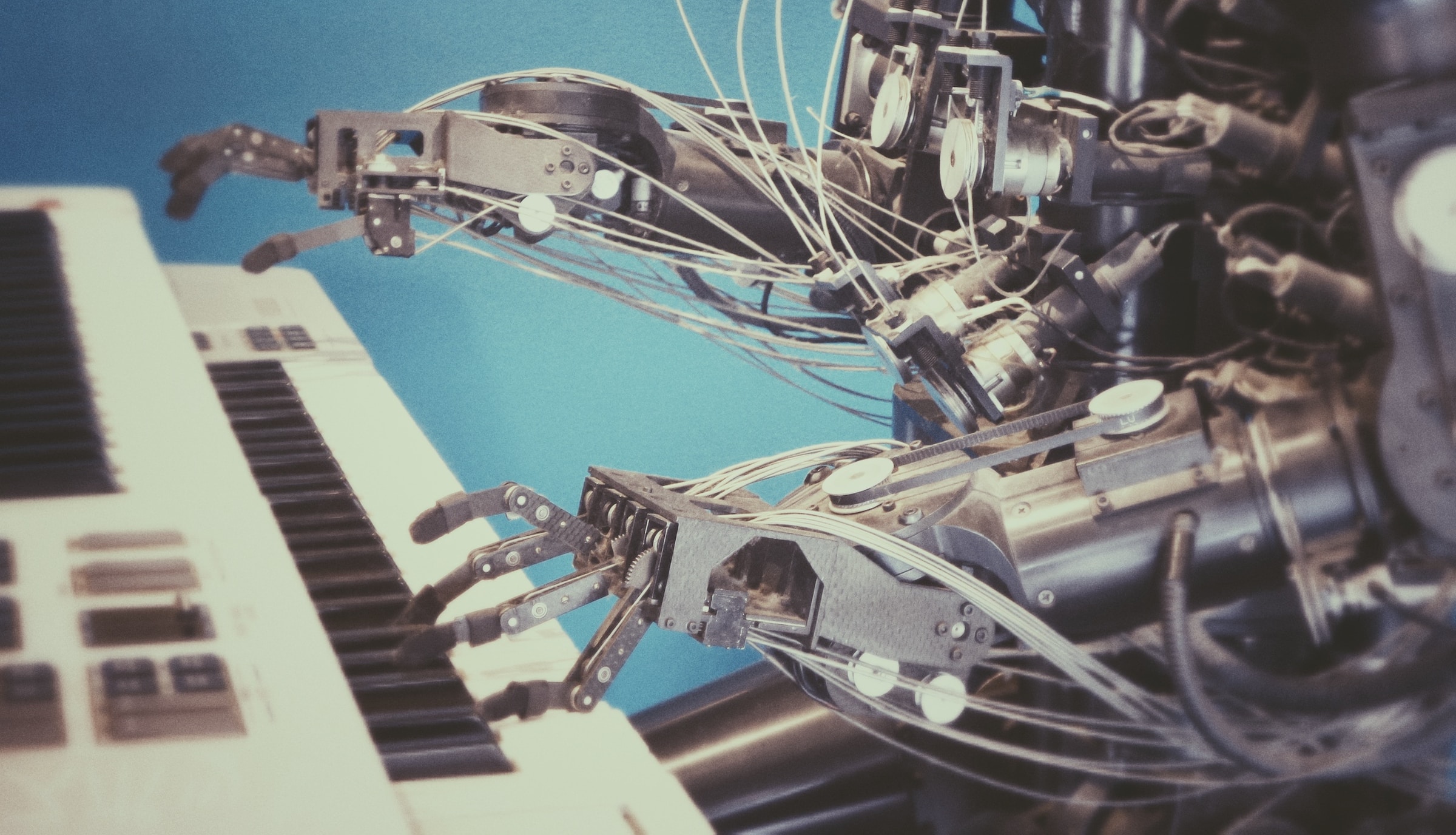
Researchers from the University of Osaka and Google have developed an artificial intelligence (AI) model called Brain2Music that can reconstruct music based on brain activity. Using functional MRI scans, the AI model was trained to identify patterns of brain activity associated with musical elements such as mood, genre, and instrumentation. By combining this data with the MusicLM database, the AI model was able to recreate the music that participants had been listening to based on their brainwaves. While the technology is not yet practical for everyday use, it has the potential to revolutionize the music creation process in the future.

"Revolutionary Neural Network Enhances Coherent Imaging on a Large Scale"

Originally Published 2 years ago — by Phys.org

Featured image for "Revolutionary Neural Network Enhances Coherent Imaging on a Large Scale"
Source: Phys.org

Researchers have developed a complex-domain neural network that enhances large-scale coherent imaging, revolutionizing optical imaging by providing wide field-of-view and high-resolution capabilities. The technique exploits latent coupling information between amplitude and phase components, leading to multidimensional representations of complex wavefront. The network significantly reduces exposure time and data volume while maintaining high-quality reconstructions, offering implications for high-level semantic analysis and intelligent medical care. This technology holds promise for real-time cell observation and pushing the boundaries of medical diagnostics.

Cosmic Connections: Exploring the Neural Network of the Universe.

Originally Published 2 years ago — by Big Think

Featured image for Cosmic Connections: Exploring the Neural Network of the Universe.
Source: Big Think

A new scientific paradigm is emerging that presents the Universe as an evolving computational or biological system, with properties strikingly similar to a complex adaptive system, like an organism or a brain. The physical organization of the Universe mirrors the structure of a brain, and the world is literally a neural network, with an interconnected network of “nodes” existing at the microscopic scale that is equivalent to the network of neurons inside our skulls. The Universe shares many critical features with neural networks, and it evolves through Darwinian mechanisms, which are evolutionary processes but also learning processes that create information, complexity, and a hierarchical organization.

OpenAI Pushes for GPT Trademark Approval

Originally Published 2 years ago — by TechCrunch

Featured image for OpenAI Pushes for GPT Trademark Approval
Source: TechCrunch

OpenAI has applied for a trademark for "Generative Pre-trained Transformer" (GPT) after several outfits applied for trademarks with the United States Patent and Trademark Office. However, OpenAI's petition was dismissed last week, and a decision could take up to five more months. Even then, the outcome isn't certain, and OpenAI may face resistance given that the "T" in GPT stands for "Transformer," which is the name of a neural network architecture that researchers at Google first unveiled in 2017.

"AI Generates Realistic Bird Images from Text Using Common Sense and Surprising Learning Techniques"

Originally Published 2 years ago — by Neuroscience News

Featured image for "AI Generates Realistic Bird Images from Text Using Common Sense and Surprising Learning Techniques"
Source: Neuroscience News

Researchers in China have developed a new neural network called CD-GAN that generates high-quality bird images from textual descriptions using common-sense knowledge to enhance the generated image at three different levels of resolution, achieving competitive scores with other neural network methods. The network was trained with a dataset of bird images and text descriptions, with the goal of promoting the development of text-to-image synthesis. The authors believe that the introduction of common sense can greatly promote the development of text-to-image synthesis.