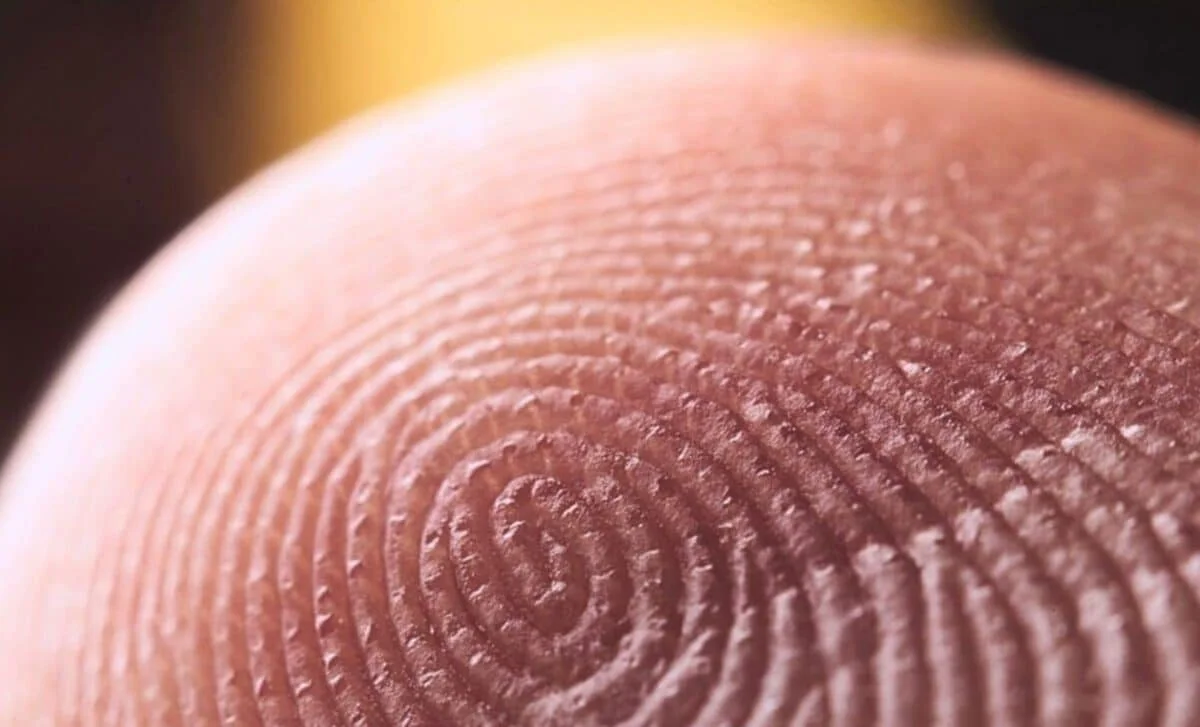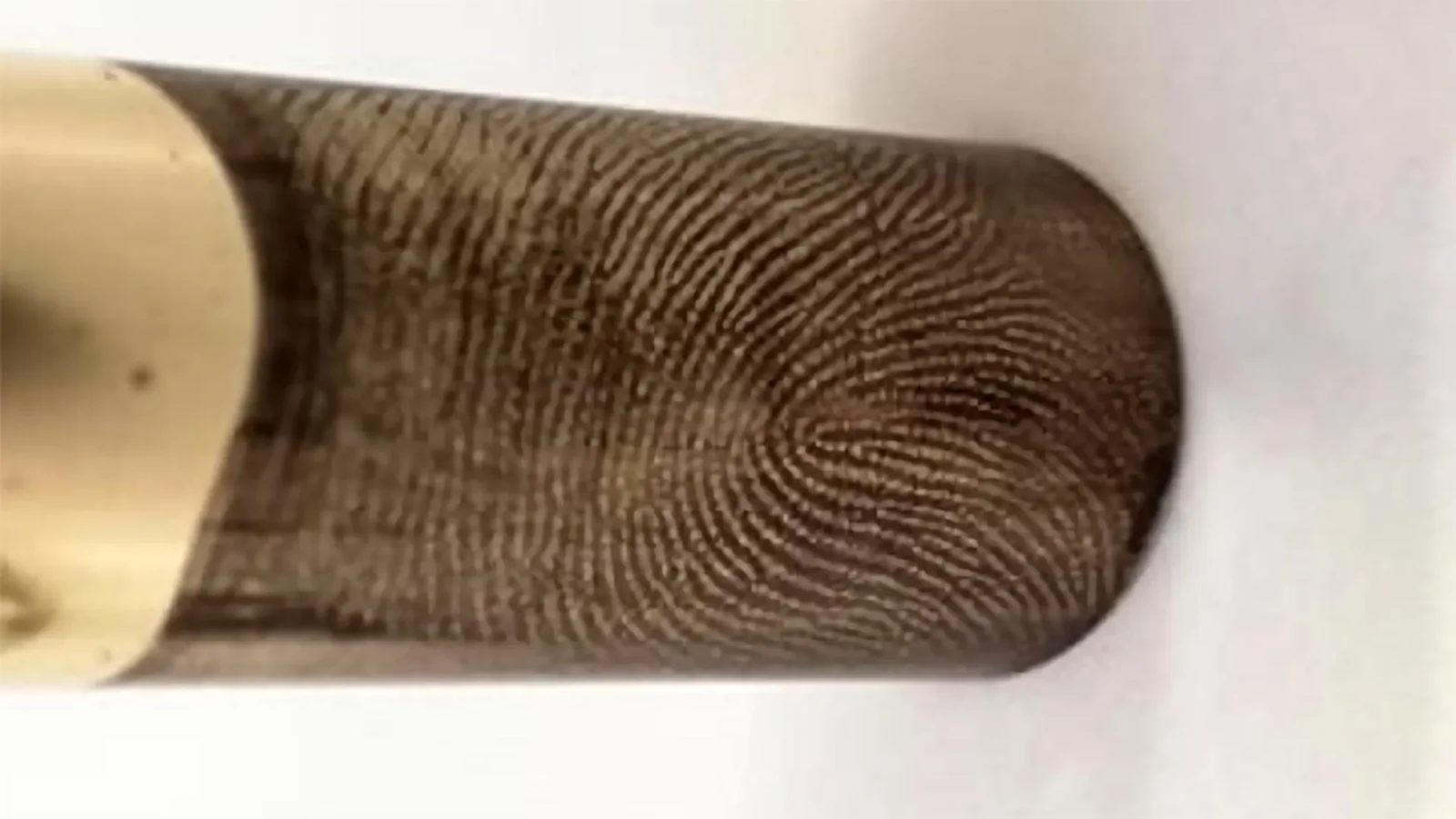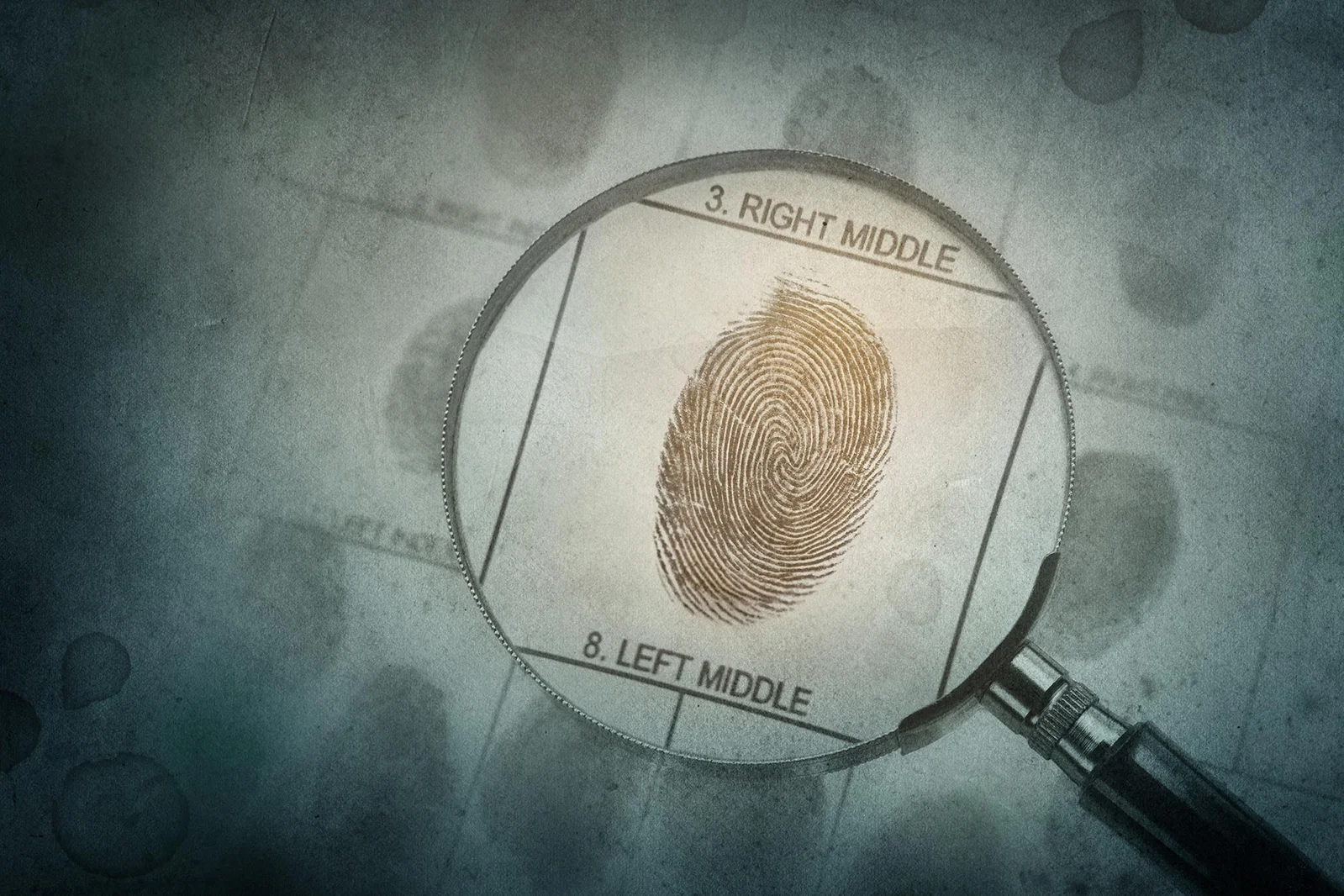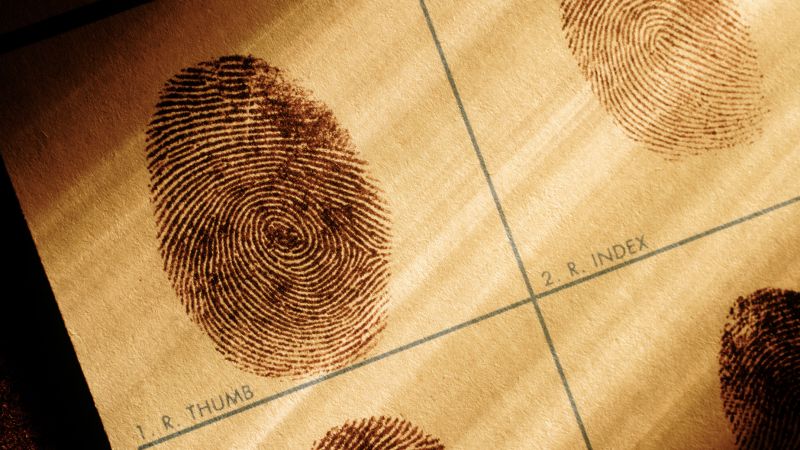
Irish scientists have developed a novel electrochemical method to recover fingerprints from fired brass bullet casings, even after exposure to high heat, potentially revolutionizing forensic investigations by linking suspects to crime scenes more effectively.
Irish scientists have developed a novel electrochemical technique that can recover fingerprints from fired brass ammunition casings even after exposure to extreme heat, potentially revolutionizing forensic investigations by enabling fingerprint retrieval from previously considered impossible samples.
Law enforcement officials are reporting that iPhones stored for forensic examination are mysteriously rebooting, making them harder to unlock. A document from Detroit suggests this may be due to a new iOS 18 security feature that causes iPhones to reboot when disconnected from a cellular network for a period. This reboot increases the phone's security against password-cracking tools. Apple has not confirmed if such a feature exists.
On the 28th day of Chad Daybell's trial, forensics analyst Dr. Greg Hampikian and DNA expert testified about DNA evidence, including samples found on an ax and shovel linked to Tylee Ryan. The court also discussed the admissibility of certain testimonies and the potential recall of witnesses, including law enforcement officers involved in the case. The trial continues with further examination of digital and DNA evidence.
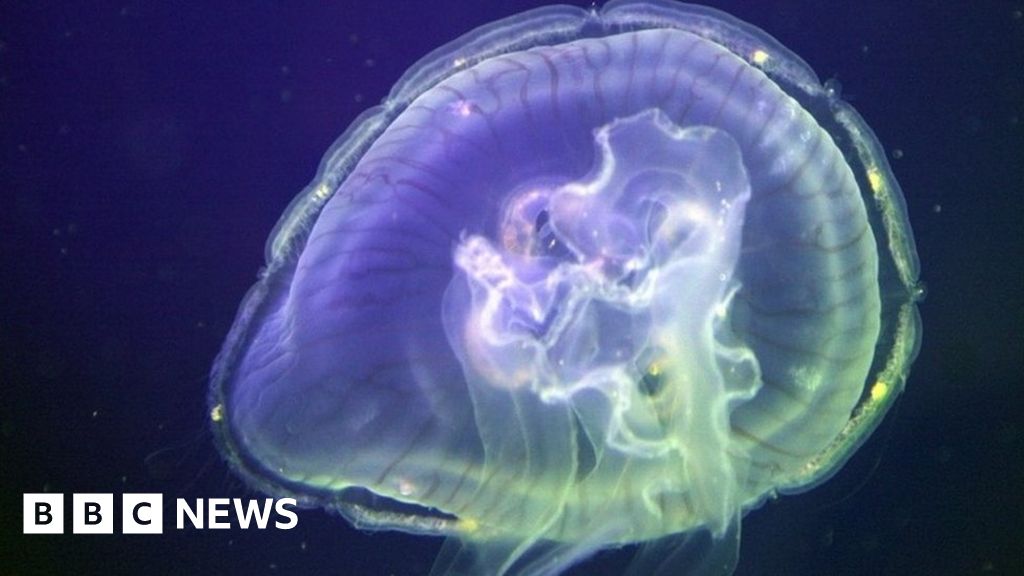
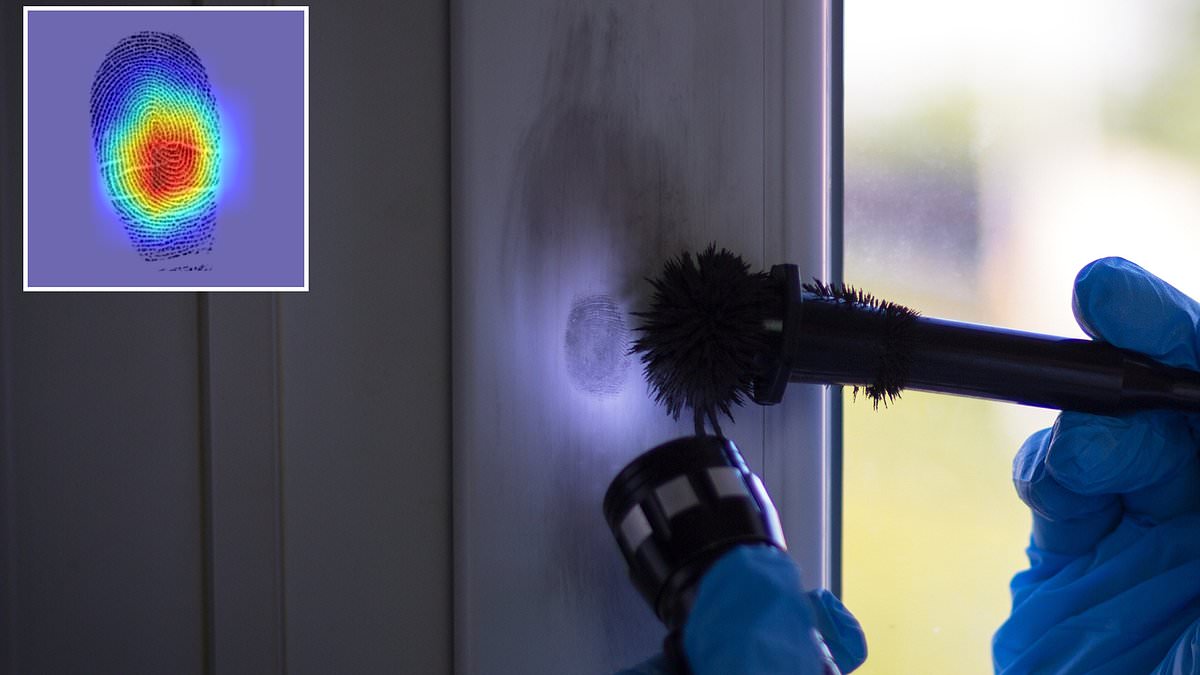
Scientists at the University of Bath have developed a forensics spray using a fluorescent protein found in jellyfish to detect fingerprints in seconds. The dye spray, which is water soluble and has low toxicity, enables rapid visualization of fingerprints at crime scenes and can even be used on week-old prints. The spray, made of two different colored dyes, binds selectively with the molecules in fingerprints, emitting a fluorescent glow that can be seen under blue light. This biologically compatible spray, based on a fluorescent protein found in jellyfish, does not interfere with subsequent DNA analysis of the fingerprints and is less messy than traditional powders. The team is collaborating with scientists from Shanghai Normal University to further improve the technology and make the dyes available for sale.
A study published in Nature Microbiology reveals that the microbiome of decomposing human corpses contains a consistent profile of around 20 key decomposers, regardless of location, climate, or season. These microbes, a mix of bacteria and fungi, appear in a wave-like fashion during the 21-day decomposition period, and a machine learning model using their abundances can calculate the postmortem interval with high accuracy. The findings could aid forensic investigations, although further research is needed for real-world application, especially in scenarios such as buried or submerged bodies.
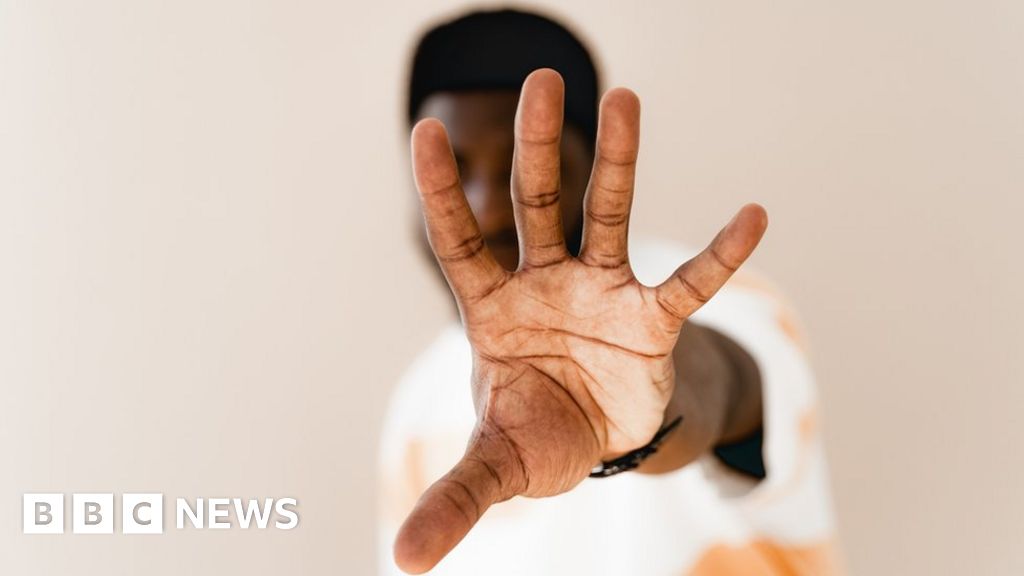
A study led by an undergraduate senior at Columbia University challenges the long-held belief that fingerprints are all unique, using an AI-based system to find similarities between fingerprints from different fingers of the same person. The study, published in Science Advances, suggests that traditional markers for fingerprint identification may not be as reliable as previously thought. While some experts believe the findings are not entirely new, the team behind the study is confident in the results and has open-sourced the AI code for others to check, emphasizing the potential impact of AI in discovering hidden features.
A breakthrough in fingerprint analysis by artificial intelligence has challenged the long-held belief that each fingerprint is unique, potentially leading to the solving of thousands of cold cases. The AI system identified similarities between apparently different fingerprints from the same person, which had eluded forensic analysis for decades. The findings, initially rejected by the forensics community, could lead to the revival of cold cases and the acquittal of innocent people. This research demonstrates the potential for AI-led scientific discovery and also has implications for computer fingerprint identification systems.
Researchers at Columbia University have trained an AI tool to identify fingerprints from different fingers belonging to the same person, challenging the belief that each fingerprint is completely unique. The AI tool claims to be able to identify whether prints from different fingers come from one person with 75-90% accuracy, focusing on the orientation of ridges rather than traditional minutiae. While the study has potential implications for biometrics and forensic science, more research is needed to develop the technology further and address questions about its reliability in criminal casework.
Recent AI research challenges the belief that all fingerprints are unique, as undergrad researchers at Columbia Engineering found that the angles and curvature at the center of fingerprints could be the same across an individual. Using a deep contrastive network and a US government database of 60,000 fingerprints, the team discovered that the network could identify if prints were from the same person with 77 percent accuracy, potentially aiding in solving cold cases and prioritizing leads in ambiguous situations. The results are set to be published in Science Advances on January 12.
Day six of YNW Melly's double-murder trial saw FBI Special Agent Brendan Collins testify about cell phone data analysis, a DNA expert admit that Melly's DNA was only found on the rear drivers-side door handle of the car where the shooting took place, and BSO Crime Lab DNA Analyst Kurt Rhodes testify that Melly's DNA was among three other people found on the scene. The judge ruled that the prosecution committed discovery violations by trying to submit forensics evidence that was not previously disclosed, resulting in that evidence not being allowed to be used in the case.
DNA left behind in the environment can be used to identify individuals, according to a study by the University of Florida. The researchers found that high-quality DNA could be extracted from water, sand, and even air, allowing them to identify individuals in every medium they tested. The ethical implications of sequencing the DNA of people who may not have consented need to be considered and weighed against the benefits of using such technology in research, the authors said.
Scientists have warned that society may not be prepared for the consequences of the ability to sift scraps of human DNA out of the air, water, or soil and decipher personal details about the individuals who dropped them. While this technology has beneficial uses, it also raises concerns about genetic privacy and the potential for perpetual genetic surveillance. The study's authors are calling for policy makers and society to develop regulations to address these issues.
Scientists have discovered that human DNA can be easily found virtually anywhere, from furniture to footprints and even open air, allowing it to later be sequenced. The study showed that environmental DNA (eDNA) is enough to determine the genetic ancestry of nearby populations as well as help to determine how diseases mutate in the area. It also showed that eDNA could open doors for scientific advancements in medicine and forensics. However, the groundbreaking finding raises ethical concerns and could pose a threat to personal privacy, as such handy DNA collection could facilitate efforts to harvest genetic information without an individual’s express consent.
Researchers have completed DNA sequencing of six sets of human remains exhumed from Tulsa's Oaklawn Cemetery, where bodies of Black residents killed in the 1921 Tulsa Race Massacre are thought to have been buried. The DNA results could allow researchers to make a match with possible living relatives. The team has identified surnames of interest for potential relatives in Oklahoma, Alabama, Georgia, Mississippi, Louisiana, and Texas. The public is being asked to contact the team if they see their surname flagged and have a family history in Tulsa.