Emilia Doda created an open-source map showing planned data centers across Pennsylvania to inform residents and promote transparency, highlighting the growing digital infrastructure and community involvement in technological development.
The article discusses the evolving and increasingly complex nature of mapping Ukraine's front line in the ongoing conflict with Russia, highlighting how open-source maps and social media are crucial in understanding battlefield dynamics, especially as the front becomes more porous and contested, with both sides using maps for propaganda and strategic purposes.
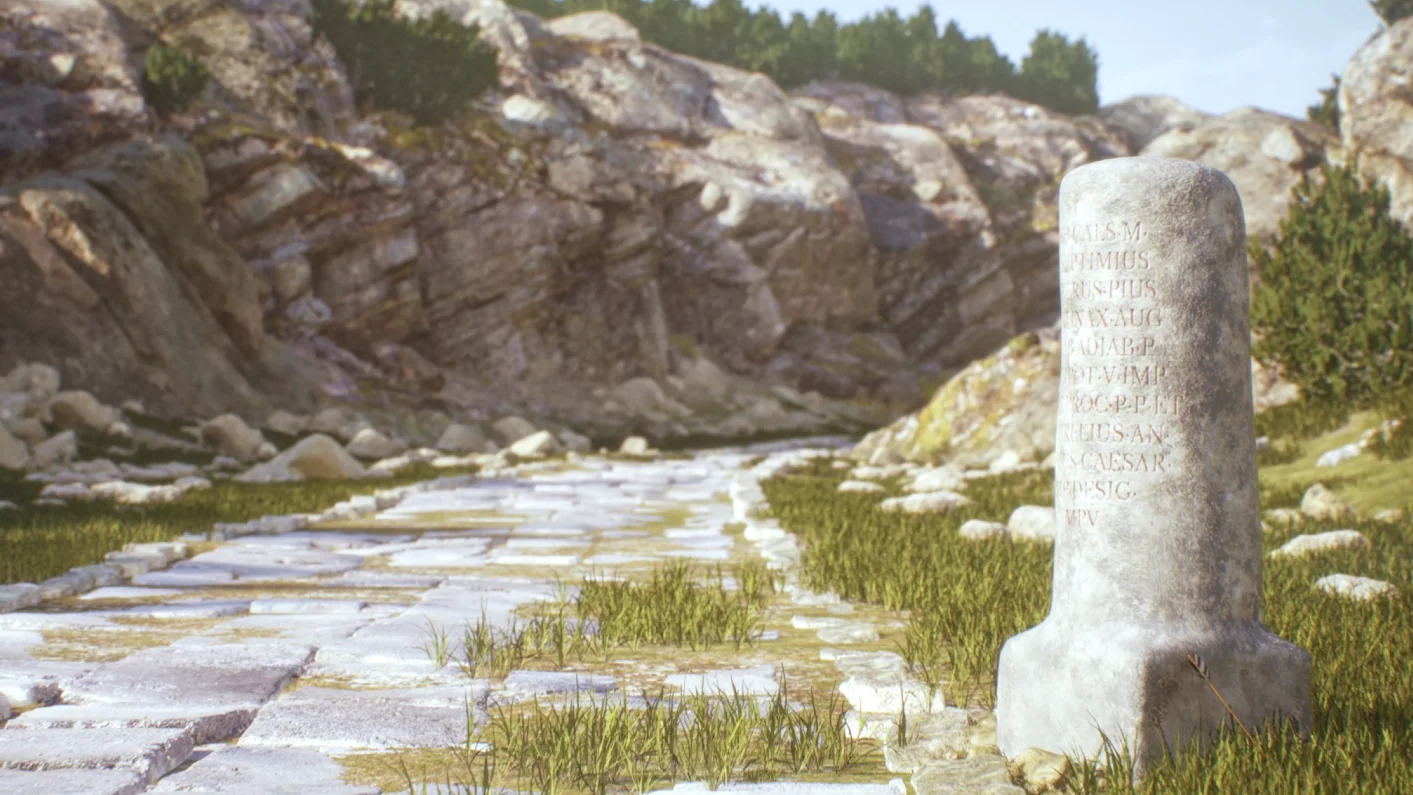
A new digital map called Itiner-e reveals that the Roman road network was over 60,000 miles longer than previously thought, encompassing nearly 186,000 miles of roads across Europe, the Near East, and North Africa, providing new insights into the connectivity and power of the Roman Empire.
A team of international researchers has created a detailed map of the Roman road system around AD 150, covering over 300,000 km, which offers new insights into ancient Roman connectivity, travel, and influence, despite many roads still being uncertain in exact location. The visualization tool supports further research into Roman infrastructure and its long-term effects on the empire and beyond.
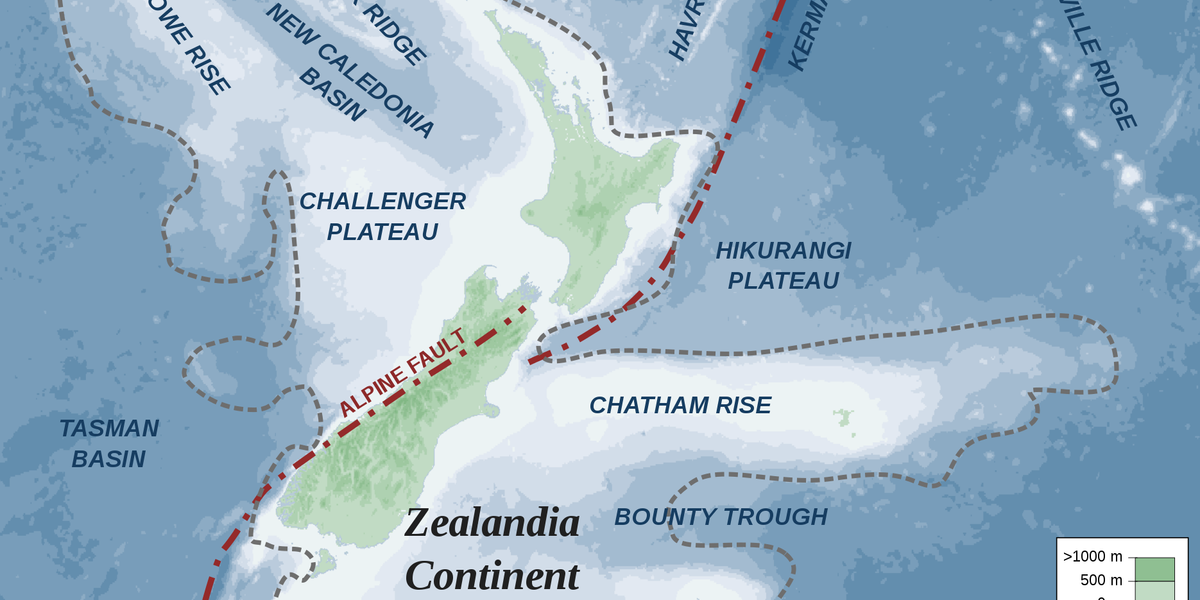
Zealandia, a largely submerged landmass beneath the Pacific Ocean, has been officially recognized as Earth's eighth continent after comprehensive mapping and research, revealing its unique geological features and history as part of Gondwana, with advanced technology enabling detailed exploration of its underwater terrain.
Google Earth has introduced a new feature allowing users to view historical Street View images, enabling them to see how locations have changed over time, as part of its 20th anniversary updates. Additionally, professional users will soon gain access to AI-driven insights about environmental factors like tree canopy coverage and land surface temperatures.
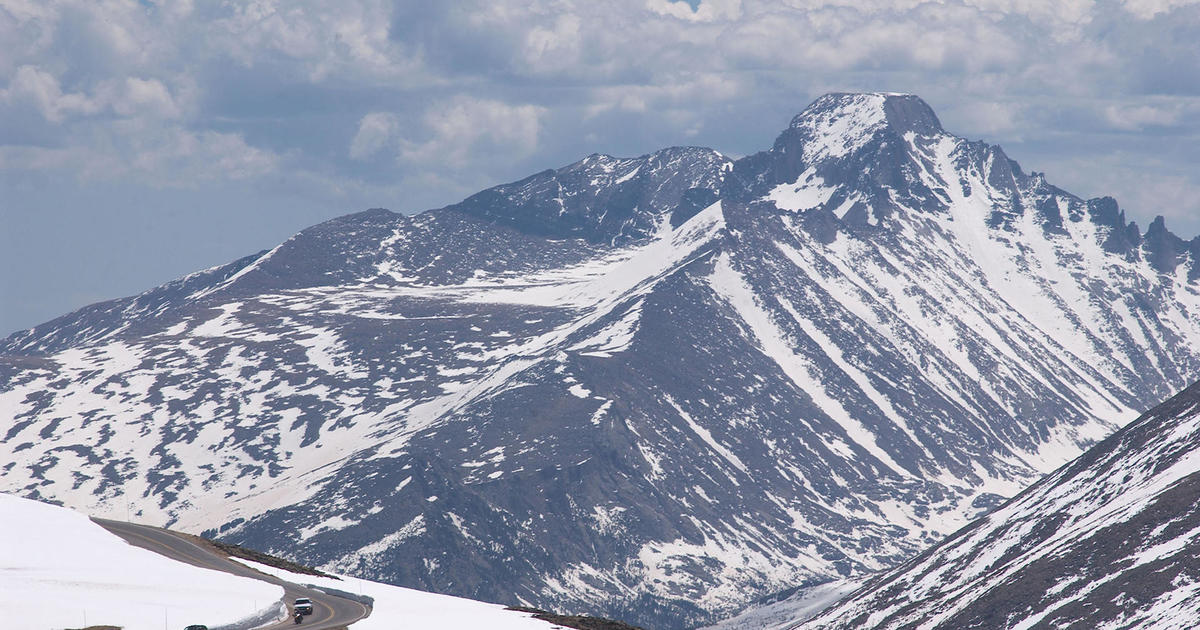
A new nationwide coordinating system for studying altitude will lead to changes in the listed elevations of Colorado's 14ers and the capitol steps marker in Denver, as the study shows discrepancies in their heights. The federal government will switch to this new system in 2026, impacting mapping across the country, and the study, led by a scientist at the National Oceanic and Atmospheric Administration, has taken 15 years and will redefine the American Vertical Datum.
Google Maps has added a "show 3D buildings" option for navigation in its latest update, providing basic 3D geometry of buildings while navigating. This visual tweak follows a series of recent additions to the app, including weather and air quality display, AI-related upgrades, and real-time battery info for electric vehicles.
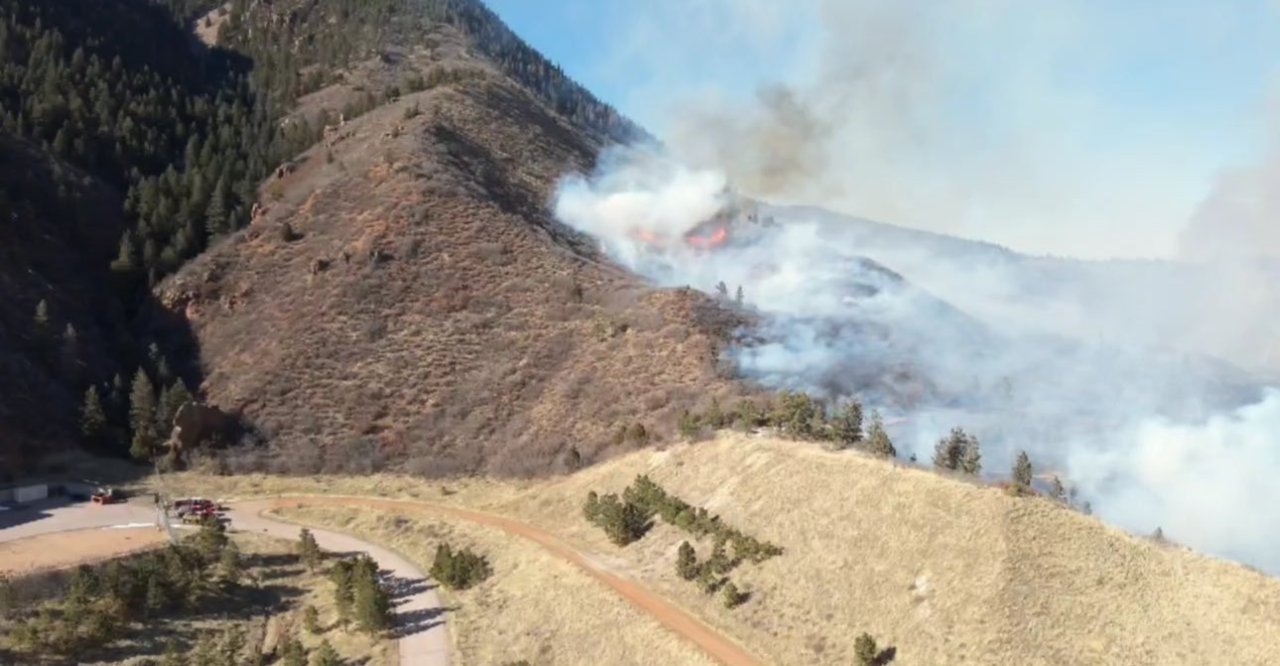
The exact location of the fire burning on the United States Air Force Academy in Colorado Springs has been pinpointed using a photo shared by the Colorado Springs Fire Department and analysis with Google Earth. The fire is near the mouth of the West Monument Creek canyon, approximately 1.64 miles from the northern most homes of Peregrine and 1.6 miles from the Military Family and Readiness Center on the Academy. Wind gusts have been out of the west through Sunday afternoon at speeds between 35 and 45 mph.
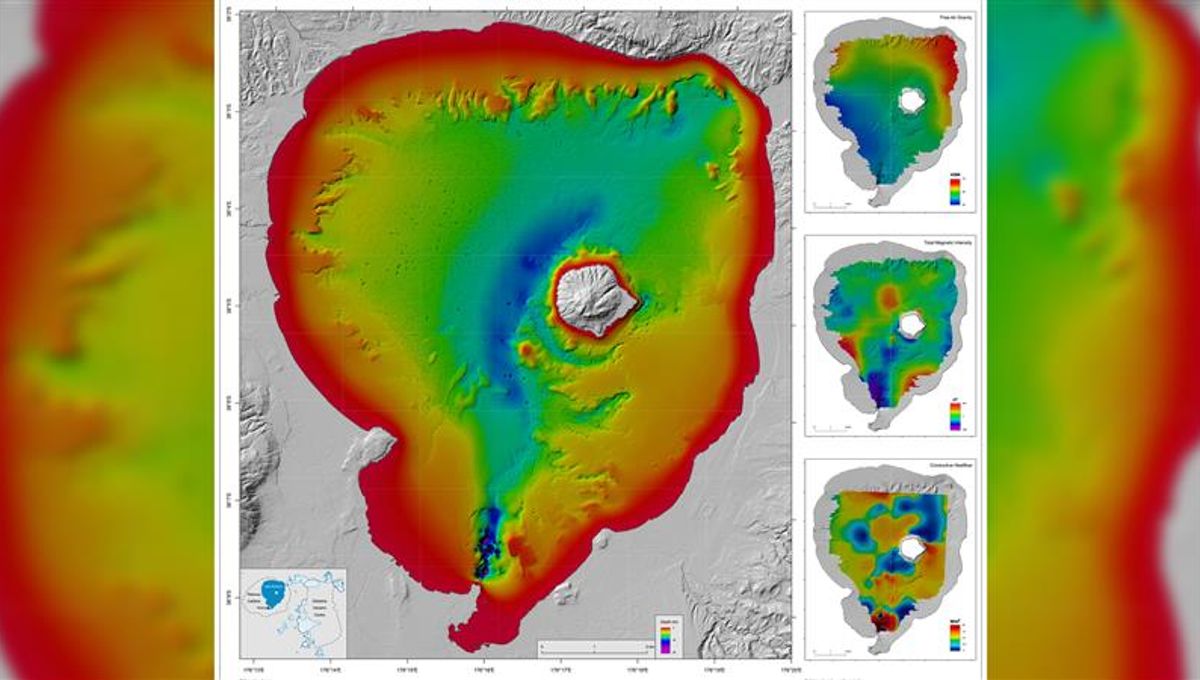
Scientists have completed the first comprehensive mapping of New Zealand's Lake Rotorua, uncovering ancient features and a peculiar magnetic anomaly. The maps reveal thousands of pockmarks on the lake's floor, evidence of an ancient river, and magnetic anomalies that suggest the presence of another hydrothermal system beneath the lake. This mapping provides new insights into the lake's geological history and hydrothermal processes, shedding light on the violent volcanic activity that formed the lake 200,000 years ago.
Zealandia, the largely submerged continent near New Zealand, has been completely mapped by a team of geologists using rock samples and geophysical mapping methods. The continent, twice the size of India, was likely flooded around 40 million years ago. The mapping revealed large sandstone formations and basaltic rock pebbles, providing insights into Zealandia's geological history. This discovery sheds light on a previously unknown part of Earth's geography and geological evolution.
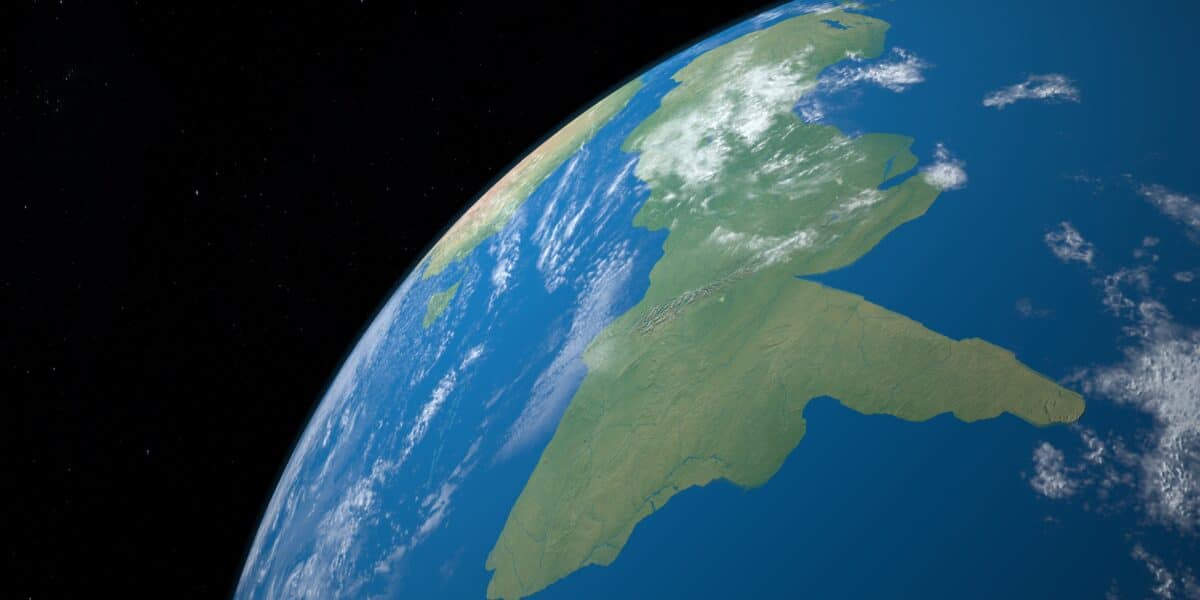
Scientists have completed the first comprehensive mapping of Zealandia, a submerged continent in the South Pacific that was once part of a supercontinent 300 million years ago. By analyzing rock samples and magnetic maps, researchers have outlined the extent of Zealandia, which spans 1.9 million square miles and connects Antarctica and Australia. The study sheds light on how Zealandia formed and split from nearby landmasses, providing insights into Earth's continental evolution over vast timescales.
Despite capturing stunning images of the Milky Way, astronomers have only a vague understanding of our home galaxy. The true nature of the Milky Way was pieced together through observations of other galaxies and theoretical modeling. Challenges in mapping the Milky Way include its size, the presence of dust obscuring our view, and the enormous amount of resources required. Techniques such as examining the motions of stars and using data from the Gaia spacecraft have provided valuable insights, revealing at least two prominent spiral arms anchored on a central bar-like core in a giant S shape. However, beyond that, the galaxy's structure remains somewhat uncertain, and any "map" of the Milky Way is mostly conjecture and subject to change as our techniques and understanding improve.
Astronomers have only a vague understanding of the Milky Way, with its true nature being pieced together through observations of other galaxies and theoretical modeling. Mapping the Milky Way is challenging due to its size, the presence of dust, and the enormous amount of resources required. Techniques such as examining the motions of stars and using data from the Gaia spacecraft have provided insights into the galaxy's structure, revealing at least two prominent spiral arms anchored on a central core in a giant S shape. However, beyond that, the galaxy's features remain somewhat uncertain, and any "map" of the Milky Way is mostly conjecture and subject to change as our techniques and understanding improve.
NASA's Juno probe has provided the first charted map of Jupiter's moon Io, revealing over 200 active volcanoes on its surface. The data suggests that Io may have a global ocean of magma underneath its surface and mysteriously warm poles. The extreme volcanic activity is believed to be caused by tidal heating generated by Jupiter's gravitational forces. The concentration of volcanoes on the moon's poles is roughly the same as elsewhere, but they emit less energy. The north pole volcanoes are more than twice as energetic as those in the south, possibly due to differences in crust thickness.