Tag

Anomaly Detection

All articles tagged with #anomaly detection

AI Delivers 1,300 Cosmic Anomalies From Hubble Archive
science1 month ago

AI Delivers 1,300 Cosmic Anomalies From Hubble Archive

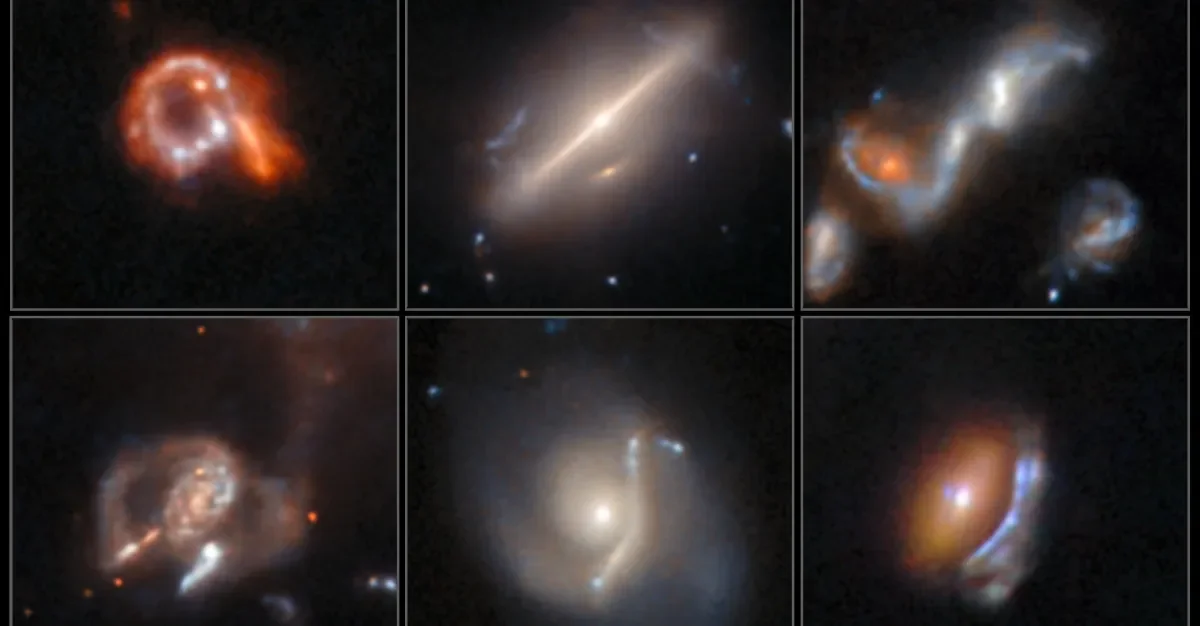
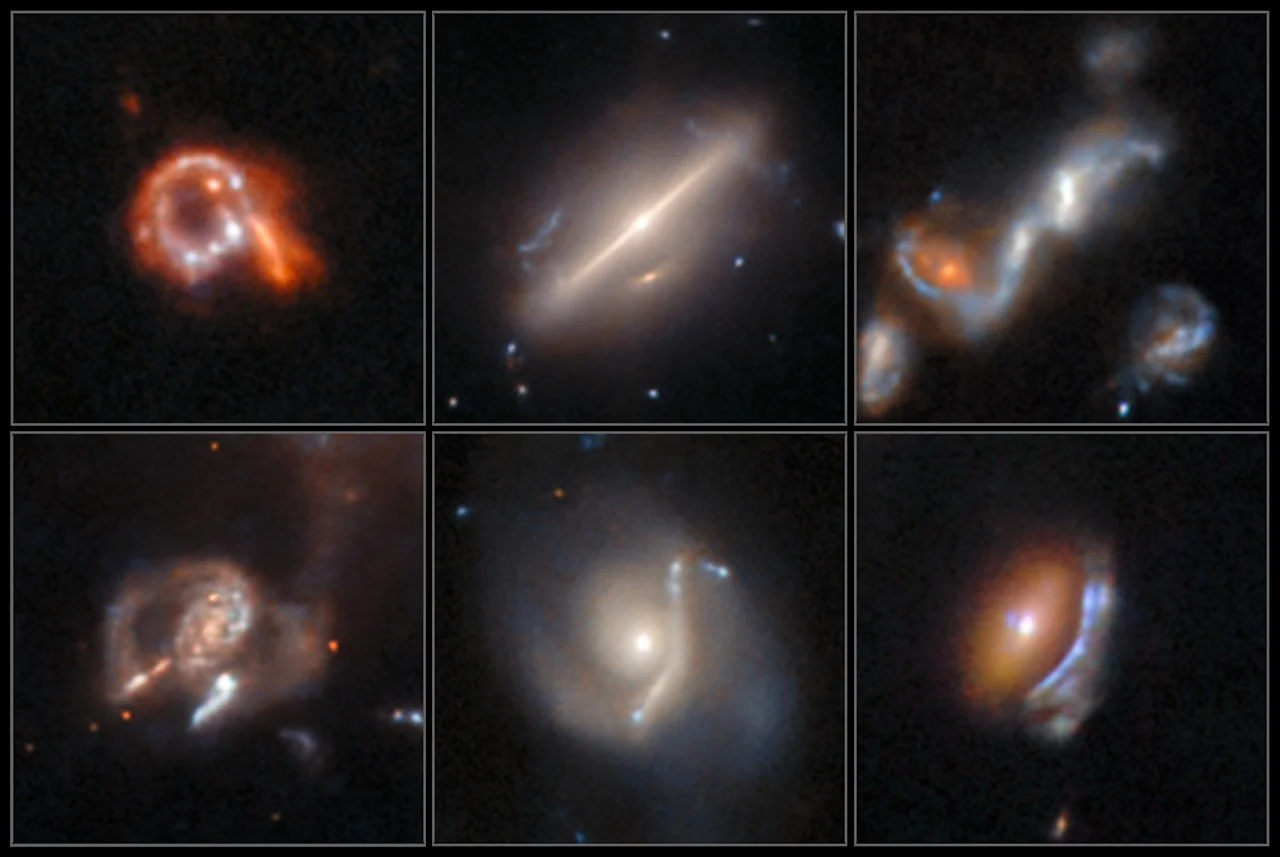
Astronomers using the AnomalyMatch AI tool scanned nearly 100 million Hubble image cutouts from about 35 years of data, uncovering around 1,300 anomalies, with more than 800 previously undocumented. The majority are merging/interacting galaxies; the search also flagged 86 new gravitational lens candidates and rare objects like jellyfish galaxies, demonstrating AI's power to extract discoveries from the data deluge of current and future observatories.
AI Sifts Hubble Archives to Reveal 1,400 Cosmic Anomalies
science1 month ago

AI Sifts Hubble Archives to Reveal 1,400 Cosmic Anomalies

ESA researchers trained an AI model called AnomalyMatch to scan nearly 100 million images in the Hubble Legacy Archive, flagging 1,400 anomalous objects in about 2.5 days. The findings include merging/interacting galaxies, gravitational lenses, jellyfish galaxies, and galaxies with large star-clump concentrations, with several dozen objects defying classification. The work shows AI can boost the scientific output of large astronomical datasets and could aid analyses of other big archives.

AI Uncovers 1,300 Hidden Cosmic Anomalies in Hubble Archive
science1 month ago

AI Uncovers 1,300 Hidden Cosmic Anomalies in Hubble Archive

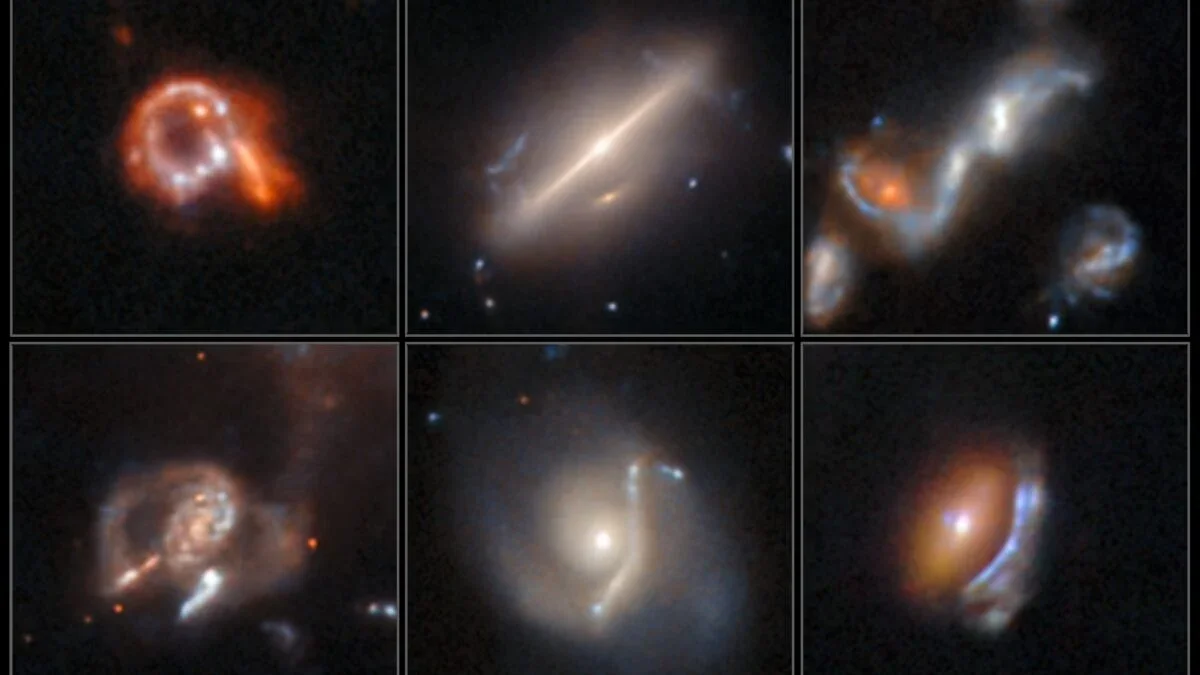
A team led by ESA scientists used an AI tool called AnomalyMatch to sift through nearly 100 million Hubble Legacy Archive image cutouts. In about 2.5 days, the algorithm flagged over 1,300 true anomalies, more than 800 of which had not been documented before, including galaxy mergers, gravitational lenses, a ring galaxy, jellyfish-like galaxies, and edge-on planet-forming disks; six examples are highlighted in the release. The study demonstrates how AI can dramatically speed up discovery in archival data and signals a new era for upcoming surveys from Roman, Euclid, and Vera C. Rubin Observatory, as NASA and ESA continue collaborative exploration of the universe.

AI Uncovers Hundreds of Hidden Cosmic Oddities in the Hubble Archive
space1 month ago

AI Uncovers Hundreds of Hidden Cosmic Oddities in the Hubble Archive

Researchers used AnomalyMatch, an AI-driven neural network, to scan nearly 100 million Hubble Legacy Archive image cutouts in about 2.5 days, identifying roughly 1,400 anomalous objects, with around 800 new-to-science discoveries. The haul includes merging galaxies, gravitational lenses, jellyfish galaxies, and unusual edge-on disks, plus a number of objects that defy easy classification, highlighting AI’s power to unlock archival data for future surveys like Euclid and the Vera C. Rubin Observatory.

"Uncovering Hidden Particles: Machine Learning and the Large Hadron Collider"
physics1 year ago

"Uncovering Hidden Particles: Machine Learning and the Large Hadron Collider"

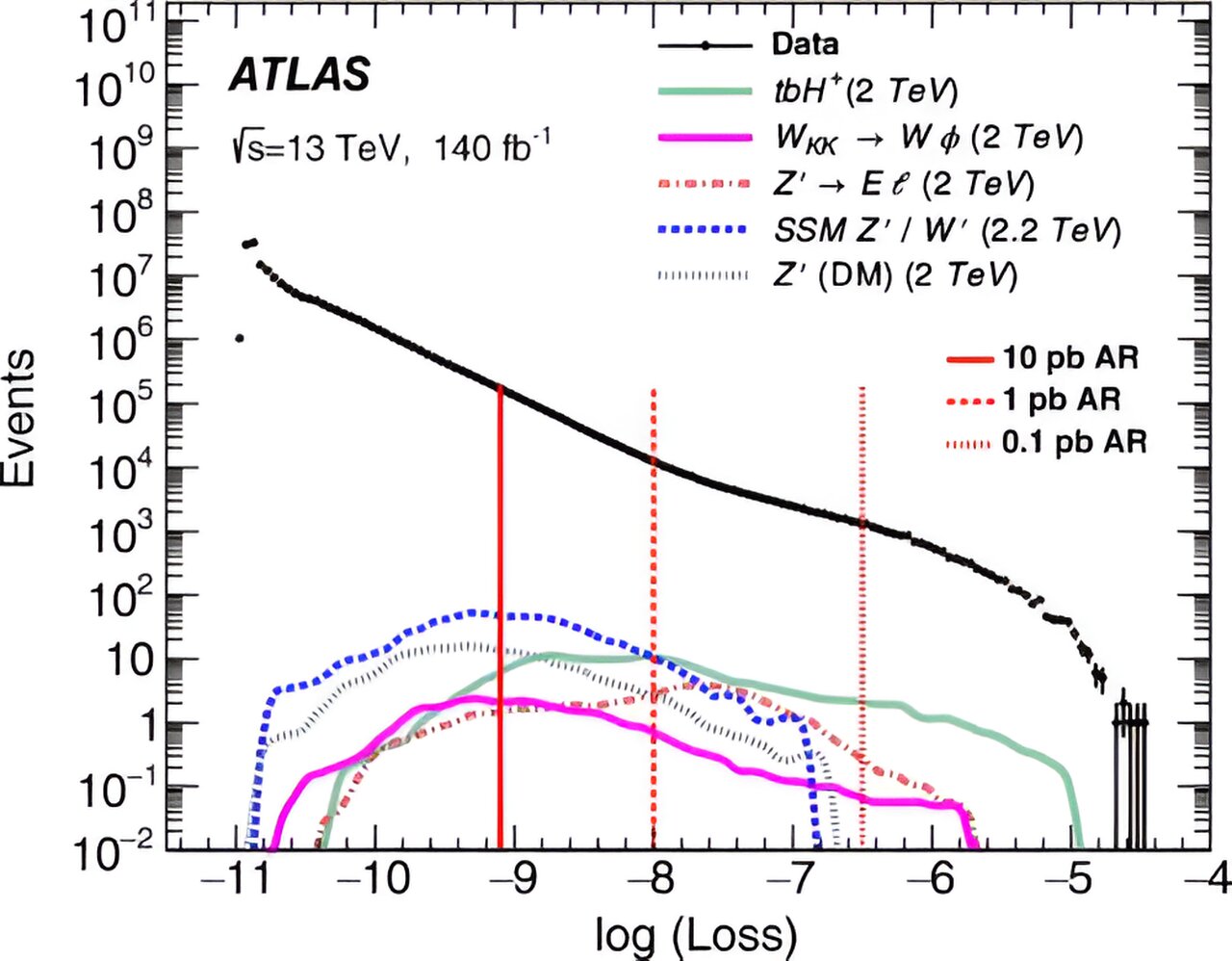
Scientists at the U.S. Department of Energy's Argonne National Laboratory used a neural network to analyze data from the Large Hadron Collider, aiming to uncover undiscovered particles not accounted for in the Standard Model of particle physics. The machine learning approach, known as anomaly detection, identified an anomaly in the data that could indicate the existence of an unknown particle. While further investigation is needed, this technique shows promise for uncovering new physics and will be applied to data collected during the LHC Run-3 period.

Uncovering Alien Life through Anomaly Detection and Exoplanet Observations
science-and-technology2 years ago

Uncovering Alien Life through Anomaly Detection and Exoplanet Observations

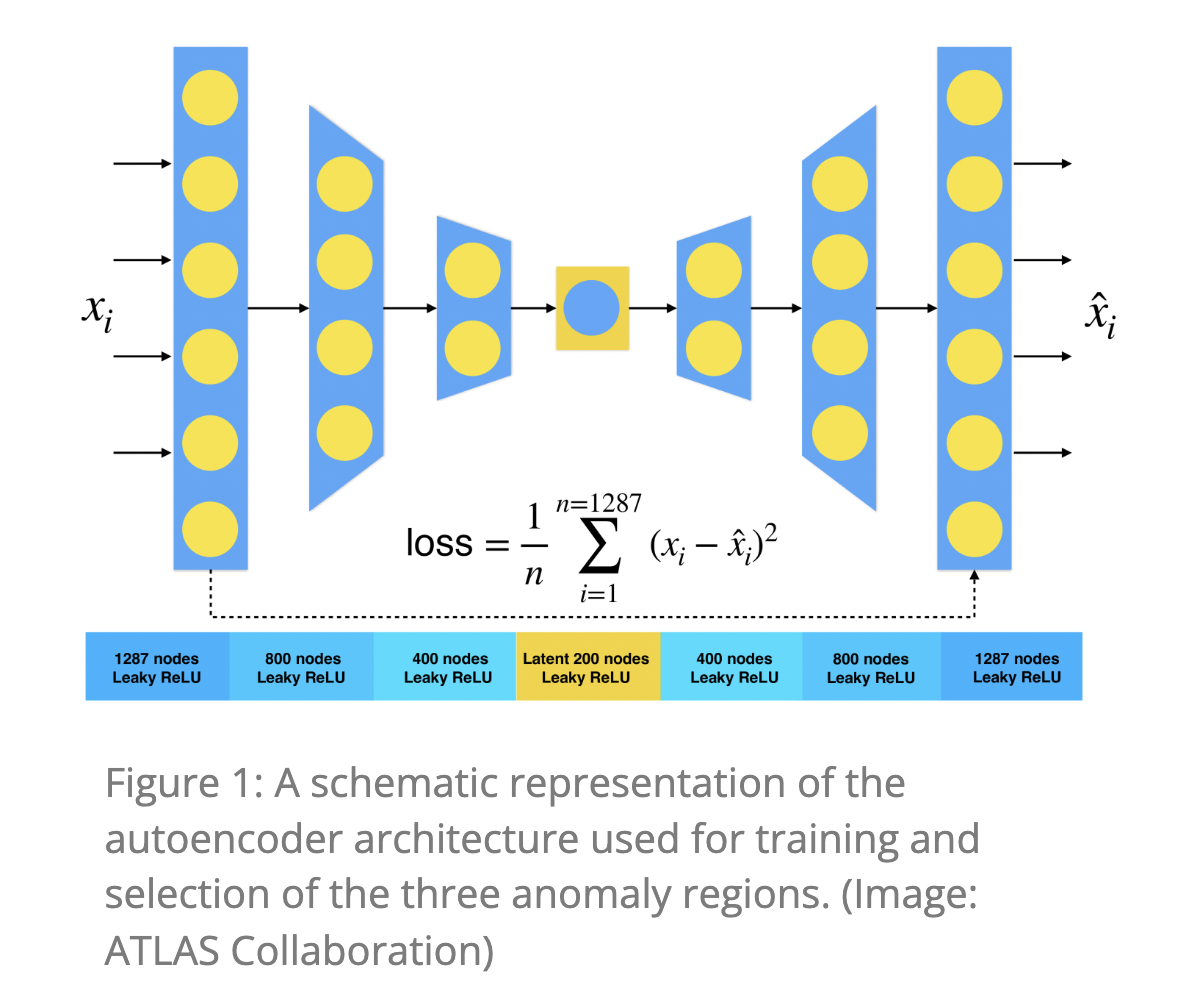
Researchers at ATLAS have proposed a novel framework for analyzing collision data from the Large Hadron Collider (LHC) using unsupervised machine learning techniques. The framework utilizes an autoencoder neural network to identify anomalies in the data that could indicate new physics phenomena. Unlike traditional methods that rely on predefined models and simulations, this approach is model-agnostic and free from preconceived expectations. By focusing on these anomalies, scientists can potentially uncover unexpected phenomena that elude conventional methods and expand our understanding of the universe.