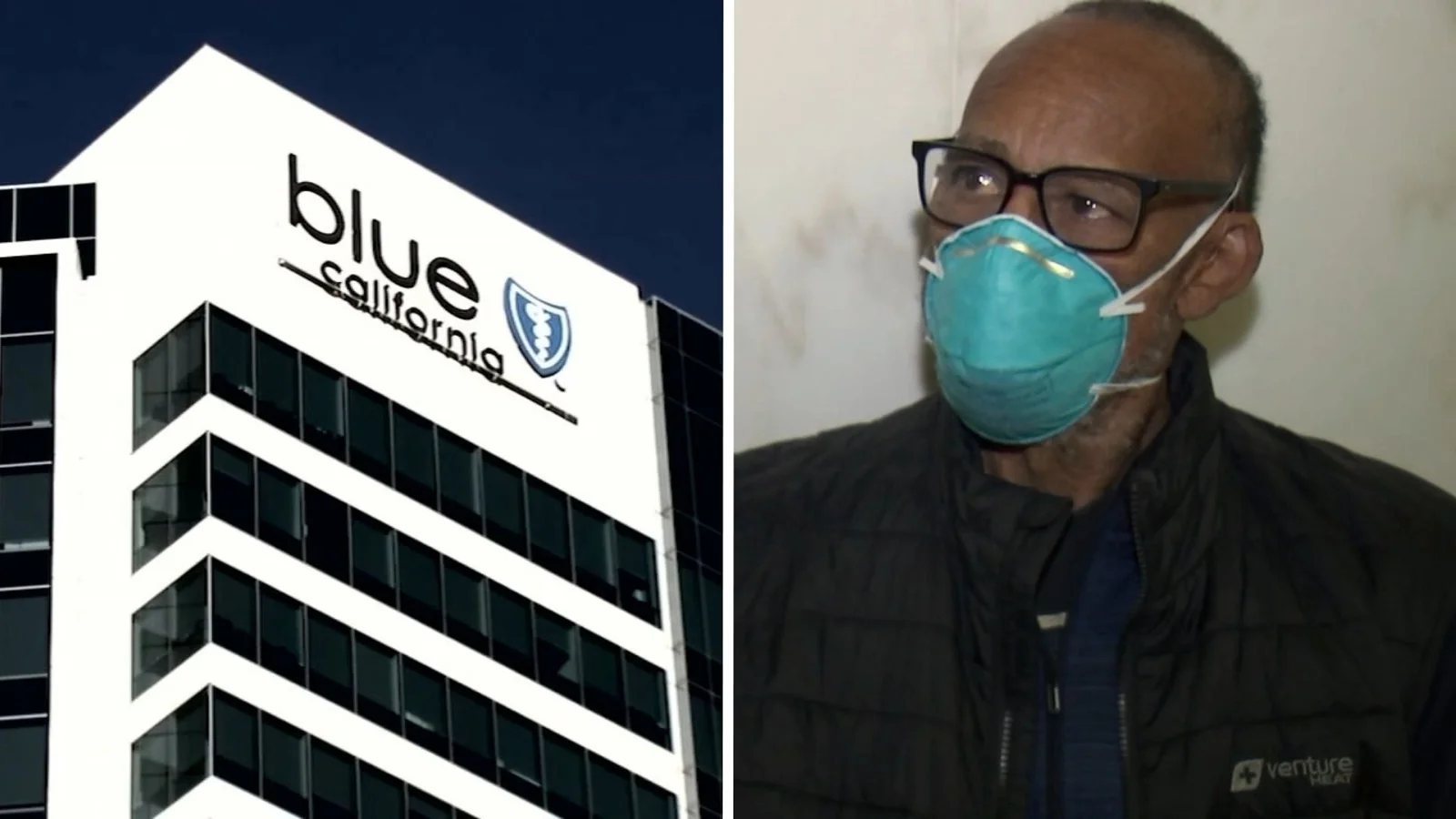
A retired San Francisco firefighter with stage 4 lung cancer is seeking city intervention after Blue Shield denied his treatment, raising concerns about insurance practices and access to lifesaving care.
Lung cancer rates are rising among women under 50, including non-smokers, due to factors like air pollution, lifestyle, and biological differences. Early symptoms are often overlooked, but timely diagnosis and modern treatments can significantly improve outcomes. Awareness and preventive measures are crucial to address this emerging health concern.
A new study links the consumption of ultra-processed foods, including lunch meats and fizzy drinks, to an increased risk of lung cancer, highlighting the importance of dietary choices in disease prevention, though further research is needed to confirm causality.
Barry Manilow announced he was diagnosed with lung cancer after an MRI, which detected a tumor early, allowing for surgery without the need for chemo or radiation. He is rescheduling his concerts and encourages symptom awareness and testing.
Barry Manilow announced he has lung cancer discovered during an MRI after bronchitis, and will undergo surgery in late December, leading to rescheduling of his January concerts to February-April. He emphasizes early detection and wishes for a smooth recovery.
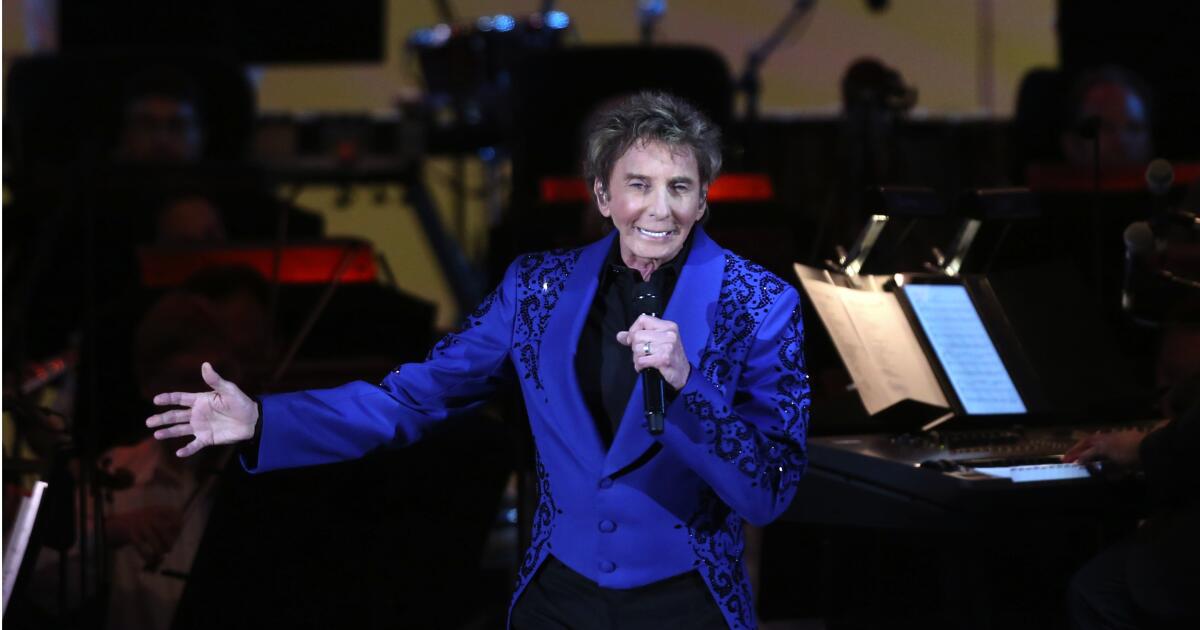
Barry Manilow, the renowned singer, has been diagnosed with early-stage lung cancer and will undergo surgery to remove part of his lung. Despite postponing upcoming performances, he expects to return to his Las Vegas residency by Valentine's Day. Manilow expressed gratitude for early detection and is optimistic about his recovery, emphasizing that he does not require chemotherapy or radiation.
Barry Manilow announced he has been diagnosed with lung cancer, discovered early through an MRI, and will undergo surgery to remove a cancerous spot on his lung, leading to the postponement of his January concerts. His upcoming performances are rescheduled for late February through April, and he is optimistic about recovery, emphasizing the importance of health checks.
Barry Manilow announced he has lung cancer, which was caught early through tests conducted during treatment for bronchitis. He is scheduled for surgery later this month and expects a full recovery, leading to the rescheduling of his upcoming concerts from January to April. He remains optimistic and encourages early testing for symptoms.
Barry Manilow, 82, announced he will undergo surgery to remove a stage one lung cancer spot found during an MRI after a prolonged bout of bronchitis. He plans to recover in January and reschedule his January concerts to February, with a return to performances in February.
Barry Manilow announced he has lung cancer discovered during an MRI after bronchitis, requiring surgery and leading to rescheduling his January shows, but he plans to return to performing in February and encourages health screenings.
Barry Manilow, the iconic singer-songwriter, announced he will undergo surgery to remove a cancerous spot on his lung, which was detected early during an MRI after he experienced bronchitis. Doctors believe the cancer has not spread, and he will not need chemotherapy or radiation. He plans to recover for a month and reschedule his upcoming concerts, emphasizing the importance of early testing for symptoms.
Barry Manilow announced he has lung cancer discovered early during an MRI, and will undergo surgery, leading to the rescheduling of his January shows to later dates in 2023. He encourages fans to prioritize health and get tested if symptomatic.
Barry Manilow announced he has been diagnosed with lung cancer after an MRI detected a tumor, leading to the postponement of his January concerts. He plans to undergo surgery, expects to recover by February, and intends to resume his performances, including his Las Vegas residency and upcoming UK tour.
A study suggests that administering immune checkpoint inhibitors earlier in the day, before 3 p.m., significantly improves survival outcomes for patients with extensive-stage small cell lung cancer, highlighting the potential of chronotherapy to optimize cancer treatment by aligning it with the body's circadian rhythms.
The FDA approved RYBREVANT FASPRO™, a subcutaneous therapy for EGFR-mutated NSCLC, offering faster, more convenient treatment with fewer reactions compared to IV, and demonstrating improved survival outcomes when combined with LAZCLUZE® in first-line treatment.