Researchers have found that certain 'gifted' dogs can learn the names of objects by overhearing conversations, demonstrating advanced social cognitive skills similar to young children, and suggesting that the ability to interpret complex social interactions predates language itself.
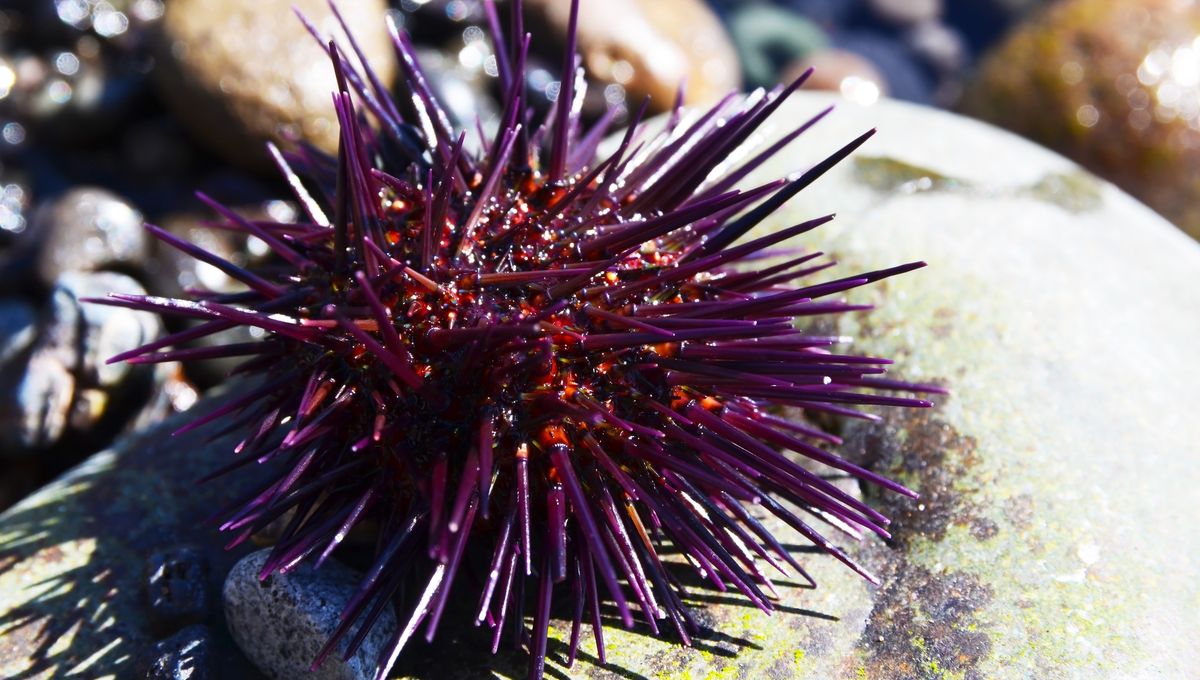
Recent research reveals that sea urchins possess a complex, integrated nervous system resembling an 'all-body brain,' challenging previous beliefs that echinoderms lack centralized brains and prompting a reevaluation of animal intelligence and nervous system evolution.
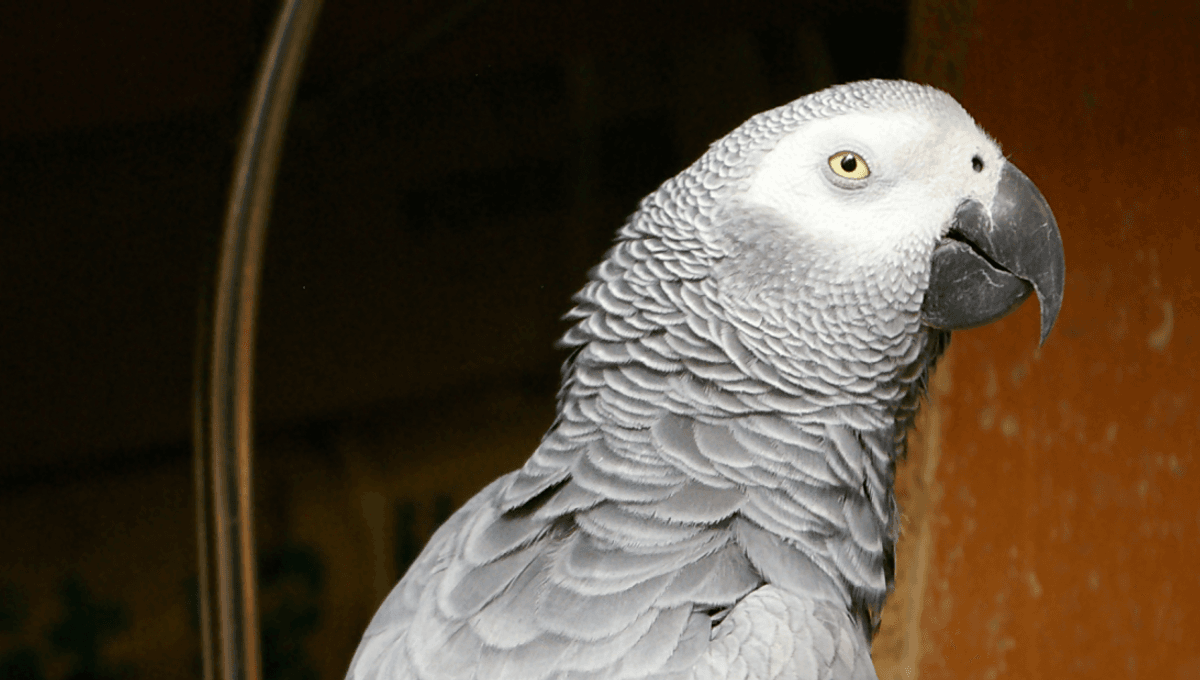
Alex the parrot, an African gray, revolutionized our understanding of animal intelligence through his ability to use words, ask questions, and demonstrate self-awareness, challenging previous beliefs about animal cognition and consciousness.
In 'The Arrogant Ape,' Christine Webb challenges the notion of human superiority by exposing how data supporting human exceptionalism has been biased, urging a reevaluation of our perceived dominance over animals.
A video shows two Golden Retrievers cleverly guiding their mom to their treat counter by pointing, showcasing their intelligence and adorable behavior, which has gained widespread attention online.
A comprehensive discussion challenges the notion of human exceptionalism by examining traits like language, technology, and survival, highlighting that while humans possess unique capabilities, many traits are shared with other species, and the concept of exceptionalism is often based on subjective value judgments and specific metrics.
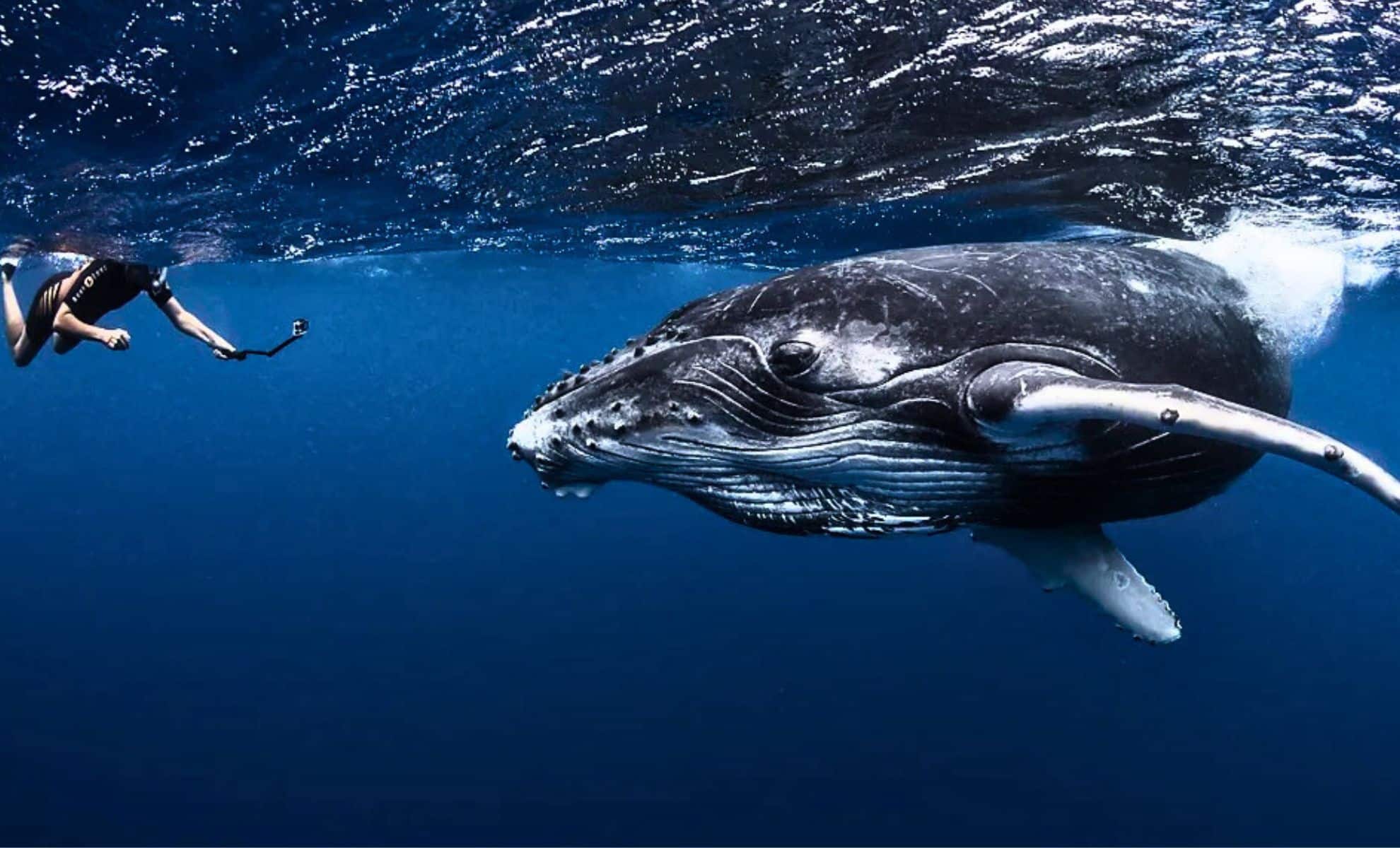
Researchers have achieved a groundbreaking 20-minute interaction with a humpback whale using AI to decode and replicate its complex vocalizations, revealing language-like structures and raising implications for understanding animal intelligence and extraterrestrial communication, while also prompting ethical considerations in human-animal interactions.
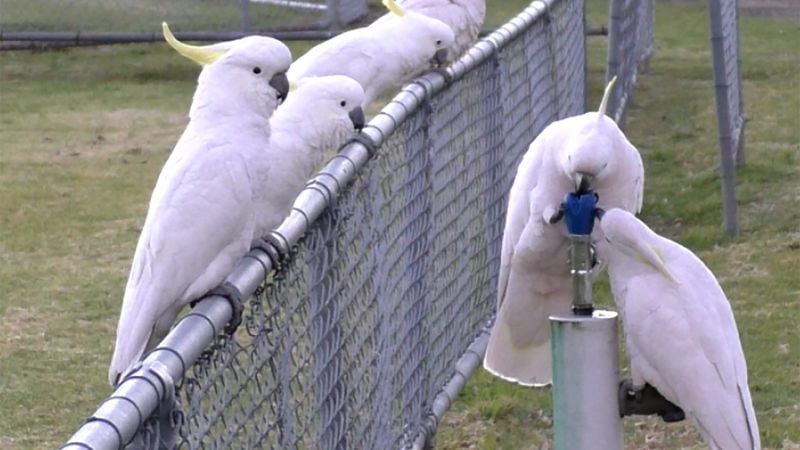
Australian sulphur-crested cockatoos have demonstrated remarkable intelligence by learning to open trash cans and turn on water fountains in urban areas, showcasing their adaptability and social learning abilities, though the reasons for their preference for fountains remain uncertain.
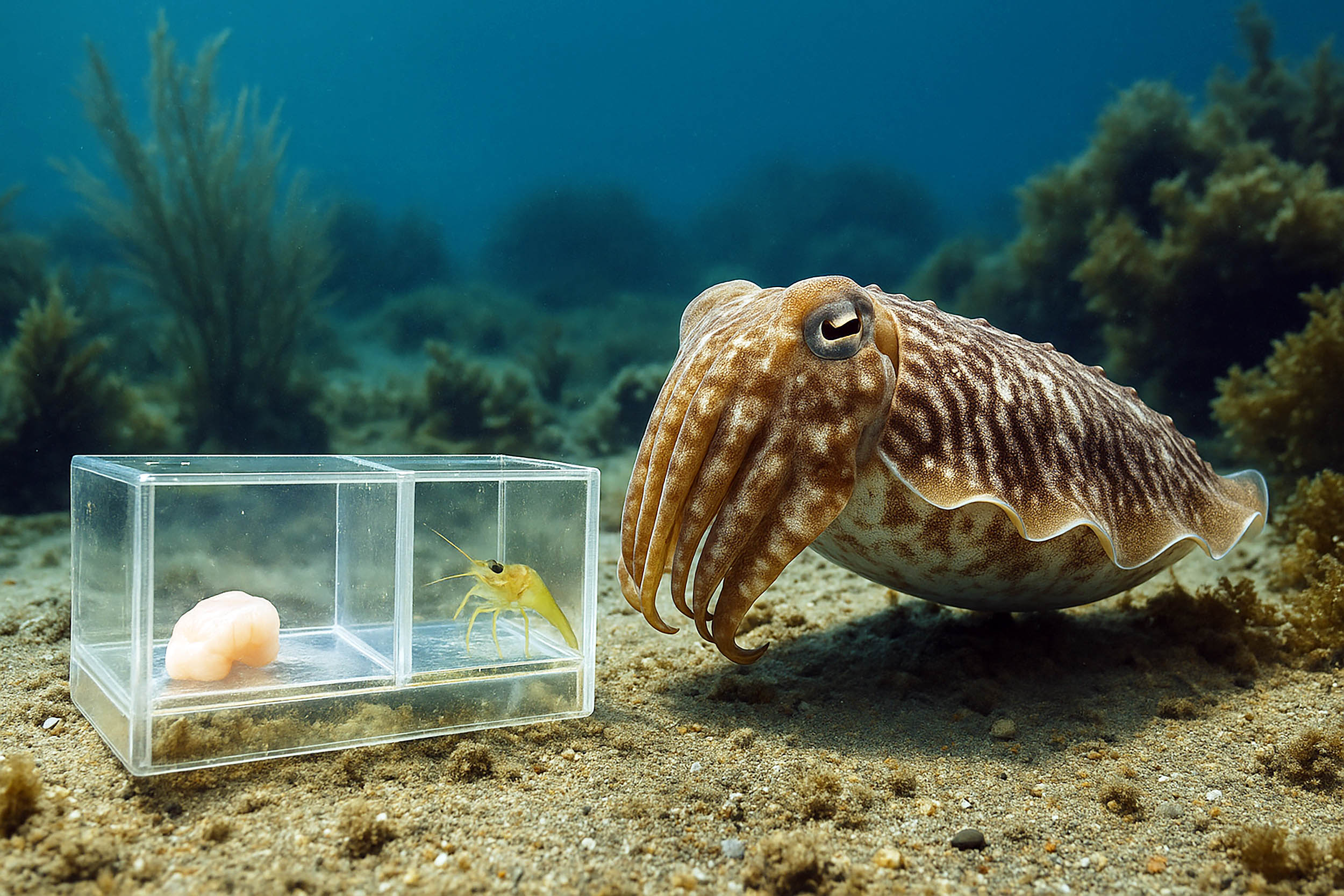
A 2021 study demonstrated that cuttlefish can pass a version of the marshmallow test, showing they can delay gratification and adapt their behavior, which suggests advanced cognitive abilities possibly evolved for their complex foraging strategies. The research highlights the intelligence of cephalopods and their ability to learn and anticipate rewards, challenging assumptions about animal cognition.
A study demonstrates that cuttlefish can exhibit patience and self-control comparable to some vertebrates, challenging assumptions about invertebrate intelligence and suggesting that complex cognition may have evolved independently in different animal lineages.
A study by UC San Diego and Johns Hopkins University reveals that dogs can use soundboards, like the "FluentPet" app, to communicate intentionally with humans. Analyzing data from 152 dogs over 21 months, researchers found that dogs pressed buttons purposefully to express needs, such as "outside" or "food," rather than imitating their owners. The study suggests dogs are capable of more complex communication than previously thought, raising questions about their cognitive abilities and potential for interspecies communication.
A study by UC San Diego's Comparative Cognition Lab reveals that dogs trained to use soundboards can intentionally combine two-word button presses to communicate specific needs, such as 'outside' + 'potty' or 'food' + 'water.' Analyzing data from 152 dogs over 21 months, researchers found these combinations were not random or imitative but purposeful, suggesting a new way for owners to understand their pets. Future research will explore if dogs can use buttons to express ideas beyond immediate needs, potentially altering perceptions of animal intelligence.
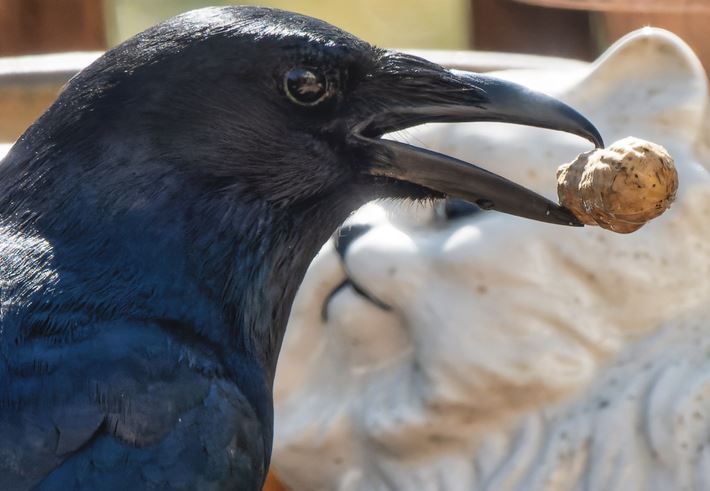
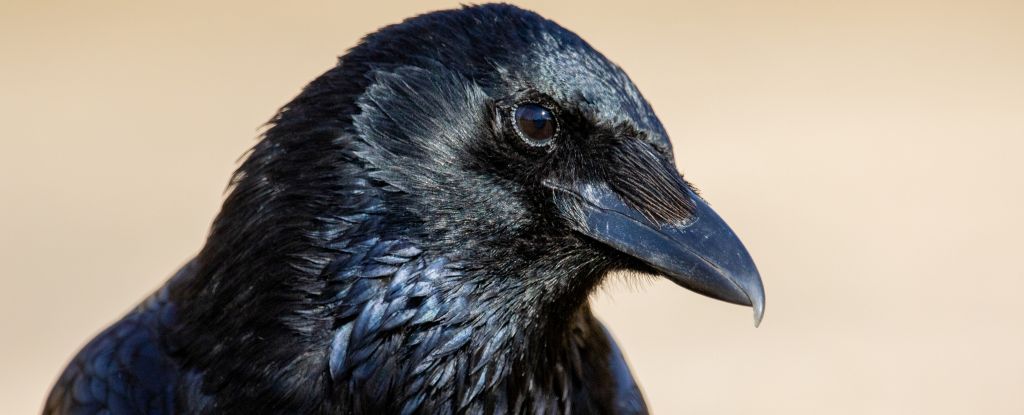
A new study reveals that crows can count out loud, demonstrating numerical abilities and vocal control comparable to human toddlers. Researchers found that crows could reliably count to four with their caws, suggesting they might be able to go higher if needed. This discovery highlights the sophisticated cognitive skills of crows, using a nonsymbolic number estimation system shared by humans and animals.
A new study reveals that crows can count out loud, producing a specific number of caws in response to visual and auditory cues. This ability, which requires both numerical understanding and vocal control, has not been observed in other non-human species. The research, conducted on three carrion crows, shows that they can flexibly produce between one and four vocalizations, similar to how human toddlers count before mastering symbolic numbers. This discovery could indicate a new form of avian communication and suggests an evolutionary precursor to true counting.
A study conducted by researchers at the University of Bonn in Germany suggests that roosters can recognize themselves in mirrors, challenging the notion that chickens lack intelligence. The classic mirror test, which assesses self-recognition, was unsuccessful with roosters. However, when the researchers tested rooster self-awareness using a more relevant scenario involving a hawk silhouette, the roosters exhibited alarm calls when another rooster was visible, but stayed silent when alone or when another rooster was present but blocked from view by a mirror. The study highlights the need for alternative tests of self-awareness that are ecologically relevant to different animal species.