A Minnesota woman experienced persistent face spasms on the right side, which doctors could not initially explain. Her history of multiple root canals and dental procedures raised questions about a possible link, but the exact cause of her convulsions remains unclear, highlighting a complex medical mystery.
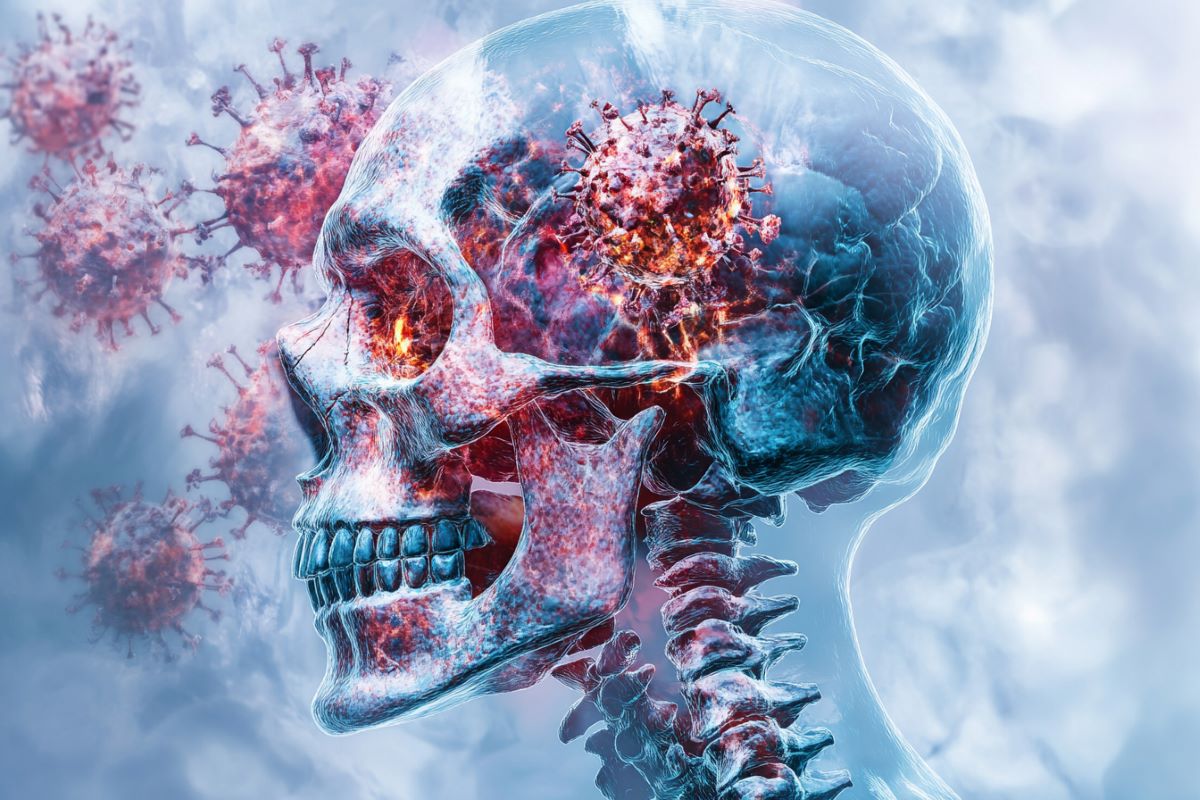
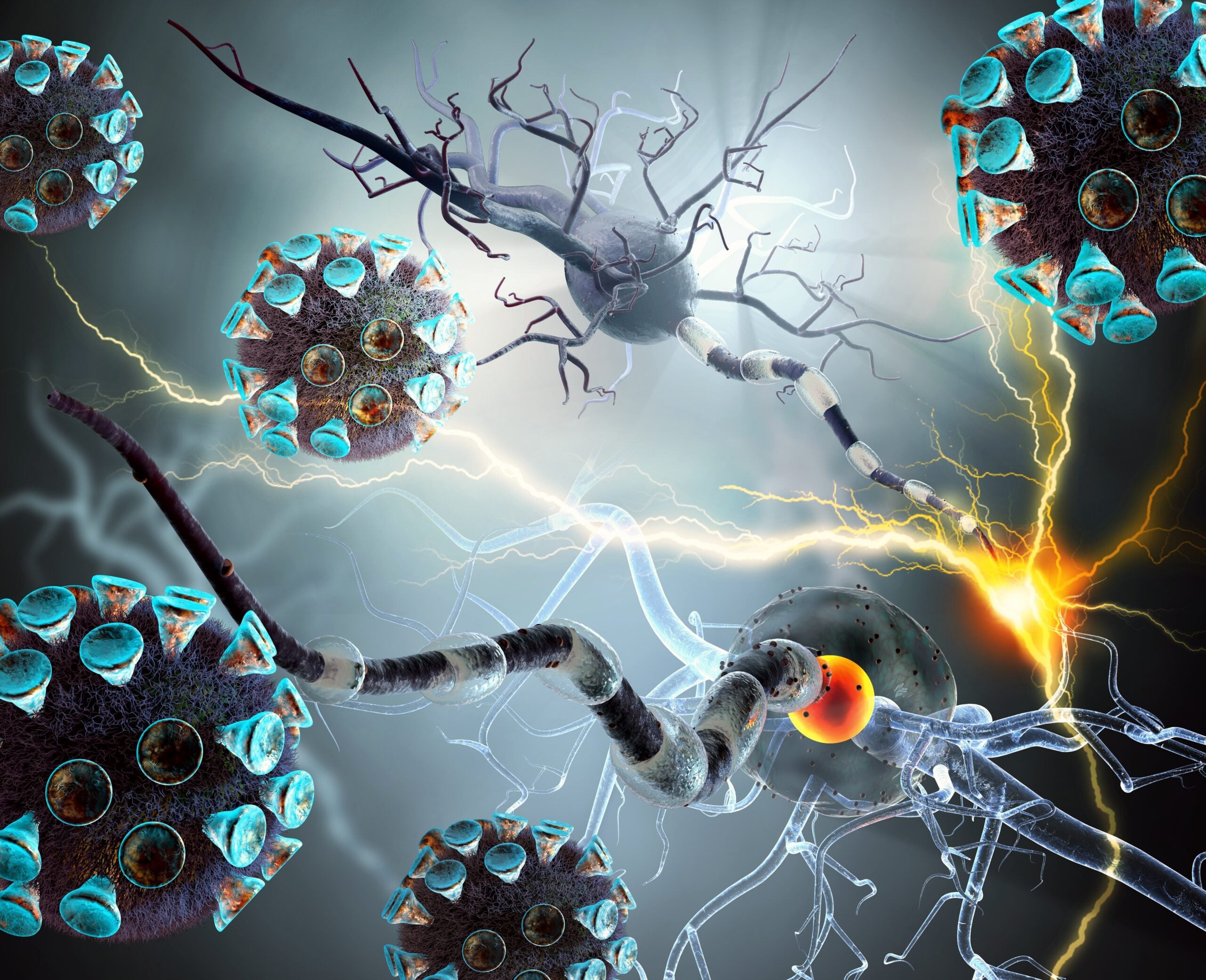
A study by Helmholtz Munich and LMU reveals that the SARS-CoV-2 spike protein can persist in brain-protective tissues and skull bone marrow for years, potentially causing long COVID's neurological symptoms. The research shows that mRNA vaccines reduce spike protein accumulation by 50%, but residual proteins may still pose risks, highlighting the need for new therapies and diagnostic tools. The findings suggest that persistent spike protein could lead to chronic brain inflammation and increased risks of neurodegenerative diseases, emphasizing the importance of addressing long-term COVID-19 effects on brain health.
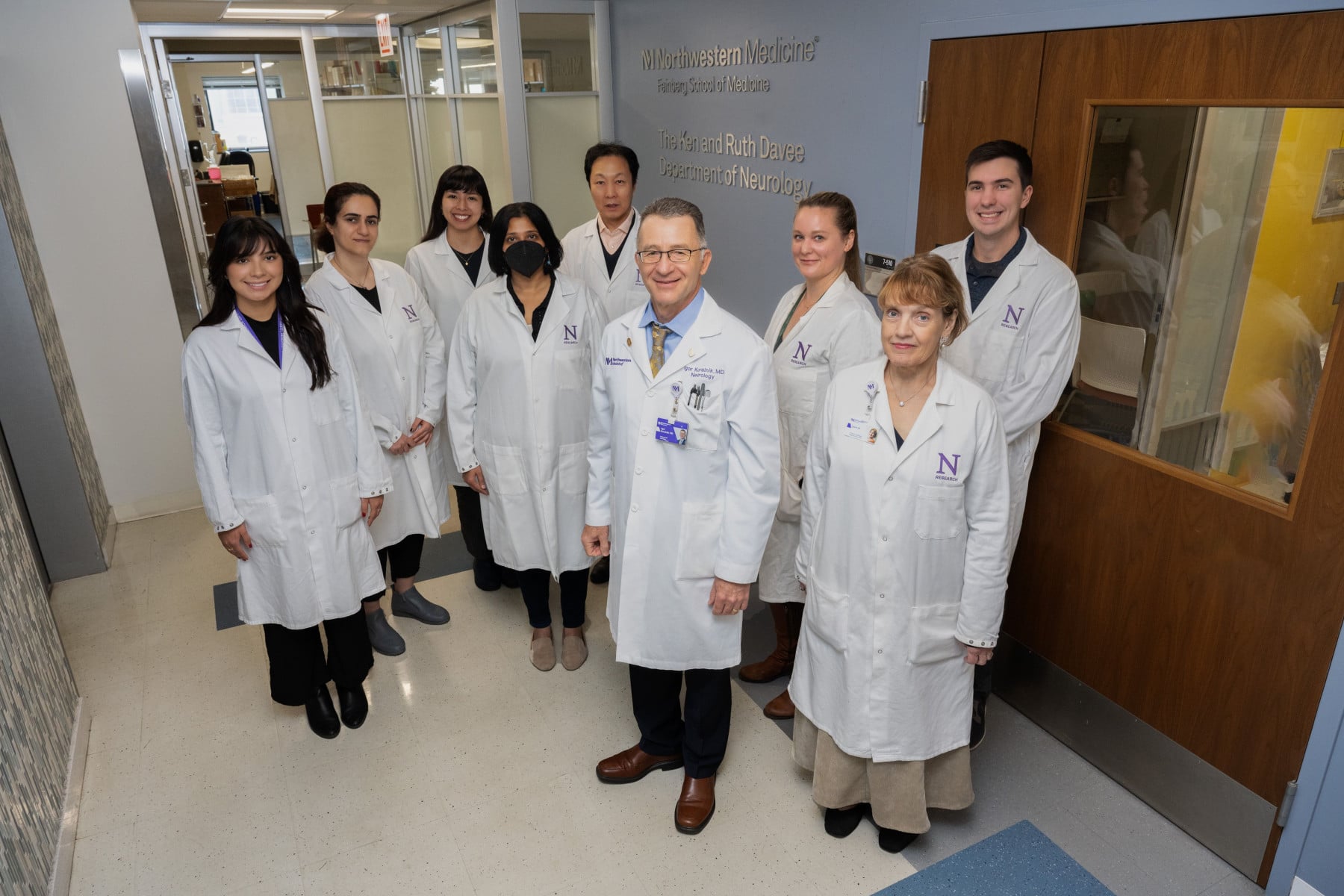
New research indicates that younger adults are more severely affected by long COVID symptoms than older individuals, impacting their quality of life and societal productivity. The study, involving 1,300 patients at Northwestern Medicine, found that neurological symptoms like headaches, fatigue, and cognitive decline were more pronounced in those under 65. Despite vaccinations, about 30% of COVID patients develop long COVID symptoms, highlighting the need for comprehensive treatment and rehabilitation services for all ages.
New research from Northwestern Medicine reveals that younger and middle-aged adults experience worse neurological symptoms of long COVID compared to older adults, despite the latter being more severely affected by acute COVID-19. The study, published in the Annals of Neurology, analyzed 1,300 patients and found symptoms like headaches, numbness, and cognitive decline were prevalent regardless of initial COVID-19 severity. This has significant public health implications, as long COVID affects workforce productivity and increases healthcare burdens.
A new study has found that in about 10% of multiple sclerosis cases, the body begins producing a distinctive set of antibodies against its own proteins years before symptoms emerge, providing a potential breakthrough in early detection. This discovery could lead to earlier diagnosis and treatment, particularly for individuals with nonspecific neurological symptoms, and may also benefit those with radiologically isolated syndrome or a family history of MS. Factors such as low vitamin D levels, smoking, obesity, and viral infections have been linked to an increased risk of developing MS, and early diagnosis is crucial for better long-term outcomes. Ongoing trials are investigating the impact of early aggressive therapy, and researchers believe that a simple antibody test specific for MS could be a key focus for future work.
Researchers at Tulane University have discovered that fibroblast growth factor receptor inhibitors, commonly used in cancer treatment, can effectively reduce inflammation and cell death in brain and nerve tissues affected by Lyme disease, offering hope for patients with post-treatment Lyme disease syndrome. This finding opens the door to potential new treatments for the persistent neurological symptoms experienced by some patients after standard antibiotic therapy, although further research is needed to translate these findings into clinical applications.
Patrick Frepan, a healthy 42-year-old teacher and dad, was suddenly struck by a mysterious illness that caused numbness, vision loss, and difficulty walking and talking. After months of deteriorating health and numerous tests, he was diagnosed with Bickerstaff brainstem encephalitis, an extremely rare autoimmune disease. Treatment with rituximab led to a remarkable recovery, allowing him to return to work and coaching wrestling, although he still deals with nerve pain and ongoing therapy for post-traumatic stress disorder.
Menopause is not just a reproductive transition but also a neurological one, with approximately 70% of women experiencing neurological symptoms during the transition. The brain undergoes significant changes during menopause, impacting memory and cognitive function, with hot flashes potentially indicating cognitive issues. Research suggests a link between menopause and Alzheimer's disease, emphasizing the importance of understanding and communicating symptoms. Lifestyle modifications, hormone therapy, and other medical options can help manage menopausal symptoms, but further research is needed to understand the brain's transition during menopause and develop more treatment options.
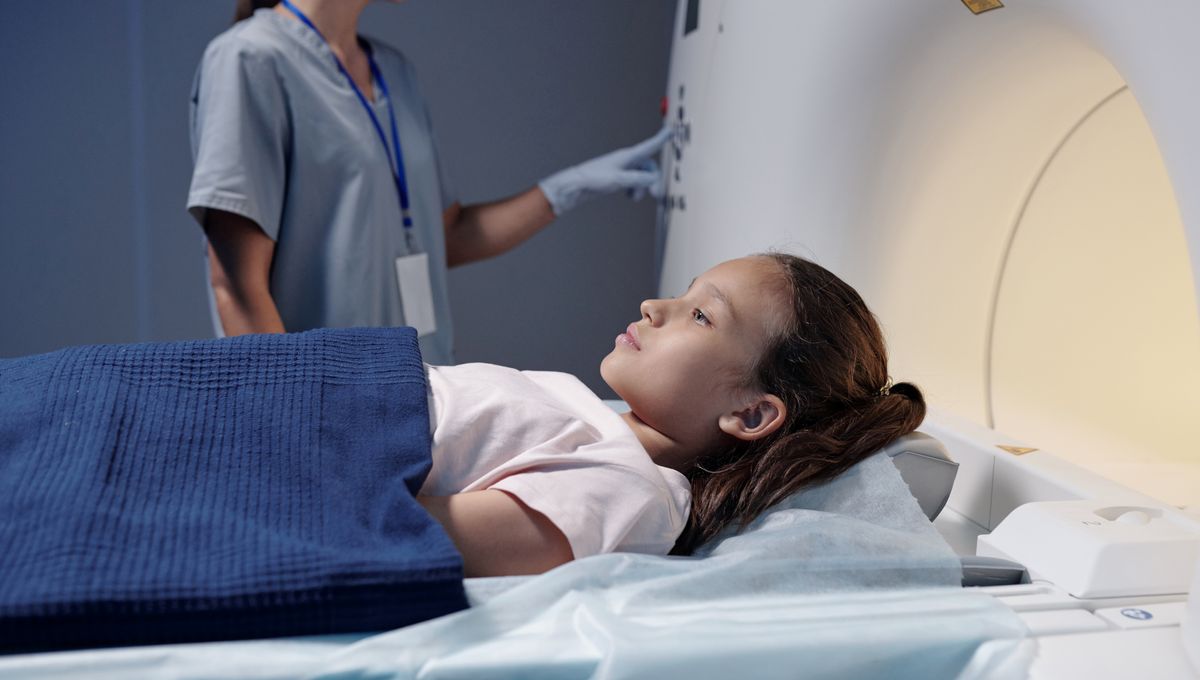
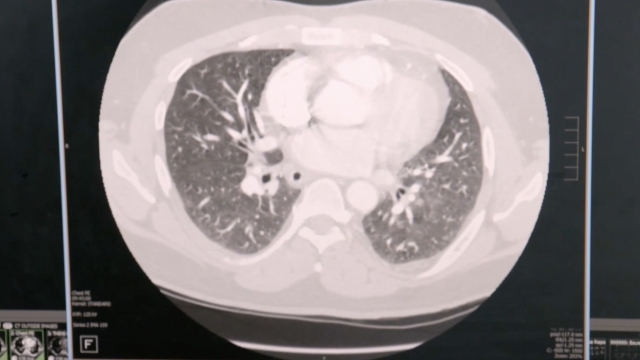
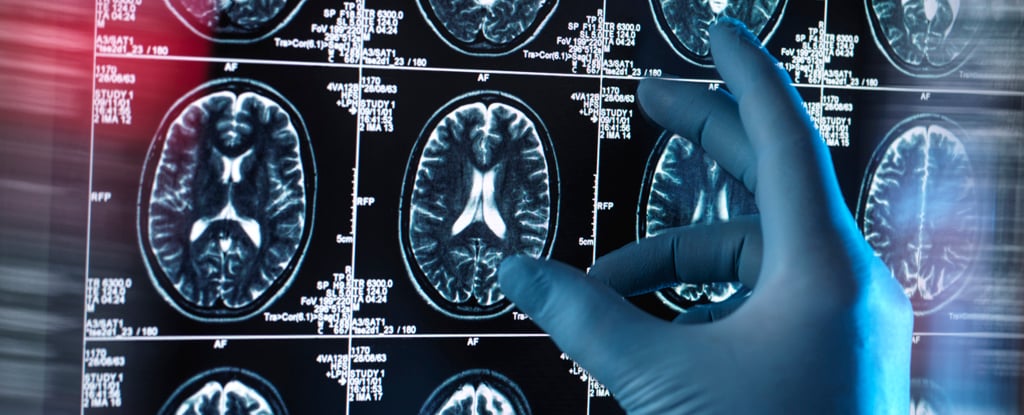
Data from 96 studies revealed that a substantial proportion of pediatric COVID-19 patients with neurological symptoms exhibit abnormal neuroimaging findings, with encephalitis being one of the most common. The study emphasizes the necessity for continued research into the long-term consequences of COVID-19 in children and the importance of a high index of suspicion for neurological complications in pediatric COVID-19 cases. However, the study has limitations, and further research is needed to confirm the potential association between COVID-19 and neuroimaging findings.
Scientists from Dublin, Ireland, have discovered a link between brain fog in long COVID patients and leaky blood vessels in their brains, indicating increased inflammation. This finding may help in identifying those at risk of developing neurological symptoms in post-viral illnesses, including long COVID. The research, conducted at Trinity College Dublin, could provide validation for long COVID patients and offer important metrics for developing treatments and a cure, as current diagnosis and treatment options are limited.
A team of scientists from Trinity College Dublin and FutureNeuro has discovered that the brain fog and cognitive decline experienced by some Long COVID patients may be linked to disruption in the integrity of blood vessels in the brain. This "leakiness" of blood vessels was found to be a distinguishing factor in patients with brain fog and cognitive decline compared to those with Long COVID but without brain fog. The findings, published in Nature Neuroscience, suggest that understanding the underlying cause of these conditions could lead to the development of targeted therapies for affected patients. The research was supported by Science Foundation Ireland, the European Research Council, and FutureNeuro.
Research from Charité-Universitätsmedizin Berlin suggests that the neurological symptoms of COVID-19 may be caused by inflammation in the brain rather than direct infection by the virus. The study found that while coronavirus genetic material was present in the brains of some patients, there was no evidence of direct infection of brain cells. Instead, the researchers propose that the body's immune response to the virus may lead to temporary changes in brain function, potentially explaining symptoms such as fatigue and memory problems. The study challenges the initial hypothesis and opens new avenues for understanding how inflammation in the body can impact brain function, with implications for long COVID patients.
A new study suggests that long COVID symptoms may be linked to brain injury, with elevated levels of brain injury biomarkers found in patients who had COVID-19. These biomarkers persisted even after the infection had cleared, particularly in those who experienced neurological complications. The study indicates ongoing inflammation and injury in the brain, potentially caused by abnormal immune system responses. The findings highlight the long-lasting impact of COVID-19 on the nervous system and may lead to new treatments for long COVID.
New research has found that COVID-19 can lead to misery and irritability by draining dopamine, affecting brain cells related to mood, movement, and stress. The virus can interrupt dopamine production, leading to senescence and inflammation in neurons. Three medications, riluzole, metformin, and imatinib, may potentially protect dopamine neurons from COVID infection. The findings may explain neurological symptoms in long COVID and suggest a potential increased risk of developing Parkinson's-related symptoms in affected individuals.
Migraine aura, experienced by 15% to one-third of migraineurs, presents as psychedelic visual disturbances such as zigzag lines, circles, flickering lights, and blind spots, and is believed to be caused by cortical spreading depression (CSD) altering blood flow and activating sensory pathways in the brain. While not dangerous on its own, it can be mistaken for more serious conditions like a mini-stroke, and is associated with an increased risk of stroke, especially in those taking certain hormonal birth control. However, it can provide a warning window to take steps to prevent or lessen the severity of an impending migraine.