Ginger can relieve mild to moderate nausea and is easy to find as a spice, tea, or supplement, but research shows it does not consistently prevent vomiting, so use it as a helpful option rather than a guaranteed cure.
The article discusses unexpected signs of a heart attack, illustrated by Lindsay Shanks' experience of sharp pain, tingling hands, and nausea while she was sleeping, highlighting the importance of recognizing atypical symptoms.
Ashwagandha, a traditional herbal supplement, offers health benefits but may cause serious side effects such as liver injury, drowsiness, vomiting, loose stool, and nausea, especially with long-term use or high doses. It is not recommended for pregnant women, those with liver disease, or individuals on certain medications, and should be used cautiously under medical advice.
Many people, especially women, may ignore subtle signs of a heart attack like nausea and mild chest pressure, which can be mistaken for less serious issues. Recognizing these symptoms and understanding the risk factors are crucial for timely medical intervention and heart health maintenance.
Ozempic, a drug originally for Type-2 diabetes, is increasingly used for weight loss and can cause side effects like diarrhea, nausea, and external effects such as loose skin or 'Ozempic face' due to rapid fat loss. Medical professionals warn about these potential 'aftermath' effects, which are linked to the drug's impact on digestion and skin elasticity.
Nausea is a symptom rather than a condition and can be caused by various factors such as motion sickness, over-eating, pregnancy, medication side effects, and illnesses. Over-the-counter medications like Pepto Bismol, Emetrol, and Tums can provide relief, and consuming bland foods, clear fluids, and ginger ale may help alleviate symptoms. However, if symptoms persist for more than 24 hours, dehydration occurs, or abdominal pain is present, seeking medical attention is advised.
Sam King, a travel writer, tried Ozempic, a drug primarily used to control blood glucose and prescribed off-label for weight loss, but experienced severe side effects including nausea, vomiting, and fatigue, leading to minimal weight loss and ongoing vertigo. Despite some people experiencing success with the drug, Sam ultimately found that traditional diet and exercise were more effective for her weight loss journey.
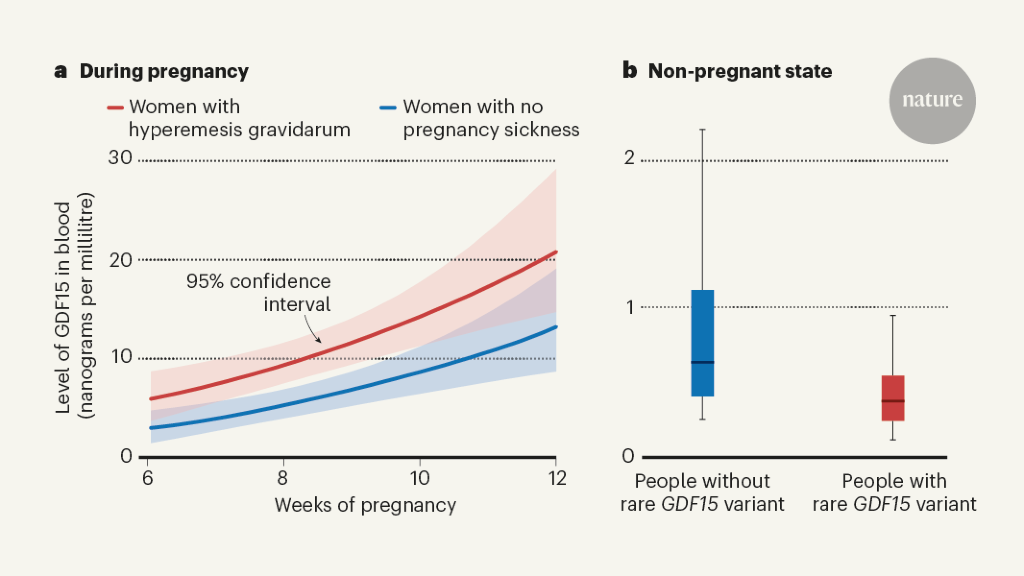
A new study has found a link between severe nausea and vomiting during pregnancy, known as hyperemesis gravidarum (HG), and sensitivity to a hormone called growth differentiation factor 15 (GDF15) produced by the fetus. This discovery could lead to potential strategies for preventing or treating HG, a condition that can cause dehydration, nutrient deficiencies, weight loss, and even maternal death.
Motion sickness can be a debilitating condition that affects individuals during various activities, such as driving, flying, or playing video games. While medication can worsen symptoms, doctors recommend natural remedies to alleviate motion sickness. Inhaling the scent of hand sanitizer, consuming protein-rich foods before traveling, trying aromatherapy with lemon scent or essential oil, chewing gum, and sipping ginger ale containing real ginger can all help reduce symptoms. Additionally, individuals prone to motion sickness are more likely to experience cybersickness, but simple adjustments like taking breaks, adjusting font sizes and lighting, and avoiding rapid visual changes can help prevent it.
Ginger, a versatile spice used in cooking and as a dietary supplement, has been known for its health benefits for thousands of years. It contains bioactive compounds with anti-inflammatory and antioxidant properties, making it effective against nausea, menstrual cramps, arthritis, and improving metabolic health. Ginger also aids digestion, boosts immune function, improves heart health, cognitive function, and memory, and may act as a natural aphrodisiac. However, it is recommended to consume no more than 4 grams of ginger daily, and pregnant women and children under 2 should limit their intake. It is important to consult with a healthcare provider to determine the appropriate amount and consider potential interactions with medications or existing health conditions.
Motion blur in Final Fantasy 16 is causing some players to feel nauseated with no way to turn the feature off. Several users have complained about the motion blur, and more so that Square Enix failed to include the ability to turn it off. The game has otherwise been well received, with players obsessing over Cid's voice actor and a new feature called Active Time Lore.
Some Ozempic users on social media claim that injecting the drug in the upper arm rather than the stomach can help reduce nausea, but a pharmacist explains that the location of the injection site shouldn't have any impact on side effects. It's recommended for people to rotate between injection sites to reduce skin irritation. Eating bland foods that are low in fat and high in water content can help reduce nausea caused by Ozempic, which is a type 2 diabetes medication that can cause a number of side effects.
Unexplainable fatigue, sudden abdominal pain, pain in jaw, palpitations, discomfort in chest, pain in arms or back, shortness of breath, sweating, swelling in lower limbs, and nausea are all potential signs of a heart attack. It is important to seek medical attention if any of these symptoms persist.
Gut health expert Dr. Meghan Rossi explains that nausea can be triggered by various factors such as motion sickness, anxiety, and chemotherapy. To combat nausea, it is best to eat small amounts of food every two hours to avoid an empty stomach and limit foods high in fat or strong odors. Protein-based foods such as eggs or tuna can help calm stomach spasms that exacerbate nausea. Ginger has been found to be effective in combating nausea, especially during pregnancy. For those undergoing chemotherapy, it is important to avoid unpasteurized milk products or fermented foods. Vacuum-packed meat and pickled beetroot are safe to eat.
Despite the popular belief that ginger ale can cure nausea and upset stomach, medical and nutrition experts say that most commercially available ginger ale brands are made with little to no real ginger extract and contain high amounts of sugar and calories. While ginger root has been associated with addressing gastrointestinal symptoms, ginger ale may not be an effective treatment method. Medical experts suggest trying alternative forms of ginger, such as ginger tea or smoothies, for its anti-nausea and anti-inflammatory properties.