A 76-year-old man with persistent diarrhea unresponsive to vancomycin may have recurrent or resistant Clostridioides difficile infection, which requires further testing and possibly alternative treatments like fidaxomicin or fecal microbiota transplant, highlighting the complexity of managing C. diff infections.
Certain common foods such as sugar substitutes, coffee, alcohol, dairy, gluten, high-FODMAP foods, spicy foods, fast food, and packaged foods can cause or worsen diarrhea and digestive issues. Keeping a food diary can help identify personal triggers, and moderation or avoidance of these foods may improve gut health.
A new study suggests that the hormone INSL5, released when bile acids reach the large intestine, may be a key trigger for 40% of IBS-D cases, opening potential for targeted treatments and improved diagnosis.
Ozempic, a drug originally for Type-2 diabetes, is increasingly used for weight loss and can cause side effects like diarrhea, nausea, and external effects such as loose skin or 'Ozempic face' due to rapid fat loss. Medical professionals warn about these potential 'aftermath' effects, which are linked to the drug's impact on digestion and skin elasticity.
Norovirus is sweeping across Connecticut, causing vomiting and diarrhea, especially in children and older adults, with cases peaking in the winter. The virus is spreading in the Northeast, mid-Atlantic states, and other regions. It is highly contagious and requires specialized cleaners like bleach to kill it. To prevent infection, people are advised to wash hands, disinfect surfaces, and avoid contact with those who are sick. Additionally, it's important to practice food safety and stay home until asymptomatic for 72 hours after symptoms end.
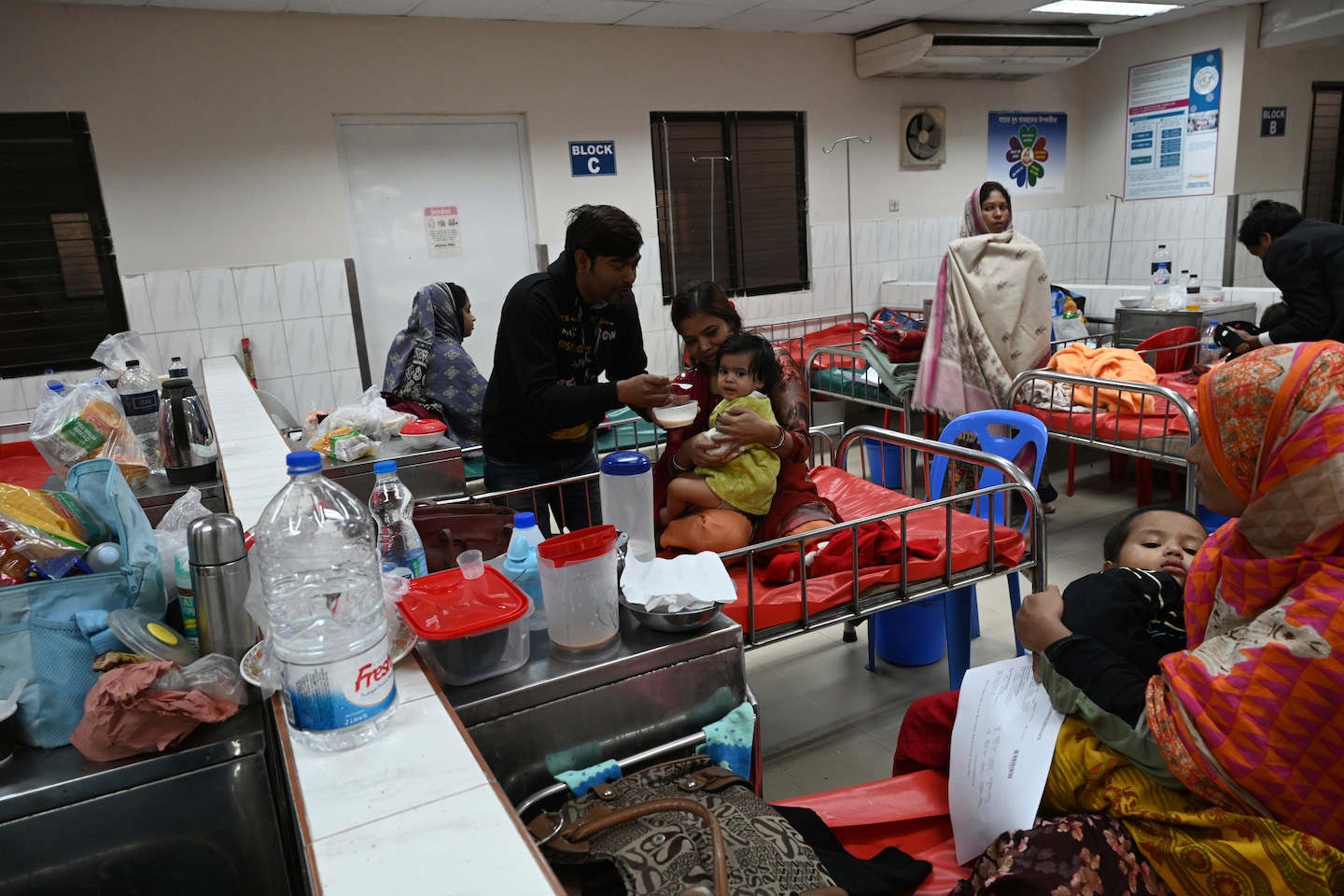
Despite the availability of a cheap and effective remedy for potentially fatal diarrheal disease in children, a study suggests that oral rehydration salts (ORS) are underprescribed due to misconceptions among healthcare providers. Diarrhea is a leading cause of death among children under 5 worldwide, and ORS is the front-line treatment for this condition. The study found that provider misconceptions and assumptions about patient preferences contribute to the underprescription of ORS, particularly in poorer and rural areas. Addressing these misconceptions and encouraging patients to request ORS could potentially save children's lives and reduce over-prescription of antibiotics, which contributes to antibiotic resistance.
A mystery gastrointestinal illness has affected 154 passengers aboard the Queen Victoria cruise ship, with symptoms including vomiting and diarrhea. The U.S. CDC is investigating the outbreak, which has occurred during the ship's journey from Fort Lauderdale to Honolulu. The cause of the illness is still unknown, and Cunard Cruise Line is implementing protocols to address the situation.
The UK is experiencing an unprecedented surge in cryptosporidiosis infections, a parasitic infection that causes severe and long-lasting diarrhea. The number of reported cases is five times higher than expected, and the reasons behind the surge are still unknown. The parasite is primarily spread through contaminated food, water, and contact with infected individuals or animals. While most people recover without treatment, severe cases can lead to weight loss and dehydration. The surge in infections may be due to increased exposure, reduced population immunity following COVID-19 control measures, or a combination of both. To protect oneself, it is advised to avoid swallowing water while swimming and to refrain from swimming if experiencing diarrhea.
A woman's newly adopted cat may have transmitted a bacterial germ, Clostridioides difficile (C. diff), to her, causing months of recurrent diarrhea. This case report suggests the possibility of cat-to-human transmission of the infection, which is typically associated with disruption of the gut microbiota. While the exact transmission chain remains unclear, this case highlights the need for further research on the role of pets and animals in the spread of C. diff, potentially posing a public health threat beyond hospitals.
A healthy woman in Texas contracted a bacterial infection called C. diff from her pet cat, marking the first documented case of animal-to-human transmission in the US. The woman experienced violent diarrhea for two months before doctors discovered the link between her symptoms and her recently adopted stray cat. Swabs revealed that both the woman and the cat were infected with the same strains of C. diff, although the cat showed no symptoms. This case serves as a reminder of the potential risks posed by household pets and highlights the importance of proper hygiene and awareness of zoonotic diseases.
A vaccine developed to prevent bacteria-caused diarrhea has shown promising results in combating Campylobacter infections and promoting faster growth in infant nonhuman primates. The HydroVax technology, which is also being used for other diseases, has the potential to reduce diarrhea-associated deaths and address infant growth stunting. The vaccine, based on a hydrogen peroxide-based technology called HydroVax, was evaluated in pregnant monkeys and their babies. The vaccinated baby monkeys showed improved growth rates compared to the unvaccinated ones. The vaccine also provided protection against severe diarrhea and reduced diarrhea-associated deaths. Further research is needed to improve the vaccine's effectiveness and explore the use of nutritional supplements alongside vaccination.
A Delta flight from Atlanta to Barcelona was forced to turn back after a passenger suffered from diarrhea "all the way through" the plane. The flight was delayed by eight hours as the aircraft had to be cleaned due to the biohazard issue. Delta confirmed the incident and apologized for the inconvenience caused to passengers.
TikTok users have been warning that eating too many cherries can lead to diarrhea, and it turns out there is some truth to their claims. Cherries contain sugar alcohols like sorbitol and xylitol, which can have a laxative effect when consumed in large amounts. Additionally, cherries contain insoluble fiber that can speed up stool movement. However, the fiber content in cherries is not considered excessive. The exact amount of cherries needed to cause diarrhea varies by person and factors like sensitivity to sugar alcohols and underlying gastrointestinal conditions. Other fruits like apples, pears, plums, and prunes also contain similar levels of sorbitol. It's important to consume a balanced diet with adequate fiber and water intake to maintain healthy bowel movements.
An outbreak of Cyclosporiasis, a foodborne illness causing "explosive watery diarrhea," is spreading in New York State, with 21-30 reported cases. Only Arizona has reported more cases. Symptoms include diarrhea, loss of appetite, weight loss, stomach cramps, bloating, and fatigue. The CDC recommends a combination of antibiotics for treatment, along with rest and fluid intake.
When experiencing diarrhea, it is important to keep food simple and opt for the BRAT diet (bananas, rice, applesauce, and toast) to firm up stool. Other bland foods such as oatmeal, dry cereal, boiled or baked potatoes, and baked chicken can also be added. Electrolyte drinks like Gatorade or Pedialyte can help replenish fluids and nutrients lost during diarrhea. Saltine crackers or pretzels can provide a quick boost of sodium. Probiotics found in yogurt or kefir can help restore beneficial intestinal bacteria. Avoid citrus fruits, milk and dairy products, fried or fatty food, spicy food, sugary sweet items, coffee, carbonated beverages, and alcohol. If diarrhea persists for more than a few days or is accompanied by severe pain or blood or pus in stool, seek medical attention.