Impact of Skipping Breakfast and Late Dinners on Bone Health
A recent study links skipping breakfast and eating late dinners to a higher risk of osteoporotic fractures, emphasizing the importance of meal timing for bone health and overall aging.

All articles tagged with #eating habits
A recent study links skipping breakfast and eating late dinners to a higher risk of osteoporotic fractures, emphasizing the importance of meal timing for bone health and overall aging.

A longevity expert emphasizes the importance of mindful eating habits for a longer, healthier life, recommending eating at a table with others to slow down and improve digestion, chewing food thoroughly to maximize nutrition, and avoiding eating close to bedtime to enhance sleep quality and prevent fat storage.
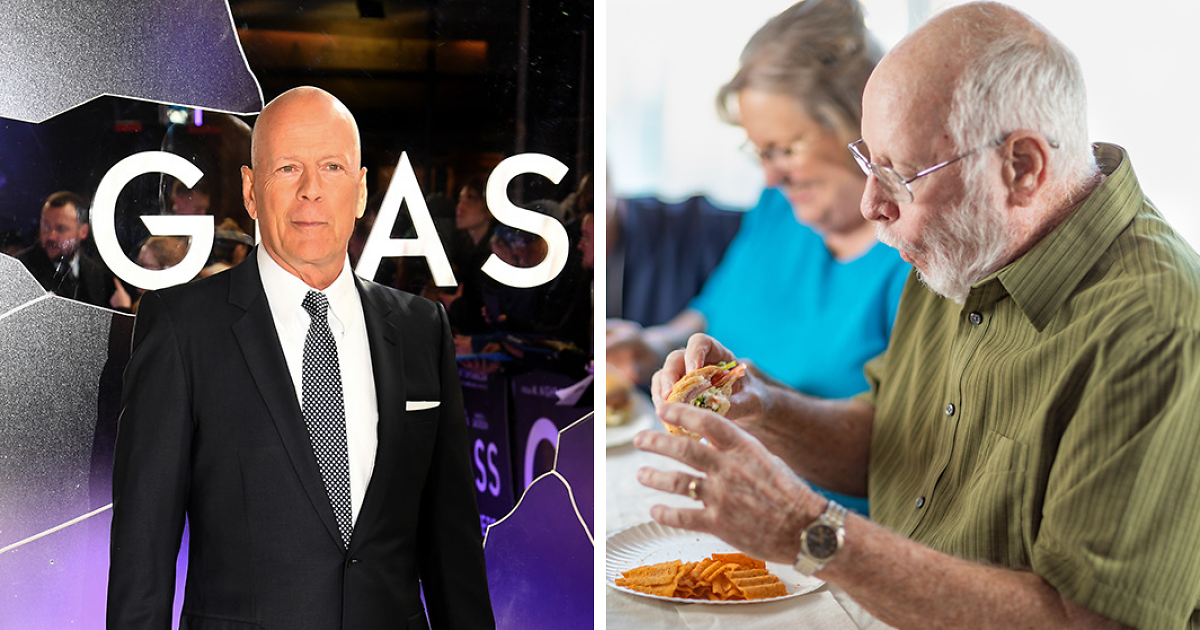
The article discusses how frontotemporal dementia, which affects brain regions controlling behavior and personality, can lead to significant changes in eating habits, including fixation on certain foods, eating non-food items, overeating, or loss of appetite, with Bruce Willis's recent diagnosis highlighting these symptoms.

Scott Disick discussed his healthy eating habits and weight loss with Khloé Kardashian, revealing two boxes of Mounjaro, a drug for managing blood sugar levels in type 2 diabetes, in his fridge.

To effectively reduce sugar cravings, focus on getting enough sleep, eating balanced meals with a mix of macronutrients, avoiding long gaps between meals, and minimizing distractions while eating. These strategies help regulate blood sugar levels and appetite, reducing the urge for sugary foods.

A personal trainer emphasizes the importance of maintaining a consistent eating schedule to aid weight loss and metabolic health, warning against irregular eating times. He suggests methods like Intermittent Fasting and Early Time-Restricted Feeding, and advises focusing on nutrient timing, avoiding late-night eating, and staying hydrated. The expert also highlights the significance of a balanced diet rich in whole foods and reducing processed foods for effective weight loss.

A recent study from UCLA Health reveals that feelings of loneliness can lead to changes in brain function, unhealthy eating behaviors, and increased risk of obesity. The research suggests that lonely individuals exhibit heightened brain activity in response to food cues, leading to intense cravings and using food as a coping mechanism. These altered brain responses are associated with higher body fat percentage and poorer mental health outcomes. Strategies to combat the negative effects of loneliness on health include seeking social interaction, engaging in physical activity, practicing mindfulness, maintaining a balanced diet, and seeking professional help if needed. This study emphasizes the importance of addressing loneliness and social isolation for both physical and mental well-being.

Health professionals caution against restrictive diets, emphasizing the importance of sustainable eating habits. To determine if a diet is restrictive, individuals are advised to consider how often they think about food, their flexibility around dietary rules, and their ability to enjoy foods in moderation. Seeking guidance from health professionals, including doctors and dietitians, is recommended to establish a healthy approach to eating while avoiding restrictive behaviors.

Health professionals caution against restrictive diets, emphasizing the importance of sustainable eating habits. Signs of a restrictive diet include obsessive thoughts about food, inflexibility around eating styles, and feeling out of control around certain foods. To promote a healthier relationship with food, experts recommend seeking guidance from health professionals, adopting a balanced approach to eating, and reframing the mindset around "forbidden" foods.

Unusual eating habits, such as hyper-fixating on one food or eating non-food objects, could be an early sign of frontotemporal dementia (FTD), a subtype of dementia that affects the frontal and temporal lobes of the brain. Individuals with FTD may exhibit obsessive or repetitive behavior related to food, which can lead to health issues such as weight gain or loss. Other symptoms of FTD include personality and behavior changes, language problems, mental abilities issues, and physical problems. If you suspect dementia, it's important to consult a GP for early intervention.

Unusual eating habits, such as hyper-fixating on one food or eating non-food objects, could be an early sign of frontotemporal dementia, a subtype of dementia that affects the frontal and temporal lobes of the brain. These behaviors, including obsessive or repetitive eating, may be indicative of the condition, which can also manifest as personality and behavior changes, language problems, and difficulties with mental abilities. Seeking medical advice early is crucial for intervention and management of the condition.

Nutritionist and Registered Dietician Harriet Skevis warns against eating snow due to potential contamination from air pollutants, soil chemicals, and other contaminants. Snow can collect dust, pollen, and chemical pollutants as it forms in the clouds and descends to the ground, making it unsafe to consume, especially during snowstorms. Skevis advises against eating discolored snow and recommends using filtered ice for treats instead, as consuming contaminated snow can lead to health risks, particularly for children with low immunity.

A study published in PLOS Global Public Health reveals that nearly a quarter of the calories consumed by U.S. adults come from snacks, which average 400 to 500 calories per day. These snacks are often lacking in protein, vitamins, and minerals, and contribute to one-third of daily added sugar intake. The most common snacks are convenience foods high in fats and carbohydrates, followed by sweets, alcoholic or sugary beverages, protein, milk and dairy, and fruits and grains. Fruits and vegetables make up only about 5% of total snacking calories. The study emphasizes the importance of making mindful and well-balanced snack choices, including a combination of healthy fats, carbohydrates, and protein, and opting for unprocessed foods.

A Gallup poll has revealed that the physical and mental health of Americans has significantly declined since the COVID-19 pandemic. The study found that eating habits have deteriorated, leading to substantial weight gain and increased rates of obesity. Rates of diabetes have also reached a new high. Additionally, nearly 1 in 5 Americans are battling depression post-pandemic. The consumption of healthy food, including fruits and vegetables, has decreased, and high cholesterol rates have risen. The report emphasizes the need for urgent action to prioritize healthy eating and improve overall well-being.
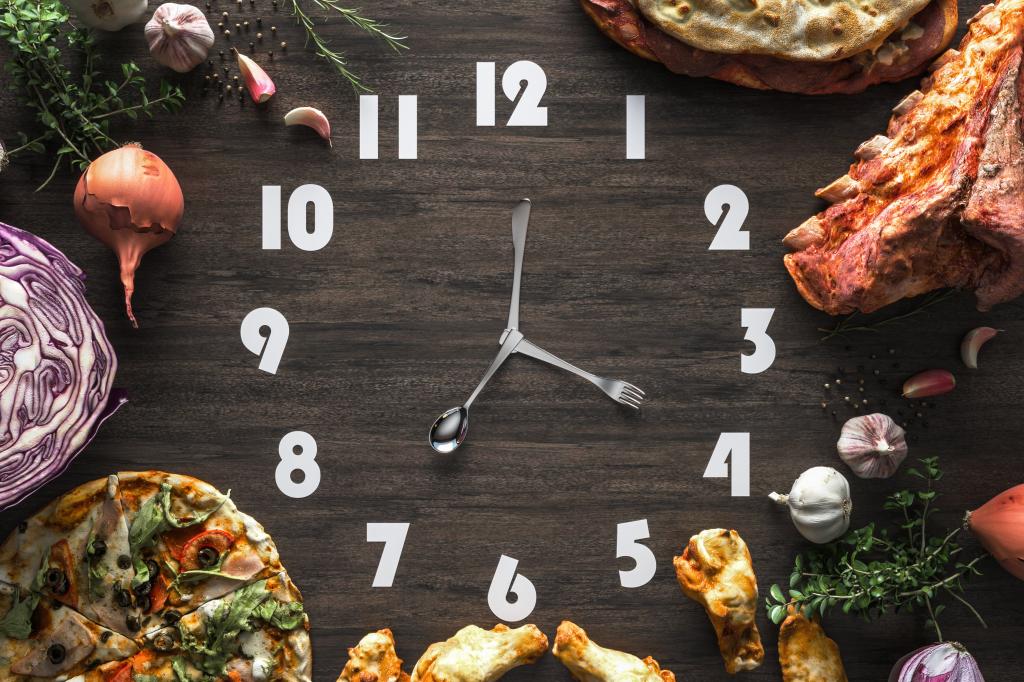
A study from the University of Sorbonne in Paris found that eating dinner after 9 p.m. may increase the risk of stroke or mini stroke. The study, which tracked 100,000 participants over seven years, revealed that those who dined after 9 p.m. were 28% more likely to suffer a stroke. For every hour after 8 p.m. that someone ate dinner, their chances of having a stroke or transient ischemic attack (TIA) increased by 8%. Eating late raises blood sugar and blood pressure, potentially damaging blood vessels and increasing the risk of heart attack or stroke. Women were more affected by late dining hours than men. Fasting overnight had health benefits, with every extra hour of fasting decreasing the risk of stroke or TIA by 7%.