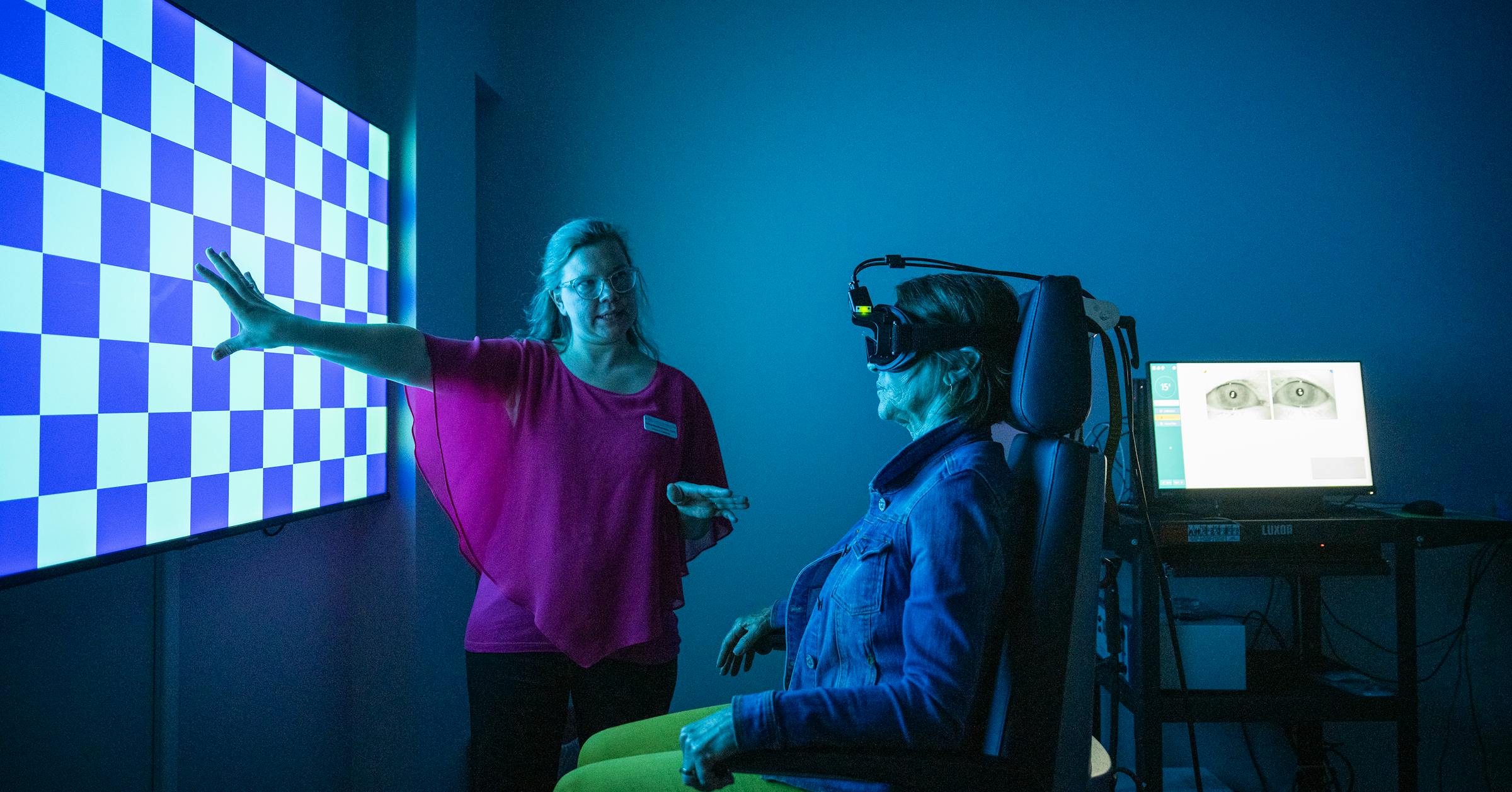
Minnesota clinics are seeing a rise in patients seeking treatment for dizziness and imbalance, driven by an aging population, post-COVID health issues, and increased awareness. Clinics are investing in specialized technology and therapies, such as vestibular evaluations and maneuvers like Epley and somersault, to diagnose and treat conditions like BPPV, aiming to prevent falls and improve quality of life.

Dizziness and faintness during activity in your 30s could indicate heart problems like irregular rhythms or blocked arteries, especially if you have risk factors such as high blood pressure, diabetes, smoking, obesity, or family history. Early detection is important, but consult a healthcare professional for proper diagnosis.
Postural orthostatic tachycardia syndrome (POTS) is a blood circulation disorder that affects heart rate when changing positions, often misdiagnosed as other conditions. It is more common in women aged 15-50 and can be triggered by major health events like surgery or infections, including COVID-19. Symptoms include dizziness, fatigue, sleep problems, brain fog, and a racing heart. Despite its prevalence, POTS is frequently mistaken for anxiety or other issues, delaying proper diagnosis and treatment. Lifestyle changes and medications can help manage the condition.
Iron deficiency, which affects more than a third of women under 50, often goes undiagnosed. Symptoms include shortness of breath, brain fog, fatigue, weakness, dizziness, headaches, intolerance to cold, and pallor. These signs indicate a lack of iron, which can lead to serious consequences such as lower immunity and cognition. It is important for individuals experiencing these symptoms to alert their doctors and get tested for iron deficiency.
Motion sickness can be a debilitating condition that affects individuals during various activities, such as driving, flying, or playing video games. While medication can worsen symptoms, doctors recommend natural remedies to alleviate motion sickness. Inhaling the scent of hand sanitizer, consuming protein-rich foods before traveling, trying aromatherapy with lemon scent or essential oil, chewing gum, and sipping ginger ale containing real ginger can all help reduce symptoms. Additionally, individuals prone to motion sickness are more likely to experience cybersickness, but simple adjustments like taking breaks, adjusting font sizes and lighting, and avoiding rapid visual changes can help prevent it.
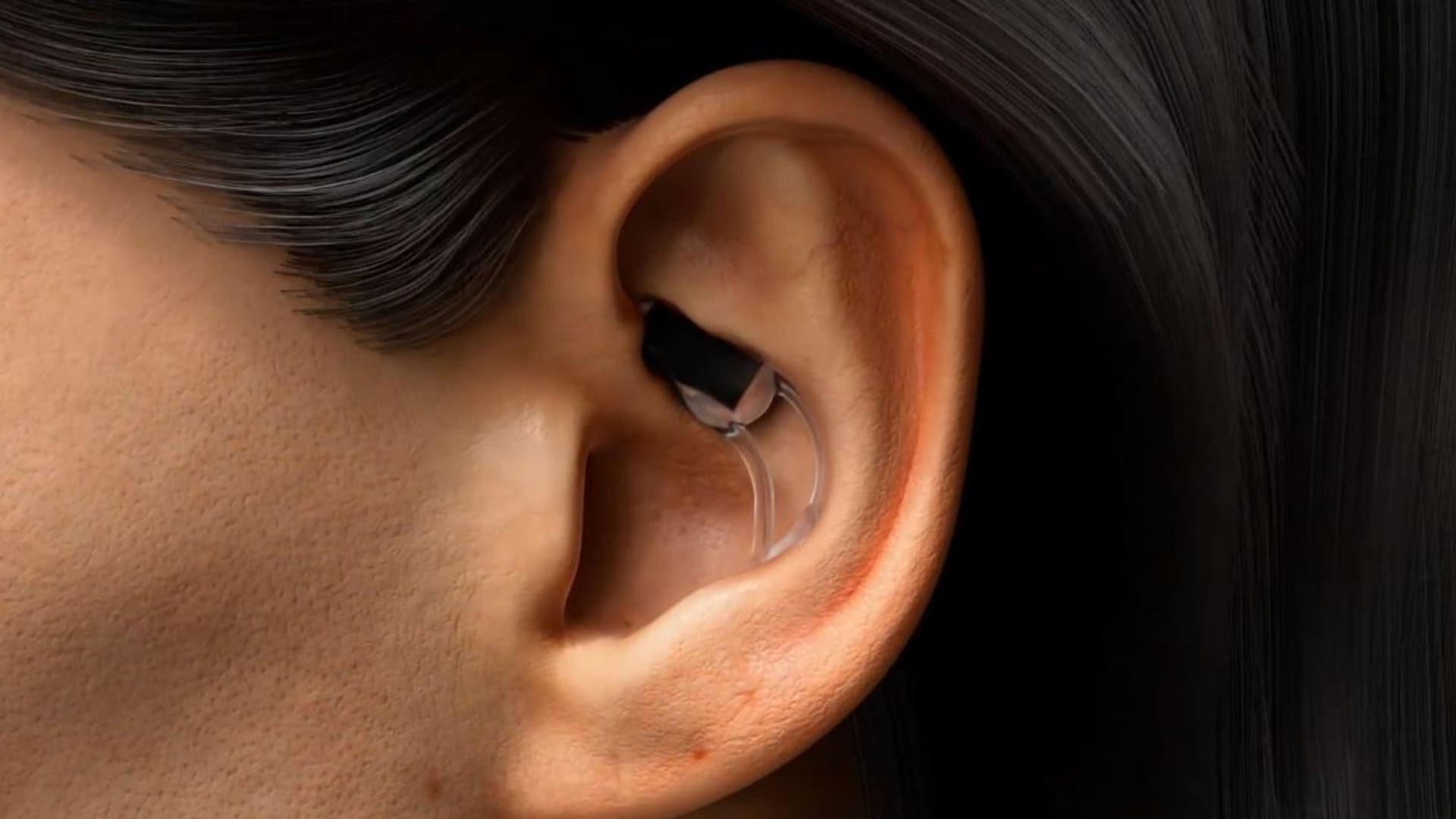
STAT Health has developed a new in-ear wearable device called STAT that measures blood flow to the head and tracks changes in heart rate, blood pressure, and blood flow when users stand up. The device can help people better understand why they're experiencing symptoms like dizziness, fainting, and brain fog, which are common in patients with illnesses like long Covid and postural orthostatic tachycardia syndrome. The device is not diagnostic or a form of treatment, but it can serve as a resource for patients who are often told their symptoms are not real. The STAT wearable is small, comfortable, and compatible with most other devices like headphones or glasses that sit in or around the ear. The company is targeting a $50 a month subscription for its device.