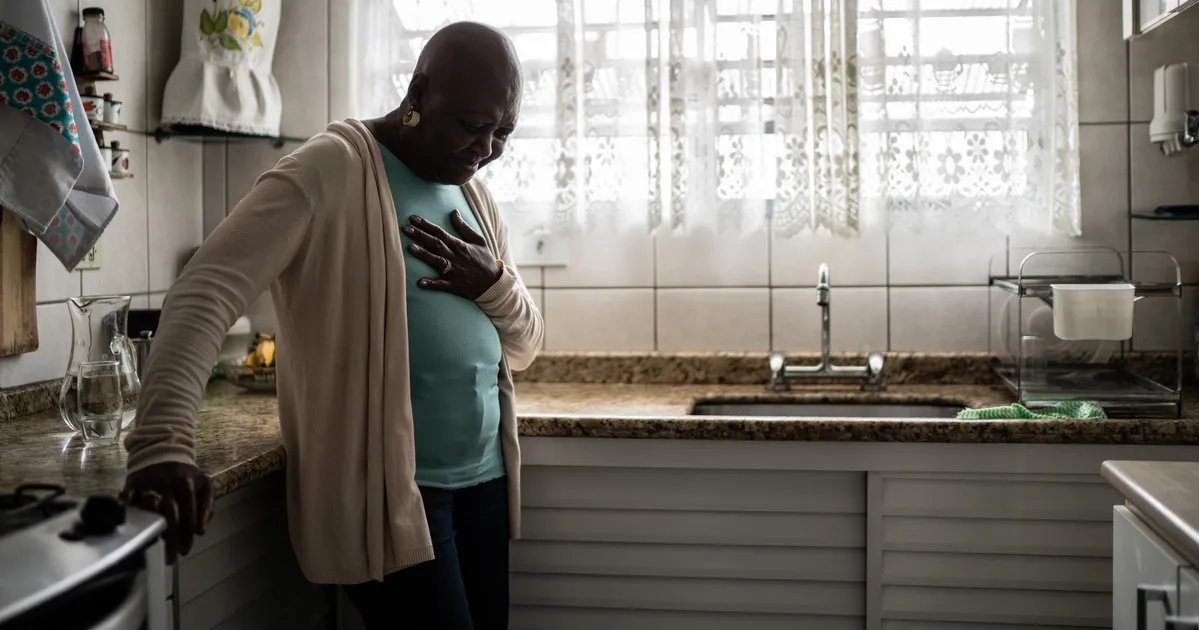
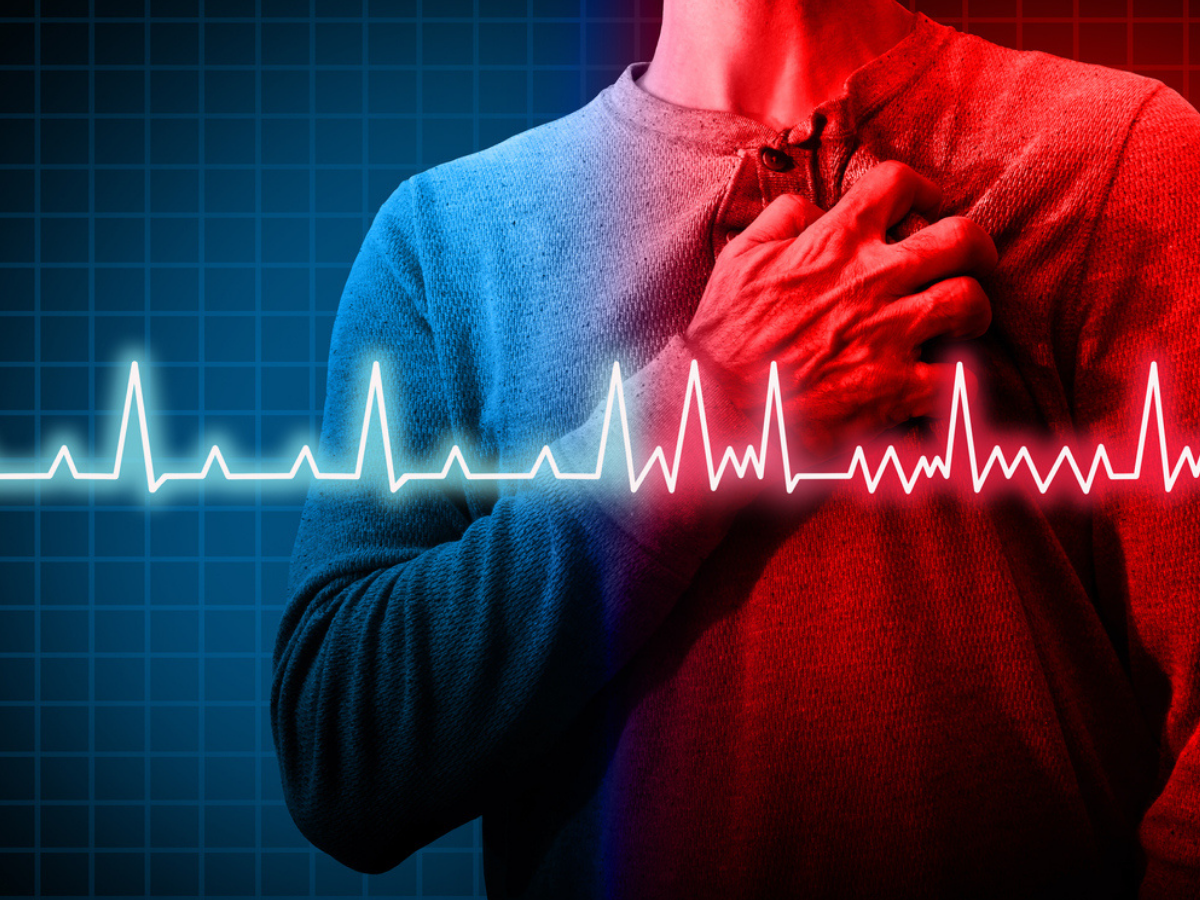
The article discusses the early warning signs of a heart attack, such as chest pain, neck or jaw pain, shortness of breath, and nausea, emphasizing the importance of recognizing these symptoms early for prompt treatment. It also highlights risk factors and lifestyle changes that can help prevent heart attacks, urging regular medical check-ups and awareness of personal health metrics.
A cardiologist emphasizes that not all heart attacks start with severe chest pain and highlights subtle early signs like discomfort, shortness of breath, and fatigue. He warns that misinterpreting these symptoms can delay critical treatment, especially in younger populations, and stresses the importance of early detection, lifestyle management, and prompt medical evaluation to improve outcomes.
While heartburn is often harmless, persistent or severe symptoms may indicate serious conditions like Barrett’s oesophagus, which increases cancer risk. New NHS screening programs involve swallowing a capsule to detect abnormal cell growth. Key warning signs include difficulty swallowing, unexplained weight loss, and chest pain, especially if severe or sudden, requiring prompt medical attention. Lifestyle changes and medications can manage mild cases, but ongoing symptoms should be evaluated by a healthcare professional.
Emergency physicians highlight five critical types of pain—sudden, persistent pain; chest pain; calf pain with redness; tearing upper back pain; and certain lower abdominal pains—that should prompt immediate medical evaluation due to their potential severity. While all pain warrants attention, these specific symptoms are especially concerning and may indicate serious conditions like heart attacks, blood clots, or vascular issues. Seeking prompt medical care is crucial for proper diagnosis and treatment, even if the pain turns out to be benign.
Pericarditis, an inflammation of the membrane surrounding the heart, is often mistaken for a heart attack due to similar symptoms like severe chest pain and difficulty breathing. Affecting around 40,000 to 50,000 people in the U.S., it can be triggered by viral infections, including COVID-19, and other factors like heart surgery or medications. Early treatment with anti-inflammatory drugs, such as colchicine, is crucial to prevent complications and recurrences. Despite vaccines being a potential cause, their risk is lower compared to the cardiovascular risks posed by COVID-19 itself.
A recent study highlights that taking 325mg of aspirin within four hours of severe chest pain can significantly reduce heart attack deaths. Doctors recommend immediate aspirin intake for symptoms like intense chest pain, sweating, and dizziness, but caution against its use for those with allergies or certain medical conditions. While aspirin can thin blood and prevent clot formation, it should not be taken long-term without medical advice due to bleeding risks.
Nearly 140 million Americans visit the emergency department annually, with stomach and abdominal pain being the most common reason, followed by chest pain, shortness of breath, cough, and fever. Mental health crises have entered the top 10 reasons for emergency room visits, with an increasing number of visits attributed to issues such as suicidality, hallucinations, and persistent feelings of sadness or hopelessness. The rise in emergency department visits reflects an aging population with more urgent care needs and a decline in preventative care, leading to overcrowding, overworked staff, and delayed access to treatment for those in urgent need.
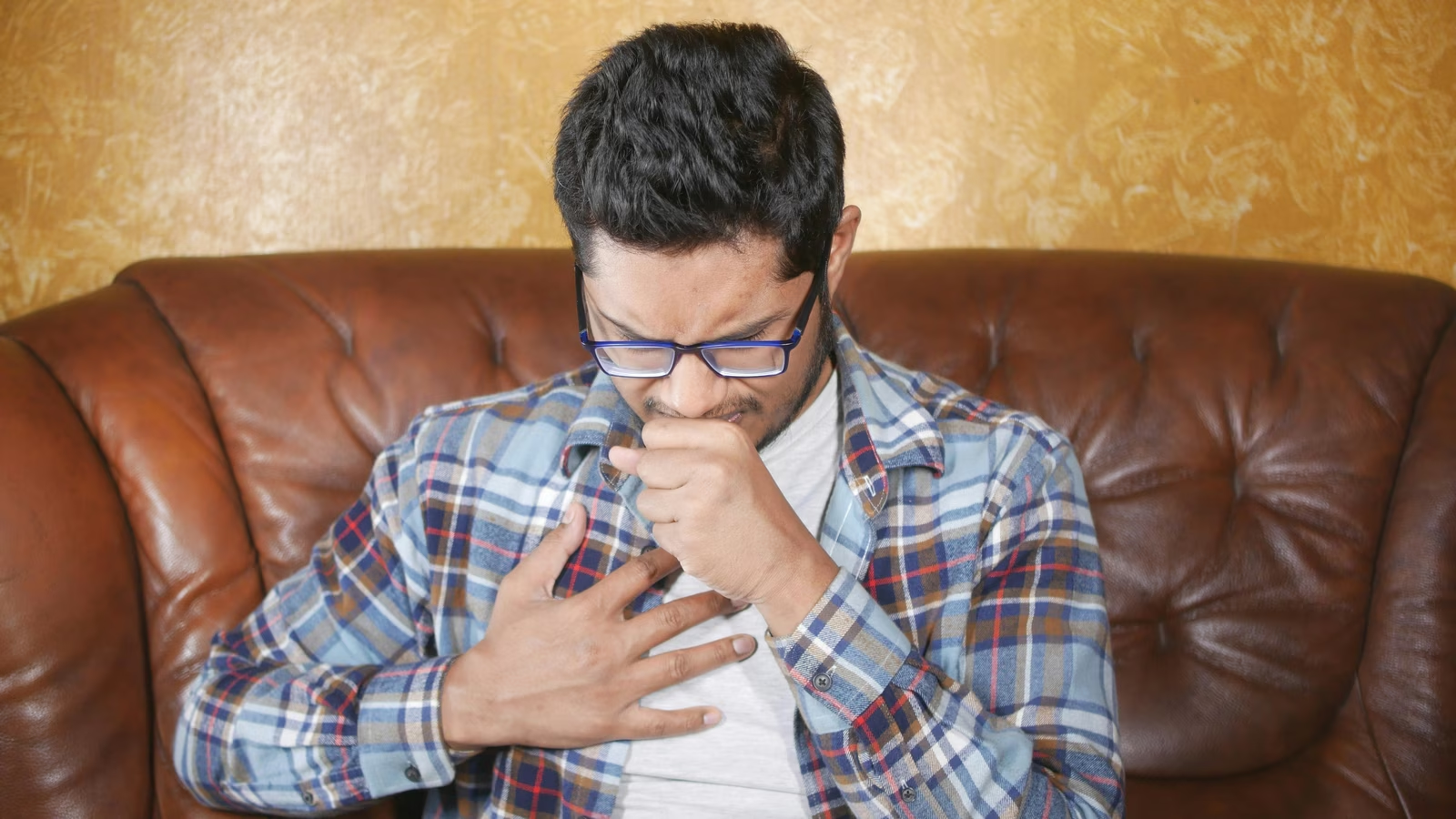
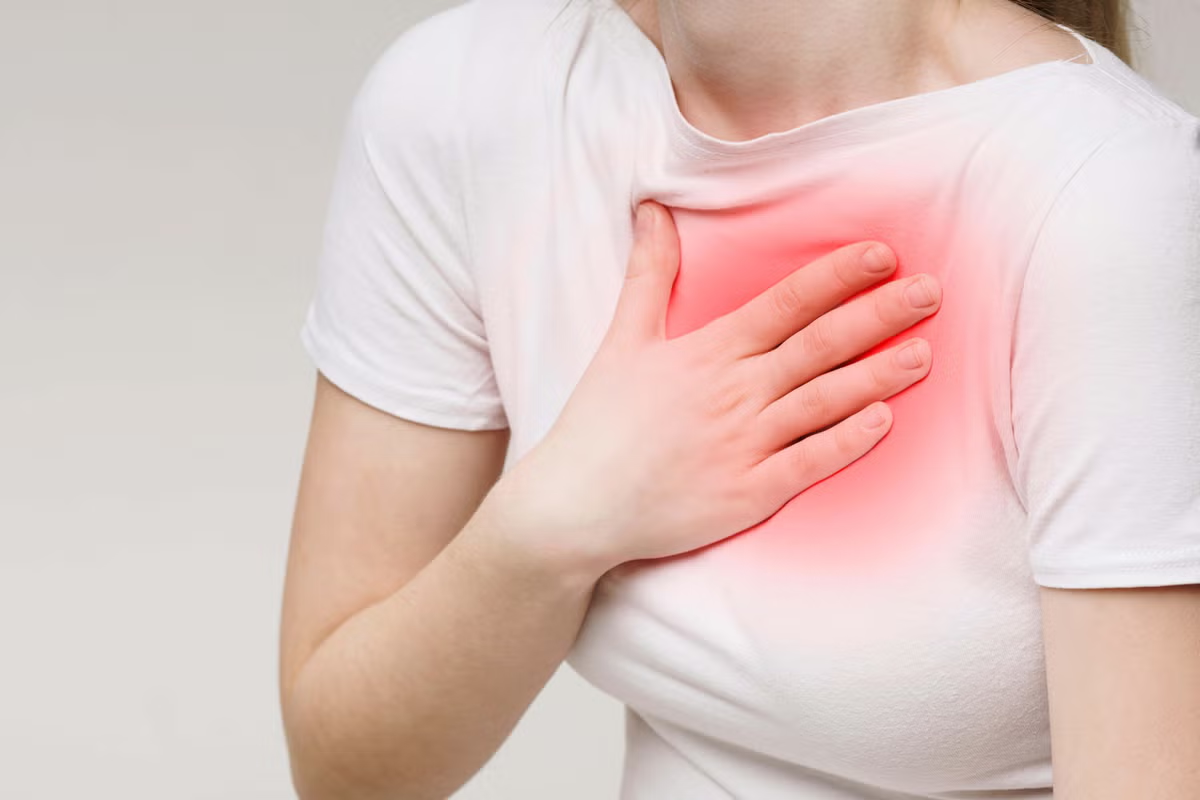
A heart attack occurs when a part of the heart muscle is deprived of blood. Major symptoms include chest pain or discomfort, weakness or fainting, pain in the jaw, neck, or back, pain in one or both arms or shoulders, and shortness of breath.
A study warns that taking Viagra in combination with common chest pain medications, such as nitrates, could lead to a higher risk of complications, including death, for men suffering from heart problems. The risk of complications could occur up to 28 days after Viagra was prescribed to patients already receiving nitrates. The study suggests that men prescribed both drugs had a higher risk for adverse health outcomes compared to those taking nitrates alone. Researchers emphasize the need for careful consideration before prescribing erectile dysfunction medication to men receiving nitrate treatment.
Jenna Tanner, a woman who had recently recovered from COVID and the flu, initially dismissed her chest pain as flu symptoms. However, her condition worsened, and she eventually had a heart attack. Despite being unable to move, Tanner managed to call 911 and was rushed to the hospital. Doctors discovered a complete blockage in her left main coronary artery and used an Impella pump to restore blood flow before performing surgery. Tanner emphasizes the importance of women paying attention to their heart health and speaking up when something feels wrong, as well as cherishing each day and being more lenient with her children after the life-altering experience.
A 47-year-old woman in the United Arab Emirates went to the hospital with chest pain and shortness of breath, only to discover that doctors had left a wire in her chest from a previous surgery four years ago. She had to undergo open-heart surgery to remove the wire, which had caused a blood clot in her heart. The case report highlights the importance of taking preventative measures to avoid such medical errors. Although not all of the wire could be safely removed, the woman has since recovered without complications.
Chest pain under the breasts can have various causes, some of which may be concerning. Precordial catch syndrome, characterized by sharp pain near the heart, is common and harmless. Mastitis, an inflammation of the breast often caused by breastfeeding, can lead to chest pain and requires antibiotics. Costochondritis, inflammation of the cartilage connecting the ribs to the breastbone, can cause pain that improves with time and conservative measures. Gastritis, inflammation of the stomach lining, can result in a burning sensation in the chest. Heart attacks can cause chest pain that radiates to the arms, shoulders, jaw, neck, or back, and immediate medical attention is necessary. Anxiety and panic disorder can also cause chest pain, but it is typically not harmful, although untreated panic disorder can have negative health effects. It is important to seek medical advice if experiencing chest pain to determine the cause and receive appropriate treatment.
Chest pain under the breasts can have various causes, ranging from harmless conditions like precordial catch syndrome (sharp pain near the heart) and costochondritis (inflammation of the cartilage connecting the ribs to the breastbone) to more serious conditions like mastitis (inflammation of the breast) and heart attack. Other potential causes include gastritis (inflammation of the stomach) and anxiety. It is important to seek medical advice if the pain significantly affects daily activities, persists for an extended period, or is accompanied by other concerning symptoms.
A man in the UK, identified as Andrew, ignored his chest pain, believing it was a normal sign of aging. However, a routine check-up revealed that he had stage three pancreatic cancer. Andrew underwent surgery and chemotherapy and is now cancer-free. His story aims to provide hope to others diagnosed with the disease. Pancreatic cancer is difficult to detect early, and symptoms such as jaundice, indigestion, and unexplained weight loss should not be ignored. Smoking, age, and certain medical conditions increase the risk of developing pancreatic cancer.
Heart diseases claim close to 18 million lives every year, with 85% of deaths due to heart attack and stroke. Signs of a heart attack are tricky and can mimic other complications, such as indigestion or shoulder pain. Symptoms include chest pain, pain in the left shoulder, pain in the center of the abdomen, fainting or unconsciousness, and cold sweat. It is important to recognize these symptoms and seek medical help immediately as a heart attack is a medical emergency.