Tag

Mating

All articles tagged with #mating

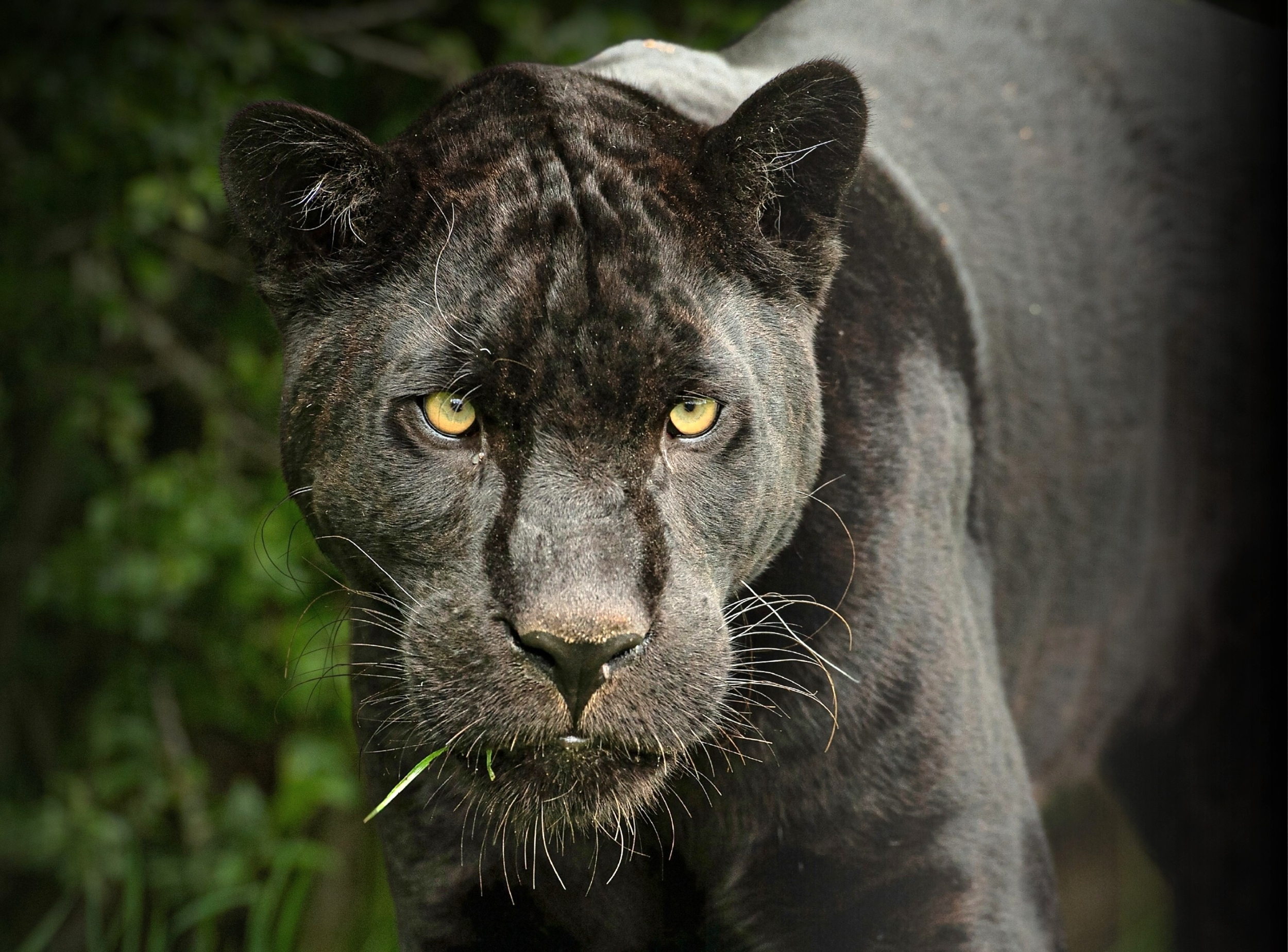
First Ever Footage of Black Jaguars Mating in the Wild

Originally Published 4 months ago — by Earth.com

Featured image for First Ever Footage of Black Jaguars Mating in the Wild
Source: Earth.com

Researchers in the Brazilian Amazon captured the first-ever footage of a black jaguar mating with a spotted jaguar in the wild, providing new insights into jaguar behavior, reproduction, and the significance of melanism, which may influence camouflage and survival strategies. The event highlights the importance of camera traps in wildlife research and conservation efforts.

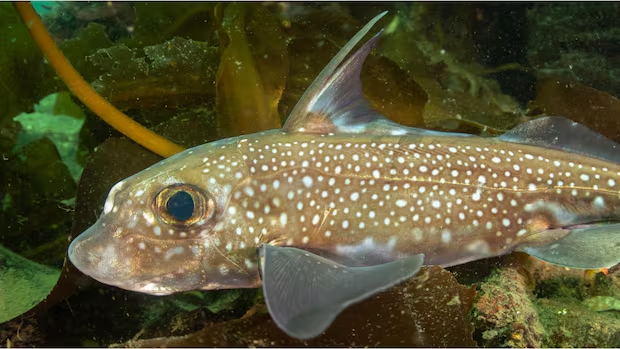
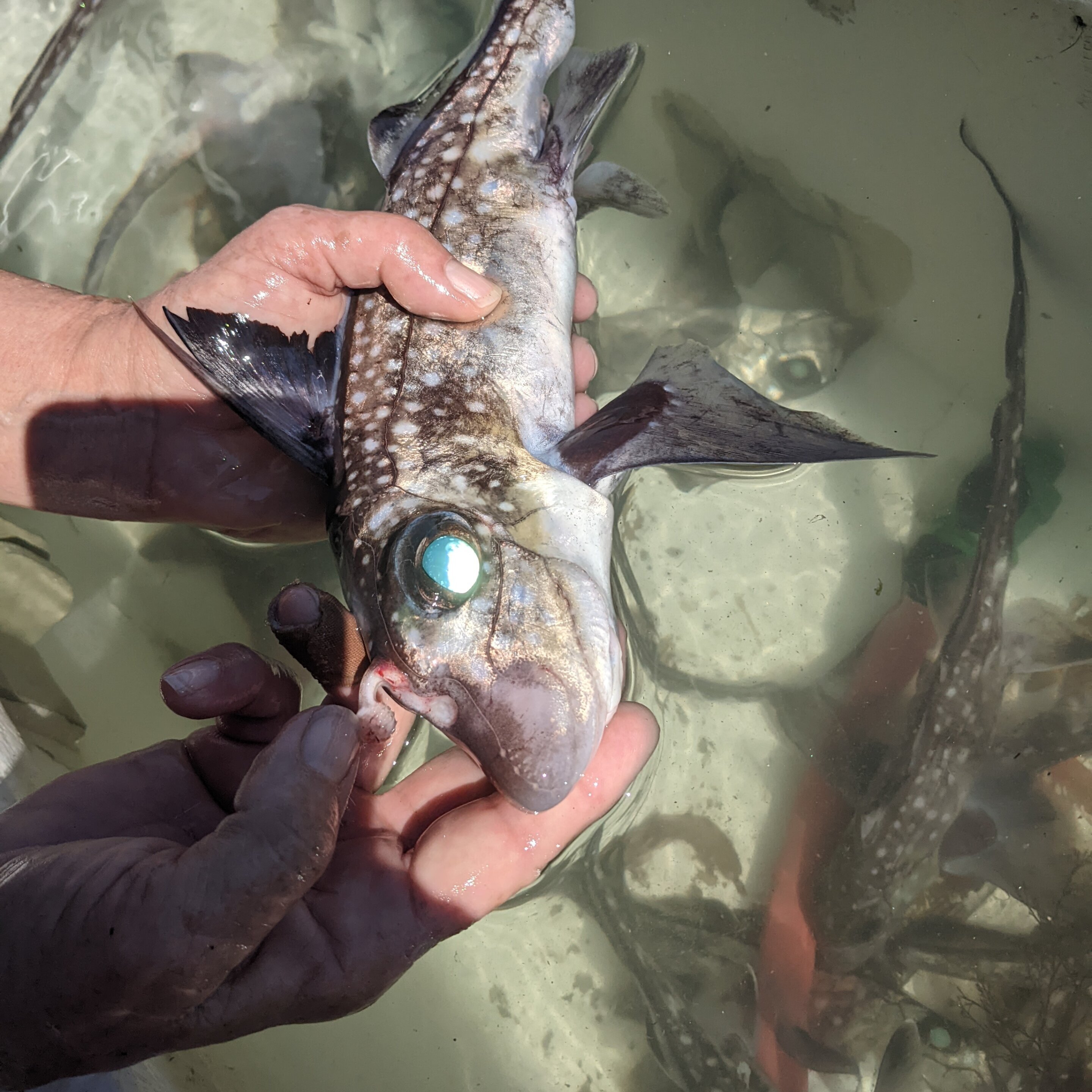
Ghost sharks develop forehead teeth to aid in reproduction

Originally Published 4 months ago — by Phys.org

Featured image for Ghost sharks develop forehead teeth to aid in reproduction
Source: Phys.org

A study reveals that male ghost sharks have a unique forehead appendage called a tenaculum, covered in rows of teeth similar to those in their mouths, which is likely used for mating. This structure demonstrates the evolutionary reuse of oral teeth development for reproductive purposes, highlighting the remarkable adaptability of tooth formation in deep-sea fish.

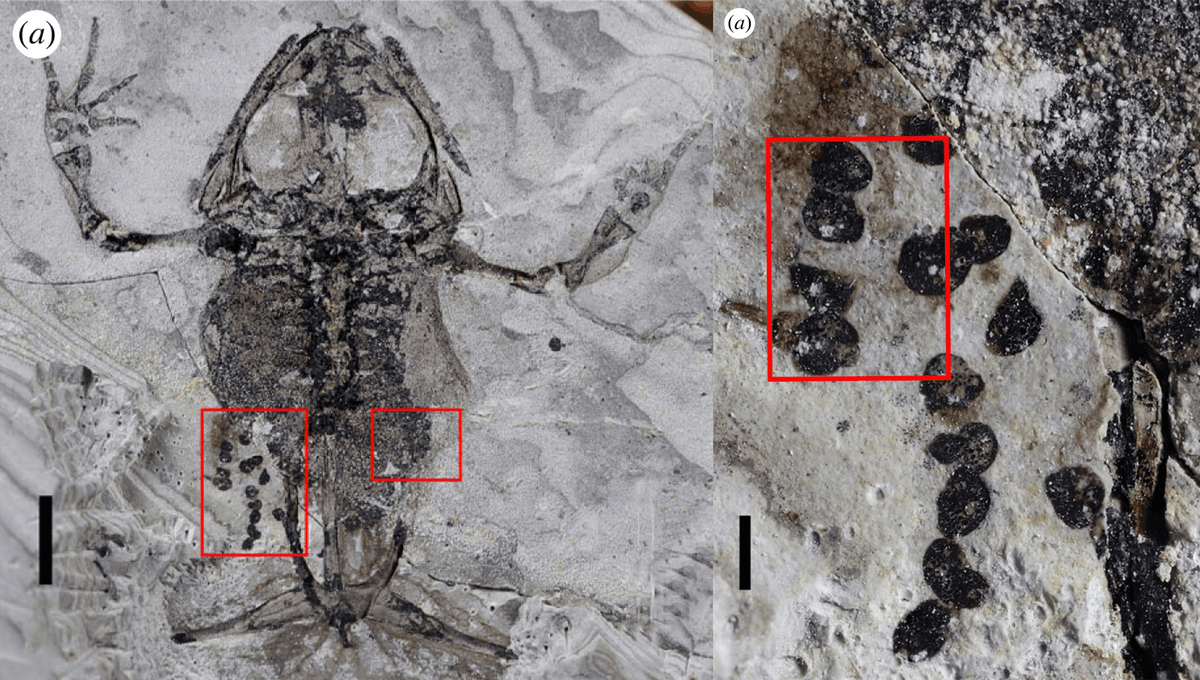
Ancient Frog Fossil Reveals Grisly End During Mating

Originally Published 1 year ago — by IFLScience

Featured image for Ancient Frog Fossil Reveals Grisly End During Mating
Source: IFLScience

A 100-million-year-old fossilized frog with eggs in its belly has been discovered in China, offering a rare glimpse into the species' life history. The frog likely belonged to the species Gansubatrachus qilianensis and had egg masses in its body, indicating sexual maturation before adulthood. The researchers believe the frog may have met its end during mating, possibly drowned by an amorous male, making it the first Mesozoic case of death linked to mating behavior.

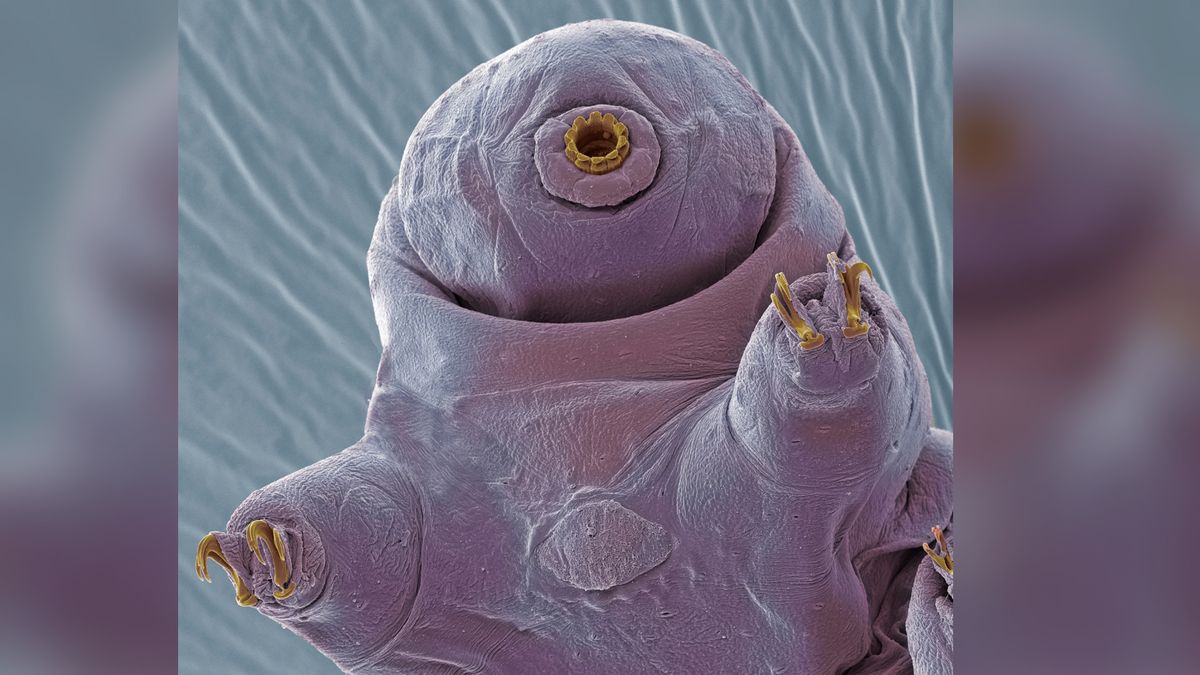
Decoding the Mysterious Mating Rituals of Tardigrades

Originally Published 2 years ago — by Livescience.com

Featured image for Decoding the Mysterious Mating Rituals of Tardigrades
Source: Livescience.com

Scientists have discovered how tardigrades, also known as "water bears," mate. Females release a chemical cue that attracts males, who respond by moving towards them in water environments. The study suggests that tardigrades can only locate opposite-sex mates in water, and only males actively seek out females for mating.

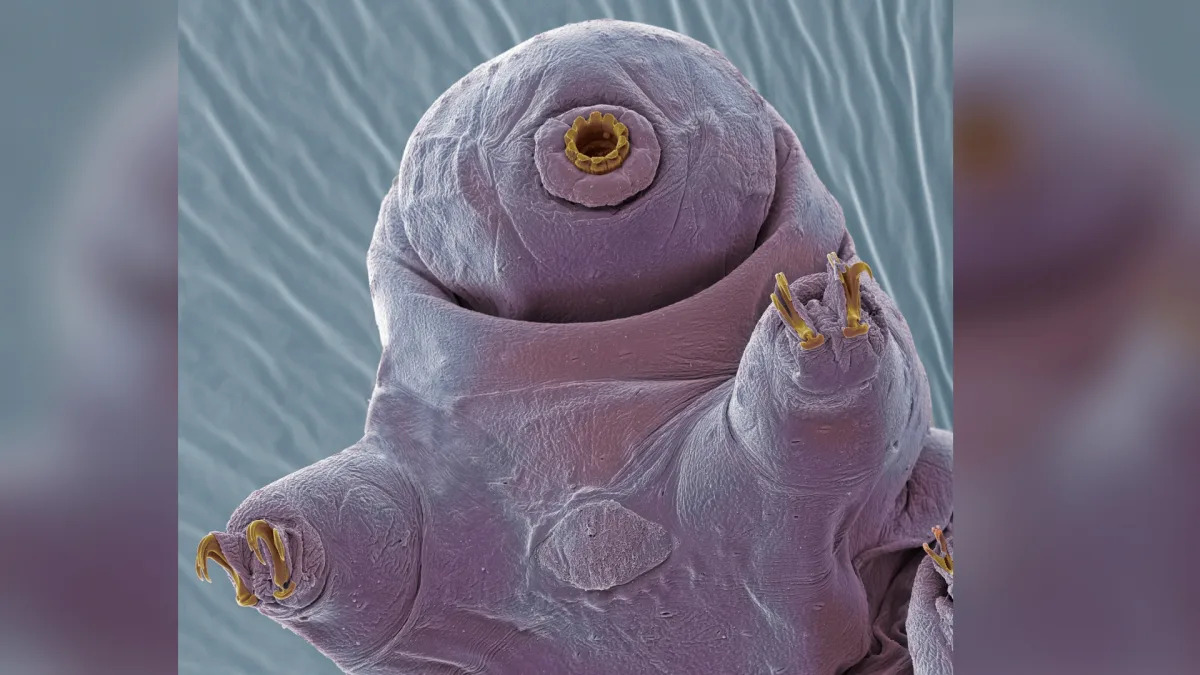
Decoding the Mysterious Mating Rituals of Tardigrades

Originally Published 2 years ago — by Yahoo Life

Featured image for Decoding the Mysterious Mating Rituals of Tardigrades
Source: Yahoo Life

Scientists have discovered how tardigrades, also known as "water bears," mate. These resilient creatures release a chemical cue that attracts males, while females do not exhibit the same behavior. The study suggests that tardigrades can only locate opposite-sex mates in water environments, and it is primarily the males who actively seek out females for mating.

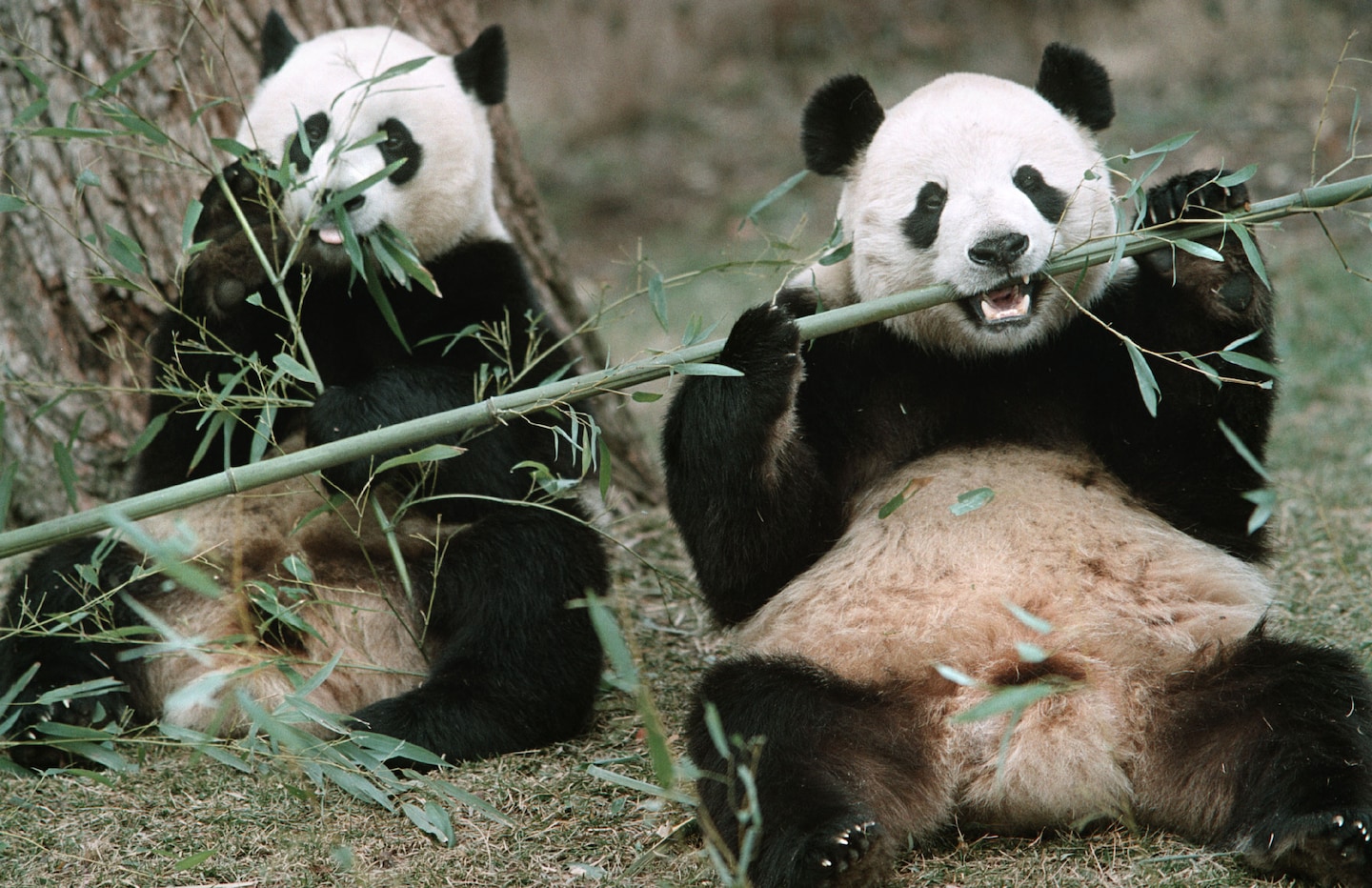
DC Pandas Return to China Earlier Than Expected: The Art of Panda Diplomacy

Originally Published 2 years ago — by The Washington Post

Featured image for DC Pandas Return to China Earlier Than Expected: The Art of Panda Diplomacy
Source: The Washington Post

The National Zoo's giant panda couple, Mei Xiang and Tian Tian, struggled to mate naturally for almost two decades, resulting in the need for artificial insemination to produce their four surviving cubs. Despite various attempts to improve their mating success, including low lights, exercise programs, and even the consideration of showing them "panda porn," the pandas never quite clicked. The zoo experts still wonder why the adults never mastered the basics of mating. With the departure of the remaining pandas from the National Zoo, the era of giant pandas in Washington, D.C. is coming to an end.

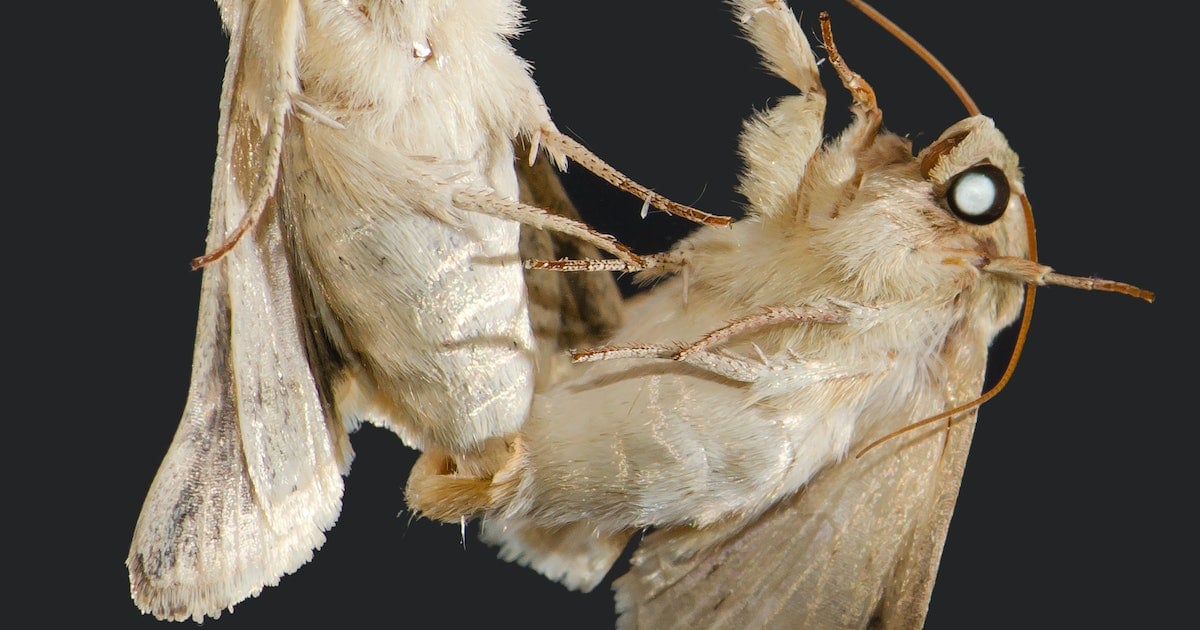
Decoding the Alluring Scent of Male Moth Pheromones

Originally Published 2 years ago — by Inverse

Featured image for Decoding the Alluring Scent of Male Moth Pheromones
Source: Inverse

Scientists have identified the complex chemical cocktail that comprises the aphrodisiac pheromone in male moths, specifically the tobacco budworm moth. The pheromone includes a combination of alcohols, aldehydes, acetates, carboxylic acids, aliphatic polyunsaturated hydrocarbons, and plant compounds such as methyl salicylate (MeSA), which is also found in spearmint gum. The male moth's diet is the source of these compounds. The study suggests that MeSA increases a male moth's chances of mating, and female moths are tuned in to this chemical signal when choosing a mate.

Tragic Death of Florida Manatee Linked to Intense Intrafamily Encounter

Originally Published 2 years ago — by New York Post

Featured image for Tragic Death of Florida Manatee Linked to Intense Intrafamily Encounter
Source: New York Post

A 38-year-old manatee named Hugh died in April after sustaining a 14.5-centimeter rip in his colon during a sexual encounter with his brother, Buffett, at the Mote Marine Laboratory & Aquarium in Florida. The necropsy revealed traumatic injuries caused by the encounter, and a fecal sample confirmed the presence of fresh blood. Despite the injuries, employees allowed the brothers to continue engaging in "high-intensity interactions and occasional penetration" throughout the day. The heightened sexual activity between the two brothers had been ongoing for months, and handlers claim it was consensual and "natural" mating behavior. The aquarium maintains that they followed protocol and veterinarian advice, but critics argue that intervention should have occurred to prevent the fatal outcome.

Cockroaches' Creative Adaptations to Survive Human Threats

Originally Published 2 years ago — by KSAT San Antonio

Featured image for Cockroaches' Creative Adaptations to Survive Human Threats
Source: KSAT San Antonio

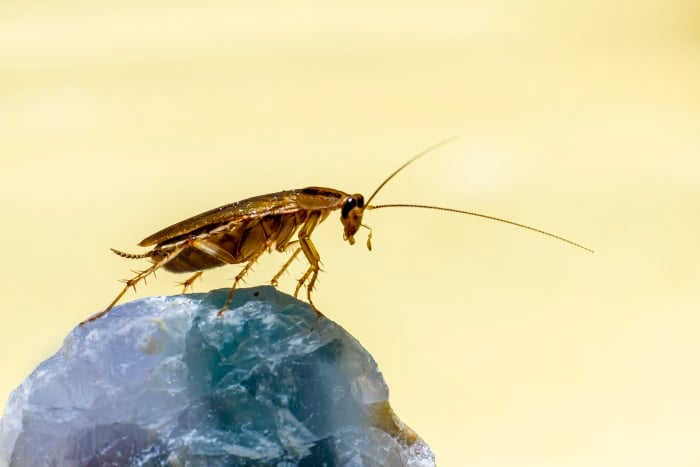
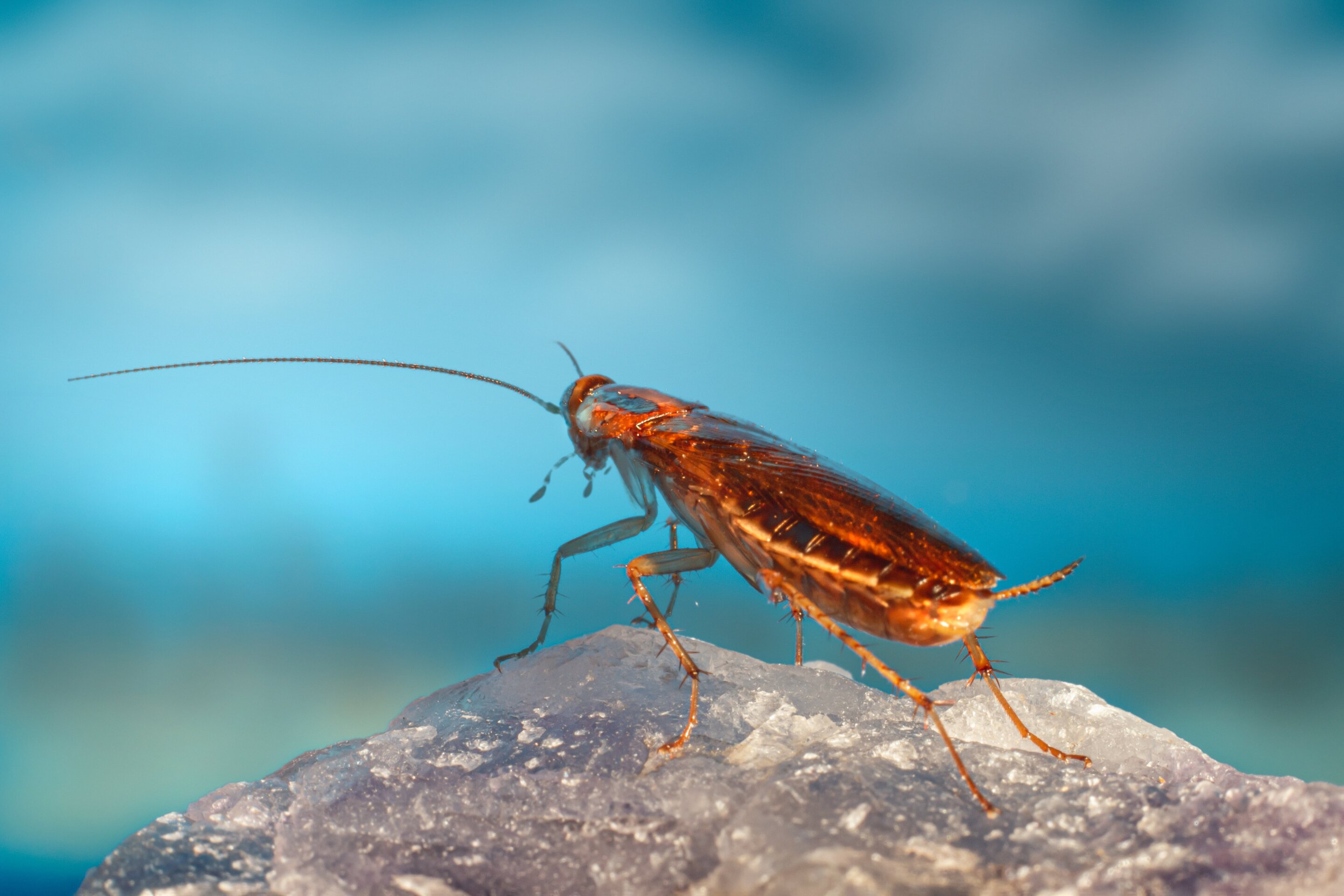
German cockroaches have developed a "sensory conflict" called glucose aversion to avoid insecticides that use glucose to attract and kill them. However, glucose is also a key component in the mating process, as male roaches offer females a sugary secretion called maltose during courtship. To overcome this issue, male roaches have started producing more maltotriose, which is more resistant to glucose aversion, and they also start the mating process faster before the female can leave. Scientists say this is an example of compensatory behavioral evolution and that the origin of the trait is likely due to human imposition, such as insecticide bait.

Cockroaches evolve new sex moves to avoid sugar traps.

Originally Published 2 years ago — by Phys.org

Featured image for Cockroaches evolve new sex moves to avoid sugar traps.
Source: Phys.org

The use of glucose in cockroach traps has led to some female cockroaches developing an aversion to the sugar, affecting their mating behavior. Male cockroaches have adapted by changing the composition of their "nuptial gift," including slashing the glucose content and shortening the courtship process. Glucose-averse males start mating almost twice as fast as other cockroaches. The study highlights the importance of understanding glucose aversion in cockroaches to develop new ways to control their numbers.