The author describes transforming a sad lawn into a thriving native plant garden over three years, leading to increased butterfly activity and a deeper connection with neighbors, illustrating the rewarding process of gardening and ecological restoration.
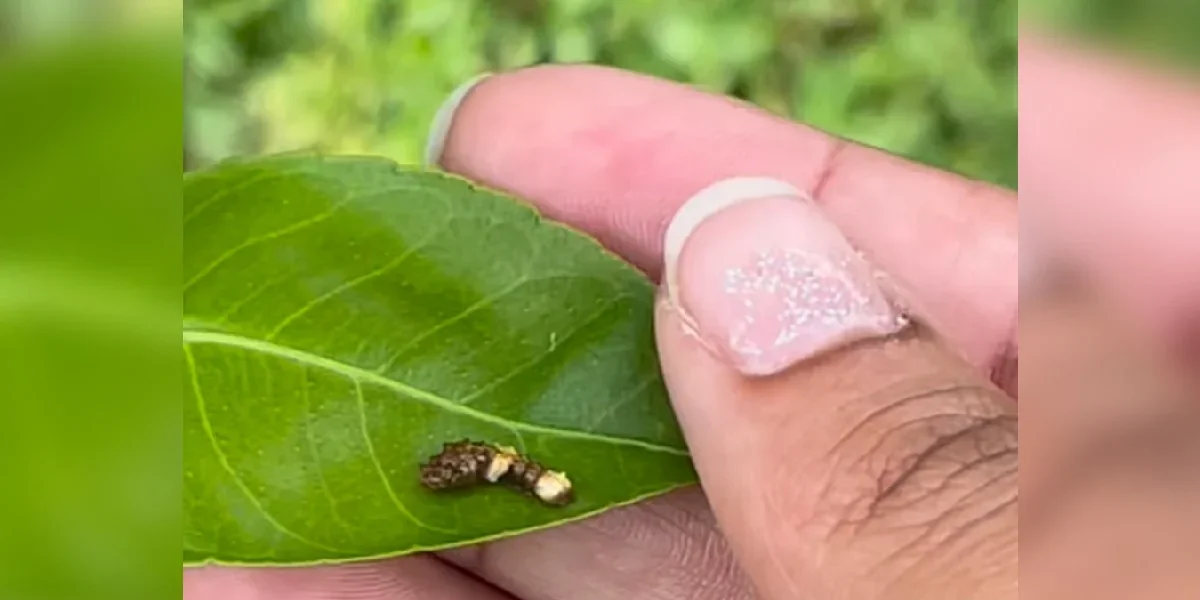
A woman discovers a caterpillar that resembles bird droppings on her lemon plant, which later transforms into a beautiful butterfly, highlighting the remarkable process of metamorphosis and the caterpillar's clever camouflage.
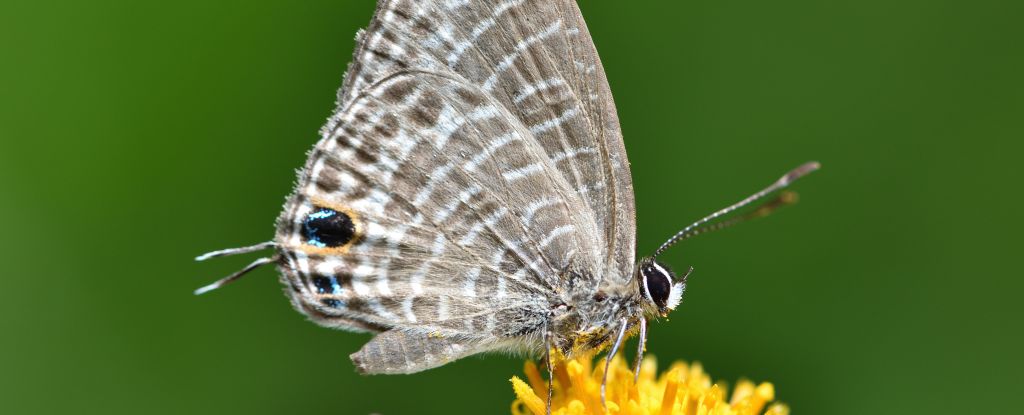
Many butterflies in the Lycaenidae family have evolved false heads on their wings, including false antennae and eye spots, to deceive predators like lizards, allowing them to escape with minimal wing damage and pass on their genes. A study of 928 species shows these traits evolved in a correlated manner as an adaptive anti-predatory strategy.
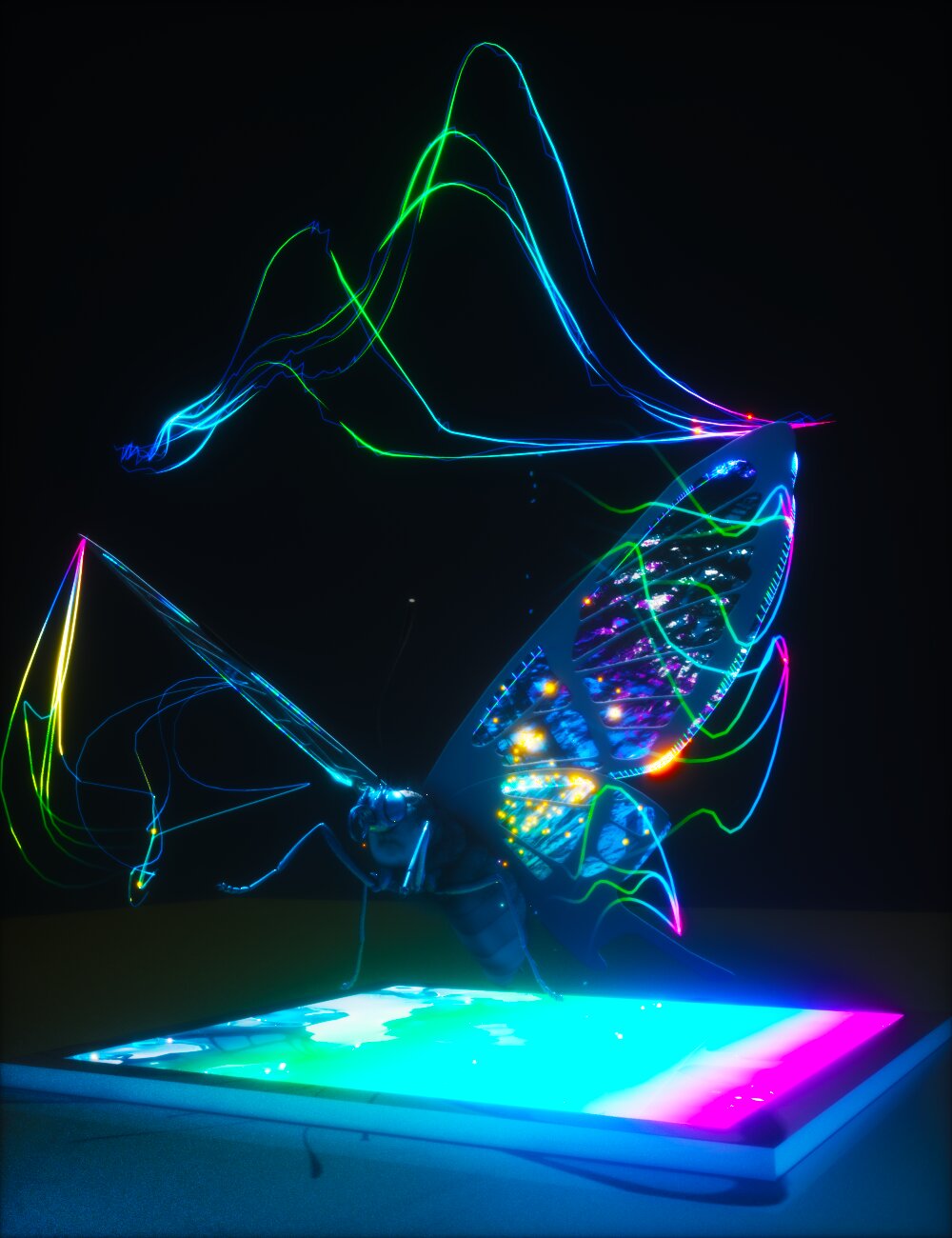
Researchers have developed an imaging sensor inspired by the visual system of butterflies, allowing it to "see" into the ultraviolet (UV) range. The sensor uses stacked photodiodes and perovskite nanocrystals to image different wavelengths in the UV spectrum. By leveraging the spectral signatures of biomedical markers, such as amino acids, the sensor can differentiate between cancer cells and normal cells with 99% confidence. This technology has potential applications in surgery to help surgeons determine clear margins when removing tumors and can also provide insights into the behavior of species that can see in the UV range.
A Long Island man, Charles Limmer, has been charged with smuggling $200,000 worth of deceased, protected butterflies, including birdwings, and other insects into and out of the United States. Limmer allegedly labeled the illegal shipments as "decorative wall coverings" and "origami paper craft" to conceal the smuggling scheme. He expressed contempt for the U.S. Fish and Wildlife Service and faces up to 20 years in prison if convicted. Limmer, who claims to be a lepidopterist and conservationist, had obtained a federal license to import and export wildlife commercially in 2016 but had it suspended last October. The indictment seeks the forfeiture of over 1,000 insects.
New research reveals that butterflies, moths, and aquatic caddisflies share DNA "blocks" dating back over 200 million years, providing insights into their genetic history and the evolution of chromosomes. Scientists developed a method to analyze the chromosomes of these species and found shared blocks of homology, indicating a common ancestry. This study improves understanding of moth and butterfly gene evolution and may also aid in studying chromosome evolution in other organisms.
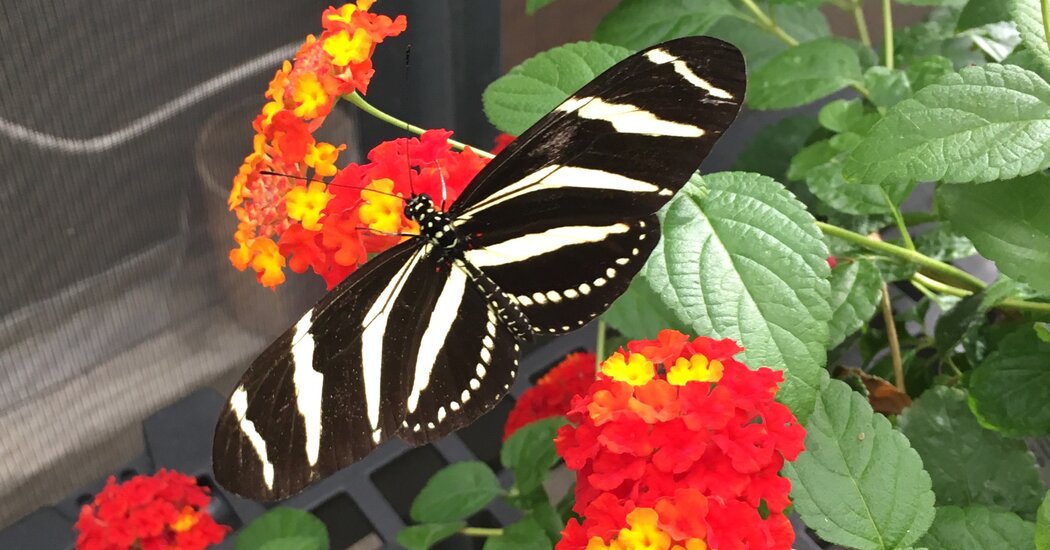
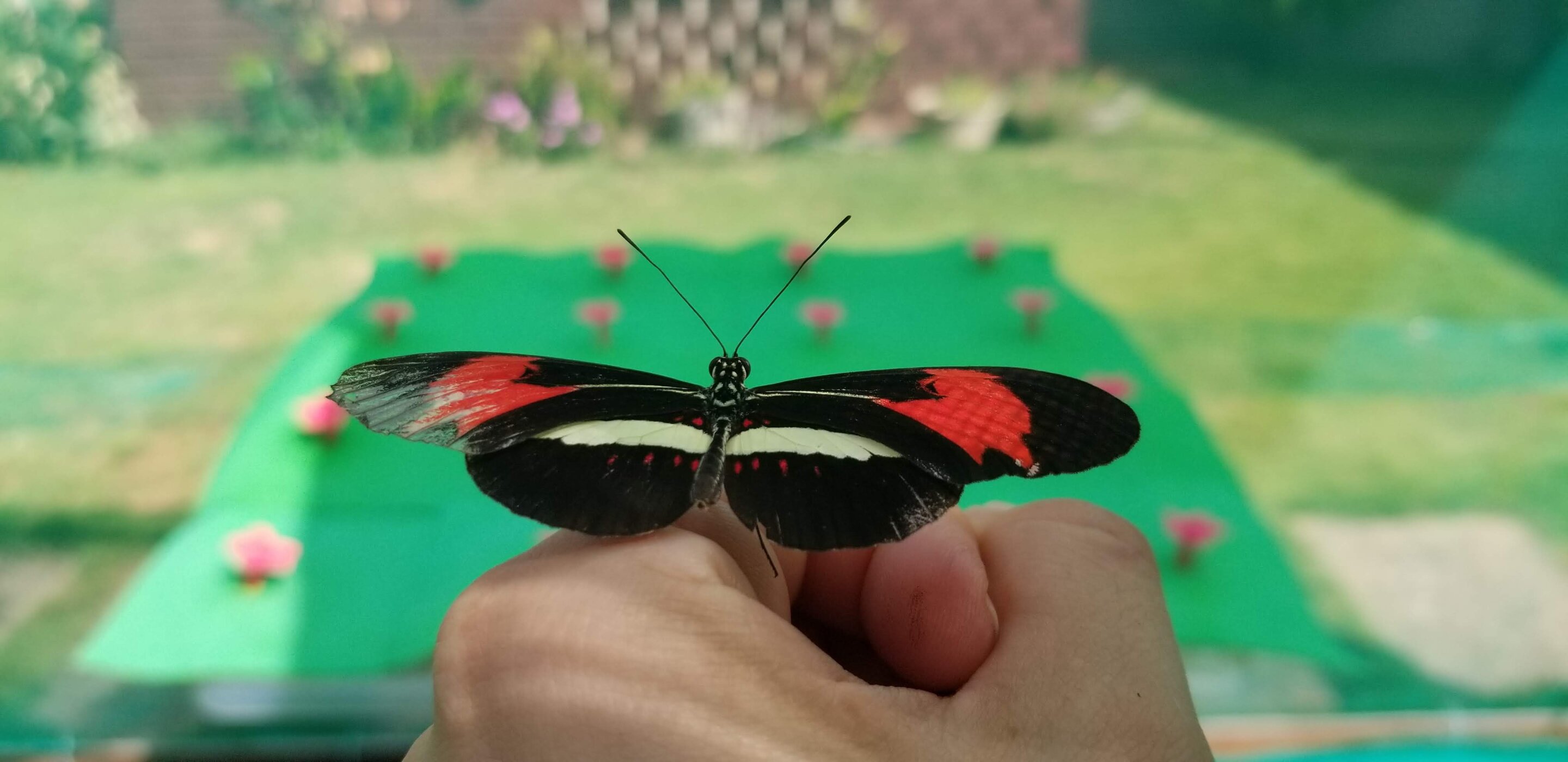
Female zebra longwing butterflies have the ability to see colors that males cannot, thanks to a gene on their sex chromosome called UVRh1. Researchers have discovered this through genomic sequencing and lab experiments. The presence of this gene on the sex chromosome raises questions about how it got there and sheds light on the evolution of differences between sexes. Further research on other longwing species may provide more insights into the origins of this gene and other differences between male and female butterflies.
Researchers have discovered that Heliconius butterflies exhibit spatial learning, providing the first experimental evidence of such abilities in any butterfly or moth species. These butterflies can learn and memorize spatial information on large scales, which is important for their foraging behavior known as traplining. The study suggests that complex learning skills, including the use of spatial information, may be more common in insects than previously recognized. The findings highlight the possibility of widespread cognitive abilities in insects and open up avenues for further research on the mechanisms of navigation in butterflies.
A new study has found that Heliconius butterflies are capable of spatial learning, providing the first experimental evidence of this ability in any butterfly or moth species. The research suggests that complex learning skills, such as the use of spatial information, may be more common in insects than previously thought. The study conducted spatial learning experiments at different scales and plans to further investigate the cognitive abilities and navigation mechanisms of Heliconius butterflies.
A new study suggests that butterflies likely originated in western North America or Central America around 100 million years ago, after splitting from moths. Butterflies first evolved from moths when they began feeding on the nectar of new species of flowering plants usually available during the day. The findings shed light on the origins of this remarkable group of insects that now populate the globe with 19,000 different species. The research team worked with close to 90 colleagues from six continents to collect DNA from all kinds of butterflies to piece together the butterfly family tree.
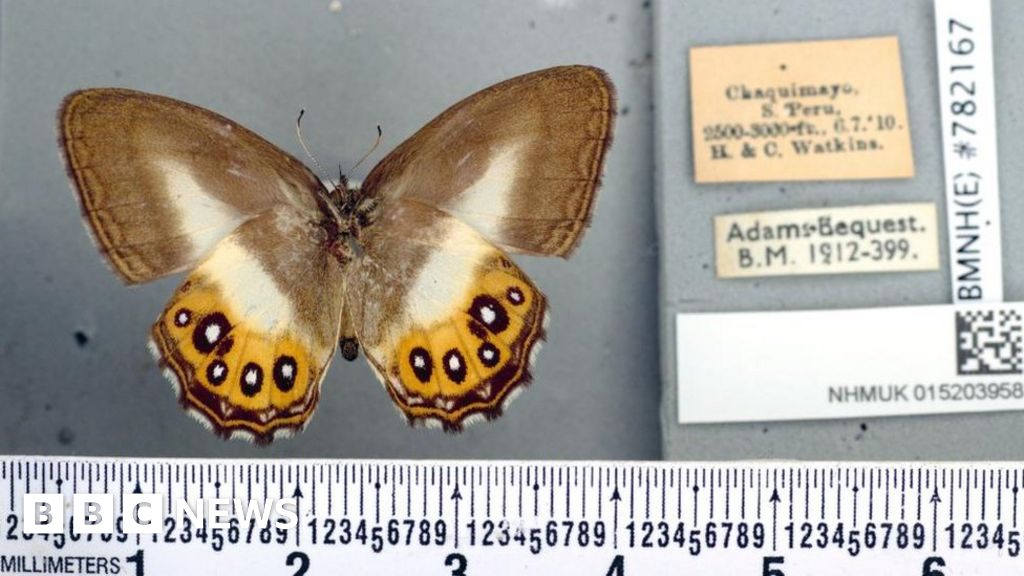
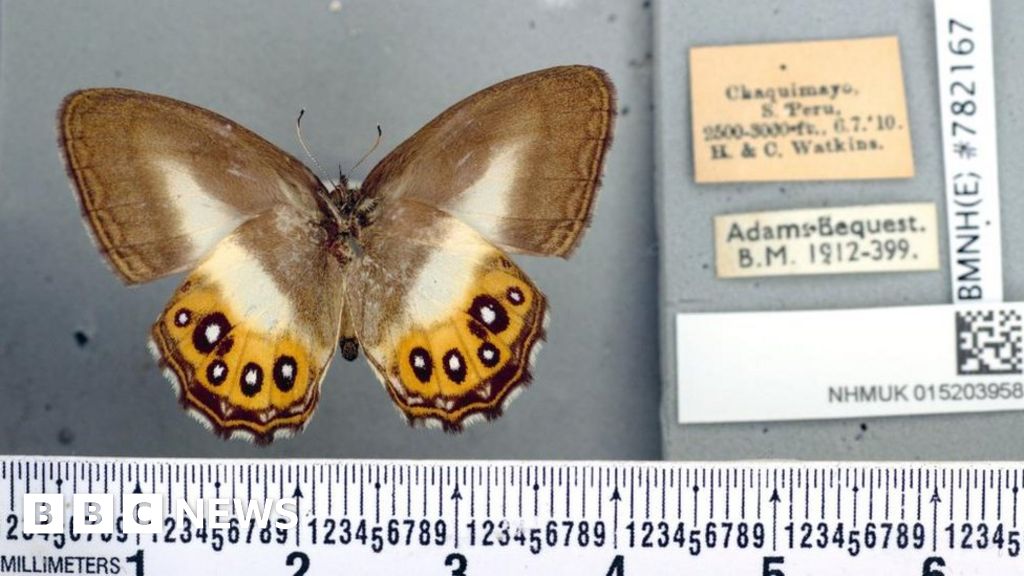
Two new butterfly species have been named after the villain Sauron from the Lord of the Rings novels. The Saurona genus was chosen because the black rings on the butterfly's orange wings reminded scientists of the all-seeing eye described in JRR Tolkien's books. The Natural History Museum in London hopes the unusual title will draw attention to the species and help generate more research.
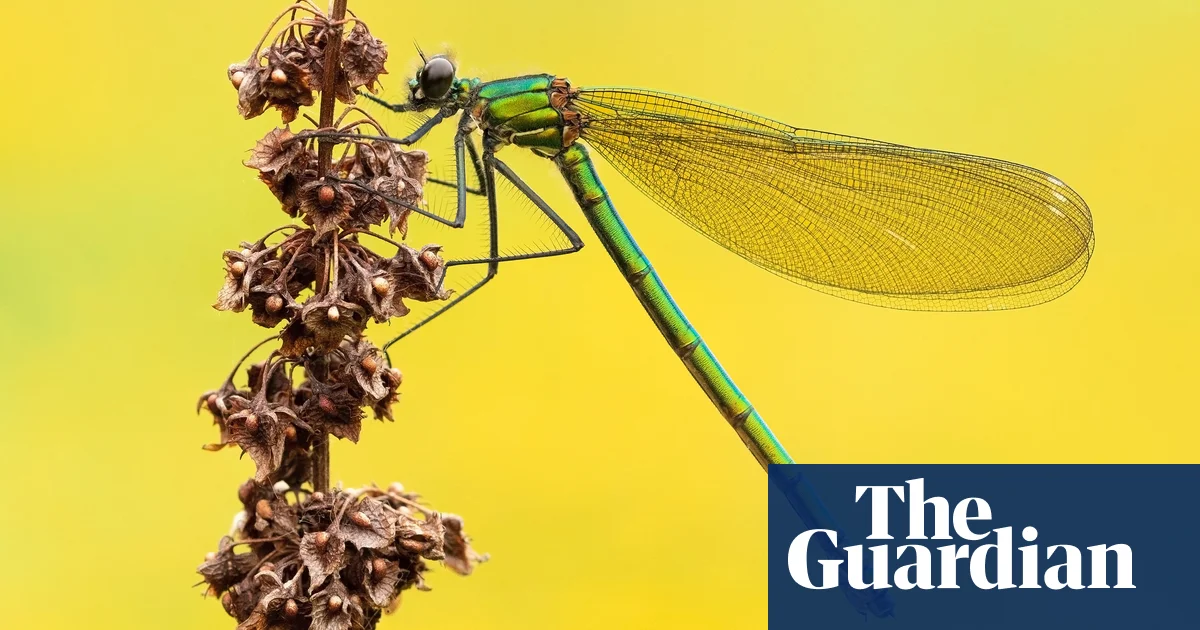
The Royal Entomological Society has announced the winners of its Insect Week photography awards. The winning entries include a spotted tiger beetle, an ashy mining bee, an Aphaenogaster iberica ant, a female wasp, a Bombus terrestris bumblebee, and a male orange tip butterfly.