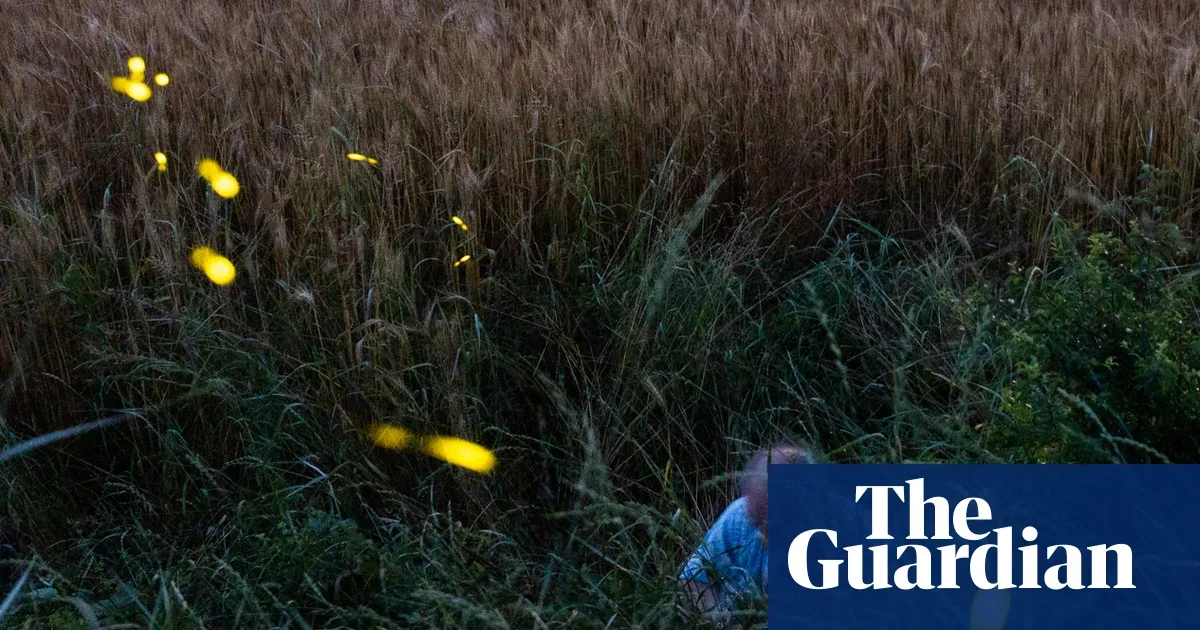
Glow-worms and fireflies are declining globally due to habitat loss, climate change, and light pollution, prompting conservation efforts like habitat restoration and reintroduction, though their future remains uncertain amid ongoing threats.
A study from Warsaw University, published in Ecological Entomology, reveals that small urban wildflower patches can support pollinators like butterflies, bees, and hoverflies as effectively as natural meadows. Despite fewer butterflies in urban areas, the diversity of species remains comparable, suggesting that urban wildflower meadows can help mitigate insect decline and enhance biodiversity in cities.
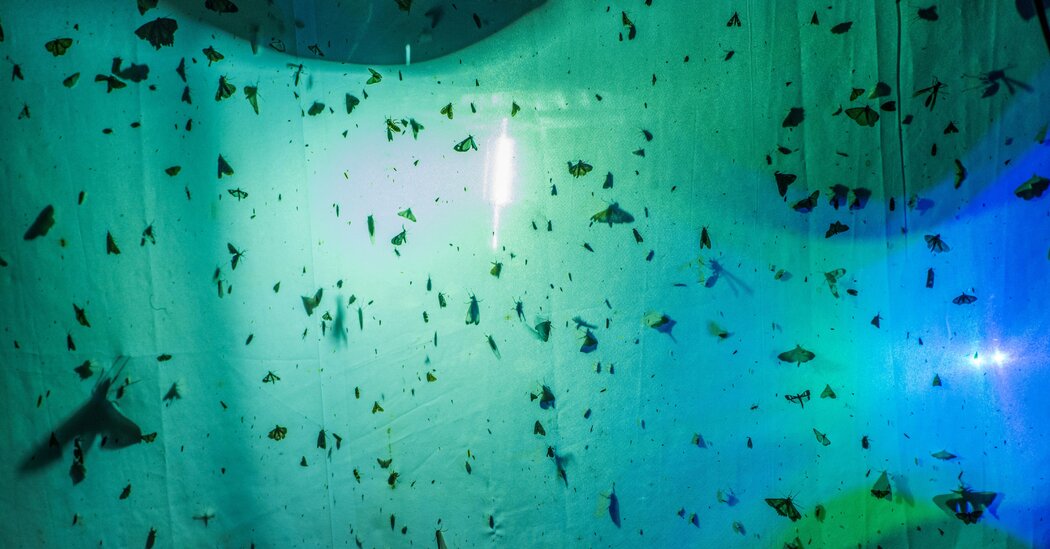
Researchers have observed a decline in the number of insects caught in light traps, indicating a potential change in moths' attraction to light. A study published in the Journal of Insect Conservation found that while some light traps showed declining numbers of corn earworm moths, their catches in pheromone traps remained consistent. This suggests a shift in moths' behavior towards light sources. The study raises questions about the long-held belief that moths are irresistibly drawn to light and highlights the need for more comprehensive tracking programs to understand insect behavior.
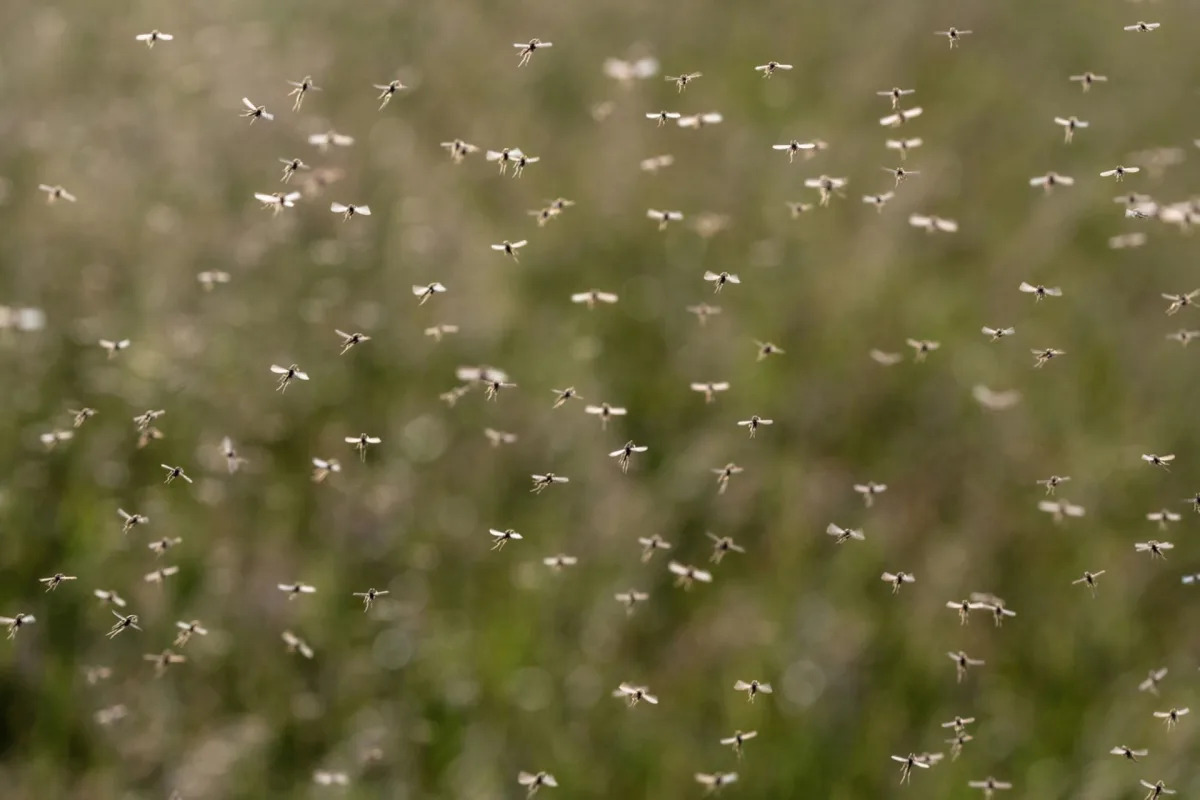
Insect populations, including vital species like pollinators, are declining due to human activities such as habitat destruction, pesticide pollution, and rising temperatures. This has led to an "insect apocalypse" where only aggressive, disease-carrying mosquitoes thrive. The decline of insects poses existential threats to humans, including crop pollination and food scarcity. To help insects recover, individuals can support policies that protect vital species and make small changes like letting wildflowers grow, avoiding chemical pesticides, and preserving fallen leaves as valuable habitat.
Insect populations and biodiversity are declining globally due to increased land use, climate change, and invasive species. This trend threatens the stability of ecosystems, as fewer insects mean less pollination and pest control, and less food for insect-eating animals. Researchers suggest standardized techniques to monitor insect diversity and the creation of a network of interconnected nature reserves to allow species to migrate to cooler regions. Measures to reduce the dispersal of invasive species through global trade and tourism are also needed.