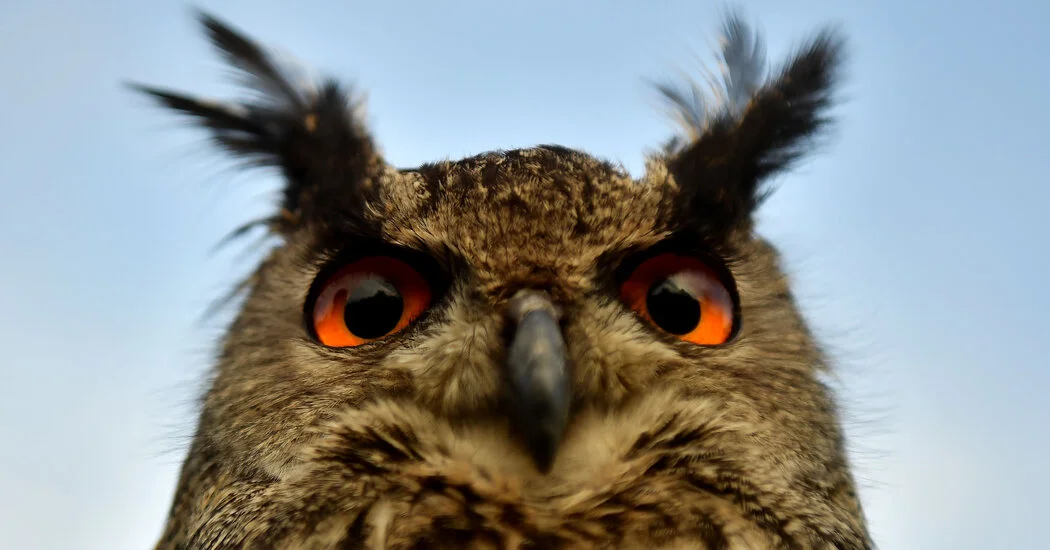
Researchers propose that vertebrate eyes originated from a single ancestral eye in ancient invertebrates around 560 million years ago, later splitting into two—offering a potential answer to how the complex eye evolved and addressing Darwin’s long-standing questions.
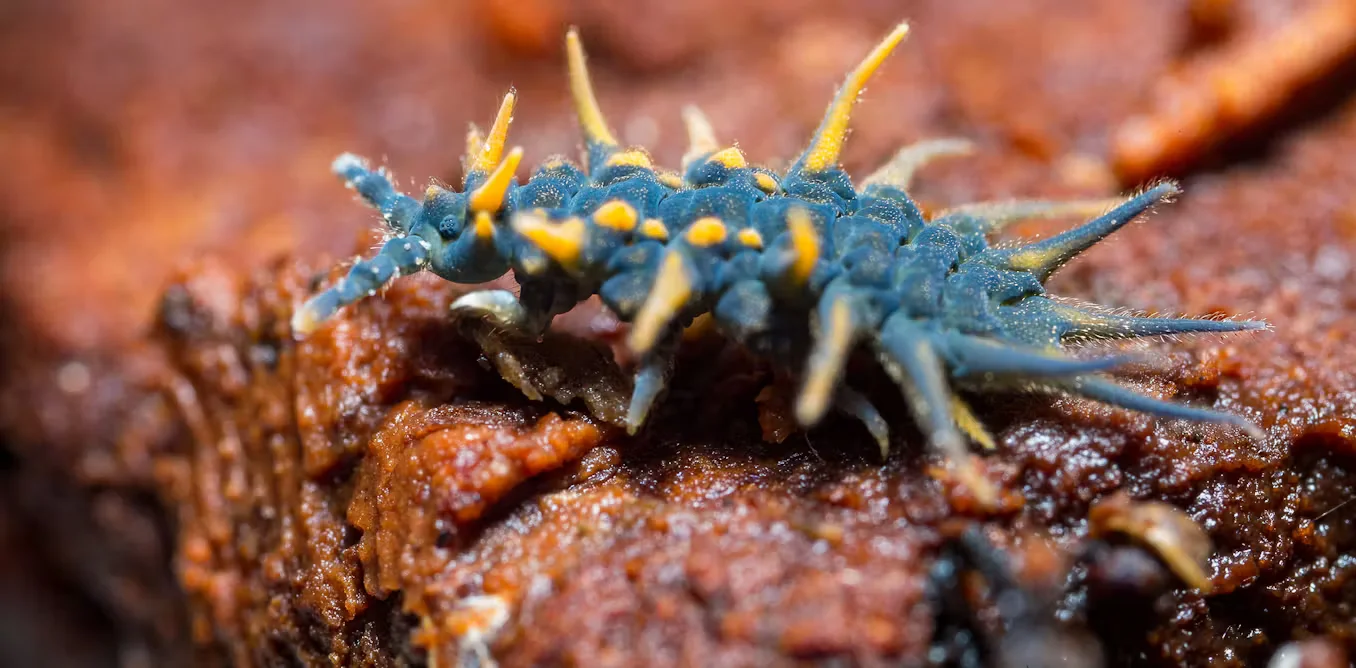
Springtails (Collembola) are tiny, ancient invertebrates found in virtually every habitat on Earth—from Mount Everest to Antarctica and even homes. They use a spring-loaded furcula to leap and a moisture-absorbing collophore to survive desiccation. As key players in regulating bacteria and fungi and in breaking down organic matter, they sustain ecosystems across forests, deserts, caves, and more. Giant springtails living in rotting wood can reach up to 17 mm, and recent work reshapes their classification, revealing a southern-hemisphere split tied to Gondwanan history, while warming and drying climates threaten many populations in Australia and New Zealand—a silent mass extinction for these remarkable yet underappreciated creatures.
Australian Bogong moths use the stars as a navigational guide during their long migration to cool down in caves, making them the first known invertebrates to navigate using celestial cues, alongside Earth's magnetic field, demonstrating remarkable navigational abilities despite their tiny brains.
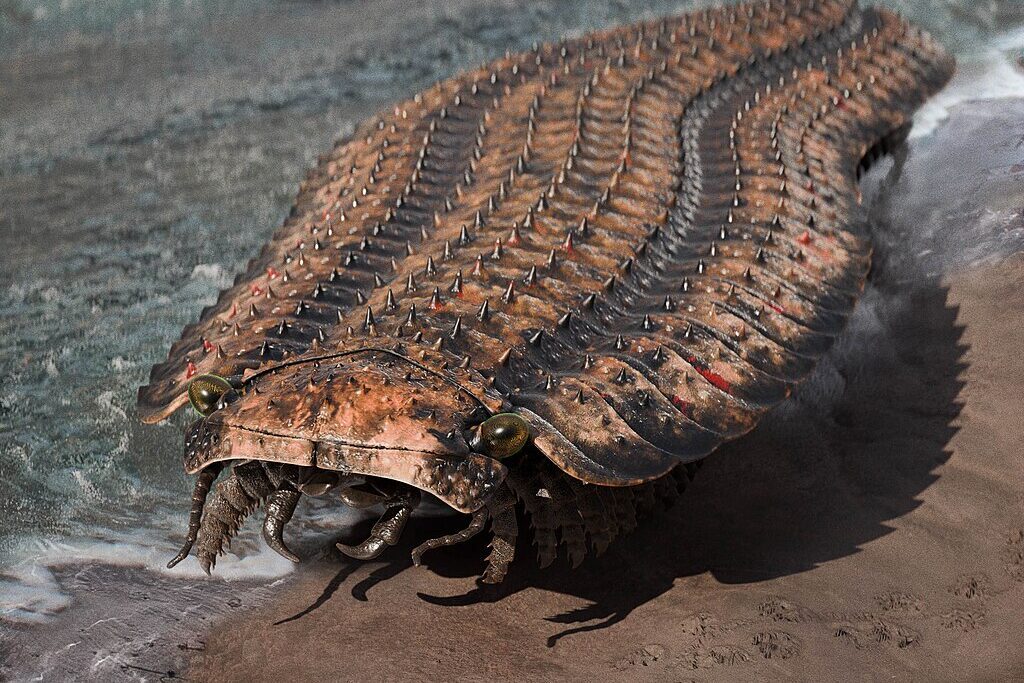
The article explores the fascinating world of prehistoric invertebrates that dominated Earth's ecosystems long before vertebrates emerged. It highlights several giant and bizarre creatures, such as the massive dragonfly-like Meganeuropsis, the enormous millipede Arthropleura, and the cat-sized scorpion Pulmonoscorpius. These creatures thrived during periods like the Carboniferous, when high oxygen levels allowed them to grow to extraordinary sizes. The article also discusses the unique adaptations and ecological roles of these ancient bugs, providing insight into the evolutionary history of invertebrates.
A study led by researchers at the German Centre for Integrative Biodiversity Research (iDiv) and Leipzig University has found that the decline in invertebrates, such as insects and arthropods, is negatively impacting important ecosystem services like natural pest control and decomposition of organic matter. Human-caused environmental changes, including habitat loss and chemical pollution, have been driving the global decline of invertebrates. The study used controlled mini-ecosystems to simulate the effects of invertebrate decline and found that as invertebrate biomass decreases, the number of ecosystem services also decreases. Immediate protection measures are necessary to safeguard diverse invertebrate communities and maintain important ecosystem functions.
Scientists conducting research near Antarctica have discovered a new species of marine animal called Promachocrinus fragarius, or the Antarctic strawberry feather star. This creature has a distinctive body shape with 20 arms branching off its central body, resembling a strawberry. It can be found at depths ranging from 215 to 3,840 feet in the Southern Ocean. The discovery was made through several research expeditions between 2008 and 2017, and researchers also identified three more new species of Antarctic feather stars.
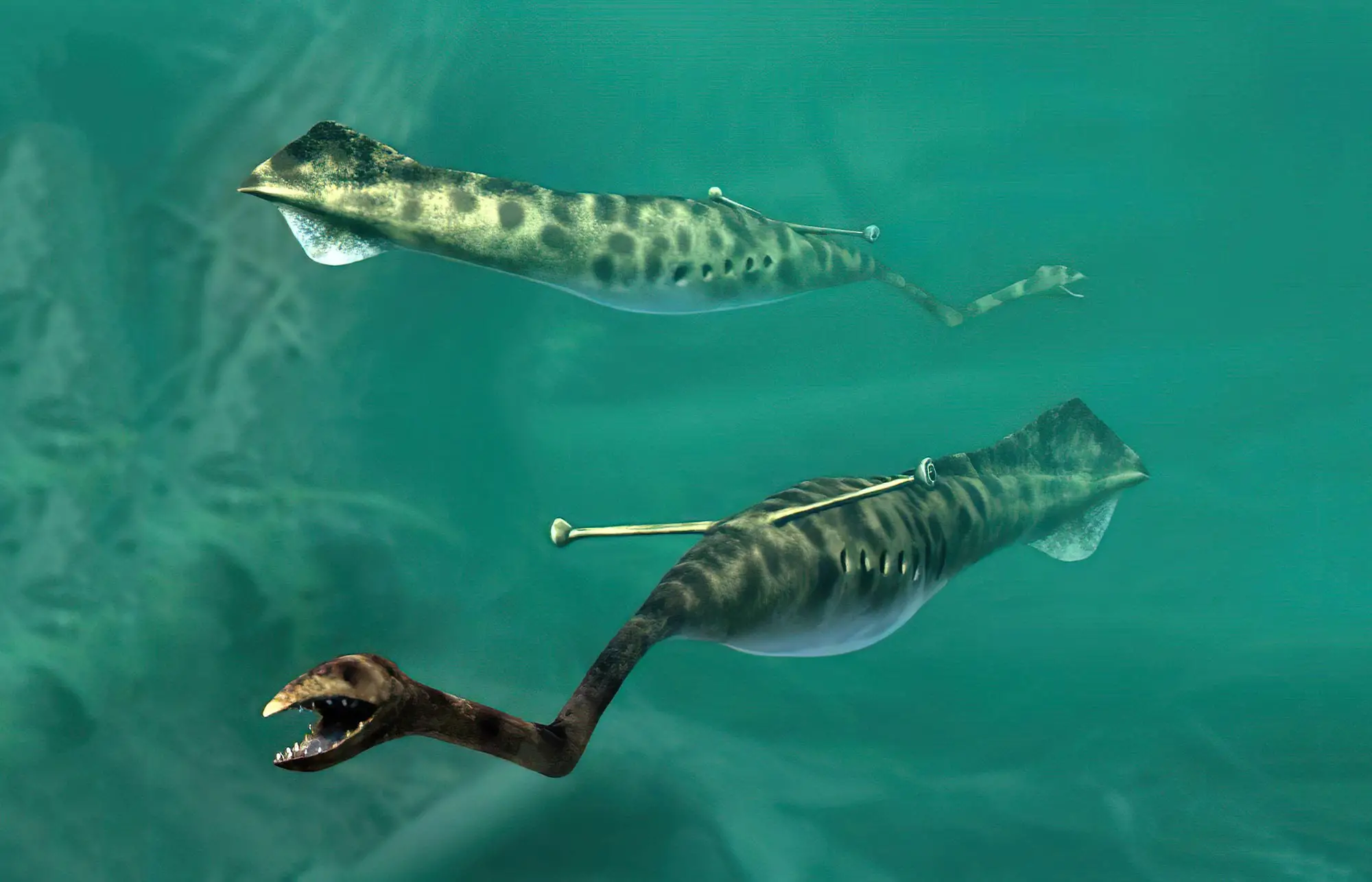
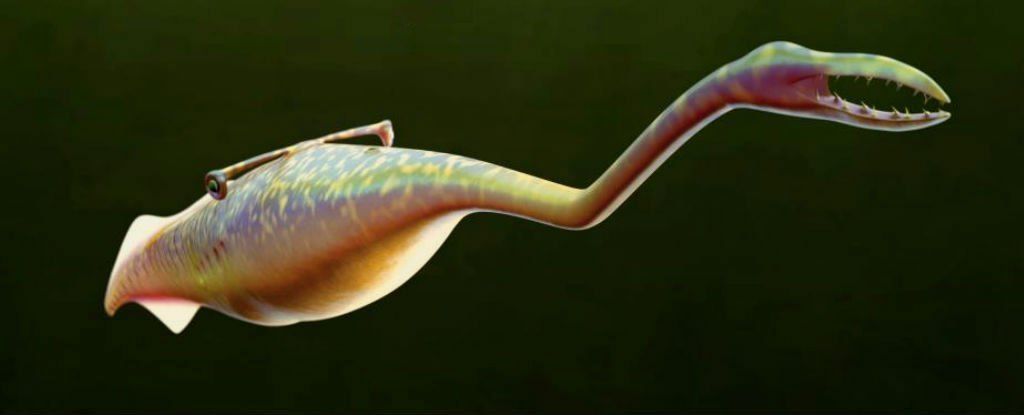
A team in Japan has used 3D imaging technology to study the Tully monster, a mysterious fossil that has puzzled paleontologists for over 50 years due to its unusual anatomy and uncertain classification. The team concluded that it was not a vertebrate, as previously theorized by some researchers, but its exact classification and type of invertebrate remain to be determined. This new research provides valuable insights into the evolution of early vertebrates and highlights the challenge of piecing together the dynamic history of Earth and the diverse organisms that have inhabited it.
The true nature of the Tully monster, a bizarre marine creature that lived 300 million years ago, has confounded scientists for nearly 70 years. A new study has ruled out the possibility that it was a vertebrate, but has not yet determined what kind of invertebrate it was. The study used high-resolution 3D laser scanning and x-ray micro-computed tomography to analyze more than 150 Tully monster specimens and 70 fossils of other creatures from the Mazon Creek fossil bed in Illinois. The research provides important clues to understanding the evolutionary history of life.