Tag

Medical Misinformation

All articles tagged with #medical misinformation

health2 months ago

Long COVID Sufferers Feel Abandoned as RFK Disrupts Support

The article discusses the ongoing crisis of long COVID in the US, criticizing RFK Jr.'s actions that have undermined research and support for long COVID patients, and highlighting the broader systemic issues of healthcare inequality, disinformation, and the historical neglect of disabled and chronically ill populations. It emphasizes the importance of collective activism and justice in addressing these issues and calls for support for independent journalism.

womens-health1 year ago

"Dispelling Birth Control Myths"

Misinformation about the safety and efficacy of hormonal birth-control methods has spread on social media, leading to misconceptions and fear-based contraceptive decisions among women. The lack of physician transparency and underfunding of women’s health research contribute to the proliferation of false narratives about birth control, potentially resulting in unintended pregnancies and other health complications. President Biden's recent executive order aims to address these issues by strengthening data collection and funding for women’s health research.

health1 year ago

"Debunking Heart Disease Myths: Insights from a Harvard Cardiologist"

Harvard cardiologist Dr. Haider Warraich debunks common myths about heart disease, emphasizing that risk factors like high blood pressure, high cholesterol, and diabetes can be silent. He highlights that heart disease affects both men and women, with women more likely to suffer bad outcomes from heart attacks. Symptoms of heart attacks can vary and may include chest pressure, pain radiating to the arms, nausea, light-headedness, and fatigue. Dr. Warraich advises seeking information from trustworthy sources and working closely with medical teams to prevent and manage heart disease.

healthtech2 years ago

YouTube Collaborates with Hospitals to Provide First-Aid Videos for Medical Emergencies

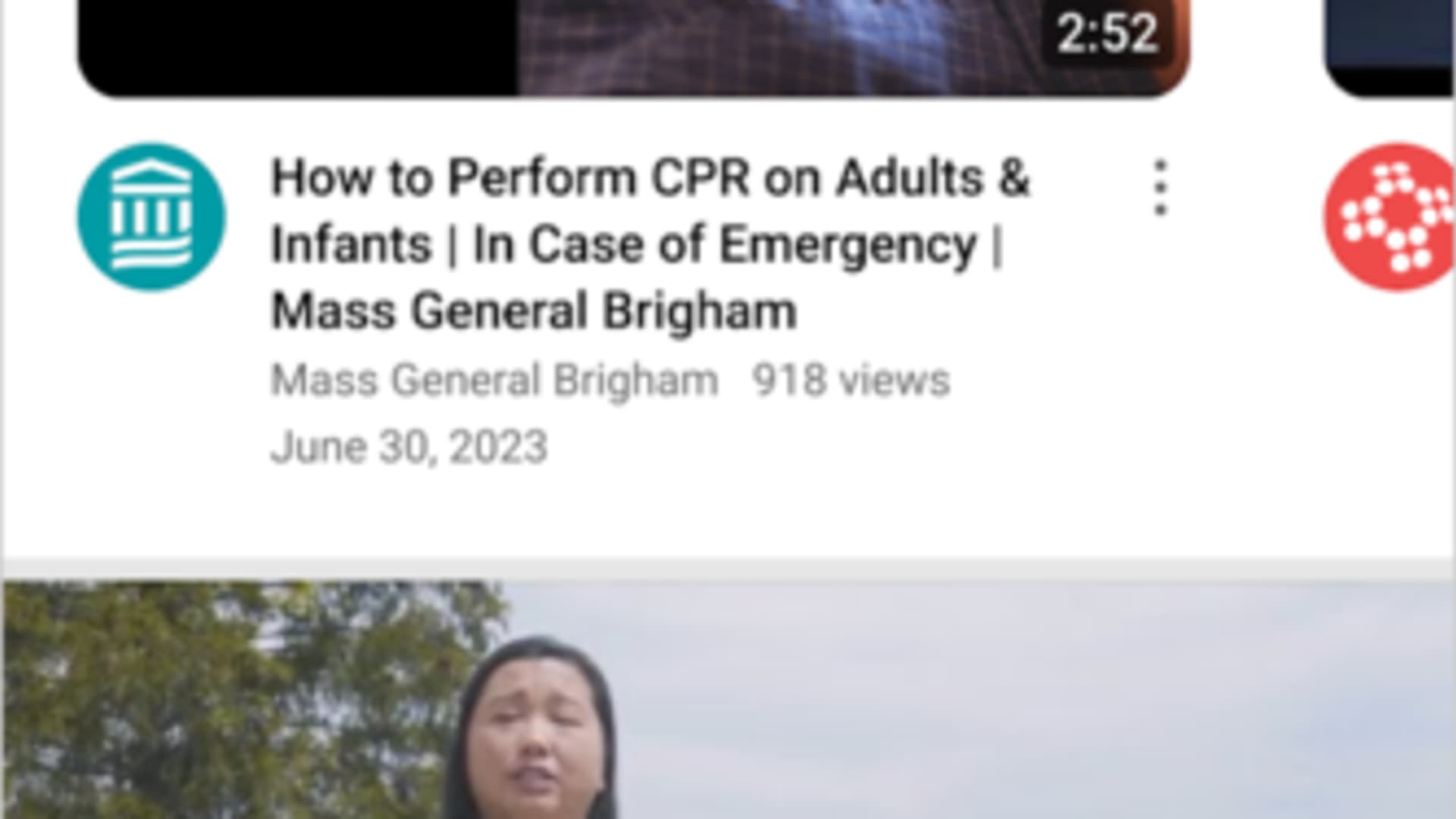
YouTube has introduced a feature called First Aid Information Shelves, offering step-by-step videos from accredited health organizations like Mass General Brigham to help people handle emergencies such as drug overdoses and heart attacks. The videos, which will not contain ads, aim to provide concise and timely information, and will be pinned to the top of relevant search results. YouTube plans to expand the topics, countries, and languages covered, and will work with partners to ensure the accuracy and relevance of the content. This initiative is part of YouTube's ongoing efforts to combat medical misinformation and provide credible health information to its users.

healthtech2 years ago

"YouTube Partners with Hospitals to Provide Life-Saving First-Aid Videos"

YouTube has partnered with medical organizations to display credible first-aid explainer videos at the top of search results for health emergencies like heart attacks, CPR, and more. The platform aims to provide timely advice and promote trustworthy health information, following its crackdown on medical misinformation last year. The videos will be available in English and Spanish in the United States, with plans to expand to more languages and countries in the future.

science-and-technology2 years ago

"Nobel Laureate Drew Weissman Discusses the Beauty and Importance of COVID-19 Vaccines"

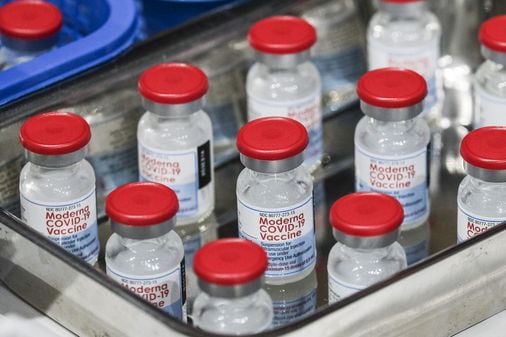
Drew Weissman, co-winner of the 2023 Nobel Prize for Medicine for his work on mRNA, discusses his early years of frustration in mRNA research, the breakthrough moment in 2005, and the urgency he felt when he first heard about the coronavirus outbreak in Wuhan. He also highlights the RNA vaccine revolution that is already underway, with numerous clinical trials using RNA therapeutics and vaccines. Weissman expresses concern about the backlash against vaccines driven by misinformation and emphasizes the need for tailored messaging to address different groups' hesitancy. He emphasizes the importance of vaccination not only for personal protection but also for the protection of society as a whole.

health2 years ago

Kansas Judge Strikes Down Controversial Abortion Restrictions

A Kansas judge has blocked a combination of long-standing and newly implemented abortion restrictions in the state, ruling that the requirements set out in the "Women's Right to Know Act" use medically inaccurate information to dictate abortion restrictions. The judge stated that the act is an effort to stigmatize the procedure and instill fear in patients based on "disproven and unsupportable claims." The injunction allows abortion providers to disregard a new law requiring them to provide misinformation about abortion reversal and to give patients anti-abortion information in specific formats. The lawsuit, filed by the Center for Reproductive Rights and Planned Parenthood, argued that the restrictions violate state constitutional rights to abortion and free speech.

health2 years ago

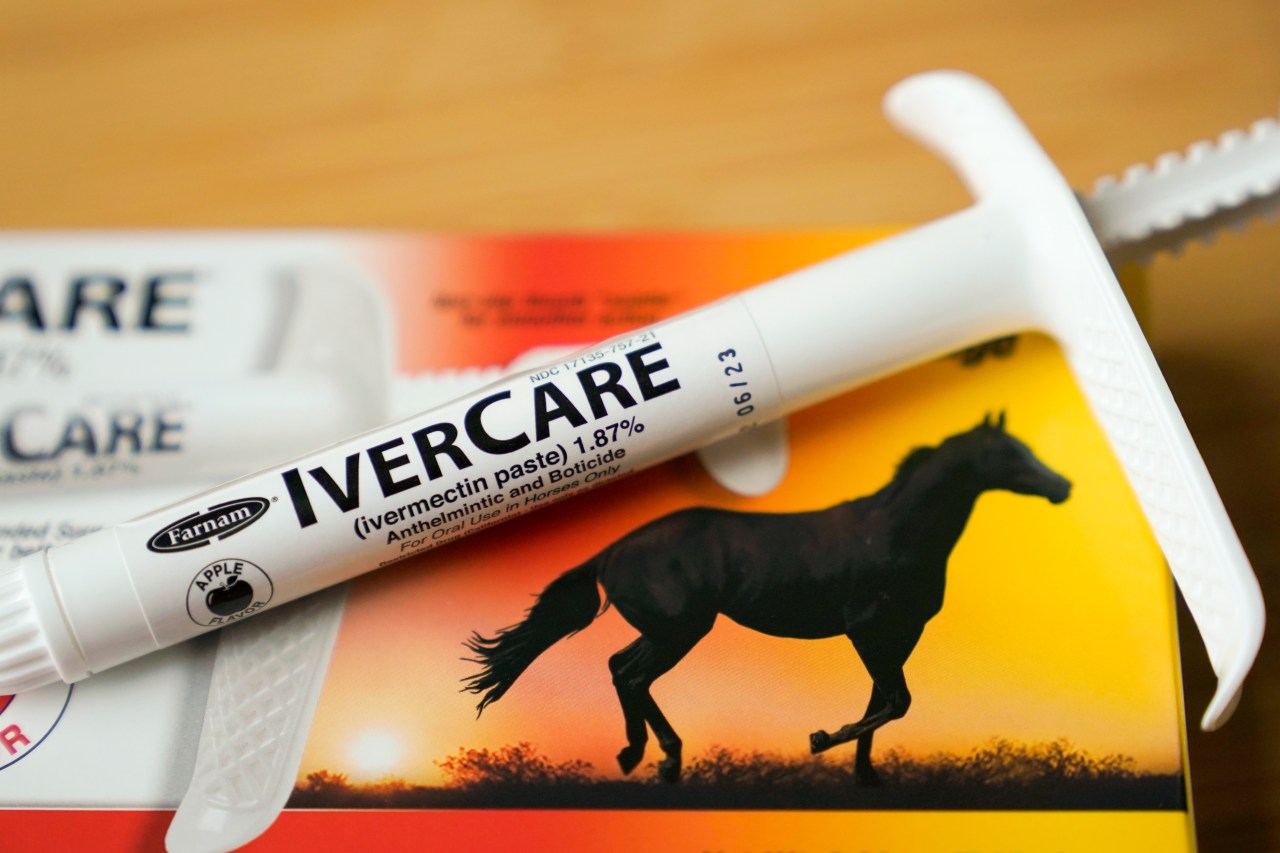
Federal Appeals Court Breathes New Life into Lawsuit Against FDA's COVID-19 Ivermectin Messaging

A federal appeals court has revived a lawsuit against the FDA over its campaign against the use of ivermectin to treat COVID-19. Three doctors sued the FDA, claiming that the agency's anti-ivermectin messaging went beyond its authority. The court ruled that the lawsuit can continue, stating that the FDA's messaging crossed the line between informing and advising. The FDA's campaign emphasized that ivermectin should not be used to treat COVID-19, despite its approval for other uses. The drug's effectiveness for COVID-19 treatment remains controversial, with limited high-quality evidence supporting its use. The World Health Organization and the National Institutes of Health have also recommended against its use. The doctors claim that their reputations were harmed by the FDA campaign.

technology2 years ago

YouTube Implements Stricter Policies Against Medical Misinformation

YouTube has announced that it will remove false claims about cancer treatments as part of its efforts to combat medical misinformation. The updated policy will prohibit content that promotes harmful or ineffective cancer treatments or discourages viewers from seeking professional medical treatment. YouTube will evaluate content based on public health risk, guidance from health authorities, and susceptibility to misinformation. The company plans to enforce the policy using a combination of human and automated moderation. YouTube will also promote cancer-related content from authoritative sources like the Mayo Clinic.