Vaping is considered safer than smoking due to the absence of combustion, but it remains addictive and challenging to quit, especially for young people. While evidence supports vaping as a less harmful alternative, many users struggle to stop due to behavioral and psychological factors, with various support strategies like gradual reduction, professional help, and behavioral therapies showing promise. Public misconceptions about vaping's risks persist, complicating efforts to reduce its use, particularly among youth.
Decades after a historic HIV outbreak in Indiana was contained by needle exchange programs, these programs are now disappearing due to federal and state restrictions, risking a resurgence of infections and worsening drug-related health issues, especially in rural communities.
The US has seen a significant decline in fentanyl-related deaths in 2024, thanks to harm reduction strategies, treatment programs like methadone, and widespread naloxone use, with North Carolina leading the way in recovery efforts and legal actions against opioid manufacturers.
Nabarun Dasgupta, a UNC researcher specializing in street drug supply and overdose data, was awarded the MacArthur 'genius' grant for his work in understanding and reducing the U.S. overdose crisis, including early detection of declining overdose deaths and promoting harm reduction programs. His efforts have contributed to saving tens of thousands of lives, despite ongoing challenges with drug-related fatalities.
Estonia is experiencing a severe opioid crisis driven by the emergence of highly potent synthetic opioids called nitazenes, which have caused a surge in overdose deaths and highlight the challenges of drug policy and social marginalization. The country's history with fentanyl and ongoing struggles with drug demand and supply reflect broader issues that could threaten other European nations and the UK.
An HIV outbreak in Penobscot County, Maine, primarily among homeless drug users, highlights the risks of reduced harm reduction programs amid federal policies under the Trump administration that aim to defund syringe services and clear homeless encampments, potentially exacerbating public health crises like HIV and overdose.
The article discusses how misconceptions that nicotine causes cancer are hindering public health efforts, emphasizing that the harm from smoking comes from combustion, not nicotine itself. It highlights the potential benefits of smoke-free nicotine products like e-cigarettes and patches for quitting smoking, and stresses the importance of accurate public education to correct false beliefs and promote harm reduction. The piece also warns against the commercialization of nicotine as a wellness product and the need for nuanced understanding of nicotine's risks and benefits.
Over the past two years, Penobscot County in Maine has experienced its largest HIV outbreak, with 26 cases since October 2023, primarily among homeless individuals and drug users, driven by factors like housing shortages, drug use, and strained healthcare resources. Public health efforts have focused on testing, harm reduction, and outreach, but funding cuts and service closures threaten to hinder ongoing response efforts.
Baltimore's Penn North neighborhood experienced multiple overdoses, with five people hospitalized in serious condition, following a recent mass overdose incident linked to fentanyl. City officials and community groups are working on harm reduction efforts, including distributing naloxone and fentanyl test strips, amid ongoing investigations into the causes. The city aims to reduce overdose deaths by 40% by 2040 and emphasizes the need for consistent community support and expanded access to recovery services.
Baltimore experienced a severe mass overdose event linked to dangerous drug testers, prompting a rapid city and community response that included hospitalizations, emergency services, and harm reduction efforts, highlighting the ongoing opioid crisis and the need for expanded prevention strategies.
The article discusses the ethical considerations of intervening in a loved one's hoarding situation, emphasizing that a wellness check may not be effective and suggesting less disruptive approaches like involving adult protective services or medical professionals. It highlights the importance of respecting the individual's autonomy while prioritizing safety through support and harm reduction strategies.
Drug overdose deaths among Americans under 35 have significantly decreased, with a notable drop in fentanyl-related fatalities, attributed to increased awareness, harm reduction efforts, and possibly less risky drug use among youth, offering hope for continued progress in combating the fentanyl crisis.
Recent data indicates a decline in drug overdose deaths, attributed to changes in the drug supply, including increased availability of safer alternatives and harm reduction strategies. These changes are part of broader efforts to address the opioid crisis and improve public health outcomes.
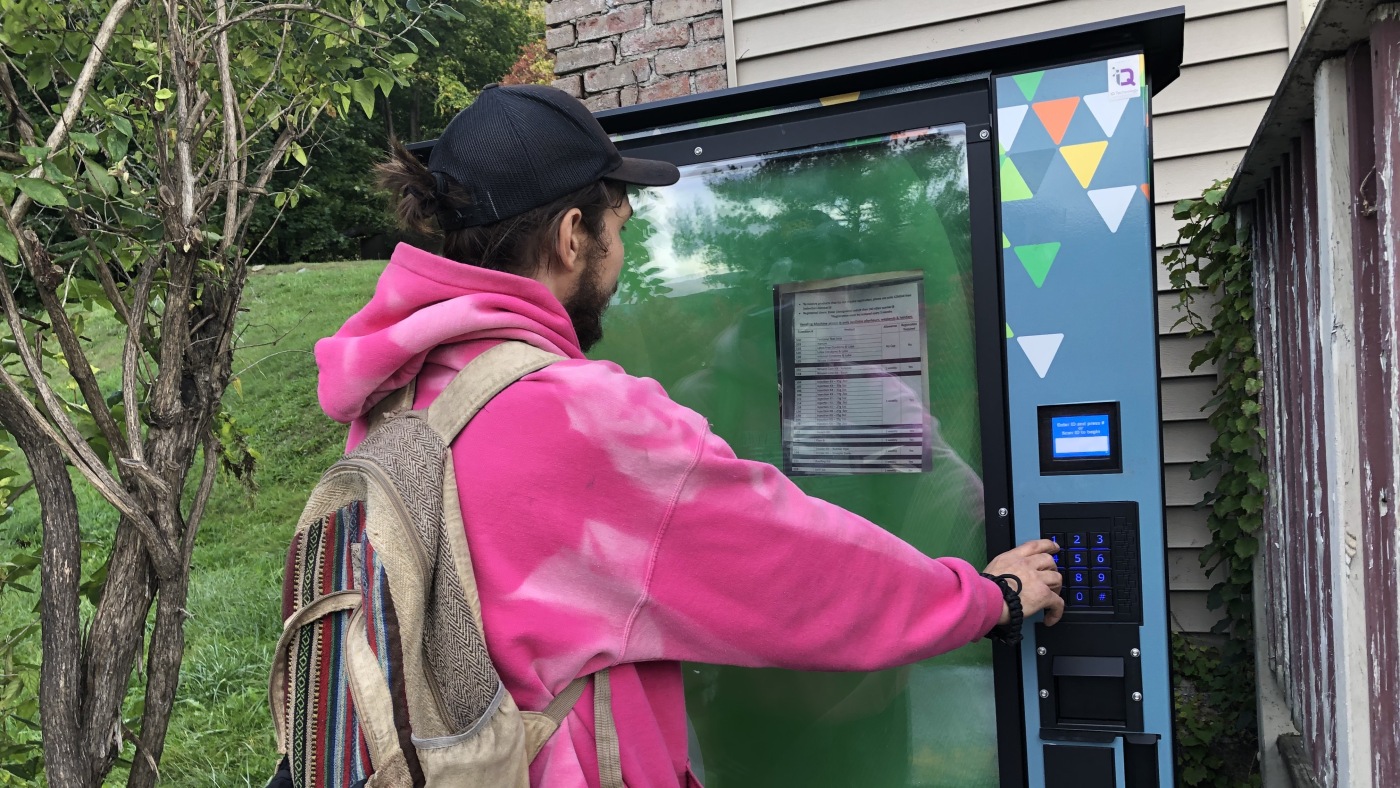
North Adams, Massachusetts, has introduced a harm reduction vending machine that dispenses clean syringes, Narcan, and other drug-use supplies to combat the opioid crisis. While some items are freely available, others require a code from a local clinic. The initiative aims to reduce overdose deaths and the spread of diseases, despite some community resistance. Research suggests such machines can effectively lower overdose rates and improve public health outcomes.
The Biden administration is shifting federal addiction treatment policies to acknowledge that while total abstinence is ideal, reducing drug use can also significantly lower risks and improve outcomes. This approach aligns with harm reduction strategies and aims to support patients who may not achieve complete abstinence but can still benefit from reduced use. Key federal agencies, including NIDA, SAMHSA, and the FDA, are updating guidelines and regulations to reflect this more flexible and pragmatic stance on addiction treatment.