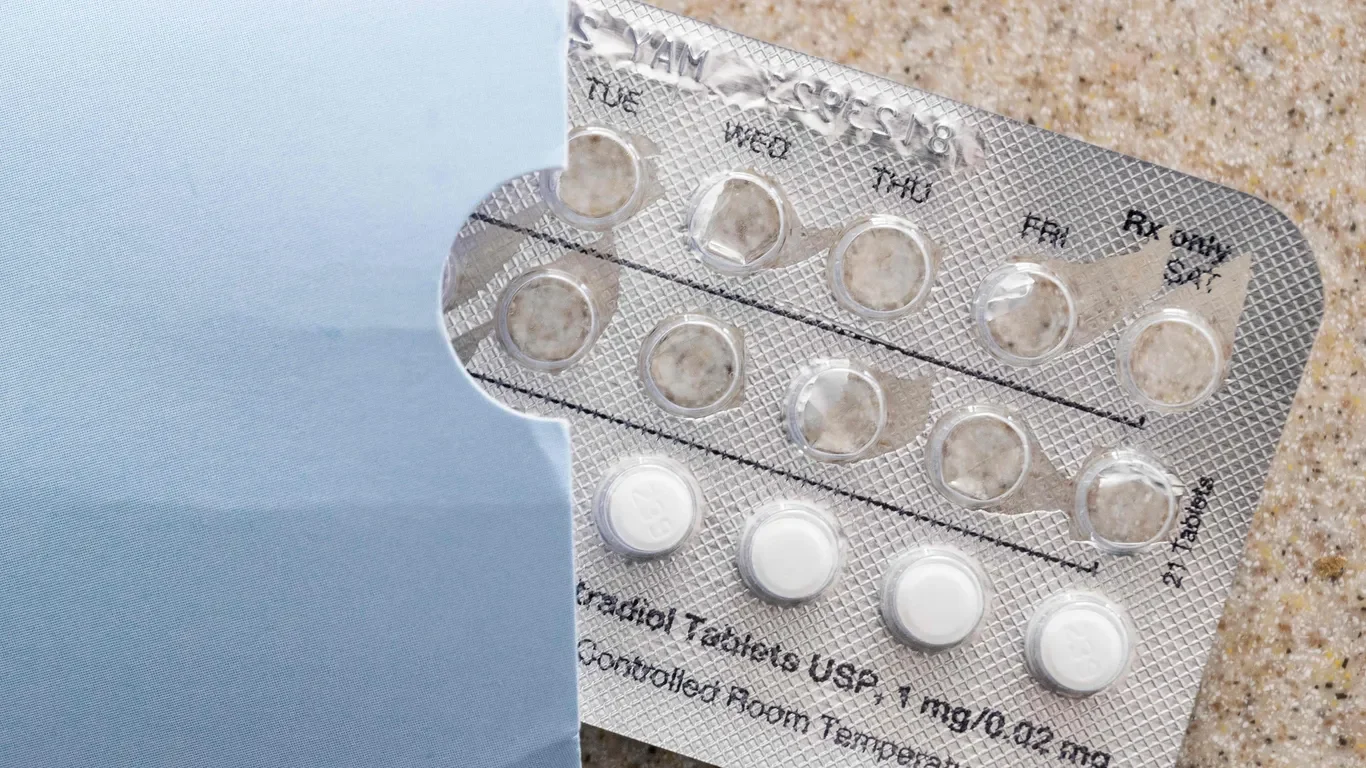
The article explores the complex relationship between GLP-1 medications like Ozempic and fertility, discussing their effects on pregnancy, birth control efficacy, and potential benefits for conditions like PCOS, while emphasizing the need for more research and compassionate patient care.
A Rice University study finds that hormonal birth control not only affects reproductive health but also influences women's emotional processing and memory, potentially impacting mental health by altering how negative experiences are remembered and managed.
A young woman in Texas stopped taking birth control pills after social media influencers advised her to do so, leading to an unplanned pregnancy and subsequent emotional and political challenges, highlighting the risks of following social media health advice without medical consultation.
Many young women are questioning their long-held beliefs about birth control after seeing social media content claiming they feel better off the pills, leading to introspection about their identity and well-being without hormonal contraception.
The Trump administration is reducing access to birth control by withholding funding from Title X and implementing policies that limit reproductive health services, sparking lawsuits and concerns over the impact on low-income and vulnerable populations.
Dr. Sarah Hill, a psychologist at Texas Christian University, highlights a trend of declining sexual activity among college students, with more graduating as virgins. She attributes this to factors like gender imbalances in college enrollment, where women significantly outnumber men, making it harder for women to find partners of similar educational attainment. Additionally, hormonal birth control is noted to dampen women's libido by altering hormone levels. This trend is supported by data from UCLA and other studies showing increased sexual inactivity among young adults.
The article urges individuals to update their vaccinations and stock up on essential appliances and electronics before potential policy changes under a Trump administration, which may include tariffs and restrictions on vaccines and birth control. It highlights the importance of supporting Planned Parenthood and women's shelters, emphasizing the need for community support in the face of uncertain political actions that could impact healthcare access, including abortion and contraceptive services.
The re-election of Donald Trump has raised concerns about potential changes to birth control access in the U.S., given his past administration's efforts to allow employers to opt out of providing contraceptive coverage. While Trump has stated he does not support restrictions on birth control, his comments and the current political landscape, including a Republican-controlled Senate, have led to uncertainty. Trump's ability to influence birth control policy includes potential rollbacks of Biden-era protections and appointing Supreme Court justices who could impact reproductive rights.
Republican lawmakers in several states are blocking or attempting to restrict access to birth control by falsely equating it with abortion, despite scientific evidence to the contrary. This has led to internal tensions within the party and public misinformation, while Democrats seek to capitalize on the issue ahead of elections.
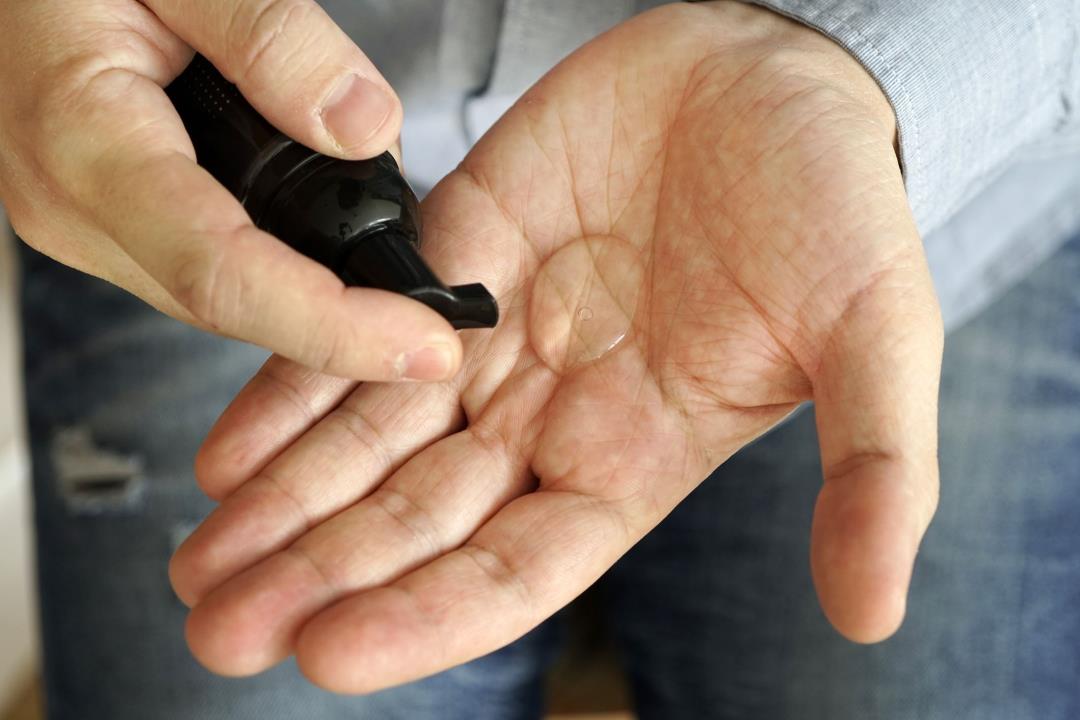
A new birth control gel for men, NES/T, shows promising results in a phase 2 trial, effectively reducing sperm counts with minimal side effects. Applied daily to the shoulders, the gel combines nestorone and testosterone to block sperm production while maintaining stable hormone levels. Researchers are optimistic about its potential, with plans for further trials and possible market release by the end of the decade.
Brazilian pop star Anitta revealed on Jay Shetty's "On Purpose" podcast that she stopped using hormonal birth control due to severe side effects like hair loss, mood swings, and depression. She now uses condoms and advocates for shared responsibility in contraception. Anitta also discussed her health journey, including a mostly vegan diet, and her experience with a copper IUD exacerbating her endometriosis. She hopes to have children in the future and shared insights on her personal and professional life, including performing with Madonna.
Researchers have reported promising results for Nestron gel, a new male contraceptive that reduces sperm count without side effects. In a trial involving 222 men, 86% experienced a significant decrease in sperm count after 12 weeks of daily application. The study aims to provide a viable birth control option for men, though further research is needed to confirm its safety and effectiveness.
A study presented at the Endocrine Society's annual meeting suggests that synthetic estrogen in hormonal birth control increases anxiety-like behaviors in female rats compared to natural estrogen. This finding highlights the importance of considering estrogen type in contraceptives to manage anxiety-related side effects in women.
Ozempic and Mounjaro, drugs used for diabetes management and weight loss, are causing unexpected pregnancies, even in women who were previously infertile. These drugs, which affect the absorption of oral contraceptives and improve ovulation, have led to numerous reports of pregnancies on social media and confirmed cases by doctors. While these "miracle pregnancies" bring joy to some, they pose risks and uncertainties for others, especially regarding the health of pregnant women and their unborn babies. Experts advise women to use alternative birth control methods and consult healthcare providers if they become pregnant while on these medications.
A generic high blood pressure drug, spironolactone, has become the most commonly prescribed oral medication for treating acne in women, surpassing antibiotics and birth control pills. This shift is influenced by guidelines to limit antibiotic use to combat drug resistance and growing evidence supporting spironolactone's safety and effectiveness. The rise in IUD use, which can lead to increased acne, also contributes to this trend.