Tag

Eye Safety

All articles tagged with #eye safety

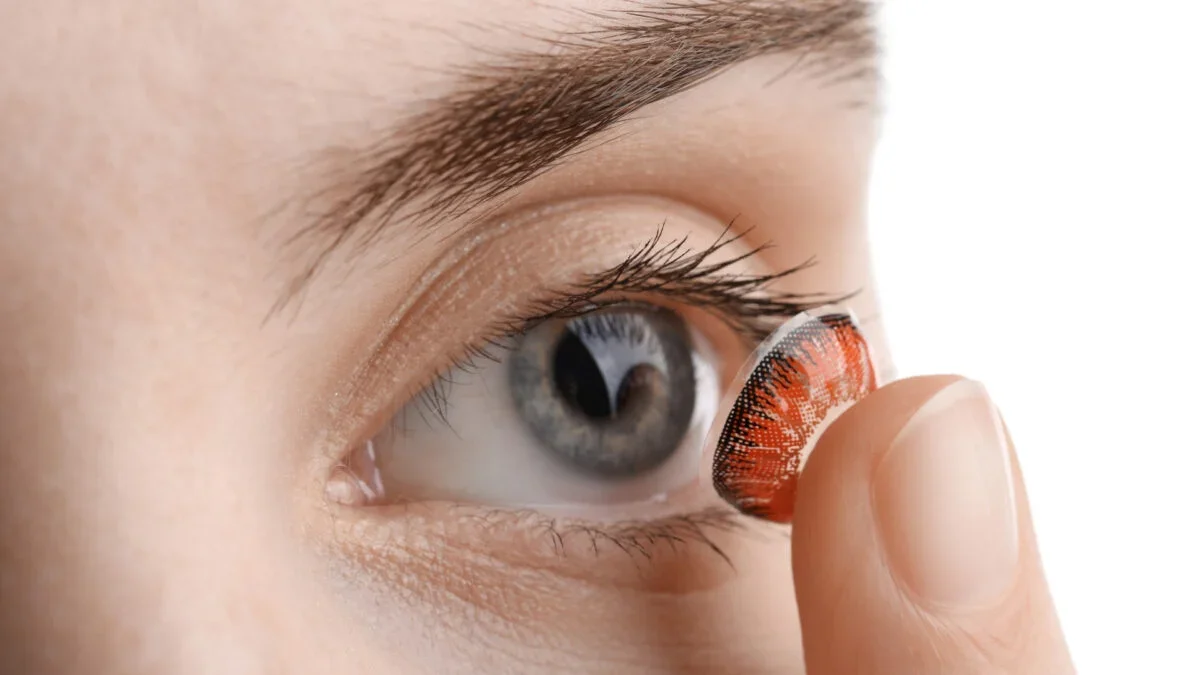
Halloween Costume Contact Lenses: Safety Tips to Prevent Eye Injuries

Originally Published 2 months ago — by Gizmodo

Featured image for Halloween Costume Contact Lenses: Safety Tips to Prevent Eye Injuries
Source: Gizmodo

Novelty contact lenses can enhance Halloween costumes but pose serious risks like infections and eye damage if not purchased and used safely. It's recommended to buy from reputable sources, preferably with a prescription, and to follow proper hygiene practices to avoid eye injuries or vision problems.
Eye Doctors Urge You to Avoid These 9 Harmful Habits

Originally Published 5 months ago — by BuzzFeed

Featured image for Eye Doctors Urge You to Avoid These 9 Harmful Habits
Source: BuzzFeed

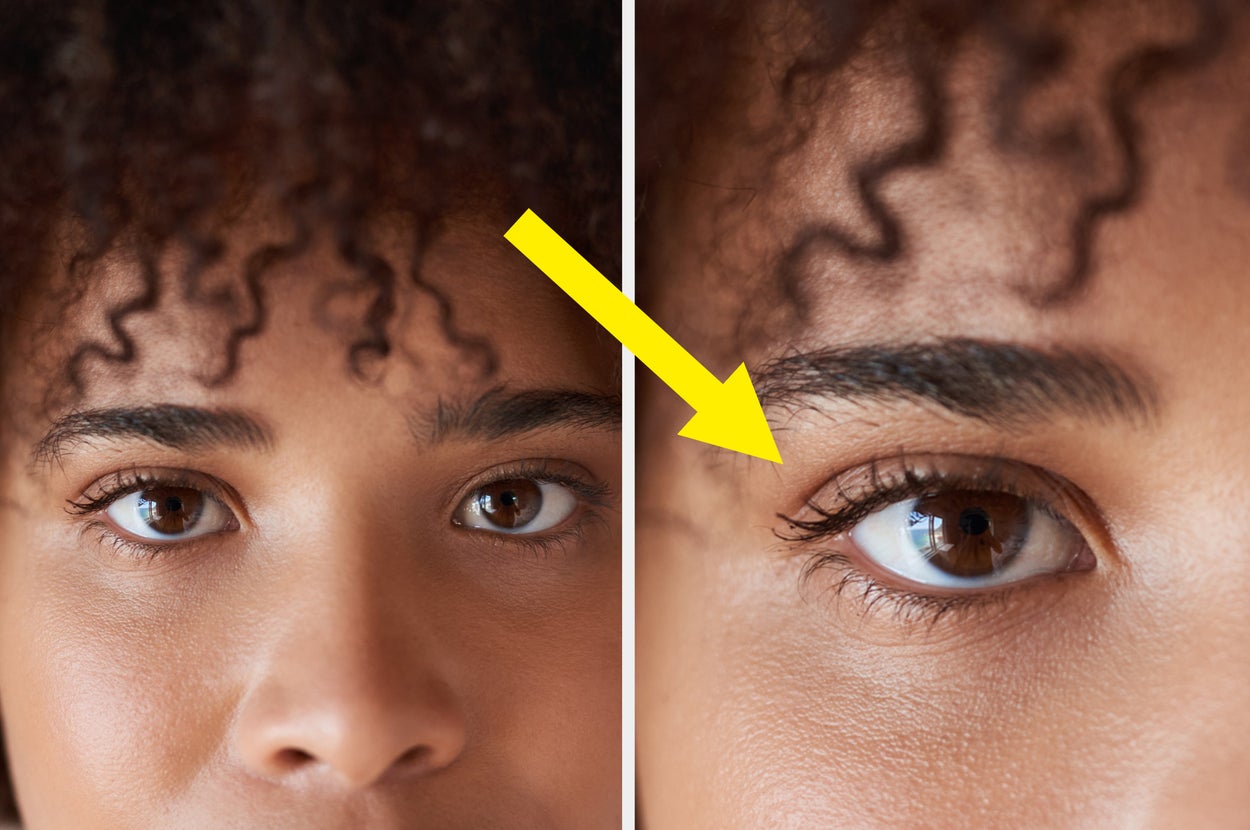
Eye doctors recommend avoiding sleeping in contact lenses, ignoring eye exams, staring at screens without breaks, ignoring sudden vision changes, leaving makeup on overnight, looking directly at the sun, smoking or vaping, rinsing contacts with tap water, eating an unbalanced diet, and neglecting eye lubrication to maintain healthy eyes and prevent serious issues as we age.

Optometrist Warns Against Using This Common Eye Product

Originally Published 6 months ago — by BuzzFeed

Featured image for Optometrist Warns Against Using This Common Eye Product
Source: BuzzFeed

Eye care professionals warn against using eye-whitening or red-eye relieving drops, as they can mask serious underlying conditions, cause rebound redness, and lead to dependency. Instead, they recommend using preservative-free artificial tears and consulting an eye doctor for persistent redness to ensure proper diagnosis and treatment.

"Preparing for the Next Solar Eclipse: Streaming Recap and 2024/2026 Viewing Locations"

Originally Published 1 year ago — by CNET

Featured image for "Preparing for the Next Solar Eclipse: Streaming Recap and 2024/2026 Viewing Locations"
Source: CNET

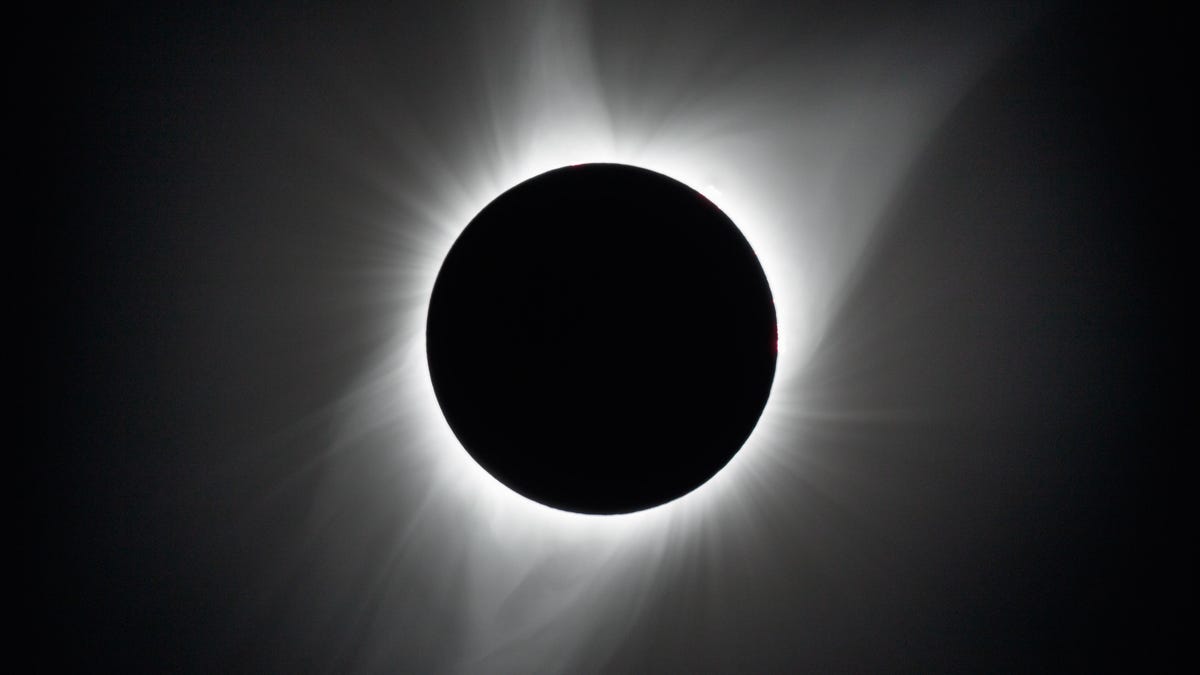
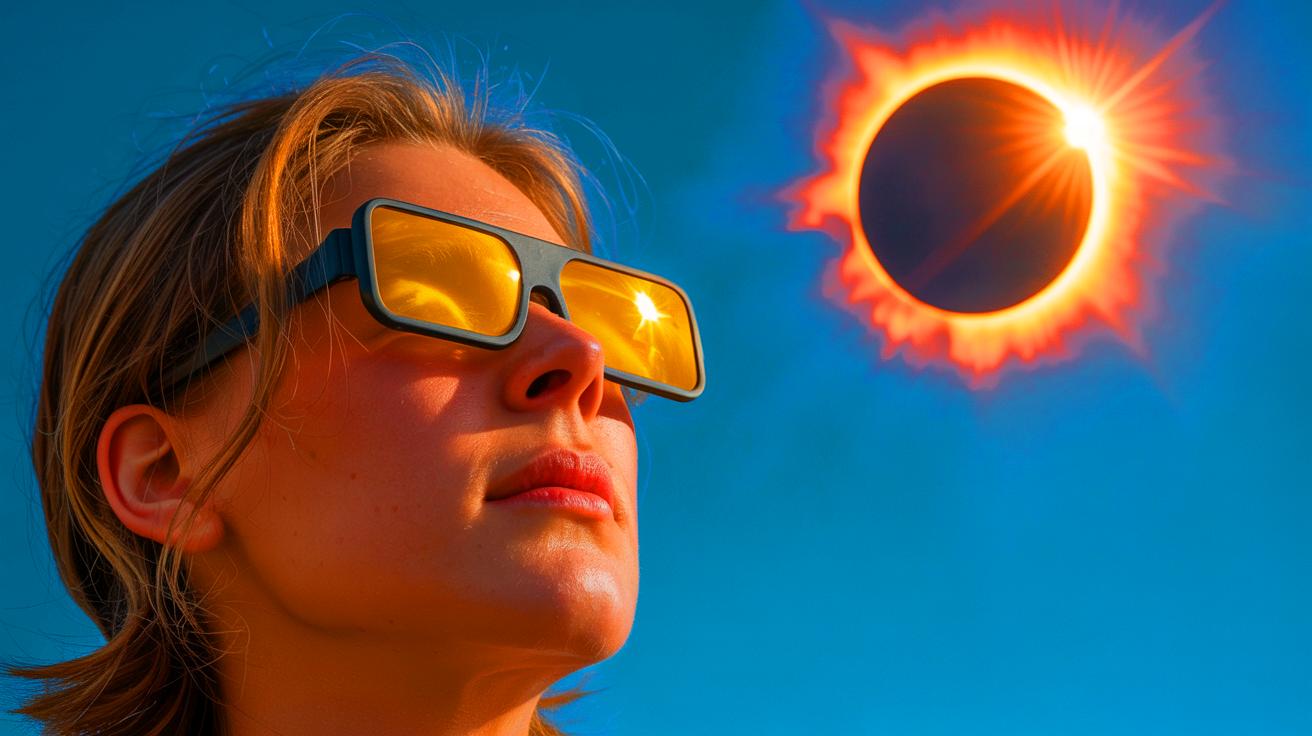
The recent total solar eclipse was the last visible over North America for 20 years, but there are upcoming eclipses worldwide. NASA hosted a live stream of the event, and the next total solar eclipse over North America will occur in 2024. Eye safety is crucial when viewing eclipses, and indirect viewing methods or certified solar filters for cameras are recommended. Additionally, a new app called Solar Snap can help protect eyes and take better eclipse photos on smartphones.

"South Jersey Library Issues Apology for Distributing Suspect Eclipse Glasses"

Originally Published 1 year ago — by PhillyVoice.com

Featured image for "South Jersey Library Issues Apology for Distributing Suspect Eclipse Glasses"
Source: PhillyVoice.com

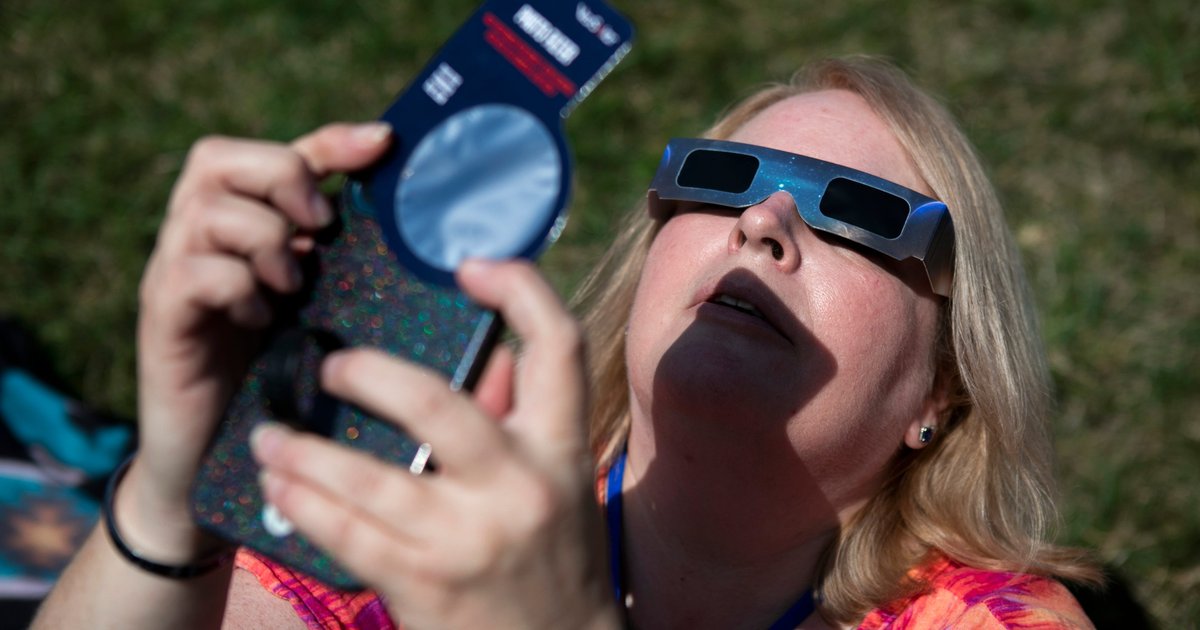
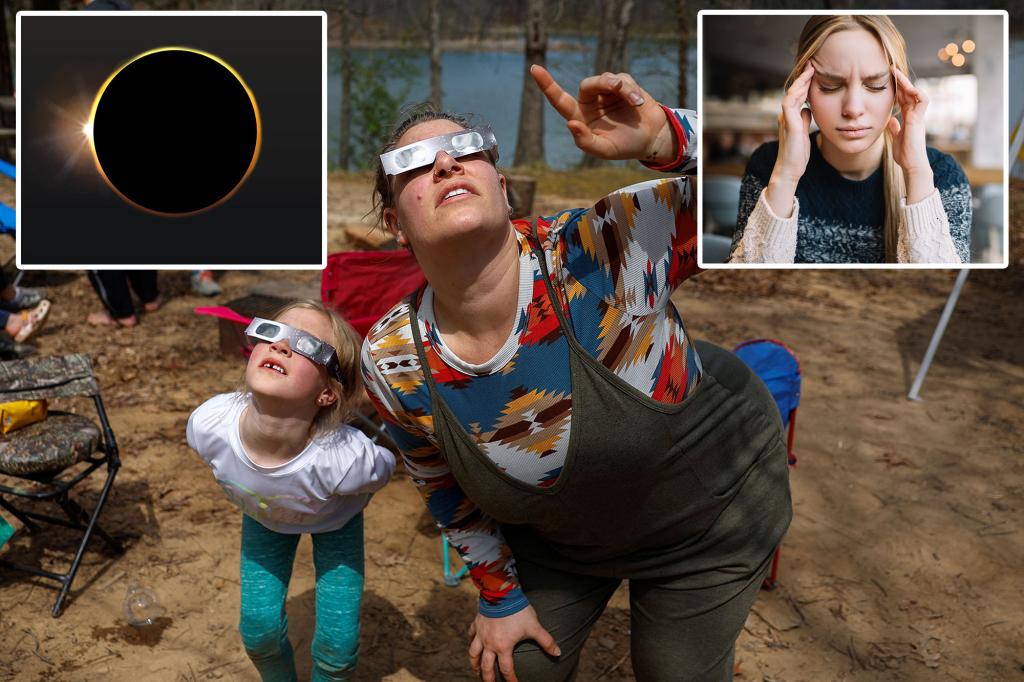
The Moorestown Library in South Jersey apologized for possibly distributing counterfeit solar eclipse glasses purchased from Walmart.com, warning against their use and advising people to check the authenticity of their glasses. The American Astronomical Society had previously warned about the likelihood of fake glasses being distributed for the eclipse. Symptoms of possible eye damage from the eclipse include distorted vision, changes in color perception, blurred vision, and headaches. It's important to ensure the authenticity of eclipse glasses to avoid potential eye damage.

"Rising Concerns: Eye Safety and Google Searches After the Solar Eclipse"

Originally Published 1 year ago — by IFLScience

Featured image for "Rising Concerns: Eye Safety and Google Searches After the Solar Eclipse"
Source: IFLScience

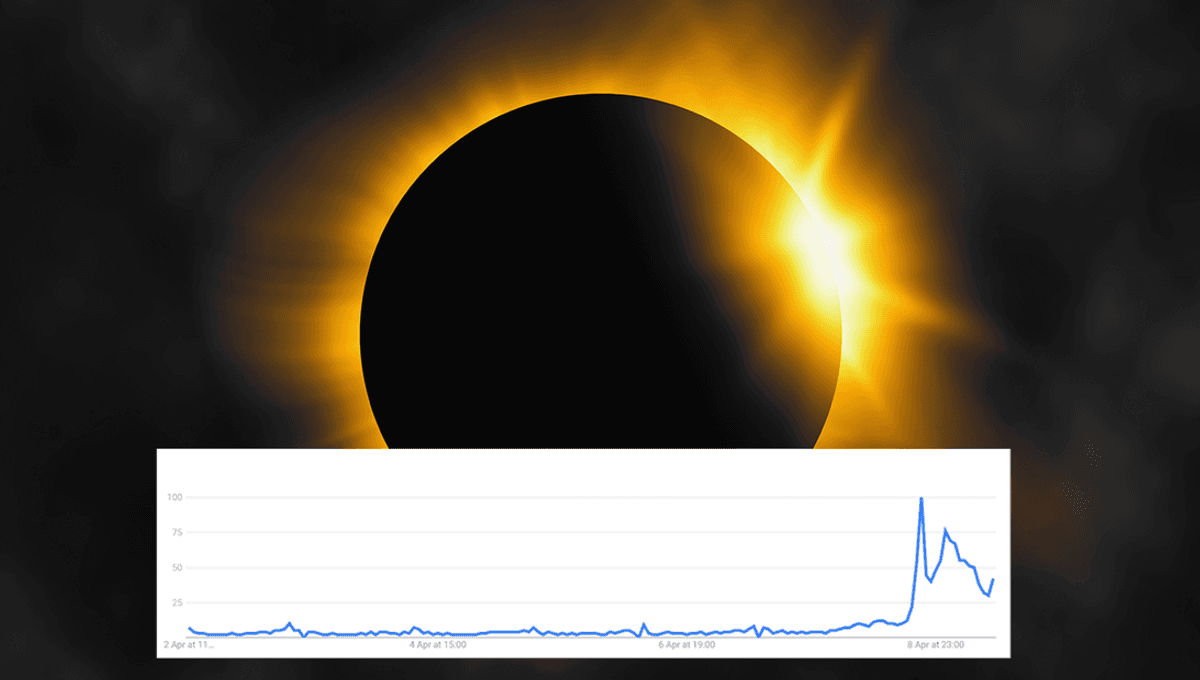
Following the recent total solar eclipse in North America, there was a concerning spike in Google searches related to eye pain, indicating that many people may have looked directly at the Sun without proper eye protection. Terms such as "my eyes hurt" and related phrases surged during the eclipse, particularly along the path of totality. The article advises individuals who experienced eye discomfort after viewing the eclipse to seek medical attention, as direct exposure to the Sun can potentially cause retinal damage.

"Eclipse Eye Safety: Understanding Symptoms and Risks"

Originally Published 1 year ago — by NBC News

Featured image for "Eclipse Eye Safety: Understanding Symptoms and Risks"
Source: NBC News

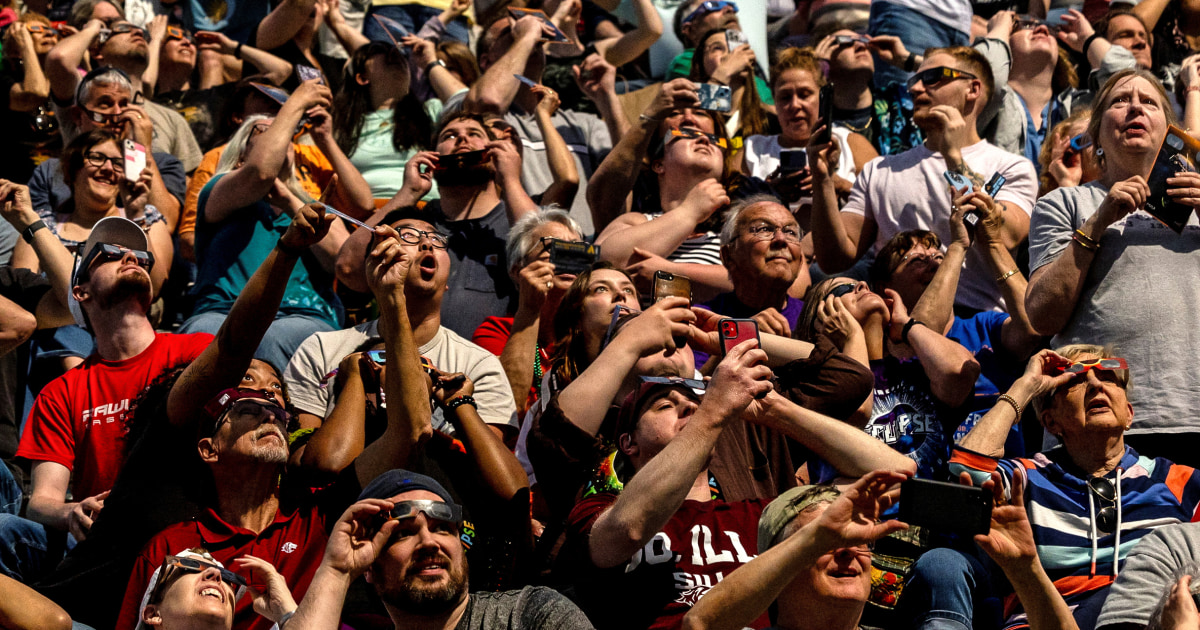
Concerns about eye discomfort have risen following the solar eclipse, with Google searches about "hurt eyes" spiking after the event. Eye experts warn that looking at the sun without protection can cause vision damage, including solar retinopathy, which may not cause immediate pain. Symptoms of solar retinopathy, such as blind spots or blurry vision, should prompt immediate medical attention. While cases of long-term damage after eclipses are rare, it only takes a few seconds of unprotected sun gazing to cause harm, emphasizing the importance of eye safety during such events.

"Maximize Your Solar Eclipse Experience: Recycle Glasses and Follow the Path of Totality in 2024"

Originally Published 1 year ago — by NPR

Featured image for "Maximize Your Solar Eclipse Experience: Recycle Glasses and Follow the Path of Totality in 2024"
Source: NPR

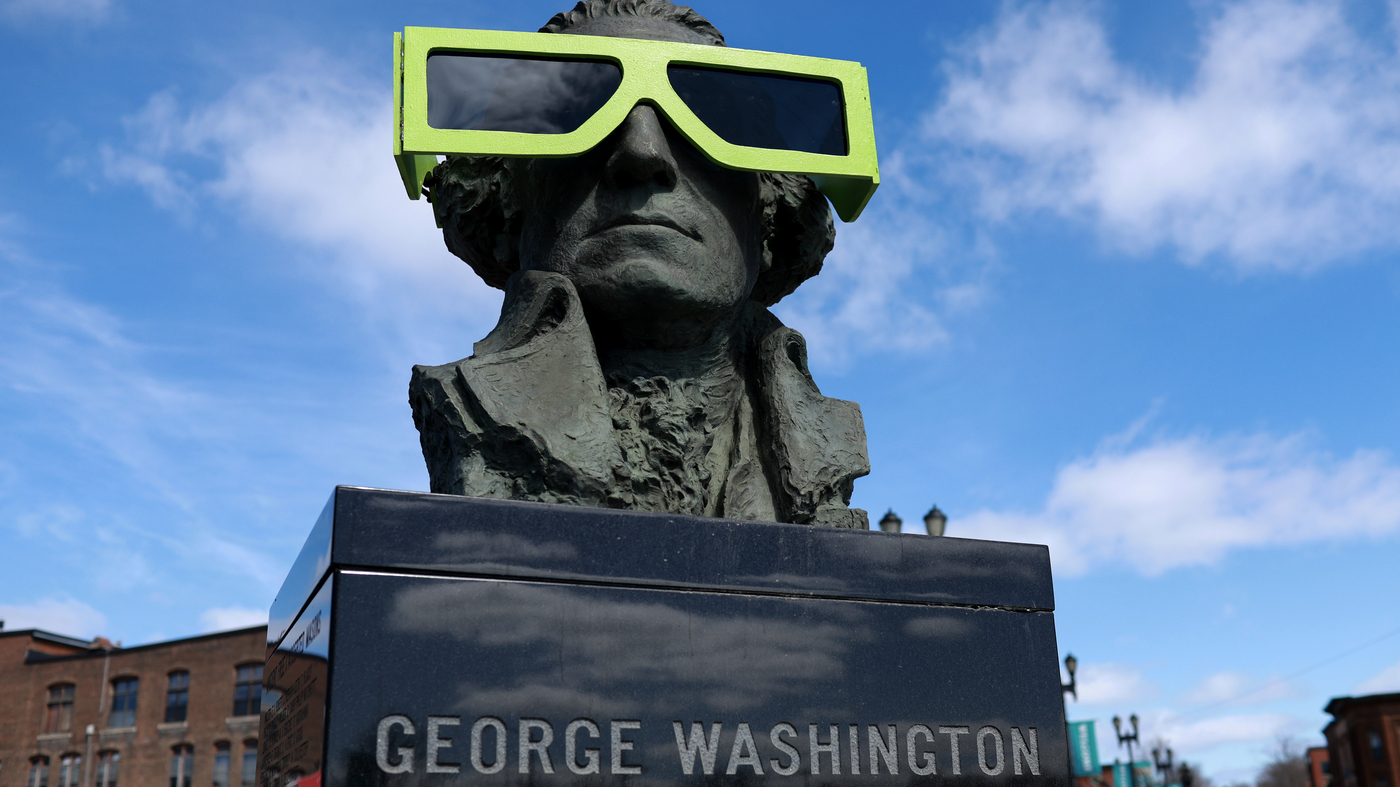
If you're wondering what to do with your solar eclipse glasses now that the event has passed, consider donating them to Astronomers Without Borders, a nonprofit organization collecting glasses to distribute around the world for future eclipses. Most glasses shouldn't be used if they're more than three years old, and it will be decades before they're needed again in the U.S. Worried about eclipse damage to your eyes? Don't panic, and consider donating your glasses for others to use during their next opportunity in the path of an eclipse.

"Safe Viewing: How to Photograph and Watch a Solar Eclipse Without Damaging Your Eyes"

Originally Published 1 year ago — by MLive.com

Featured image for "Safe Viewing: How to Photograph and Watch a Solar Eclipse Without Damaging Your Eyes"
Source: MLive.com

NASA warns against using regular devices to take pictures or view the sun during the solar eclipse, as their lenses require special filters to avoid eye injury. Looking at the sun through cameras, cellphones, or other devices without proper protection can cause serious harm to both eyes and equipment. Instead, NASA suggests using eclipse glasses over a cellphone's lens to capture the event safely.

"Recalled Solar Eclipse Glasses: How to Safely View the Eclipse Without Them"

Originally Published 1 year ago — by WLS-TV

Featured image for "Recalled Solar Eclipse Glasses: How to Safely View the Eclipse Without Them"
Source: WLS-TV

The Illinois Department of Public Health has issued a warning to check solar eclipse glasses after some were recalled for potentially not meeting safety standards. The recalled glasses, sold through Amazon and various Southern Illinois retail establishments, are labeled as "EN ISO 12312-1:2022" instead of the proper safety designation of 12312-2. People are urged not to use these glasses to view the upcoming solar eclipse on April 8.

"2024 Solar Eclipse: Path, Peak Times, and How to Spot Fake Glasses"

Originally Published 1 year ago — by CBS News

Featured image for "2024 Solar Eclipse: Path, Peak Times, and How to Spot Fake Glasses"
Source: CBS News

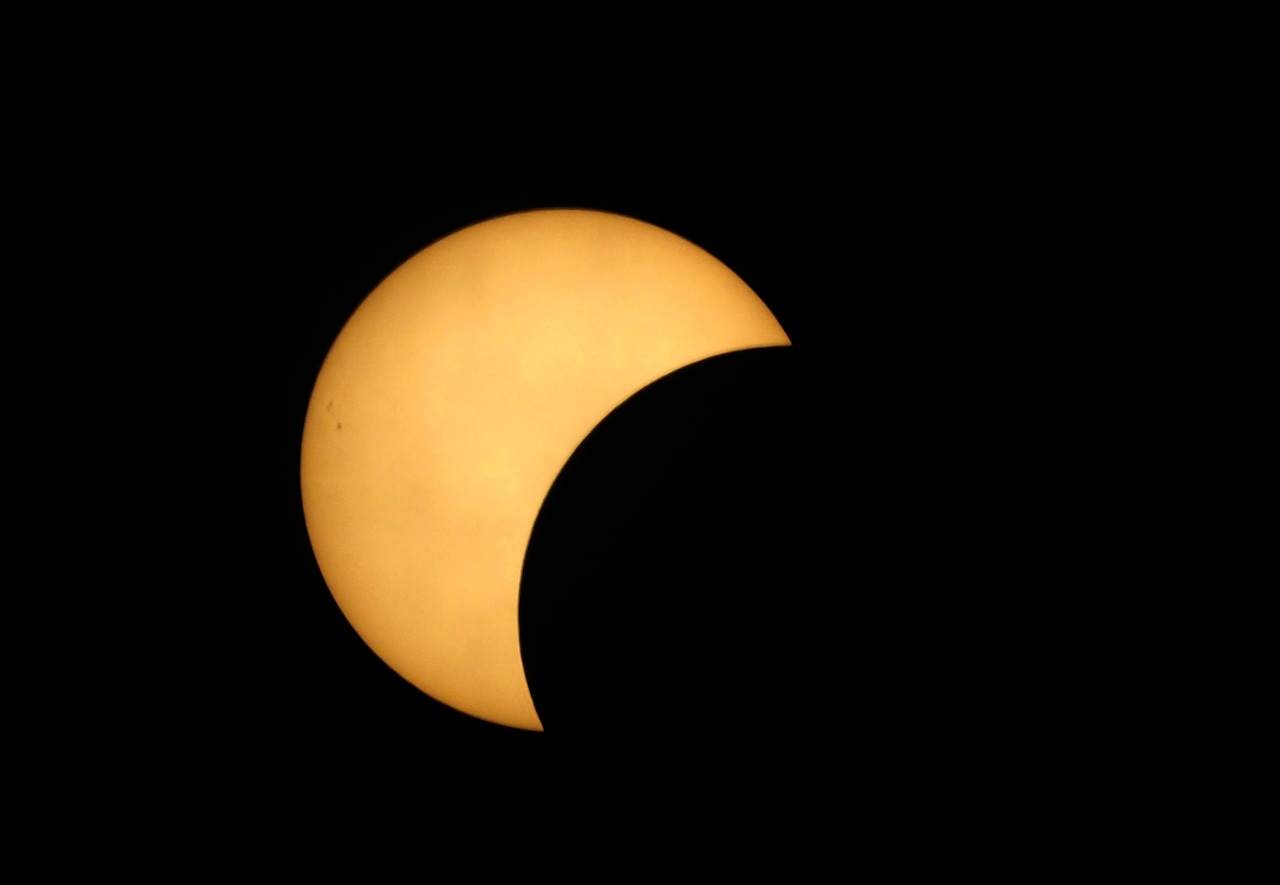
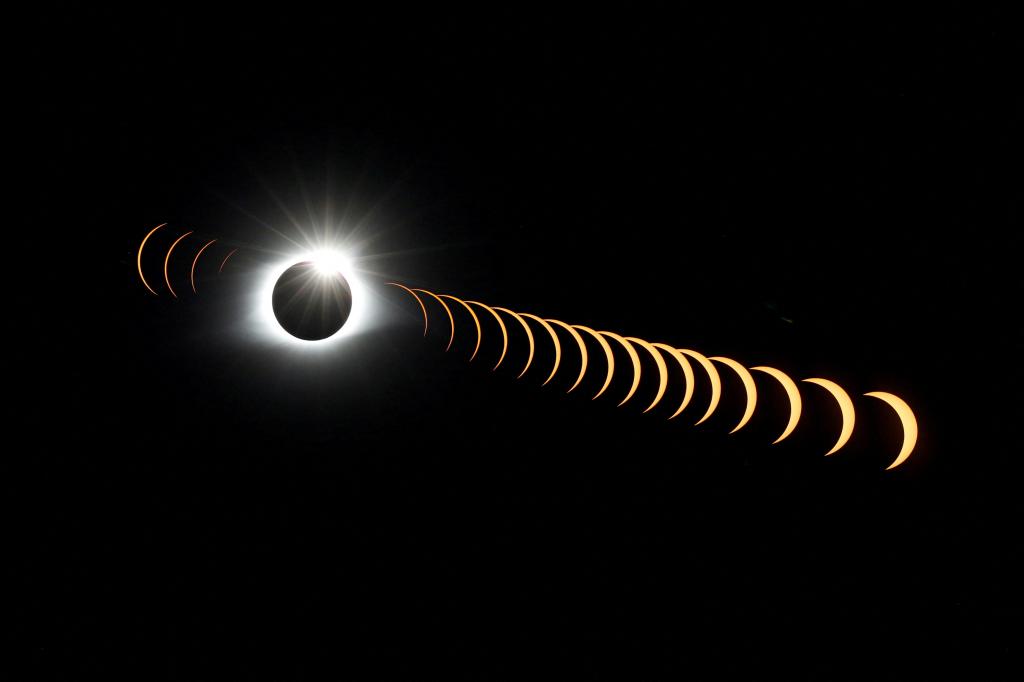
The 2024 total solar eclipse will darken U.S. skies as it travels across the country, with live coverage available from CBS News. Millions are expected to witness the eclipse, but it's crucial to use proper eye protection such as special glasses or homemade viewers. The eclipse will begin as a partial eclipse in Texas and progress to totality, with peak viewing times varying by location. Different types of solar eclipses are explained, and an estimated 31.6 million people live in the path of totality. Weather conditions may affect visibility, and live coverage will be available on CBS stations and online.

"Live Stream: Witness the Path of the 2024 Solar Eclipse Across North America"

Originally Published 1 year ago — by New York Post

Featured image for "Live Stream: Witness the Path of the 2024 Solar Eclipse Across North America"
Source: New York Post

The highly anticipated solar eclipse will journey across the United States, blocking the sun for over 180 million people in its path, including some lucky upstate New Yorkers. The eclipse will travel from Mexico’s Pacific Coast up to the coast of Newfoundland, Canada, hitting 15 US states along the way. It will last for several hours, with almost four minutes of darkness in the zone of totality, and proper eyewear is necessary to view the event safely. This will be the last time a total solar eclipse passes over a large part of the U.S. until 2044, and the next total solar eclipse visible from New York won't occur until 2079.

The Mysterious Phenomenon of Eclipse Sickness: Unraveling the Strange Symptoms

Originally Published 1 year ago — by New York Post

Featured image for The Mysterious Phenomenon of Eclipse Sickness: Unraveling the Strange Symptoms
Source: New York Post

As the solar eclipse approaches, many social media users claim to be experiencing "eclipse sickness" with symptoms like headaches, insomnia, and wonky menstrual cycles, but scientists have found no correlation between the eclipse and human health. The eclipse can be harmful to eyes, and fake eclipse glasses from China pose a risk of retinal damage. Proper eyewear is necessary to view the event safely, and the next total solar eclipse will occur on August 12, 2026.

"Staying Safe: Understanding the Dangers of Watching a Solar Eclipse Without Proper Eye Protection"

Originally Published 1 year ago — by CBS News

Featured image for "Staying Safe: Understanding the Dangers of Watching a Solar Eclipse Without Proper Eye Protection"
Source: CBS News

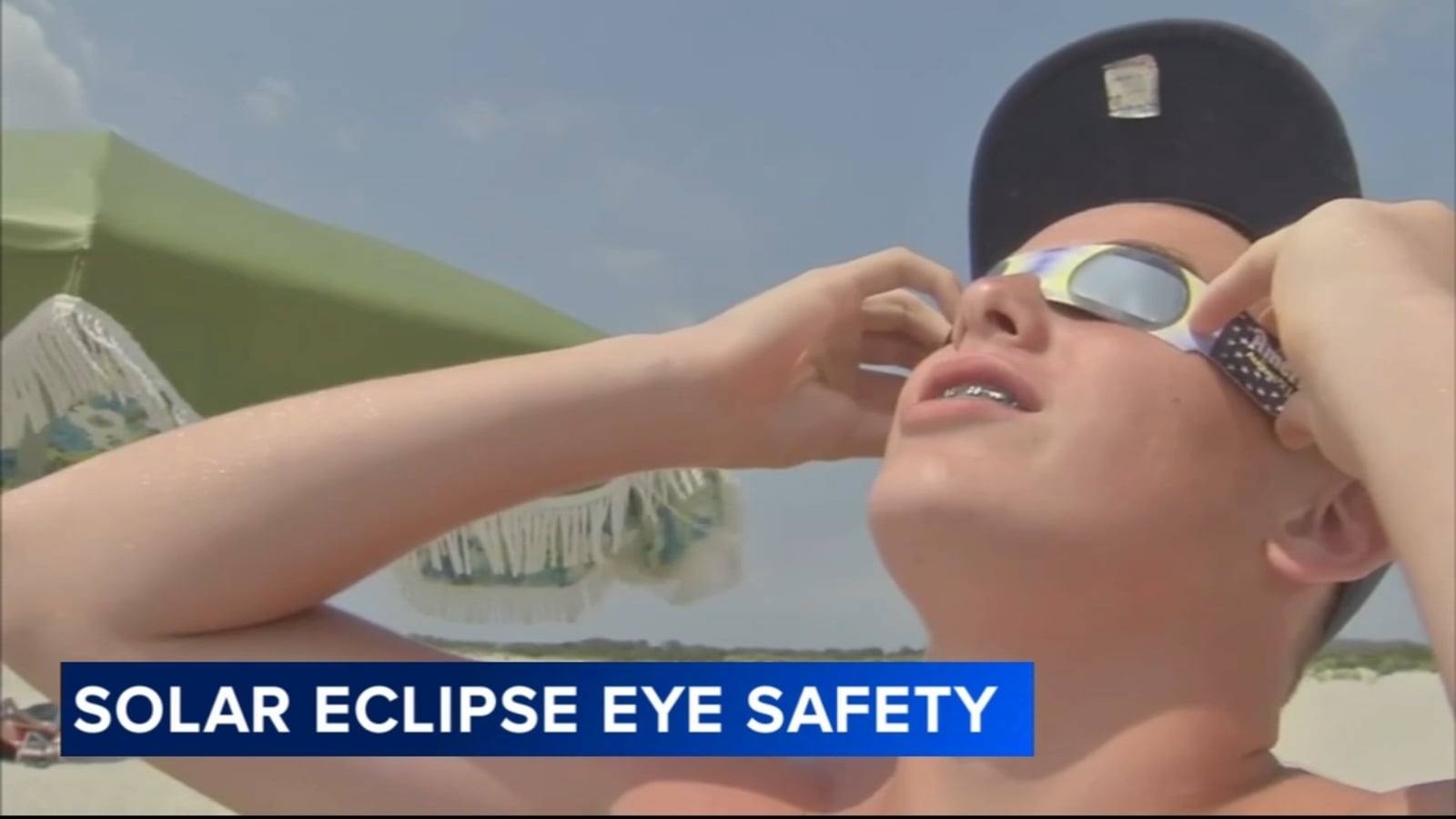
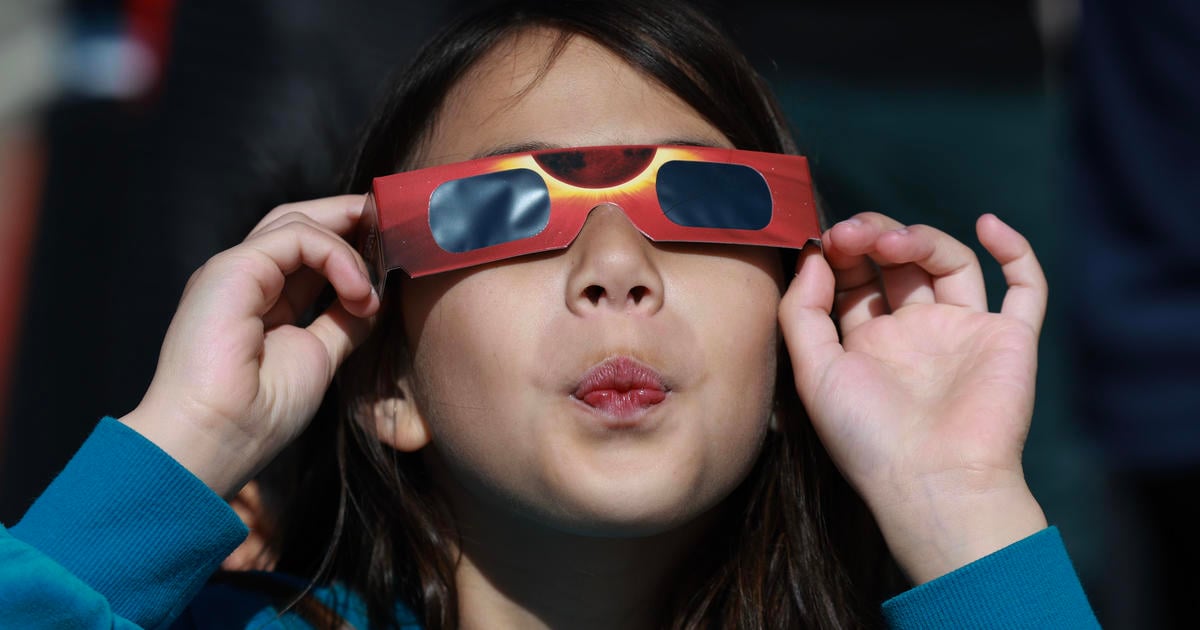
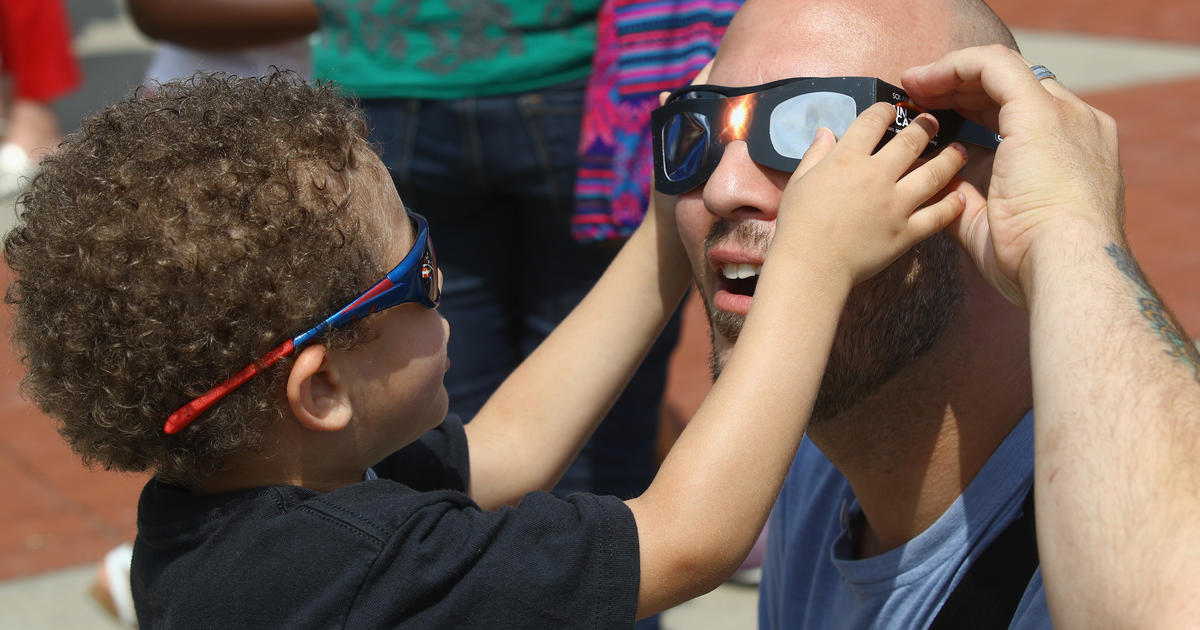
Looking directly at a solar eclipse, even when it's partially covered, can cause serious eye damage due to solar ultraviolet rays and infrared radiation. Special eclipse glasses that comply with safety standards are necessary for safe viewing, as regular sunglasses or makeshift solutions are not sufficient. Children and adults alike should take precautions to protect their eyes, as damage from viewing an eclipse without proper protection can be permanent. Symptoms of eye damage include headaches, blurred vision, and changes in color perception, and there is currently no treatment for solar retinopathy.