Tag

Disinfection

All articles tagged with #disinfection

health27 days ago

Rising Norovirus and Illnesses Prompt Health Alerts in California

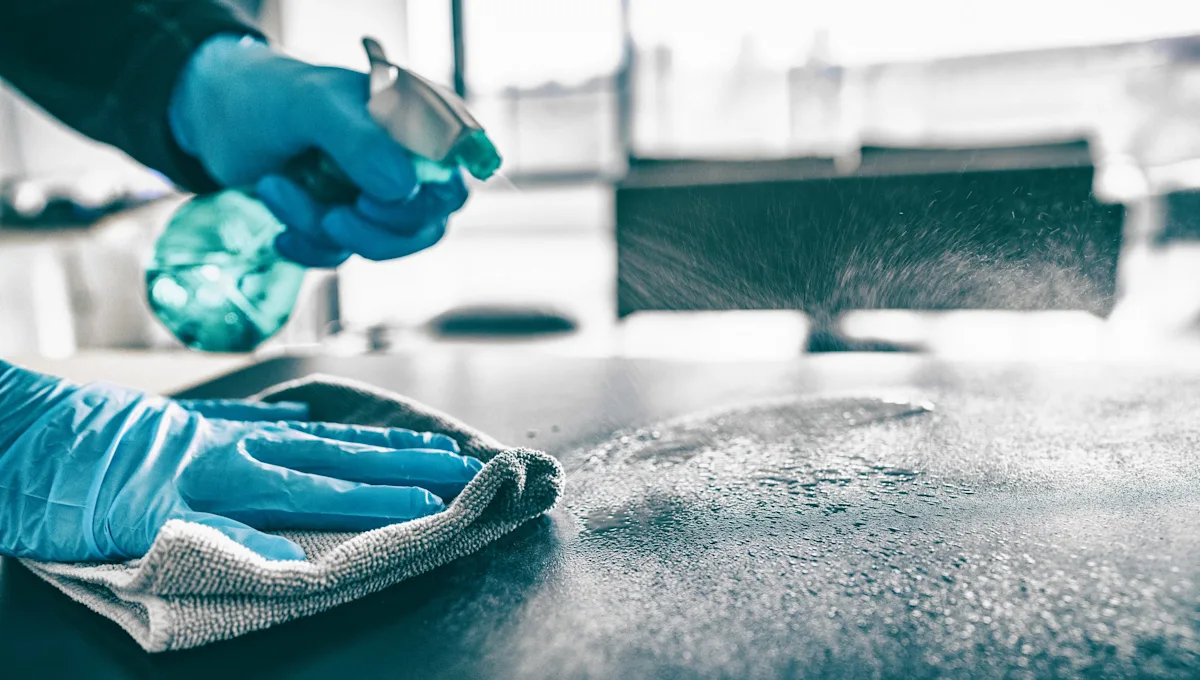
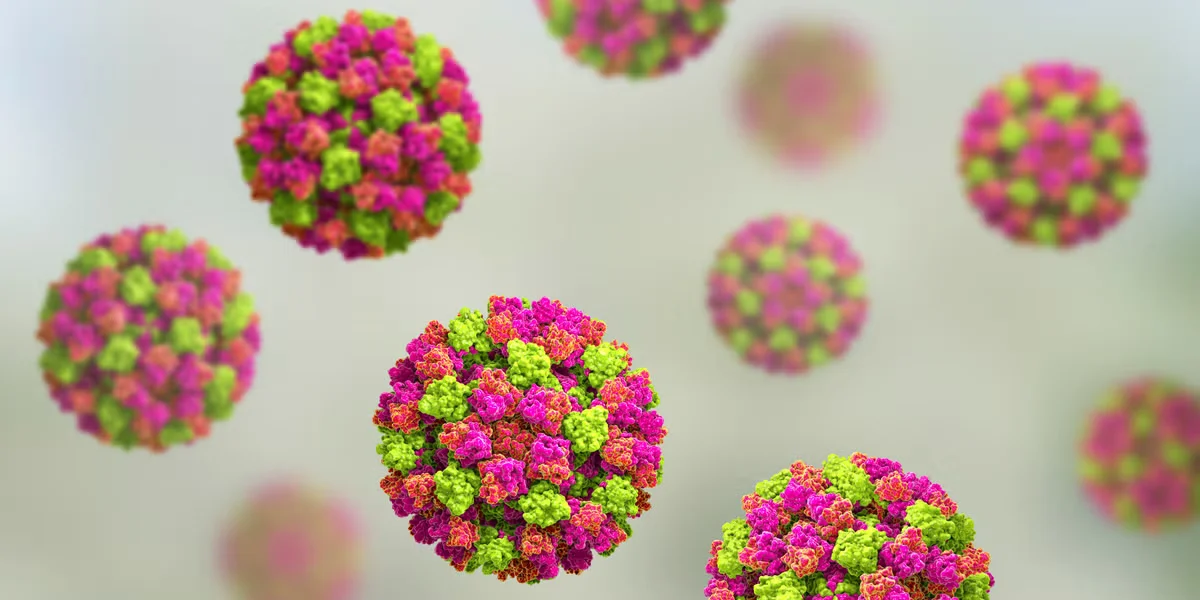
Norovirus, a highly contagious stomach virus, is spreading more during the winter season. To disinfect after exposure, use a chlorine bleach solution or EPA-approved disinfectant, leave it on surfaces for at least five minutes, wear gloves, and wash laundry and hands thoroughly. Proper cleaning helps prevent the spread of the virus, which can linger up to two weeks after symptoms resolve.

health1 month ago

Winter Vomiting Disease: Surge of Highly Contagious Norovirus Across U.S.

Norovirus, a highly contagious virus causing gastroenteritis, is spreading across the U.S., including California. It spreads through contaminated surfaces, food, water, and person-to-person contact. Proper cleaning with soap, water, and EPA-registered disinfectants, including bleach solutions, is essential for control. Precautions like wearing gloves and masks when cleaning and thorough laundry practices are recommended to prevent further spread.

health-and-technology5 months ago

Essential Tips for Germ-Free Phones and Devices

Phones can harbor many germs and should be cleaned regularly to prevent health risks, but using harsh chemicals can damage the device. Experts recommend using 70% isopropyl alcohol wipes and soft cloths, avoiding sprays and abrasive cleaners, and cleaning at least weekly, especially in high-risk environments, to maintain hygiene without damaging the phone.

science1 year ago

Scientists Uncover Potentially Toxic 'Phantom Chemical' in U.S. Tap Water

Researchers have identified a mysterious chemical byproduct found in the tap water of about one-third of Americans, stemming from a disinfectant used in water treatment. The study, published in Science, calls for a rapid assessment of the byproduct's potential toxicity, though it does not suggest that the water is currently unsafe to drink.

science-and-technology1 year ago

"The Case for Widespread UV Light Implementation to Combat Viruses"

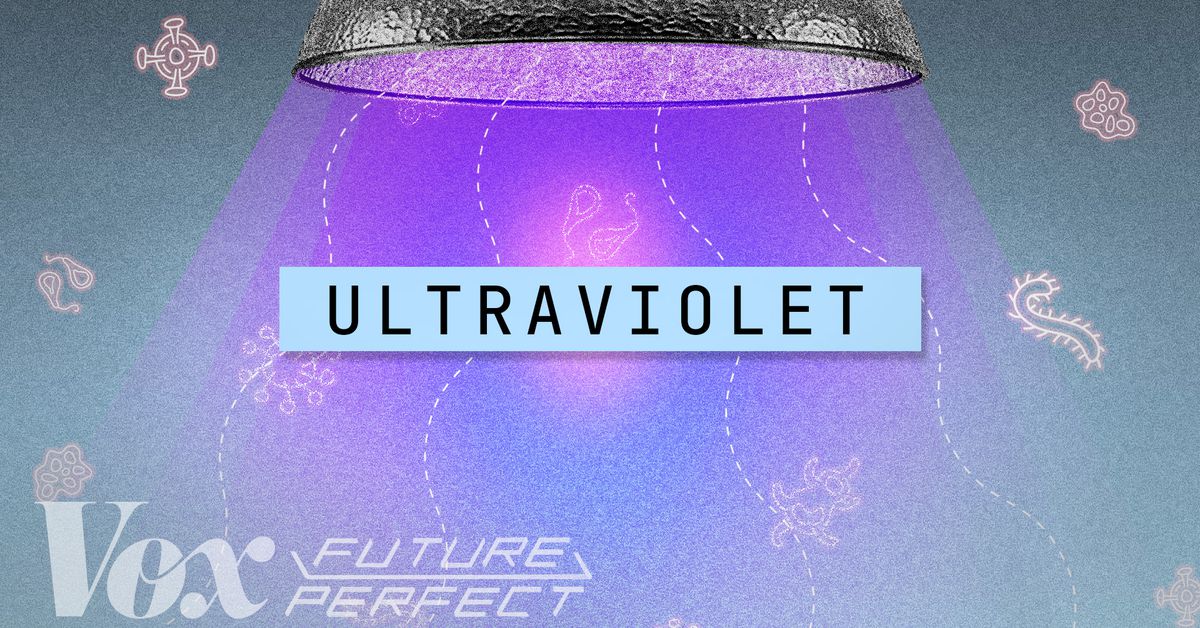
Despite its proven ability to effectively kill viruses and bacteria, ultraviolet (UV) light is not widely used as a defense against germs, likely due to its association with harmful sun rays. However, researchers have discovered a type of UV light that can effectively stop germs without penetrating human skin, offering potential as a new defense against diseases. For more information, readers can check out the full article by Dylan Matthews and subscribe to Vox’s science podcast, Unexplainable, for an upcoming related piece.

health-and-hygiene1 year ago

"The Toilet Lid Debate: Does It Really Matter for Flushing?"

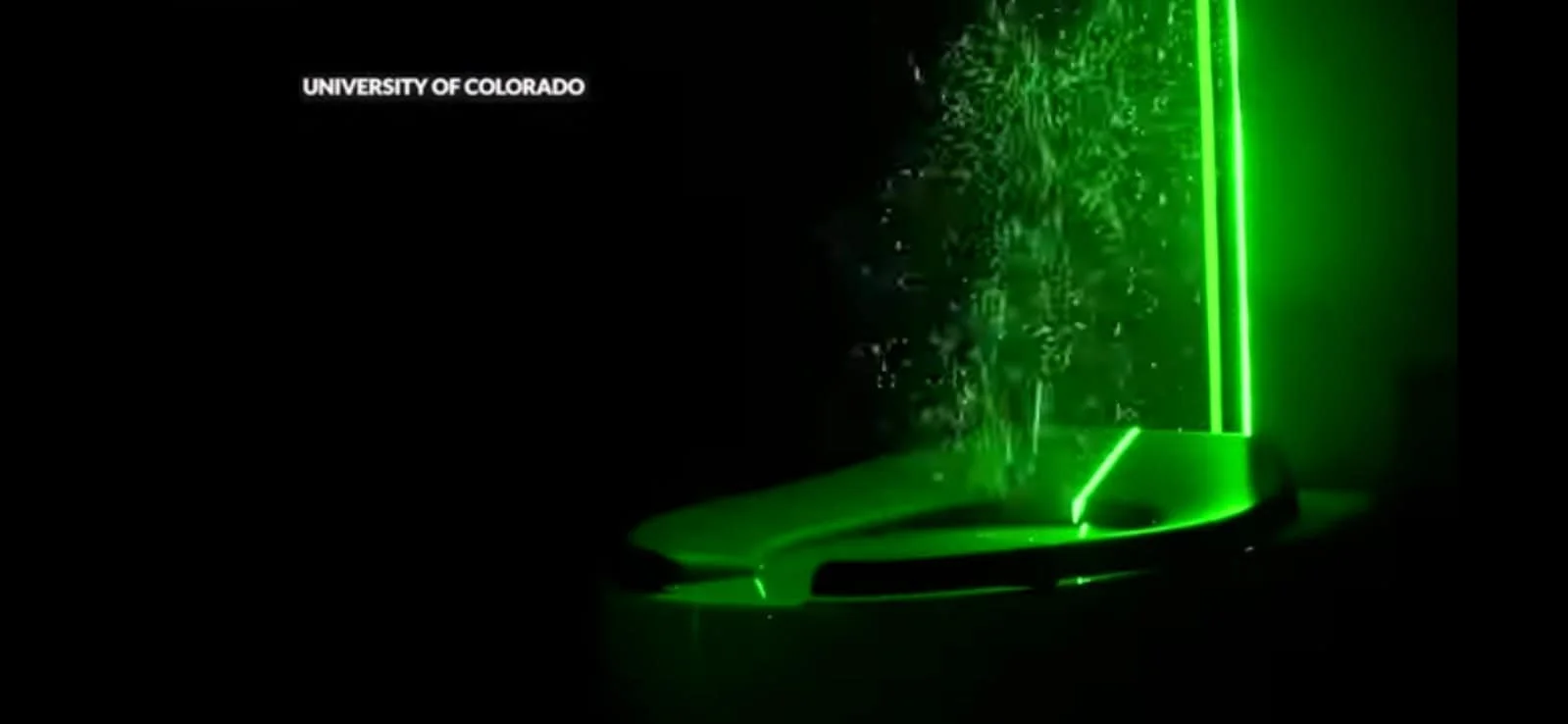
Researchers from the University of Arizona and Reckitt Benckiser found that closing the lid on a toilet does not prevent the spread of aerosolised germs, suggesting that regular disinfection of toilets is crucial to reduce contamination and prevent the spread of viruses. Their study, published in the American Journal of Infection Control, tested viral particles in residential and public toilets, concluding that while a closed lid led to elevated contamination levels in certain areas, it did not significantly impact the spread of viral particles. The research emphasizes the importance of using disinfectants and scrub brushes to prevent the spread of viral pathogens in bathrooms.

home-and-lifestyle2 years ago

Choosing the Best Cleaning Agent: Hydrogen Peroxide or Rubbing Alcohol?

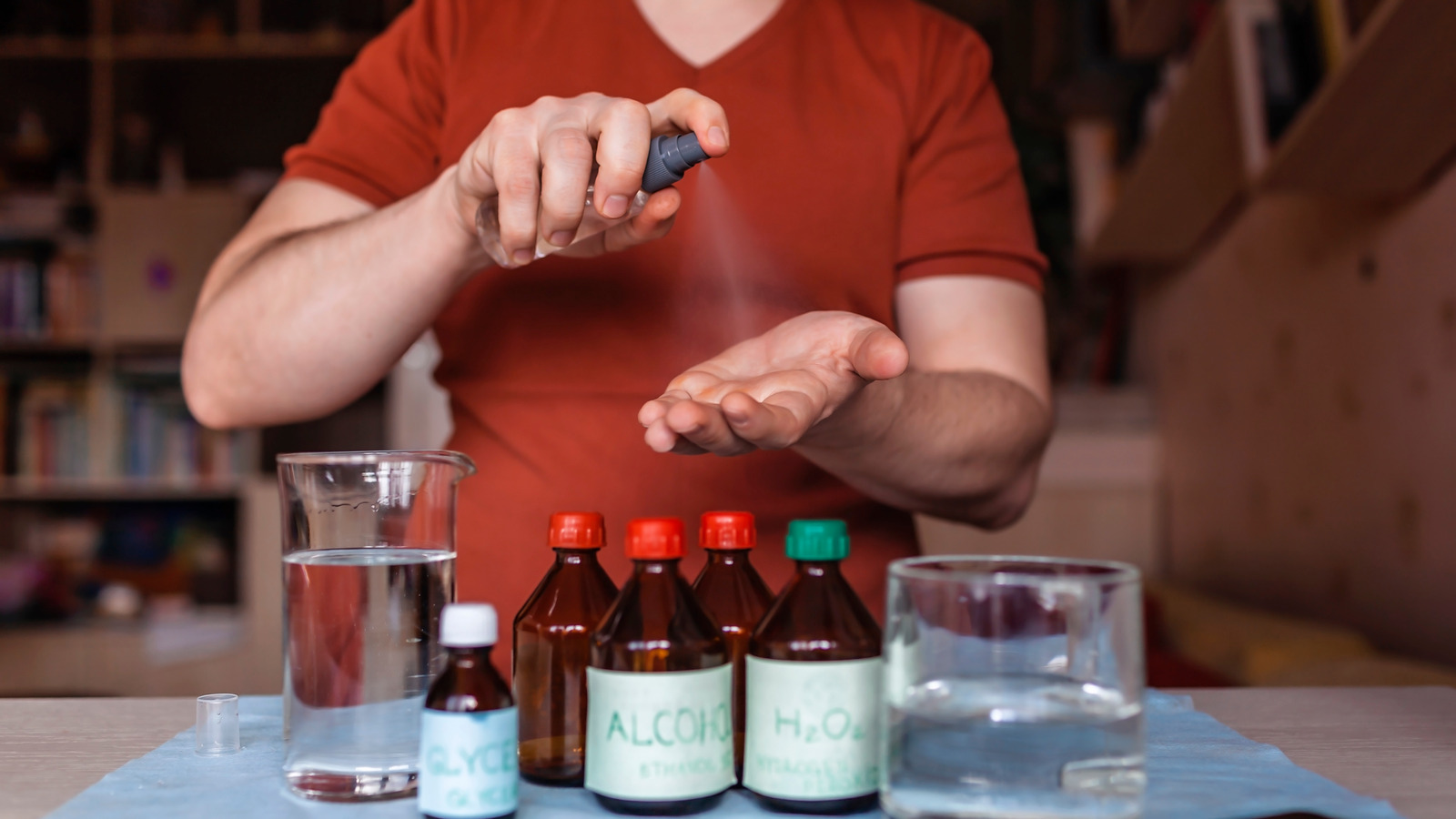
Hydrogen peroxide and rubbing alcohol are both effective cleaning agents, but hydrogen peroxide emerges as the superior choice due to its broad-spectrum efficacy against viruses, bacteria, and fungi, as well as its versatility in various cleaning tasks. Rubbing alcohol excels at dissolving oils and sanitizing surfaces, but its germicidal spectrum is narrower. However, the choice between the two depends on the specific cleaning task at hand.

health2 years ago

Preventing the Common Cold: 5 Effective Strategies

To prevent catching a cold, experts recommend washing hands frequently, disinfecting high-touch surfaces, getting enough sleep, practicing healthy habits, and considering wearing a mask, especially in crowded spaces. While supplements like zinc, vitamin C, and probiotics are commonly used, there is limited scientific evidence to support their effectiveness. It's important to consult a doctor before trying any new supplements. If symptoms worsen or if there are underlying health conditions, it's advisable to seek medical care. Ultimately, a cold will run its course and does not require specific medication or antibiotics.

science-and-health2 years ago

Unraveling the Mystery: Why Bacteria Can't Develop Resistance to Bleach

While bacteria can evolve resistance to antibiotics, they do not develop resistance to bleach due to its indiscriminate destruction of cells. Antibiotics target specific systems, allowing bacteria to find ways around them, whereas bleach chemically dismantles any protein or lipid structures in cells, making it highly effective for disinfection. However, its indiscriminate nature also makes it harmful to human cells and unsuitable for treating infections.

health2 years ago

"Stay Healthy and Cold-Free: Effective Ways to Inactivate Common Cold Viruses"

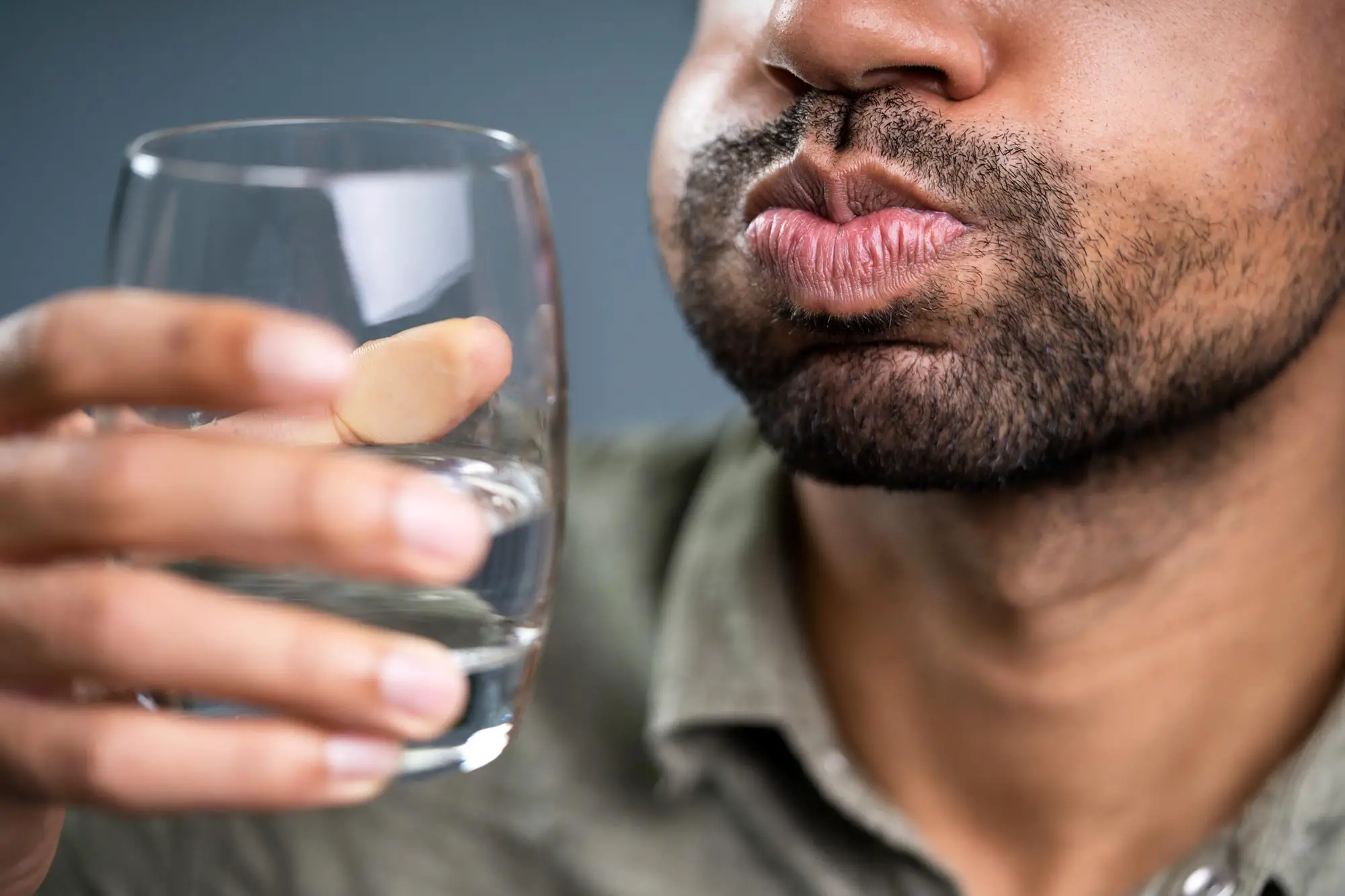
Researchers from Ruhr University Bochum have found that alcohol-based hand sanitizers and surface disinfectants effectively protect against the transmission of respiratory syncytial viruses (RSV) on surfaces. The study also revealed that rinsing the mouth with mouthwash for 30 seconds can reduce the amount of RSV virus to undetectable levels. These findings suggest that regular disinfection, handwashing, proper coughing and sneezing etiquette, and maintaining distance from others when experiencing symptoms can actively prevent the spread of RSV and other common cold viruses.

health2 years ago

Lancaster County Prison Takes Action to Combat Legionnaires' Outbreak

Trace amounts of Legionnaires' bacteria were found in a sink at Lancaster County Prison after a person who had recently been transferred out of the prison tested positive for the disease. County officials plan to disinfect water pipes and cells at the prison. Legionnaires' disease is caused by a bacteria found in water, and infections typically occur when a person inhales water droplets containing the bacteria. No staff or inmates are currently displaying symptoms, and the individual who contracted the disease has made a full recovery. The prison will sanitize the water system, install new filters, and superheat water heaters to eliminate any remaining bacteria.

science-and-technology2 years ago

Solar-Powered Catalyst Produces Hydrogen Peroxide for Water Disinfection

Researchers at Stanford University have developed a low-cost solar-driven catalyst in the form of nano-sized particles consisting of aluminium oxide, molybdenum sulfide, copper, and iron oxide, which can generate hydrogen peroxide and hydroxy radicals when exposed to sunlight. The catalyst can eradicate Escherichia coli colonies in contaminated water after a 60-second exposure to sunlight. The catalyst is ferromagnetic and can be easily separated using a magnet, making it an attractive alternative to water purification tablets and expensive filtration systems.