A study suggests that the appearance and microbial composition of the tongue could serve as a non-invasive indicator for diagnosing and monitoring heart failure, with distinct differences observed between patients and healthy individuals.
A study found that human breathing patterns are unique enough to identify individuals with 97% accuracy using machine learning, and these patterns may also provide insights into mental and physical health, potentially aiding future diagnostic tools.
The color of your urine can provide valuable insights into your health. While a range of light to dark yellow is considered normal, other colors such as pink, red, orange, brown, green, blue, purple, and black may indicate various factors including food consumption, medications, diseases, and hydration levels. Changes in urine color that persist or have no obvious explanation should be discussed with a healthcare provider as they could be early indicators of underlying medical conditions.
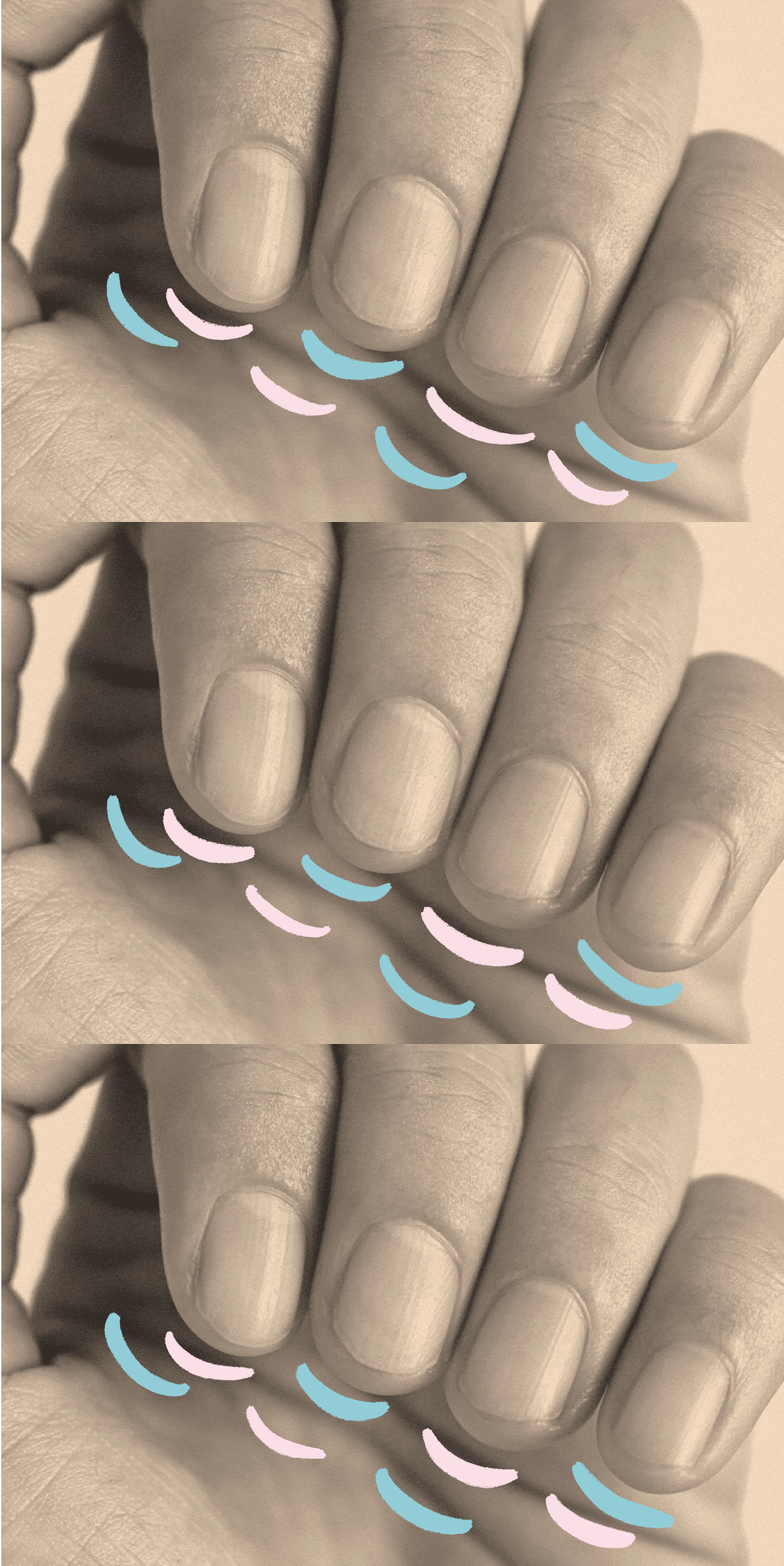
Our nails can provide valuable insights into our overall health, with various nail changes indicating underlying conditions. Examples include dark vertical streaks (splinter hemorrhages) associated with heart valve infections, horizontal ridges (Beau's lines) linked to major illnesses or chemotherapy, and pitted, discolored nails indicating nail psoriasis. Brittle nails are more common in women and older individuals, while white, yellow, or brown nails may signal a fungal infection. Half-and-half nails (Lindsay's nail) can be a sign of kidney disease. It's important to consult a healthcare provider for proper diagnosis and treatment. Additionally, certain manicure practices, such as cuticle removal, gel manicures, and biotin supplements, may have negative effects on nail health.