Tag

Color Change

All articles tagged with #color change

Scientists Investigate the Green Glow of Interstellar Comet 3I/ATLAS

Originally Published 2 months ago — by Space

Featured image for Scientists Investigate the Green Glow of Interstellar Comet 3I/ATLAS
Source: Space

Comet 3I/ATLAS, the third known interstellar visitor to our solar system, has not actually changed color; it only appeared to do so once when its gas coma became bright earlier this year. Despite media reports suggesting multiple color changes, scientists clarify that the comet's appearance has remained consistent, with its blue-green coma visible since early September. The comet continues to be a fascinating object for observation and study as it passes through our cosmic neighborhood, with closest approach to Earth on December 19.

Interstellar Object 3I/ATLAS Exhibits Color Changes and Non-Gravitational Acceleration

Originally Published 2 months ago — by IFLScience

Featured image for Interstellar Object 3I/ATLAS Exhibits Color Changes and Non-Gravitational Acceleration
Source: IFLScience

Astronomers studying interstellar comet 3I/ATLAS have observed it changing color, brightening significantly, and showing signs of non-gravitational acceleration as it approached perihelion, indicating unusual cometary behavior and mass loss, with many aspects still to be understood.

Blue Sharks Use Nanotech to Change Color and Camouflage

Originally Published 6 months ago — by SciTechDaily

Featured image for Blue Sharks Use Nanotech to Change Color and Camouflage
Source: SciTechDaily

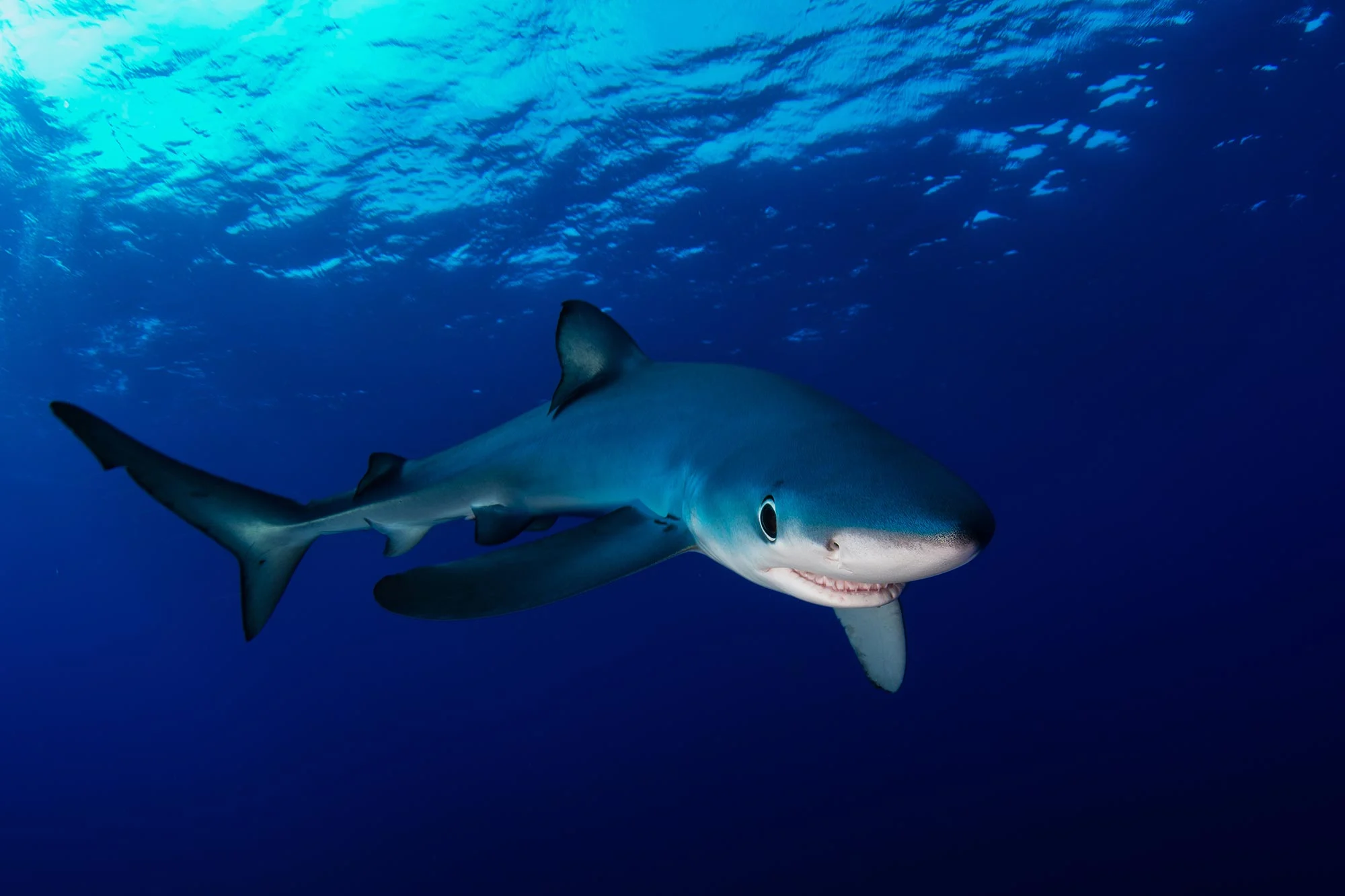
Scientists have discovered that blue sharks use nanostructures in their skin, specifically guanine crystals and melanin vesicles, to produce their vivid blue color and potentially shift it based on environmental factors like water pressure, which could aid in camouflage and inspire bio-inspired engineering solutions.

Octopus Camouflage: A High-Energy Masterpiece

Originally Published 1 year ago — by Forbes

Featured image for Octopus Camouflage: A High-Energy Masterpiece
Source: Forbes

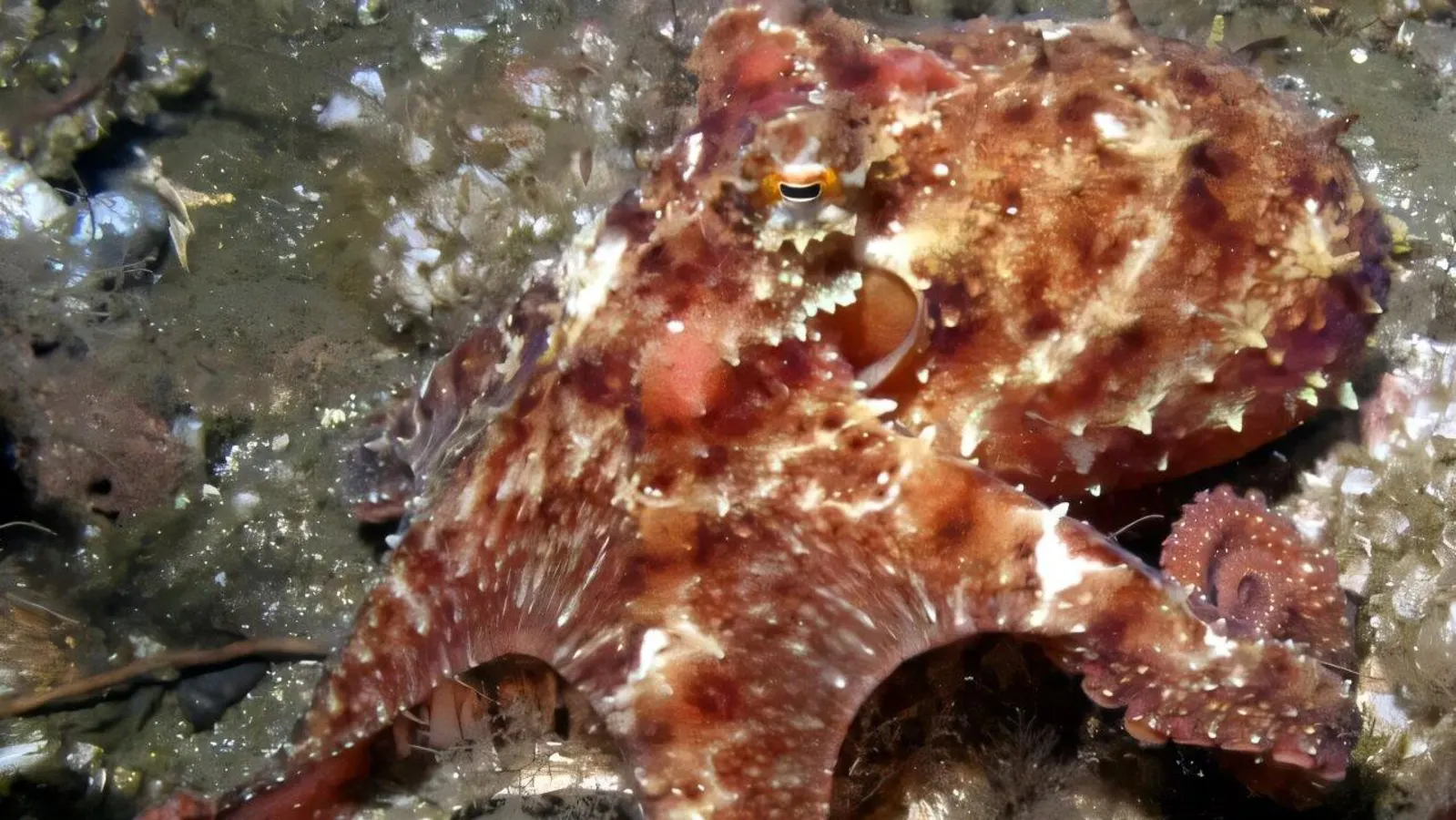
A study by biologists Sofie C. Sonner and Kirt L. Onthank reveals that the rapid color-changing ability of octopuses is energetically demanding, akin to a 23-minute jog for humans. This process involves specialized skin cells called chromatophores, which require significant oxygen consumption. The high metabolic cost may explain certain octopus behaviors, such as hiding in dens to conserve energy. The research highlights the exceptional energetic demands of cephalopod color change, suggesting it is one of the most costly forms of color change in the animal kingdom.

Octopus Camouflage: A High-Calorie Disguise

Originally Published 1 year ago — by Livescience.com

Featured image for Octopus Camouflage: A High-Calorie Disguise
Source: Livescience.com

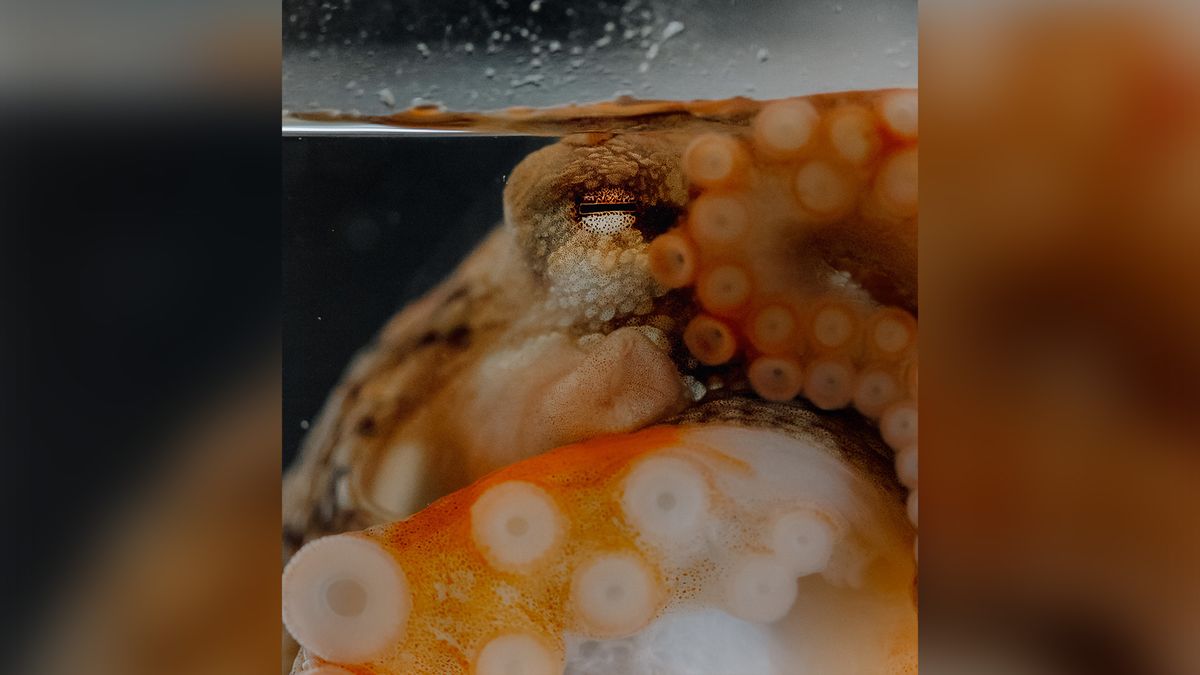
New research reveals that octopuses expend significant energy when changing color, comparable to a human's calorie burn during a 30-minute jog. This study, using ruby octopuses, measured oxygen consumption during color changes, highlighting the energetic cost of their sophisticated camouflage system. The findings provide insights into the biological trade-offs octopuses make for survival, as their color-changing ability is more energy-intensive than similar adaptations in other animals like chameleons.

"Rare Footage: Labord's Chameleon's Spectacular Color Display in Final Moments"

Originally Published 1 year ago — by IFLScience

Featured image for "Rare Footage: Labord's Chameleon's Spectacular Color Display in Final Moments"
Source: IFLScience

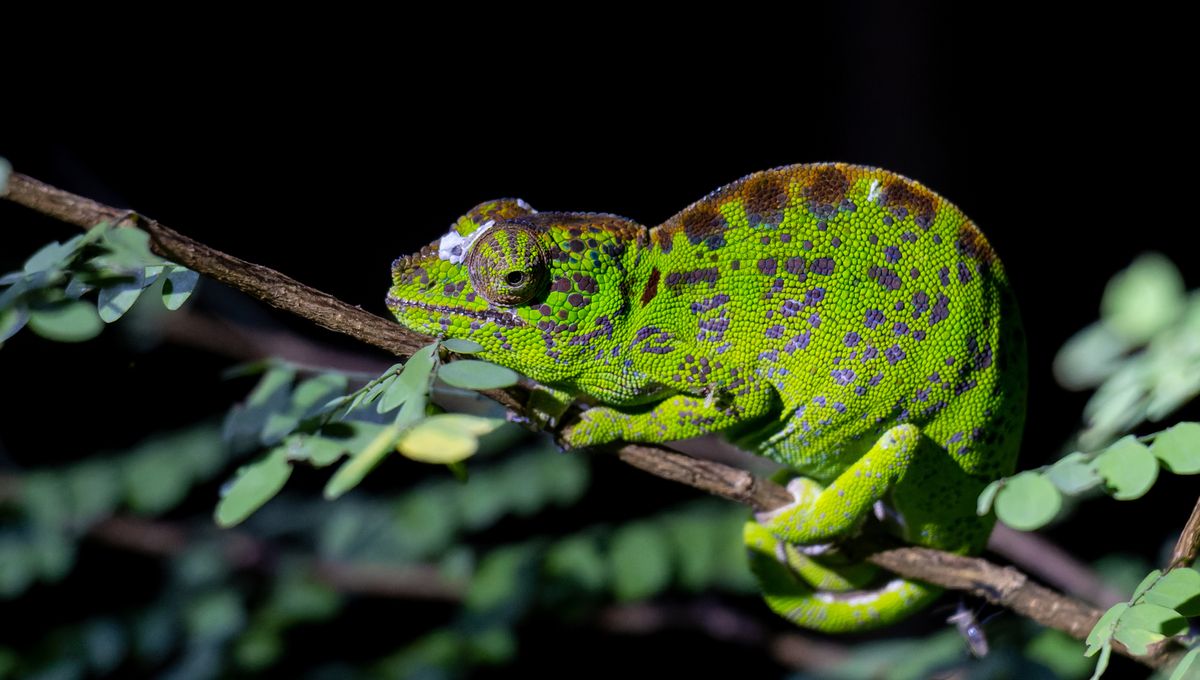
A team of documentary makers captured the world-first footage of a Labord's chameleon's vibrant color display in the last few hours of her life in Madagascar's Kirindy Forest. The chameleon's colorful spectacle, controlled by the nervous system even in death, was recorded for the PBS series Big Little Journeys, revealing the unique behavior of this species with a lifespan of just four to five months. The chameleon's short life cycle, spending most of its time as an egg, is believed to be an adaptation to cope with Madagascar's harsh seasonal variations.

"Rage-Induced Color Change: The Phenomenon of Provoked Fish Turning Black"

Originally Published 2 years ago — by Livescience.com

Featured image for "Rage-Induced Color Change: The Phenomenon of Provoked Fish Turning Black"
Source: Livescience.com

Dominant male celebes medaka fish in Indonesia turn black during periods of heightened aggression, using their distinctive black markings as a signal of dominance to other fish. The black markings quickly emerge at the start of a conflict and are more likely to attack and less likely to be attacked. The color change phenomenon is likely facilitated by neurotransmitters on cells containing pigment granules, and similar changes are seen in other fish species. This signaling may be more about access to territory and resources than mating rights, and the speed of color change is controlled by factors such as neural stimulation and hormonal control.

"Unveiling the Truth: Can Aluminum Foil Transform Hydrangea Flowers into Stunning Blues?"

Originally Published 2 years ago — by House Digest

Featured image for "Unveiling the Truth: Can Aluminum Foil Transform Hydrangea Flowers into Stunning Blues?"
Source: House Digest

Contrary to online claims, burying aluminum foil near hydrangeas does not change their color. The color change is actually achieved by adding aluminum sulfate to the soil, which decreases the pH level and turns the flowers blue. However, not all hydrangea varieties can change color. To turn pink hydrangeas blue, mix 1 tablespoon of aluminum sulfate with 1 gallon of water and soak the base of the plant once a month for three months. It can take months or even up to a year for the color change to occur. To change them back to pink, use hydrated lime instead of aluminum sulfate.