Oxfam reports that the world's richest 1% have already used up their fair share of carbon emissions for 2026, with the top 0.1% exhausting their budget in just three days, highlighting the disproportionate impact of the wealthy on climate change and urging tax reforms to address this imbalance.
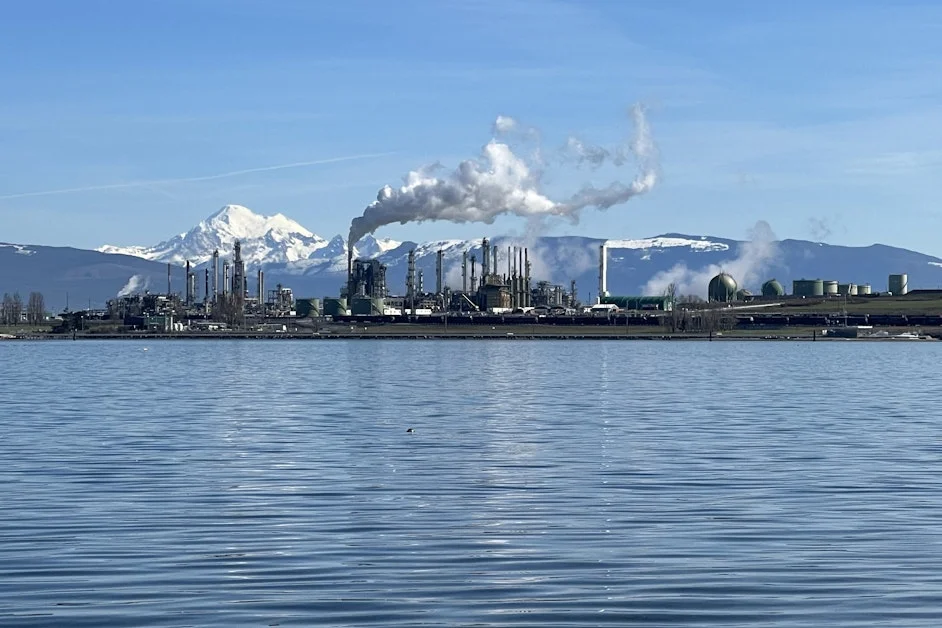
Washington state officials admitted to overstating the climate benefits of their carbon permit auctions, with revised estimates showing the projects will only reduce about 300,000 metric tons of pollution, far less than initially claimed, due to data errors and misreporting. The correction highlights concerns over the credibility of the state's climate initiatives and the potential diversion of funds to non-climate priorities.
In 2025, significant legal victories have been achieved worldwide in climate justice, including rulings against fossil fuel projects, greenwashing lawsuits, landmark international court opinions, and policy changes aimed at reducing emissions and protecting the climate, marking a decade of evolving legal efforts to combat climate change.
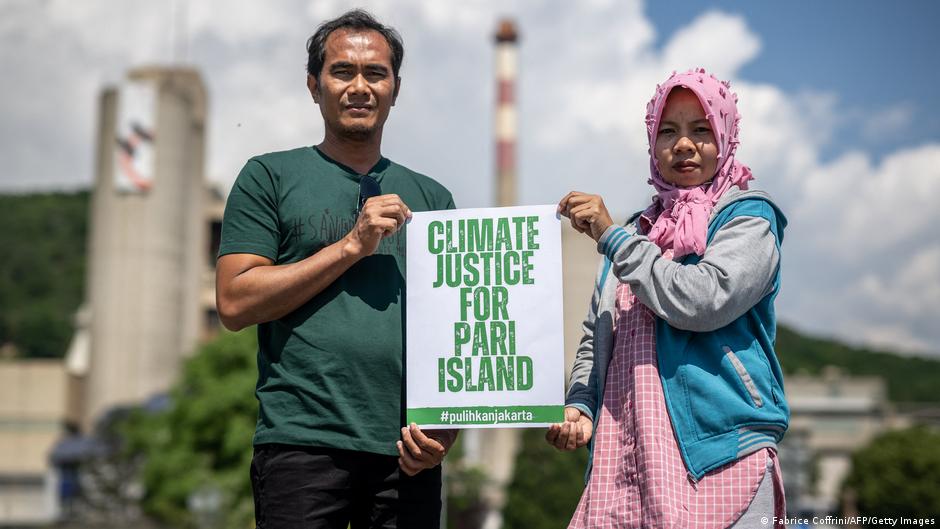
Residents of Pari Island in Indonesia are taking Swiss cement giant Holcim to court over its failure to reduce carbon emissions, which they claim contributes to rising sea levels threatening their home. This marks the first climate litigation against a corporation in Switzerland, with the plaintiffs demanding significant emission cuts and compensation. Holcim plans to appeal the decision, emphasizing its commitment to net zero by 2050 but stating that climate policies should be set by lawmakers.
Researchers have developed a highly detailed map of CO2 emissions across the U.S. for 2022, highlighting major pollution hotspots, especially in densely populated areas, amidst threats to federal emissions tracking programs. The Vulcan dataset provides critical data that could help fill gaps if federal reporting is reduced, despite funding and policy challenges.
Global fossil fuel emissions are projected to reach an all-time high this year, despite increased renewable energy adoption, with the world on track to surpass the 1.5-degree Celsius warming threshold within four years, highlighting the urgent need for more aggressive climate action.
Global fossil fuel emissions are projected to reach a record high of 38.1 billion tons in 2025, with overall emissions increasing slightly from 2024, although China shows signs of slowing its emissions growth.
A new study highlights that AI data centers in the U.S. could consume as much water as 10 million Americans and produce carbon emissions comparable to 5-10 million cars annually by 2030. However, strategic siting, renewable energy use, and efficient cooling can significantly reduce these impacts, emphasizing the importance of sustainable practices in AI infrastructure development.
Cornell researchers have created a detailed roadmap showing that the rapid growth of AI data centers could significantly increase carbon emissions and water consumption by 2030, but strategic siting, grid decarbonization, and operational efficiencies could reduce these impacts by over 70%. The study emphasizes the importance of location, clean energy, and advanced cooling technologies to mitigate environmental effects and achieve sustainability goals.
The UN climate chief warned that failure to transition to a low-carbon economy will lead to global disasters like famine and conflict, emphasizing the urgent need for international cooperation at the Cop30 talks to reduce emissions, limit temperature rise, and support vulnerable nations, amid disagreements over climate targets and commitments.
Brazil's President Lula emphasized the urgent need to end Earth's reliance on fossil fuels at COP30, highlighting the climate crisis marked by record heat and extreme weather, and calling for a rapid transition to cleaner energy sources, despite resistance and ongoing fossil fuel development.
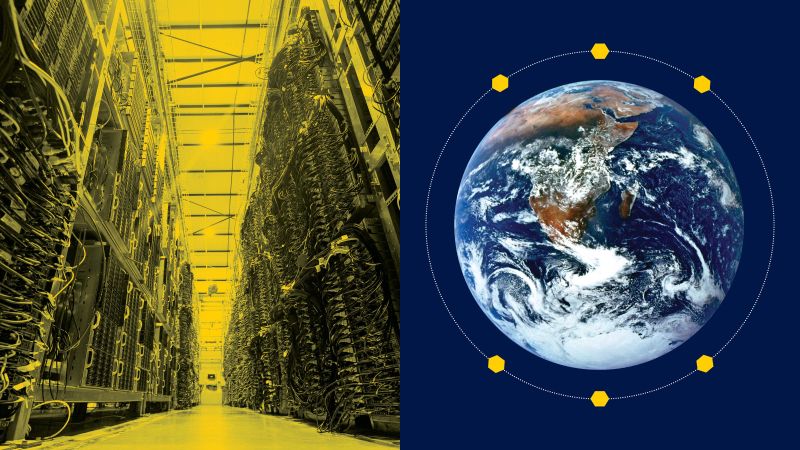
Advances in AI are increasing data center demand, leading some to explore space-based data centers as a solution to land and energy constraints on Earth, with potential environmental benefits, but significant technological and economic challenges remain.
Australia's tropical rainforests are now releasing more carbon than they absorb due to climate change-induced factors like extreme temperatures and drought, threatening their role as carbon sinks and complicating global emissions reduction efforts, according to a study in Nature.
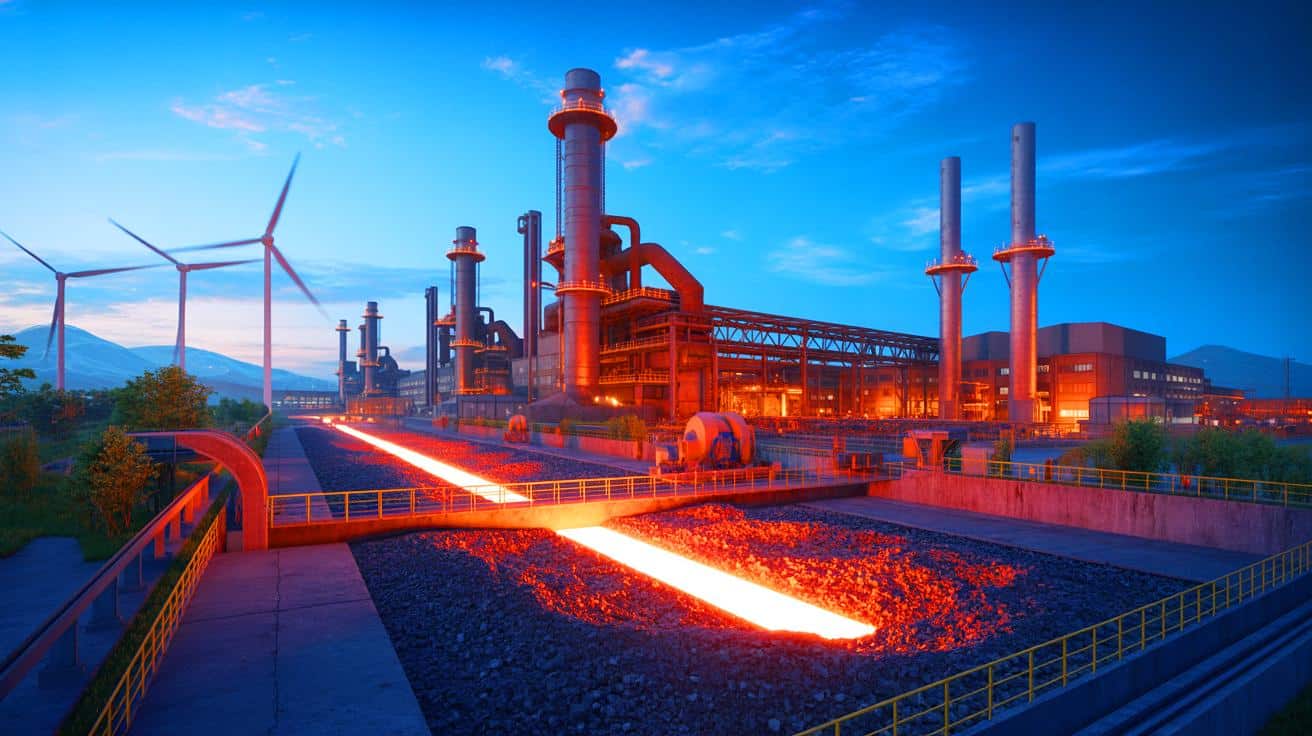
A Swedish company, SSAB, has developed a near-zero carbon steel called SSAB Zero using hydrogen-reduced iron and renewable energy, in collaboration with GE Vernova, marking a significant step towards decarbonizing the steel industry and supporting global sustainability goals.
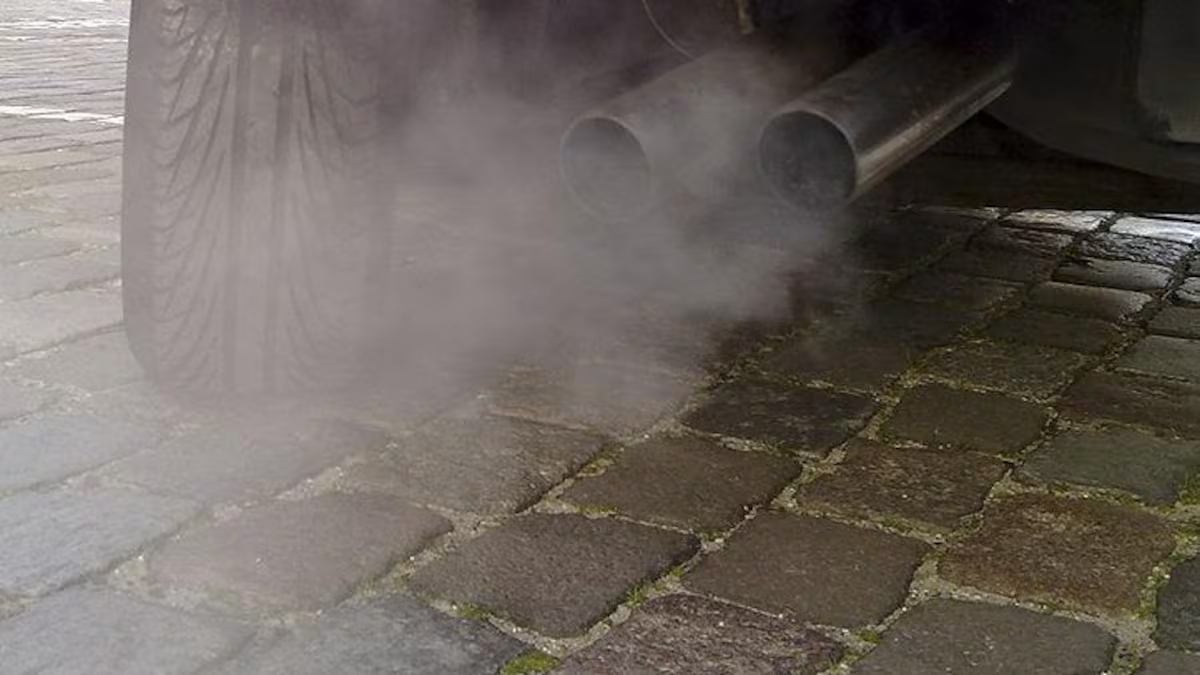
The Trump administration's decision to revoke a 2009 scientific finding that helped reduce transportation-related carbon emissions could have serious consequences for Oregon, including increased health risks and setbacks in climate progress, according to state officials and environmental regulators.