The world's oceans experienced record-breaking heat for the ninth consecutive year in 2025, driven by rising greenhouse gas emissions, leading to severe weather events, melting ice sheets, and threats to marine life, with no end in sight unless global emissions are drastically reduced.
The Earth's oceans have warmed for the ninth consecutive year in 2025, absorbing vast amounts of heat that contribute to climate change, extreme weather, and threats to marine ecosystems like coral reefs, with the warming penetrating as deep as 2,000 meters and likely to persist for centuries. Immediate action to reduce greenhouse gases could stabilize or reverse this trend.
Since 2018, the world's oceans have been absorbing record amounts of heat, with 2025 experiencing the highest heat absorption ever recorded, primarily due to climate change. This ongoing heat intake, equivalent to multiple atomic bombs, is a key indicator of global warming, affecting both surface and deep ocean temperatures, and will have long-lasting impacts on the planet.
The disappearance of the deep-sea 'zombie worm' (Osedax), which feeds on whale bones, may indicate declining oxygen levels in the ocean caused by warming, potentially disrupting important deep-sea ecosystems and leading to species loss.
A recent study confirms that melting ice and ocean warming significantly contribute to rising sea levels, with an average increase of about 3 millimeters per year, highlighting the urgent need for climate mitigation efforts and providing valuable data for future climate projections.
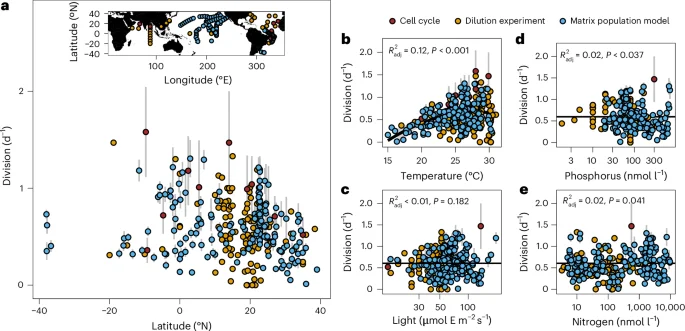
A new study warns that rising ocean temperatures threaten Prochlorococcus, Earth's most abundant photosynthetic microbe, which produces nearly a third of the planet's oxygen. The microbe's optimal temperature range is 19-28°C, and temperatures above 30°C significantly reduce its growth, potentially leading to a decline in its population and impacting global oxygen levels and marine food webs. The study highlights the importance of understanding microbial responses to climate change and the potential shift in oceanic ecosystems.
Future ocean warming is predicted to cause a significant decline in Prochlorococcus biomass and productivity beyond a temperature threshold of approximately 28°C, which could lead to cascading effects on marine food webs and carbon cycling, despite some potential for adaptation.
In 2023, unprecedented marine heatwaves affected 96% of the ocean surface, potentially pushing the world's oceans into a new, hotter state with serious consequences for climate regulation, marine life, and weather patterns, driven by factors like reduced cloud cover and weaker winds, raising concerns about a fundamental shift in ocean dynamics and the need for urgent research and mitigation efforts.
NASA's latest data reveals that in 2024, global sea levels rose faster than expected, primarily due to thermal expansion from ocean warming, signaling a significant acceleration in climate change impacts with serious implications for coastal communities and ecosystems.
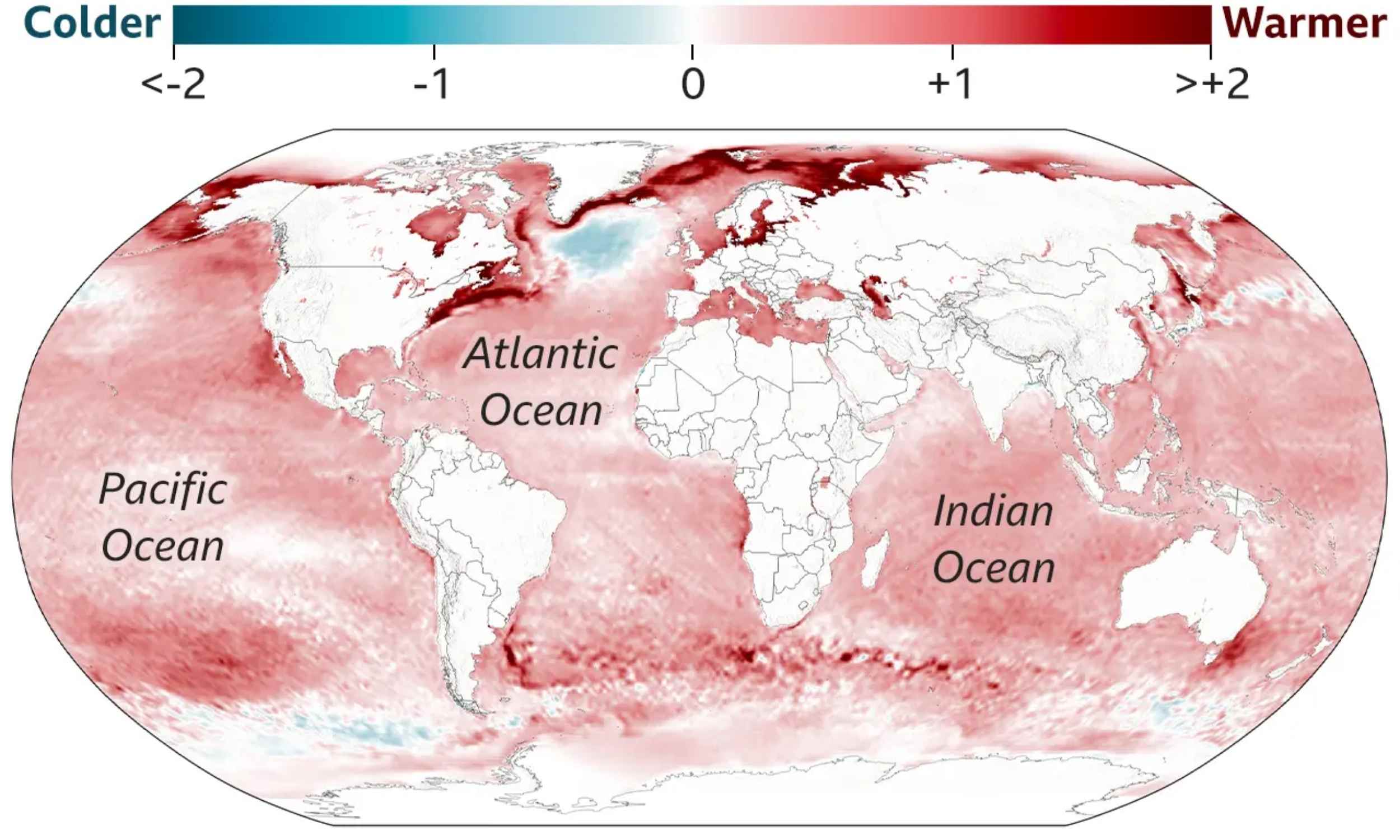
A study reveals that two ocean bands near 40° latitude in both hemispheres are warming faster than ever, driven by shifts in wind patterns and ocean currents, with significant implications for climate, weather, and marine life.
Scientists have identified two major ocean bands near 40 degrees latitude in both hemispheres that are heating at unprecedented rates, influenced by shifts in wind patterns and ocean currents, with significant implications for climate, weather, and marine life. The study highlights the uneven distribution of ocean heat and the importance of long-term data to understand climate change impacts.
NASA reports that global sea levels rose by 0.23 inches in 2024, exceeding predictions and indicating an accelerating trend due to thermal expansion of oceans, primarily driven by climate change, which could lead to significant coastal flooding by 2100. Scientists warn that if warming continues, sea levels could rise by up to 6.6 feet, threatening coastal cities, and emphasize individual actions to reduce carbon footprints to combat this trend.
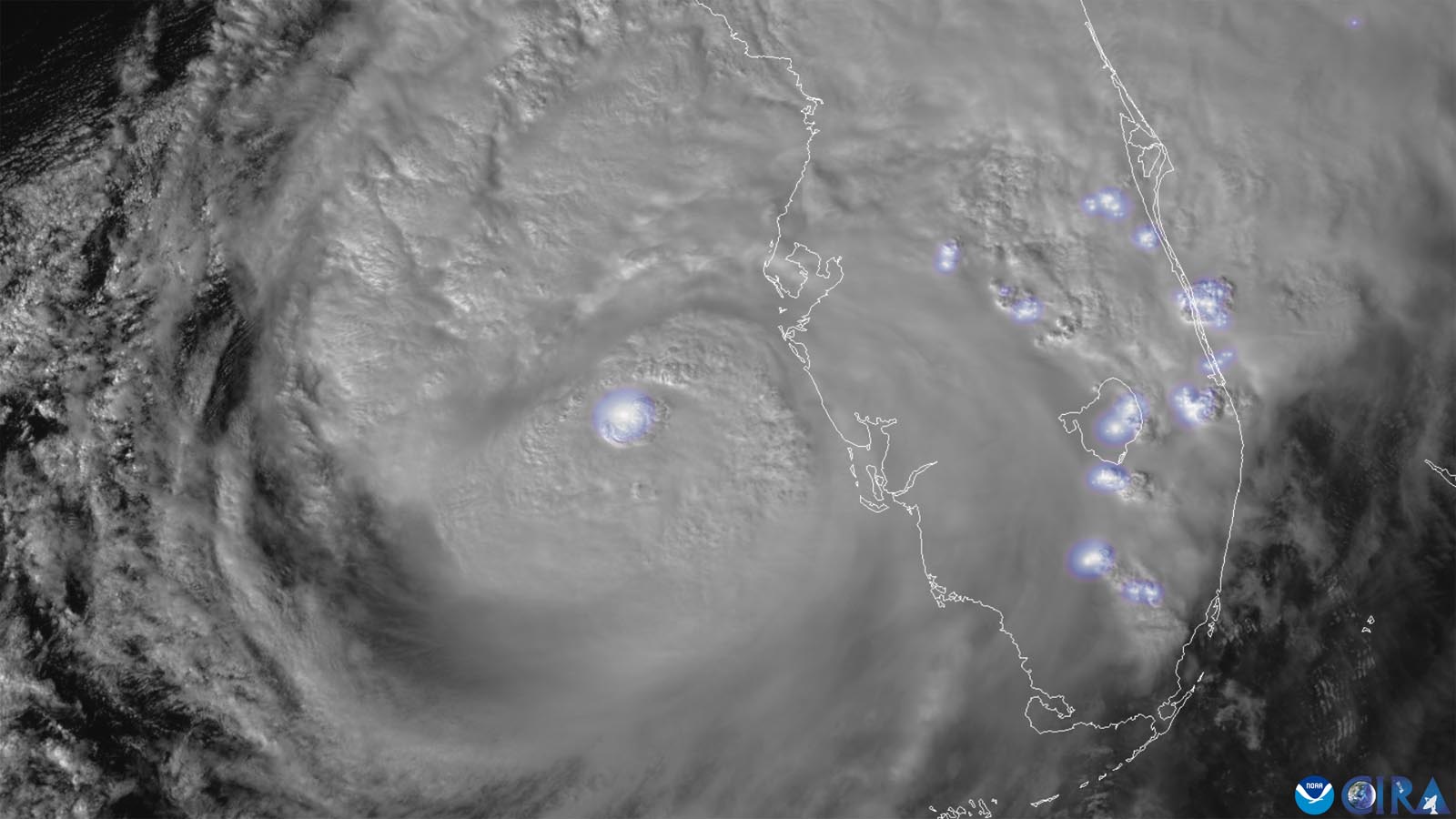
Recent scientific reports highlight that human-caused ocean warming has intensified Atlantic hurricanes, increasing their wind speeds and resulting in more severe damage. Between 2019 and 2023, hurricanes experienced a 19 mph increase in maximum sustained winds due to climate change. In 2024, all 11 Atlantic hurricanes saw wind speed increases of 9 to 28 mph, with some storms being upgraded to higher categories. This intensification has led to a significant rise in economic damages, with climate change responsible for nearly half of the damages from major hurricanes like Helene and Milton.
New shipping fuel regulations introduced in 2020 have significantly reduced sulphur dioxide emissions, but this has inadvertently contributed to ocean warming by reducing cloud cover that reflects sunlight. The reduction in SO2, which has a cooling effect by forming aerosols, may have been responsible for 80% of the planet's net heat uptake since 2020, particularly in busy shipping lanes. This finding highlights the complex relationship between pollution control and climate change.
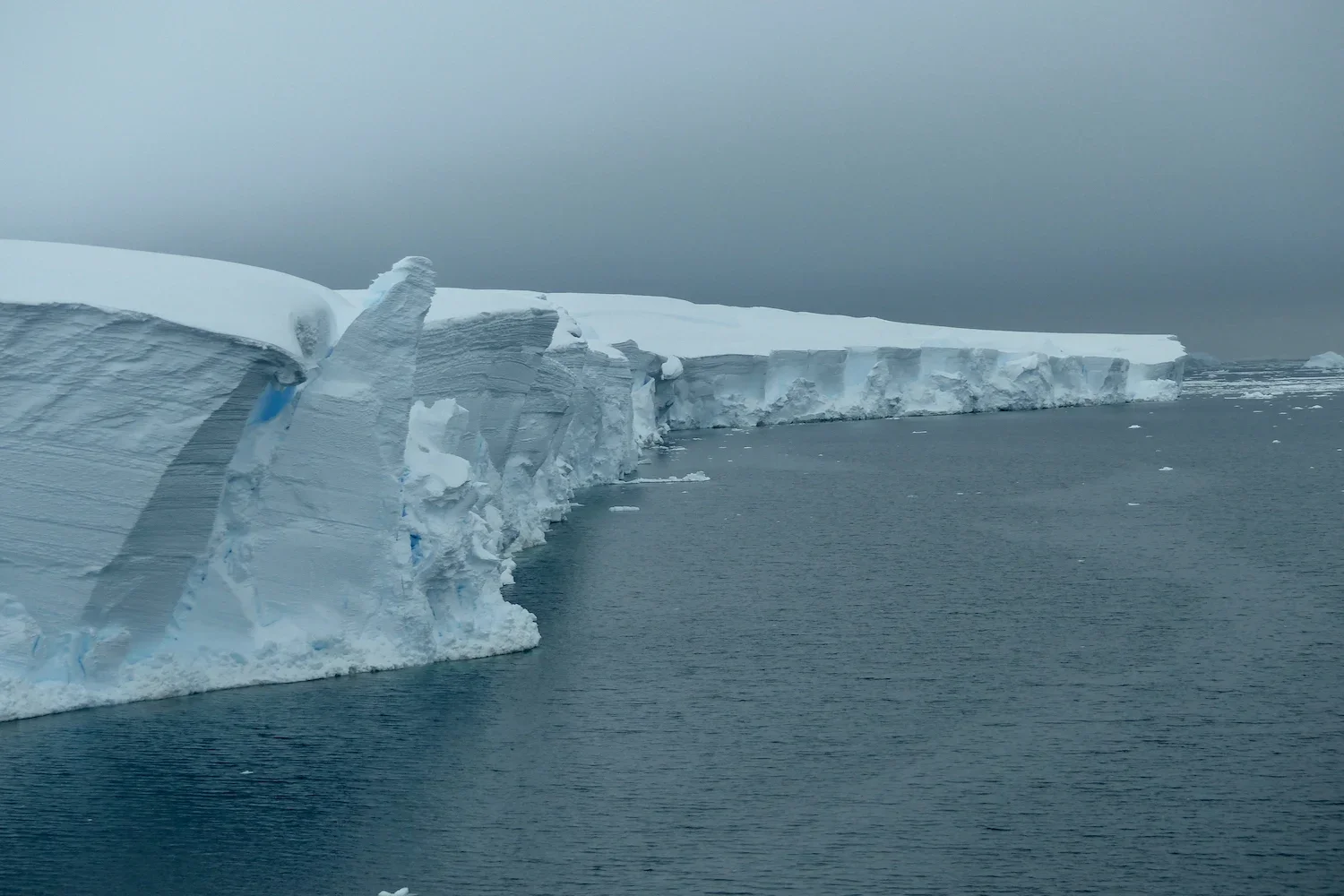
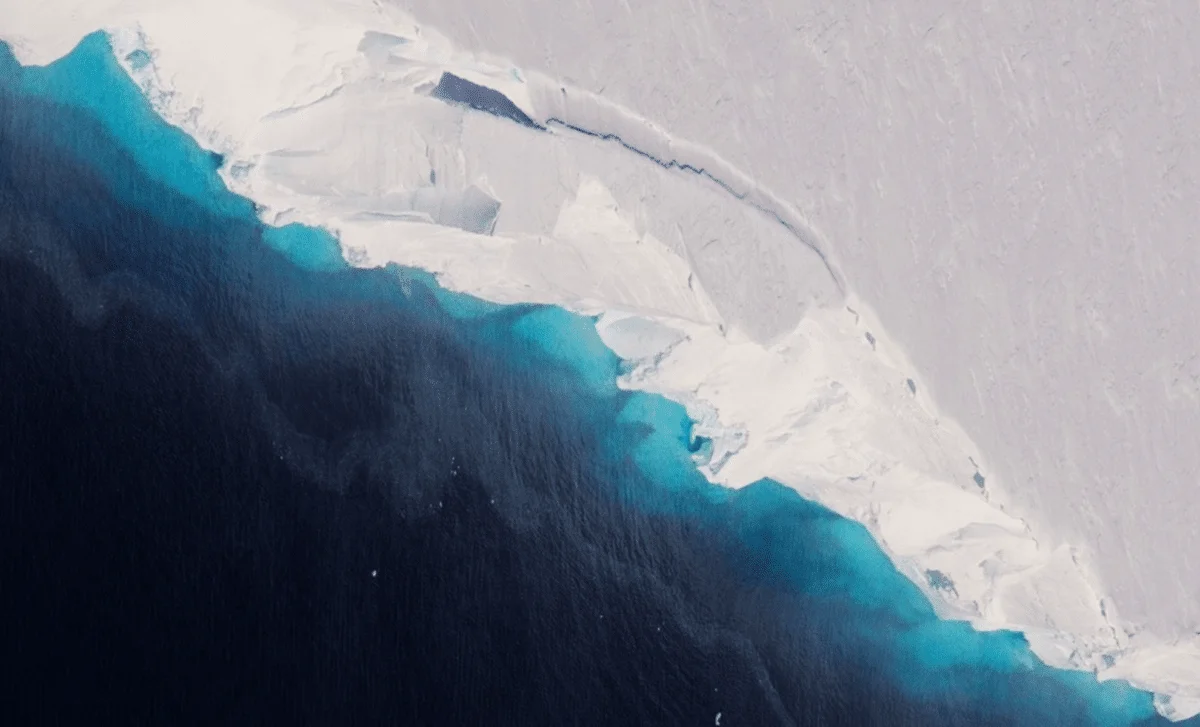
The "doomsday glacier," Thwaites Glacier in West Antarctica, is experiencing vigorous ice melt due to warm, high-pressure ocean water seeping beneath it, making it more vulnerable to melting than previously thought. If it were to collapse, it could cause global sea levels to rise by more than two feet. As global temperatures warm, ocean currents are pushing warmer water to Antarctica's shores, leading to a vigorous melt. Scientists hope the new information will improve sea level rise predictions and help people adapt to changing ocean levels while emphasizing the importance of reducing carbon emissions.