A study shows that tanning beds significantly increase the risk of melanoma and cause more skin mutations, especially in younger users, challenging the myth that tanning beds are safe.
A new study suggests a link between grey hair and cancer risk, indicating that the process of hair greying, driven by stress and DNA damage in melanocyte stem cells, may be a protective response to prevent harmful mutations that could lead to cancer, although bypassing this mechanism might increase melanoma risk.
Scientists have developed a universal antiviral treatment using a rare immune mutation, potentially serving as biological PPE for future pandemics by providing immunity against unknown viruses, with successful tests in animals and plans for human trials.
Recent research has identified a rare genetic mutation that allows some individuals, known as natural short sleepers, to function optimally on just four to six hours of sleep per night. These individuals possess mutations in genes such as DEC2, ADRB1, and NPSR1, which are linked to sleep regulation and efficiency. Unlike the general population, natural short sleepers do not suffer from the negative health effects typically associated with sleep deprivation. This discovery challenges traditional sleep models and suggests that sleep quality may be more important than quantity.
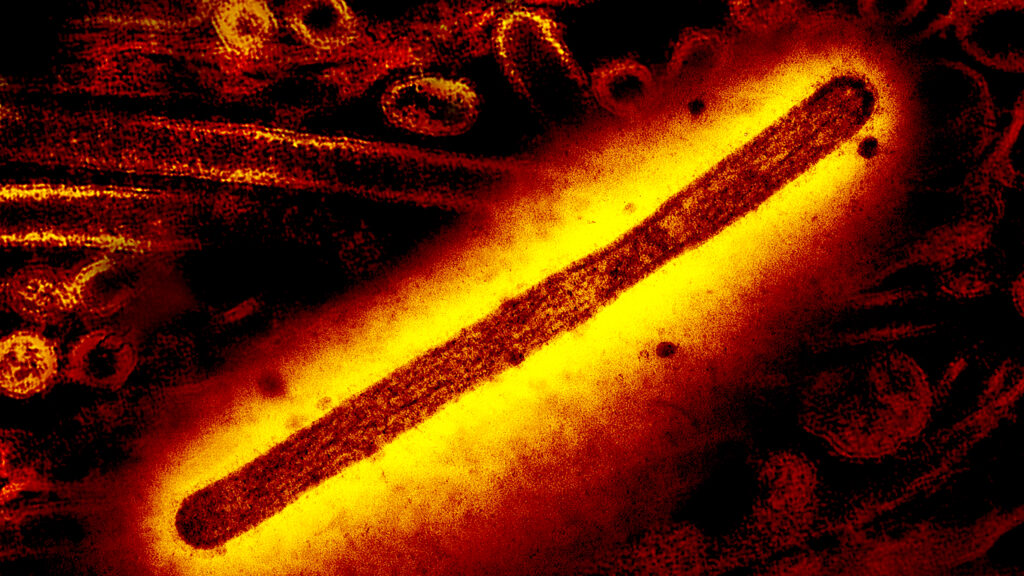
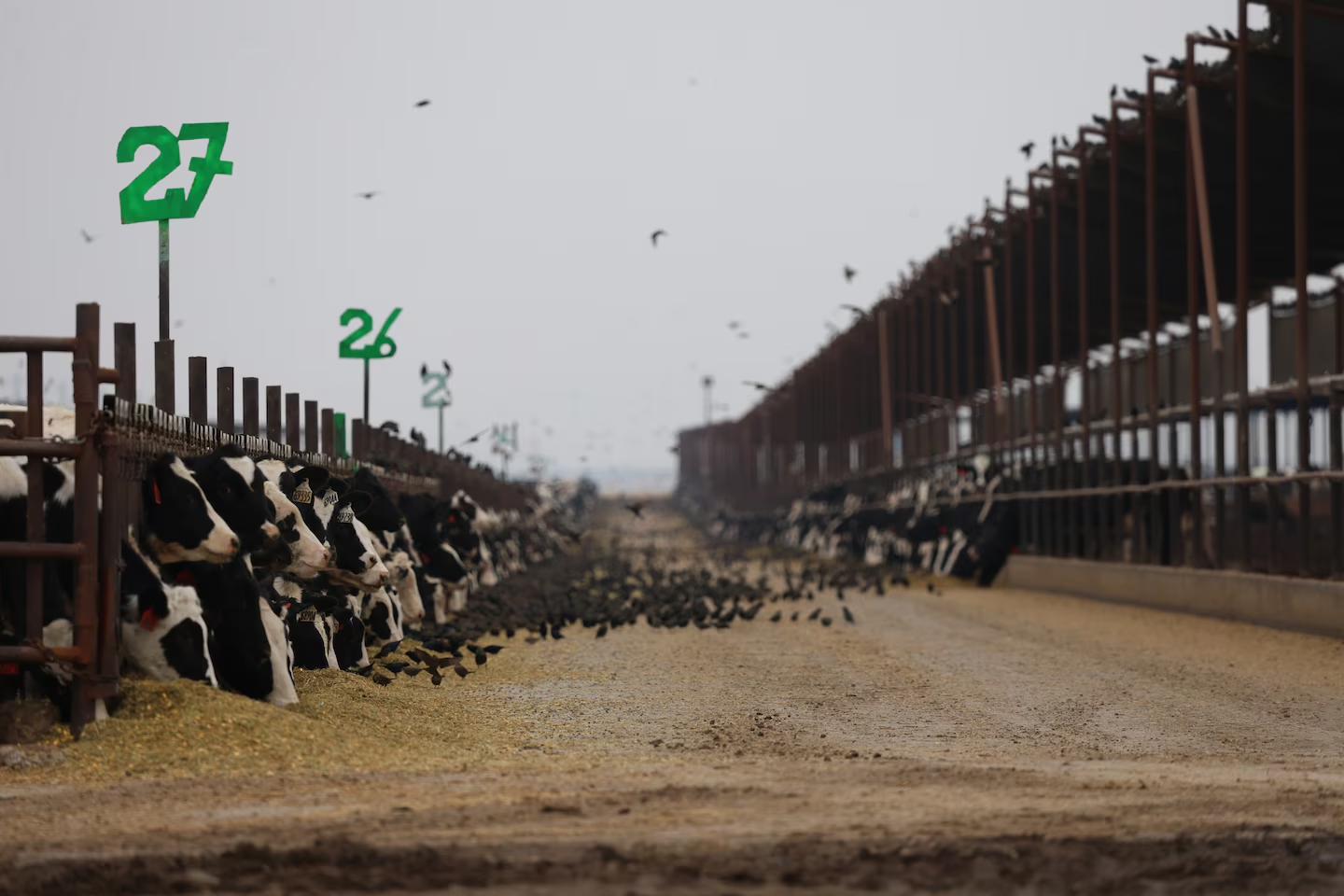
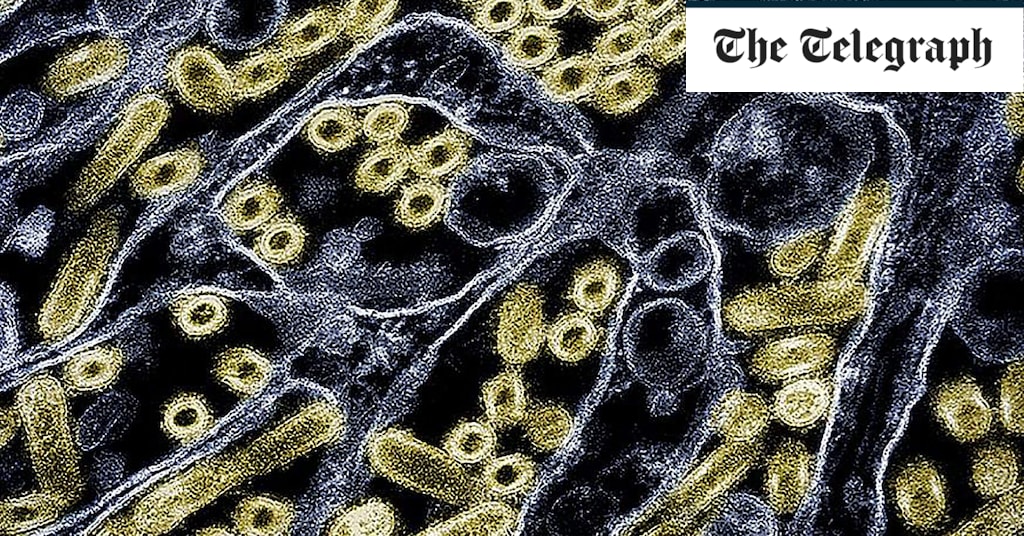
Health experts warn of a potential bird flu pandemic as the H5N1 virus shows signs of mutating, spreading among cows, and infecting humans in the US. While the risk to the public remains low, the virus is reportedly just one mutation away from more effective human transmission. Over 300 million poultry birds have been culled globally, and concerns grow as some human cases may go undetected. Despite the threat, antiviral treatments and vaccines are available, and US authorities are increasing testing efforts, including in the milk supply.
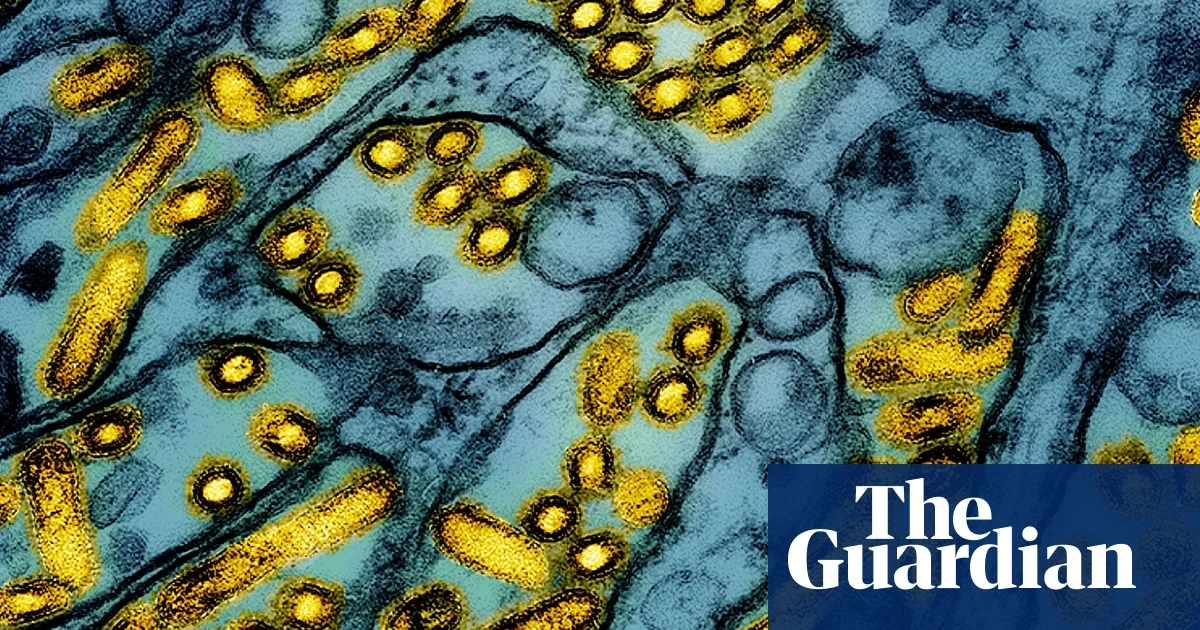
A new study from the Scripps Research Institute highlights the potential for the H5N1 bird flu virus to mutate and become transmissible between humans, raising pandemic concerns. Researchers found that a single amino acid mutation, Q226L, could enable the virus to bind to human-type receptors, increasing the risk of human-to-human transmission. While this mutation alone may not be sufficient for widespread transmission, it underscores the importance of monitoring genetic changes in the virus to prevent a potential pandemic.
A NIH-funded study published in Science reveals that a single mutation in the hemagglutinin protein of the H5N1 avian influenza virus could potentially enhance its ability to infect humans by allowing it to bind to human-type cell receptors. While current strains are not easily transmissible among humans, the findings highlight the importance of ongoing surveillance and monitoring for genetic changes in the virus to prevent potential outbreaks. The research underscores the need for continued public health preparedness and outbreak control efforts.
A recent study suggests that a single mutation in the H5N1 bird flu virus could enable it to spread between humans, potentially leading to a pandemic. This mutation would allow the virus to better attach to human airway cells, facilitating transmission through respiratory droplets. While H5N1 currently infects humans primarily through high concentrations from animals, the mutation could make human-to-human spread more likely. Researchers emphasize monitoring this mutation as H5N1 continues to circulate among animals and occasionally infects humans.
A study by Scripps Research reveals that a single mutation in the H5N1 bird flu virus could increase its ability to infect humans by altering its receptor binding preference. This mutation, found in viruses from cows in the U.S., raises concerns about the virus's zoonotic potential, especially after a similar mutation was observed in a Canadian teenager who contracted H5N1. While additional mutations are likely needed for efficient human transmission, the findings highlight the importance of monitoring and controlling the virus to prevent a potential pandemic.
A study by the Scripps Research Institute reveals that a single mutation in the H5N1 bird flu virus could enable it to bind to human cell receptors, raising concerns about potential human transmission. Although this mutation has not been detected, the research highlights the need for vigilant surveillance and pandemic preparedness. The study underscores the complexity of viral mutations and the importance of understanding the factors that could lead to a more virulent strain capable of human-to-human transmission.
Researchers at the Scripps Research Institute have found that a single mutation in the H5N1 bird flu virus could enable it to infect humans, raising concerns about a potential pandemic. The study, published in Science, highlights that a change in the hemagglutinin protein could allow the virus to target human cells. This discovery challenges previous beliefs that multiple mutations were necessary for human transmission. Despite over 50 human infections, the virus has not yet adapted for widespread human transmission, suggesting additional mutations may be needed.
Hawaii has reported its first bird flu outbreak, with ducks and geese on Oahu testing positive for the H5N1 virus, likely brought by migratory birds. Over 70 birds have been culled, and residents are advised to avoid sick or dead birds. The outbreak coincides with a Canadian teenager contracting a mutated strain of bird flu, raising concerns about potential human transmission. Experts warn that each infection increases the risk of mutations that could facilitate human-to-human spread, potentially leading to a new pandemic.
A teenager in British Columbia, Canada, has been hospitalized with a potentially mutated strain of the H5N1 bird flu virus, raising concerns about increased transmissibility to humans. Experts warn that the US is not adequately monitoring bird flu cases, which could lead to undetected mutations. The Canadian teen's case, detected through surveillance, has not spread to contacts, but the mutation highlights the need for vigilant monitoring to prevent further human infections.
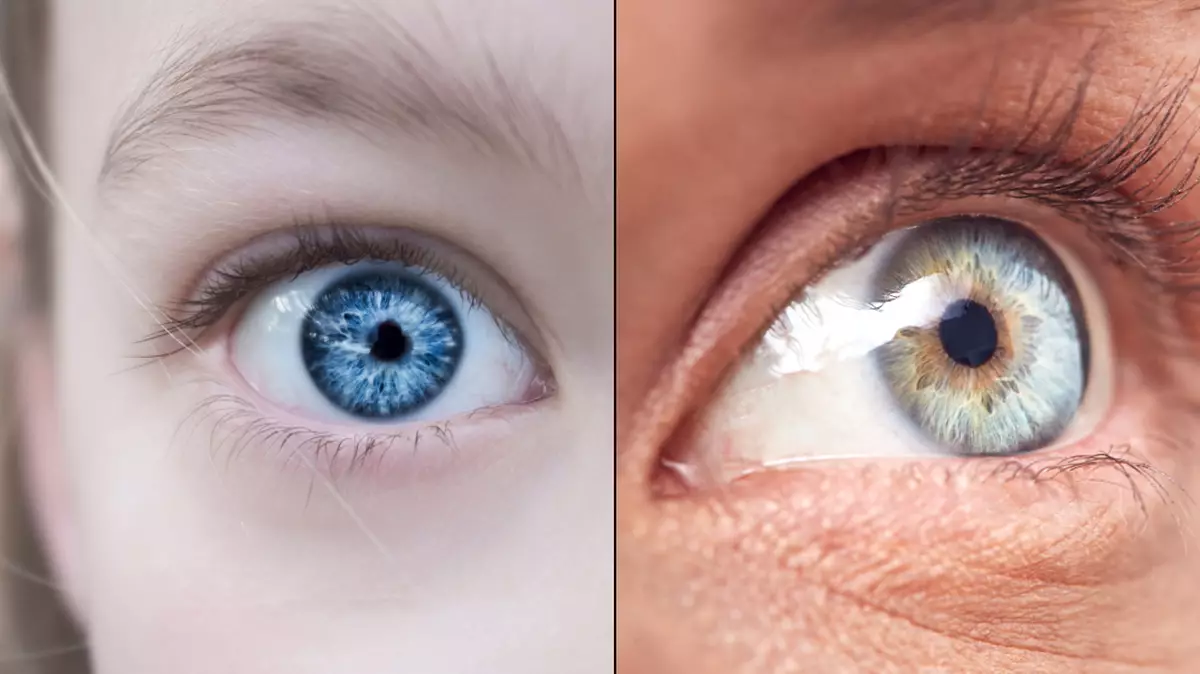
Scientists have discovered that all blue-eyed people are descendants of a single human who lived between 6,000 and 10,000 years ago. This genetic mutation, found in the HERC2 gene, switches off the OCA2 gene responsible for brown eye pigment, resulting in blue eyes. The mutation likely spread as humans migrated from Africa to Europe.
A notable mutation in the H5N1 bird flu virus has been detected in a human case in Michigan, raising concerns about the virus's adaptation to mammalian hosts. The CDC and USDA are ramping up surveillance and biosecurity measures as the virus spreads among US cattle, with at least 350 people currently under surveillance. Despite the mutation, the virus remains closely related to existing strains, and current vaccines are still effective. The WHO maintains that the risk to humans is low but emphasizes the need for real-time information sharing.