Tag

Megafauna

All articles tagged with #megafauna

Gigantic South American burrows point to giant ground sloths as builders
science21 days ago

Gigantic South American burrows point to giant ground sloths as builders

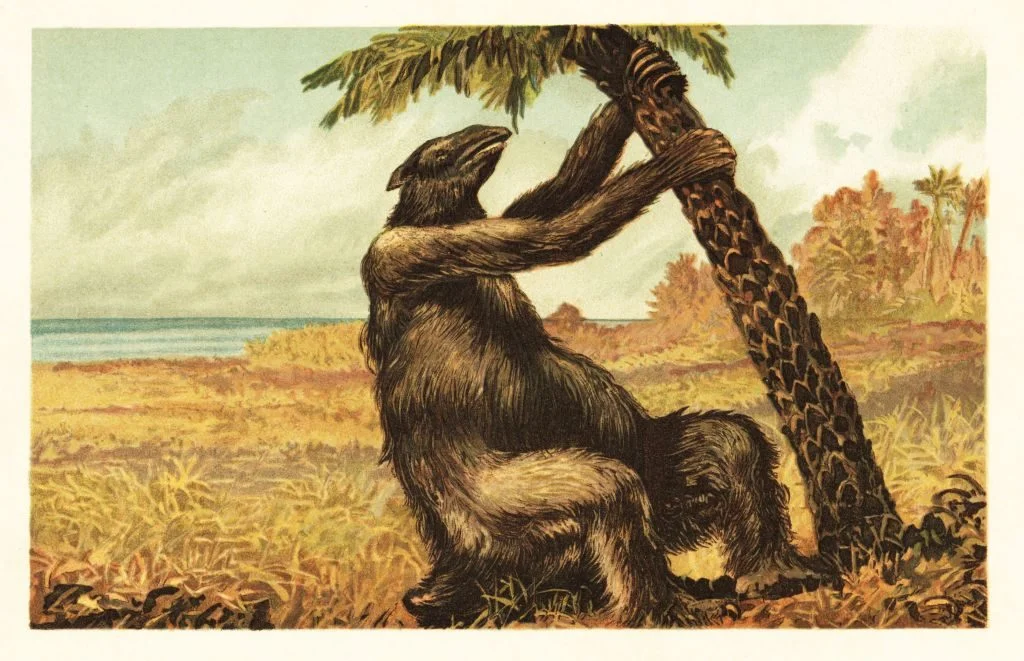
Researchers studying kilometre‑long tunnels across Brazil and Argentina argue they are palaeoburrows carved by giant ground sloths (such as Glossotherium and Scelidotherium) during the Early Cretaceous in Botucatu sandstone; the largest known burrow runs about 1.5 kilometres with claw‑marked ceilings, suggesting multiple animals over time, though the exact purpose remains debated.

Scientists Claim Modern Humans Are Less Tough Than Prehistoric Yellowstone Inhabitants
science9 months ago

Scientists Claim Modern Humans Are Less Tough Than Prehistoric Yellowstone Inhabitants

Scientists highlight how humans during the Pleistocene era were more resilient and formidable than today, surviving alongside giant predators and megafauna in Yellowstone, and discuss the implications of de-extinction efforts like resurrecting dire wolves and mammoths. They emphasize the loss of ancient survival knowledge and the importance of conserving Yellowstone's unique ecosystem.

Giant Sloths Once Roamed America Before Disappearing
science9 months ago

Giant Sloths Once Roamed America Before Disappearing

Ancient sloths, some as large as elephants, once roamed America, but most went extinct around 15,000 years ago, likely due to human activity rather than climate change. Modern sloths are much smaller and better adapted to arboreal life, with only six species remaining, two of which are endangered. The study highlights the impact of humans on megafauna extinction and the importance of conservation.

Humans Linked to Ancient Megafauna Extinctions
science-and-environment1 year ago

Humans Linked to Ancient Megafauna Extinctions

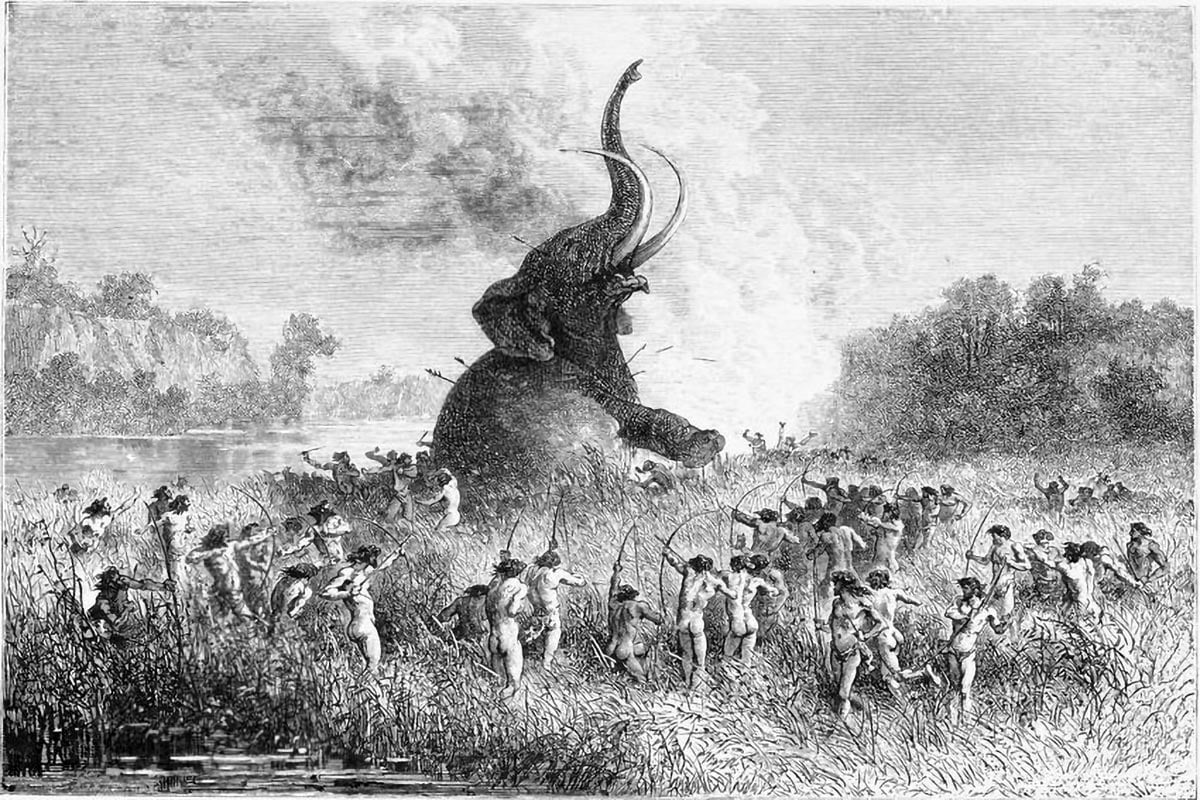
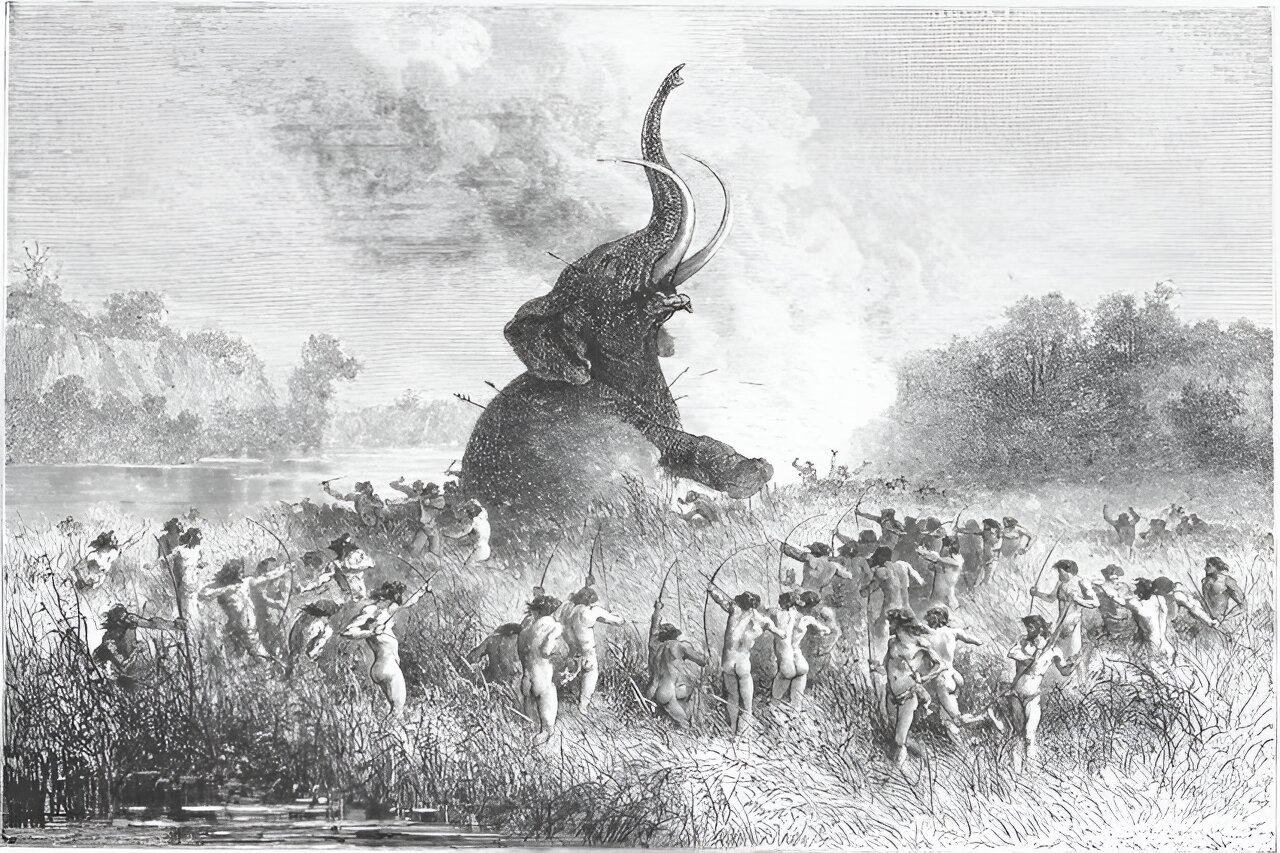
Recent research suggests that human hunting, rather than climate change, was the primary cause of the extinction of most megafauna over the past 50,000 years. Analyzing ancient extinction, climate, and human migration data, scientists found that the timing and locations of these extinctions align closely with human colonization patterns. This highlights the significant impact humans have had on large mammals, which continue to be vulnerable today.

"Ancient Bone Collagen Sheds Light on Extinction of North America's Large Mammals"
science1 year ago

"Ancient Bone Collagen Sheds Light on Extinction of North America's Large Mammals"

Researchers have used a novel technique called ZooMS to analyze fragmented bone material from the Smithsonian Museum, uncovering new clues about the extinction of North America's megafauna 50,000 years ago. This method, which identifies species through collagen protein sequences, has shown promising results, potentially offering new insights into the longstanding debate over whether human activity or climate change led to these extinctions.

"Belle Isle Tree Reveals Ancient Animal Relationship"
science-and-nature2 years ago

"Belle Isle Tree Reveals Ancient Animal Relationship"

Scientists have discovered that the giant thorns on honey locust trees, such as the one growing on Belle Isle, were likely an evolutionary defense mechanism against ancient megafauna like mammoths and mastodons. These animals helped disperse the tree's seeds by eating its fruit, and fossilized manure containing honey locust seeds has been found. This ecological relationship between plants and ancient animals may have played a crucial role in the spread and survival of certain tree species, although scientists caution that such relationships are complex and not always straightforward.

Unveiling the Hidden Perpetrators: DNA Exposes the Downfall of Earth's Giants
science2 years ago

Unveiling the Hidden Perpetrators: DNA Exposes the Downfall of Earth's Giants

A new study from Aarhus University suggests that humans, rather than climate change, were the primary cause of the decline in large mammal populations around 50,000 years ago. By analyzing the DNA of 139 living species of large mammals, researchers found that the populations of these animals experienced a dramatic decline during this period, which coincided with the spread of modern humans. The study challenges the prevailing belief that climate fluctuations were the main driver of megafauna extinction, providing evidence that human hunting and population growth played a significant role.

Human Activity Blamed for Decline of Giant Mammals, Not Climate
science2 years ago

Human Activity Blamed for Decline of Giant Mammals, Not Climate

A new study from Aarhus University confirms that humans, not climate change, were responsible for the sharp decline of almost all megafauna on Earth 50,000 years ago. By analyzing the DNA of 139 living species of large mammals, researchers found that the populations of these animals experienced a dramatic decline around 50,000 years ago, coinciding with the spread of modern humans. The study challenges the argument that climate change was the main cause of the extinction or decline of large mammals, providing evidence that human hunting and impact played a significant role.

Unraveling Megafauna Extinctions: Hunting Mammoths and Climate Change Connection
archaeology2 years ago

Unraveling Megafauna Extinctions: Hunting Mammoths and Climate Change Connection

Forensic methods, specifically blood residue analysis, have provided evidence that Paleoindians hunted or scavenged megafauna such as mammoths and mastodons in eastern North America around 13,000 years ago. By analyzing ancient stone tools, researchers found unambiguous proof of contact with the blood of extinct animals, including mammoths, mastodons, and the North American horse. While this study does not definitively prove that humans were responsible for the extinctions, it suggests that early Paleoindians across the continent interacted with these animals, providing insights into their presence and potential hunting practices. Further research with larger sample sizes could shed more light on the timing and geographic variability of megafauna extinctions.

Ancient Megafauna Extinction Linked to Human-Induced Fires in California
environment2 years ago

Ancient Megafauna Extinction Linked to Human-Induced Fires in California

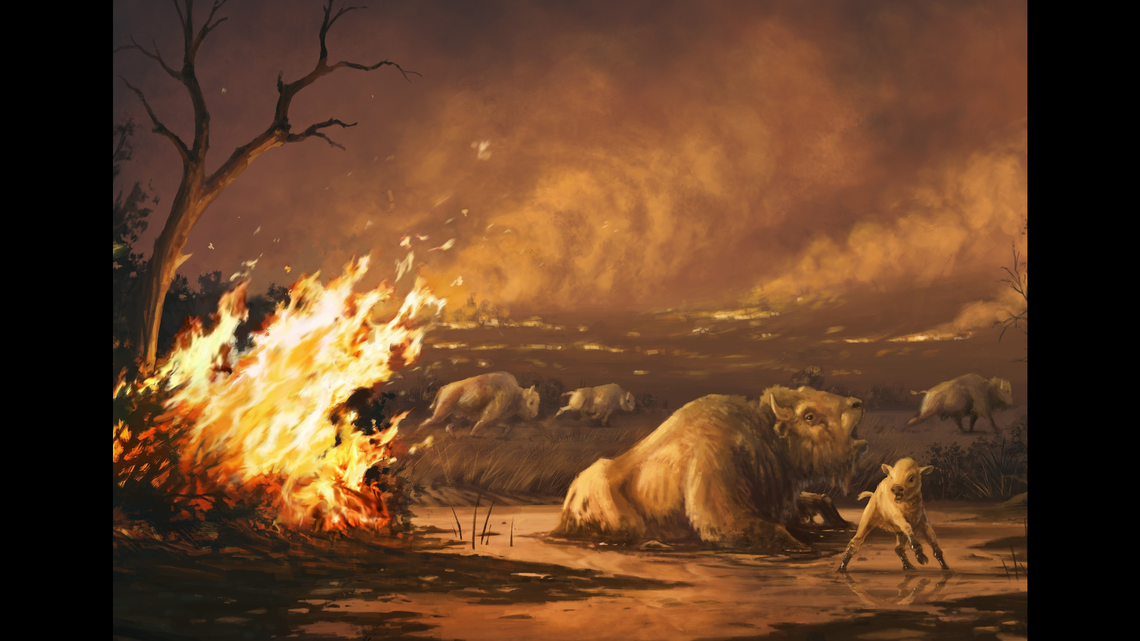
Massive Ice Age mammals, known as megafauna, that once roamed Southern California over 13,000 years ago likely disappeared due to wildfires set by humans and a changing climate, according to a study by researchers from UCLA and the La Brea Tar Pits and Museum. The evidence suggests that extensive fire activity, along with human presence, led to the demise of these large animals. The study draws a parallel between the past landscape transformation and the current conditions contributing to climate change and devastating wildfires. Researchers hope to use specimens from the tar pits to better understand the long-term impacts of climate change.

Ancient Megafauna Extinction Linked to Human-Induced Fires in California
environment2 years ago

Ancient Megafauna Extinction Linked to Human-Induced Fires in California

Massive Ice Age mammals, known as megafauna, that once roamed Southern California over 13,000 years ago likely disappeared due to wildfires set by humans and an ecosystem made vulnerable by climate change, according to a study by researchers from UCLA and the La Brea Tar Pits and Museum. The evidence suggests that unprecedented fire activity, along with human presence and a changing climate, led to the extinction of these large animals. The study draws a parallel between the past landscape transformation and the current conditions that contribute to climate change and devastating wildfires. Researchers hope further studies of specimens from the tar pits can provide insights into the long-term impacts of climate change.

environment2 years ago

"Wildfires and Extinction: Uncovering Ancient Mammals and Climate Change"

Scientists have found evidence linking increased wildfires to the extinction of large mammals during the late Ice Age, suggesting a dangerous parallel to the present day. Using fossil records from California's La Brea tar pits, researchers discovered that the extinction of these megafauna coincided with a regional ecological shift and a significant increase in wildfires. They warn that the processes that led to this collapse, including rising temperatures, drought, and human-induced fires, are similar to the challenges faced today. With temperatures rising 10 times faster than at the end of the Ice Age, urgent action is needed to address climate change, prevent wildfires, and protect biodiversity.

"North America's Ancient Giants: 8 Massive Ice Age Animals"
science-and-nature2 years ago

"North America's Ancient Giants: 8 Massive Ice Age Animals"

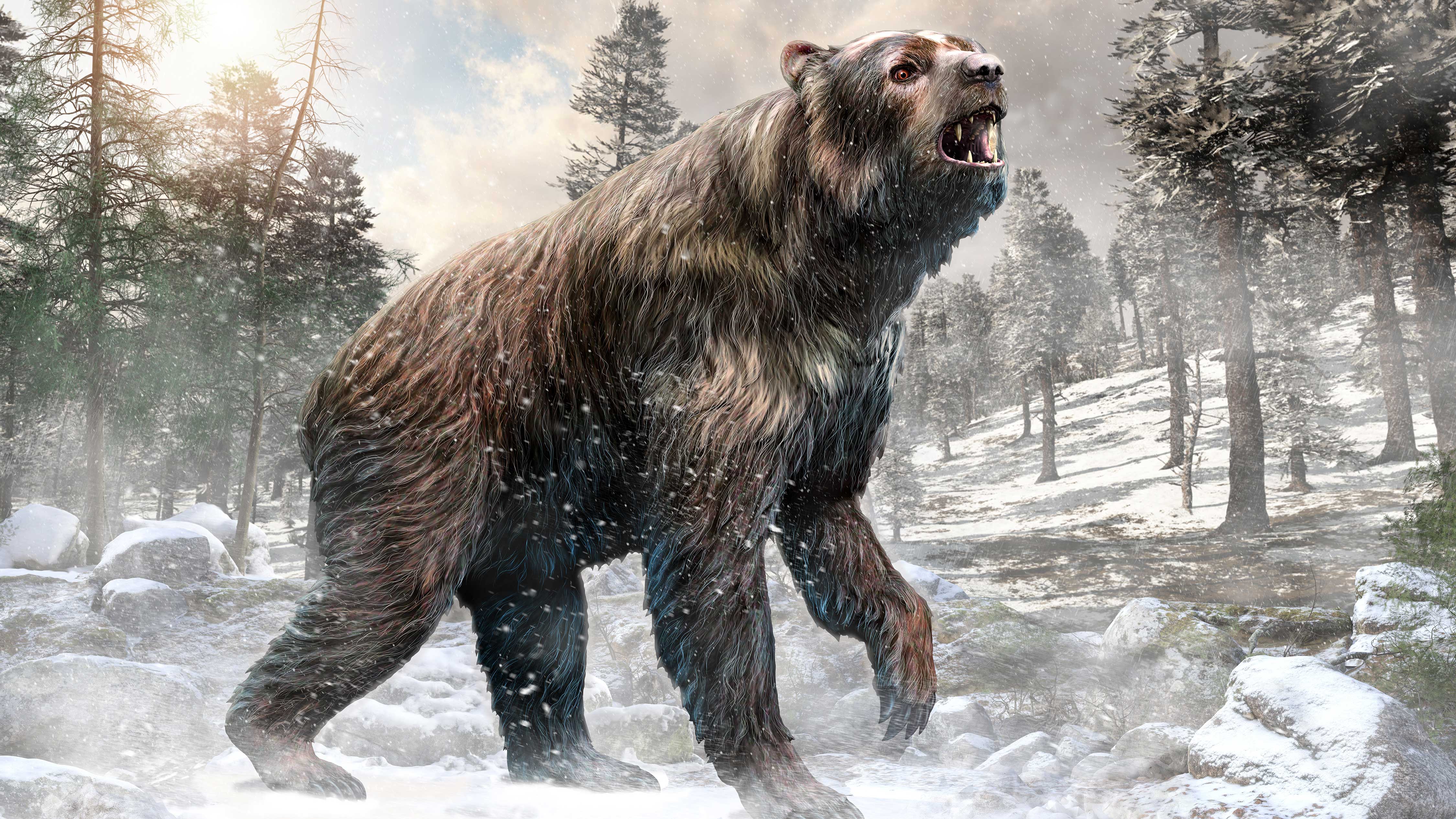
During the Ice Age, North America was home to a variety of massive animals known as megafauna. These included the giant short-faced bear, saber-toothed tiger, dire wolf, mammoth, giant ground sloths, camelops, giant beaver, and American zebra. Most of these species went extinct around 10,000 years ago, possibly due to overhunting by early humans or a sudden climate shift. These extinct giants provide insights into the diverse and unique wildlife that once roamed North America.