Africa hosts many of the world's largest land animals due to a unique co-evolution with early humans, which led to lower extinction rates and the survival of these giants, unlike in other regions where human activity caused significant megafauna die-offs.
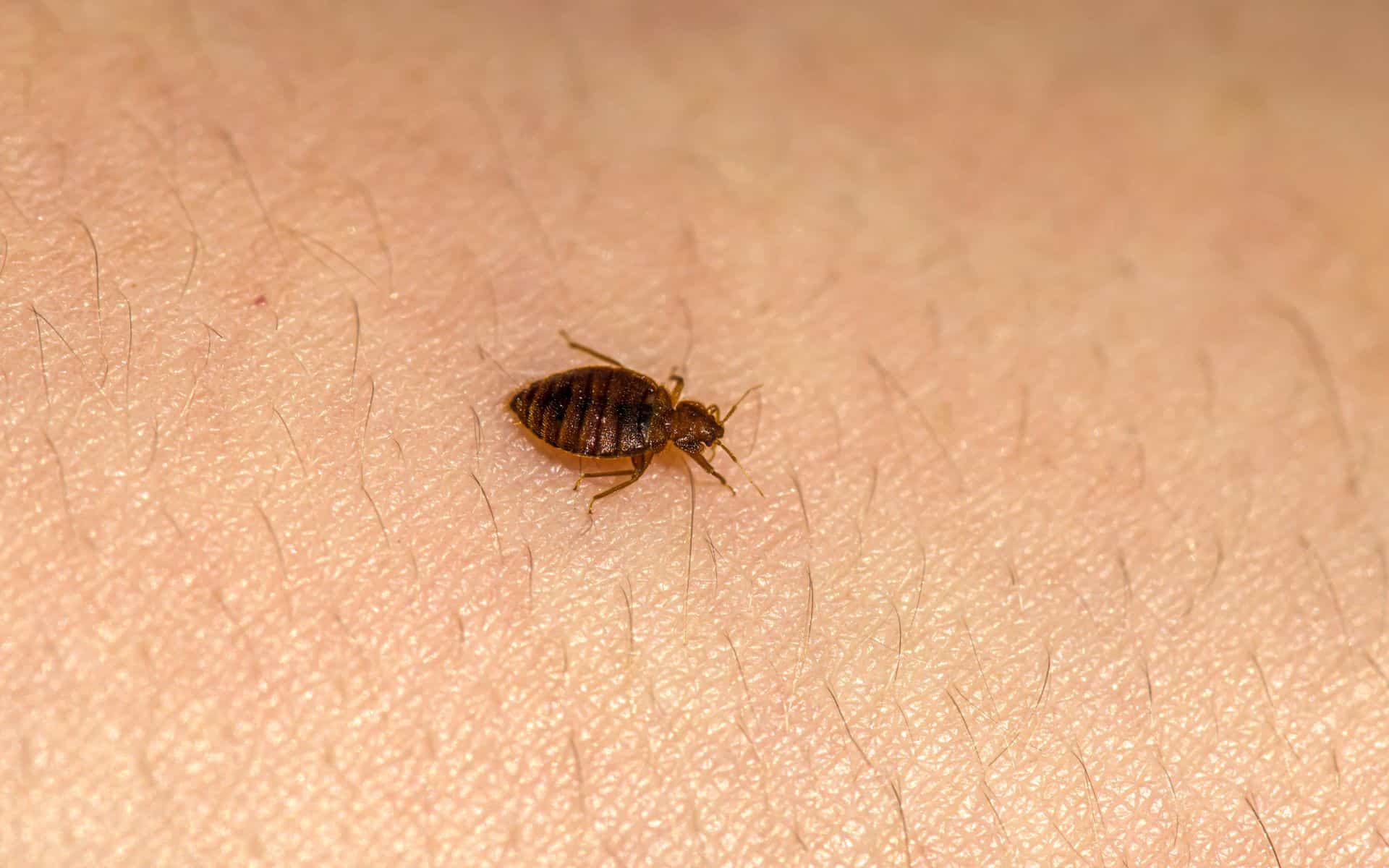
Bed bugs are likely the oldest human pest, having evolved from bats to Neanderthals over 60,000 years ago, with their populations adapting alongside human migration, urbanization, and pesticide resistance, illustrating a long history of co-evolution with humans.
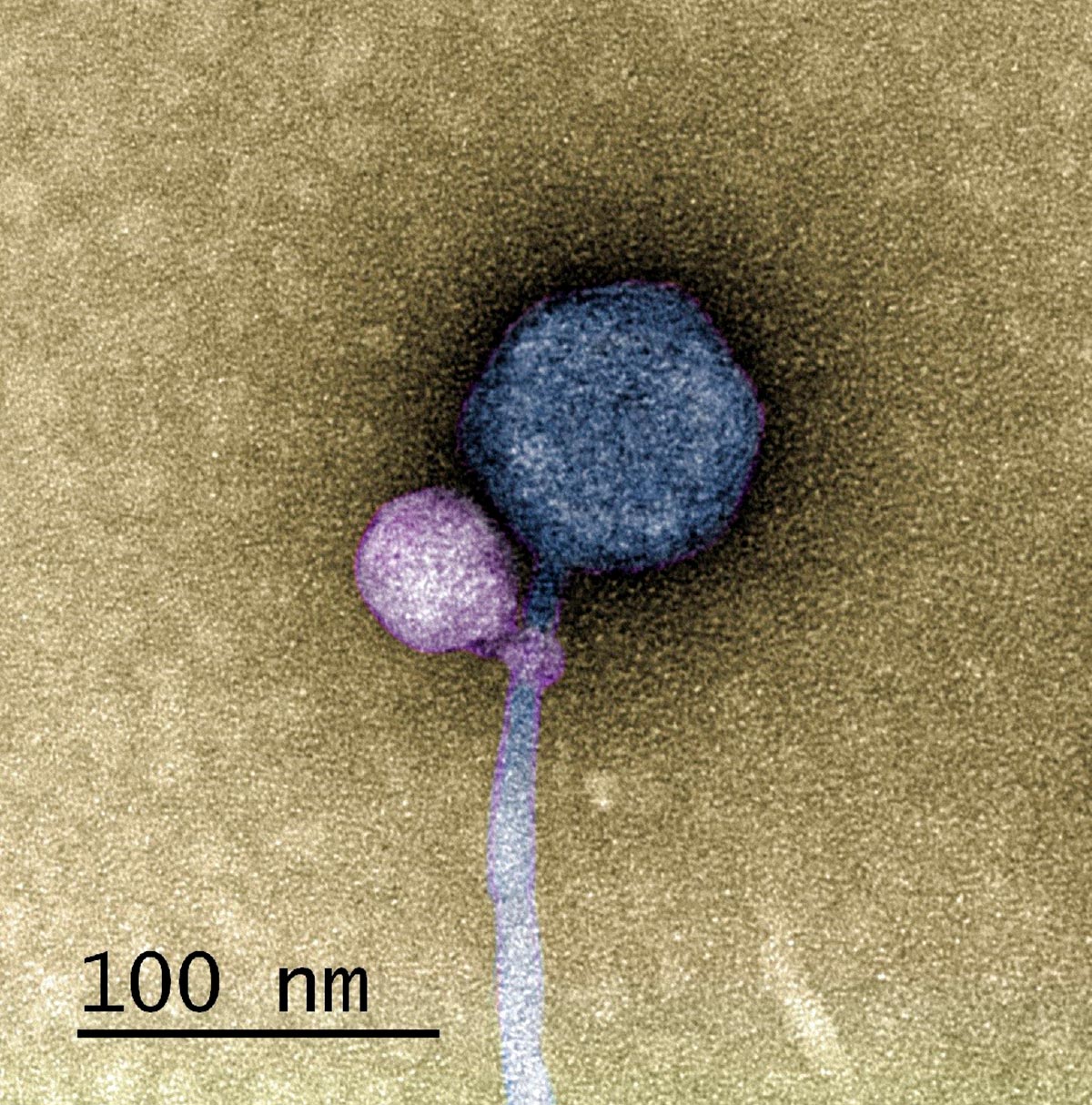
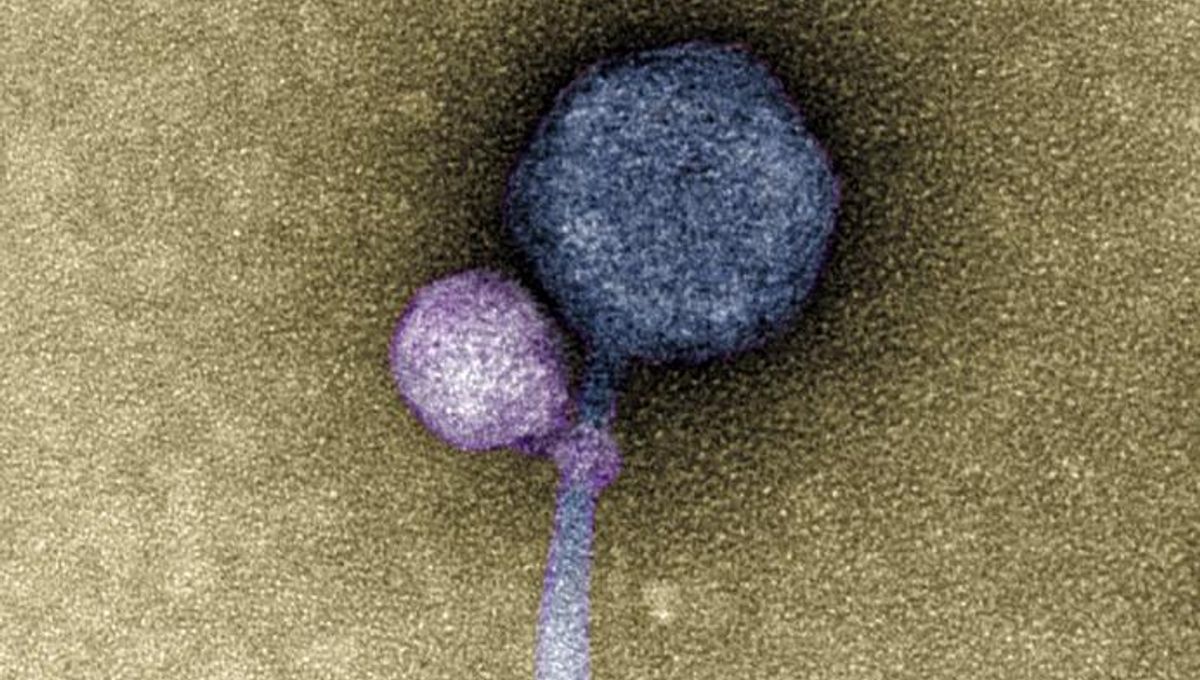
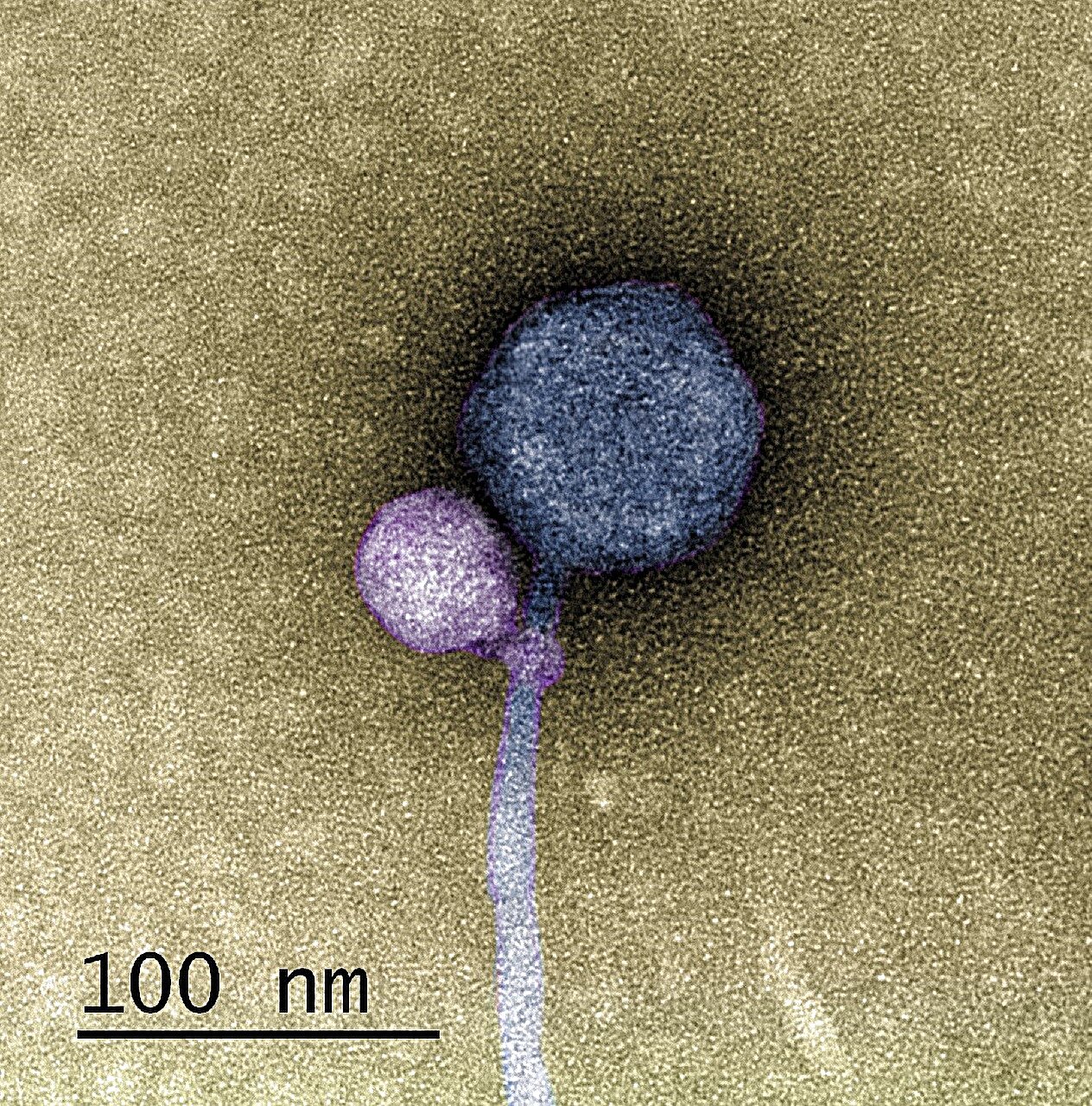
Scientists have made a groundbreaking discovery by observing a satellite bacteriophage physically attaching itself to a helper bacteriophage, marking the first-ever observation of one virus latching onto another. This unique viral relationship suggests a long-term co-evolution between the two viruses, with the satellite virus relying on the helper to build its protective shell or replicate its DNA. The discovery opens up new possibilities for understanding viral interactions and suggests that similar systems may exist in other viruses.
Scientists have observed a virus attaching to another virus for the first time. The virus in question is a bacteriophage, which infects bacteria, and also a satellite virus that relies on "helper" viruses to complete its life cycle. The discovery was made by undergraduate students analyzing bacteriophage sequences, and electron microscopy imaging confirmed the presence of satellite viruses attached to their helpers. The researchers believe this interaction between the viruses could be ancient, with the two co-evolving for at least 100 million years. The findings could help explain some cases of phage sequencing contamination and inspire further research into this phenomenon.
Scientists have made the first-ever observation of one virus attaching to another virus. A team from the University of Maryland, Baltimore County (UMBC) and Washington University in St. Louis discovered a satellite bacteriophage consistently attaching to a helper bacteriophage at the "neck" where the capsid joins the tail. This viral relationship suggests co-evolution for at least 100 million years. The discovery opens up new avenues for understanding viral interactions and the prevalence of satellite-helper systems.