An increasing number of patients are ordering their own lab tests online without medical consultation, leading to challenges for doctors in interpreting results and integrating them into care, as patients seek immediate health insights outside traditional medical pathways.
The article discusses the complex issue of patients refusing cancer treatment, highlighting the importance of respecting patient choices, understanding their perspectives, and addressing systemic issues in healthcare that influence decision-making.
A doctor reflects on her experience with a young cancer patient who refused curative treatment, only to discover after the patient's death that her decision was driven by a deep desire to protect her family. The doctor grapples with feelings of guilt and self-doubt, questioning whether she could have better understood and supported the patient's beliefs. The article highlights the importance of open communication and understanding between doctors and patients, particularly when it comes to treatment decisions based on personal values.
The son of a doctor has shared a viral TikTok video advising female patients to bring a male friend or partner with them to medical appointments in order to be taken more seriously by doctors. He acknowledges the unfortunate and sexist nature of the advice but highlights the reality of the current healthcare system. Many users in the comments shared their own experiences of needing a male counterpart present to receive proper medical care. Sexism in healthcare, including disparities in pain management and treatment, has long been a subject of research. Women have found ways to self-advocate, such as requesting notes in their medical charts and asking for copies of their charts.
Many people turn to Google to search for health symptoms, but it's important to do it right. Start with reputable sources like major health organizations, universities, and hospitals. Brush up on study basics to evaluate the reliability of research. Be mindful of how your search is affecting your emotions and seek professional help if needed. Keep track of sources you find and want to discuss with your healthcare provider. Ultimately, consulting a doctor or healthcare professional is the best way to get accurate answers and guidance.
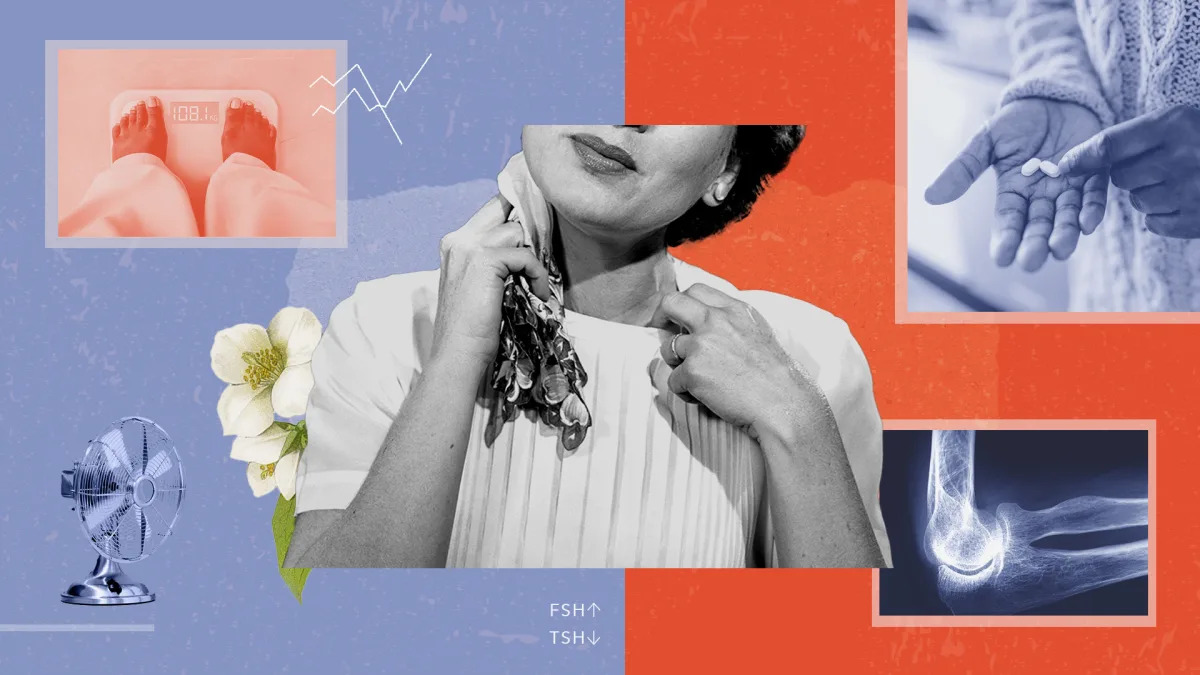
Many women experiencing menopause symptoms are being dismissed or misdiagnosed by their doctors, leading to frustration and a lack of proper treatment. A study found that only one in five women between the ages of 40 and 60 receive a menopause diagnosis, despite 80% of women experiencing symptoms. The medical community lacks education on menopause management, with only 6% of residents feeling comfortable managing menopause. Doctors' reluctance to prescribe hormone replacement therapy (HRT) further hinders women from receiving treatment. To advocate for themselves, women are encouraged to educate themselves, organize their symptoms, prepare for doctor's visits, and ask questions about managing symptoms and treatment options.
Google's chief health officer, Dr Karen DeSalvo, has highlighted the potential of artificial intelligence (AI) in healthcare, stating that it could provide better access to quality services and support doctors in addressing workforce shortage issues. However, she emphasized the need for caution and ethical considerations in utilizing AI, as it should be seen as a tool in the doctor's toolbox rather than a replacement for human doctors. DeSalvo mentioned the importance of ensuring factual and consistent information and addressing concerns about potential misdiagnosis. The ultimate goal is to empower patients with knowledge and agency while maintaining the doctor-patient relationship.
Medical gaslighting, where patients' symptoms are ignored or dismissed, disproportionately affects marginalized communities and can lead to delayed diagnoses and worse outcomes. Experts blame a lack of time to properly get to know patients, changing medical research, and a history of studies that focused mostly on white male patients. Women often suffer from delayed diagnoses due to differences in how they present with common diseases and a lack of research on female patients. Patients are encouraged to trust their instincts, prepare ahead of appointments, ask for clarifications and second opinions, and be their own advocates.
Multibillion-dollar corporations, particularly giant health insurers, are buying up primary care practices due to the vast numbers of patients they oversee, who bring business and profits to a hospital system, a health insurer, or a pharmacy outfit eyeing expansion. The growing privatization of Medicare, the federal health insurance program for older Americans, means that more than half its 60 million beneficiaries have signed up for policies with private insurers under the Medicare Advantage program. However, experts warn the consolidation will lead to higher prices and systems driven by the quest for profits, not patients’ welfare.
Multibillion-dollar corporations, particularly giant health insurers, are buying up primary care practices due to the growing privatization of Medicare, which means that more than half its 60 million beneficiaries have signed up for policies with private insurers under the Medicare Advantage program. Despite their lowly status, primary care doctors oversee vast numbers of patients, who bring business and profits to a hospital system, a health insurer or a pharmacy outfit eyeing expansion. However, experts warn the consolidation will lead to higher prices and systems driven by the quest for profits, not patients’ welfare.
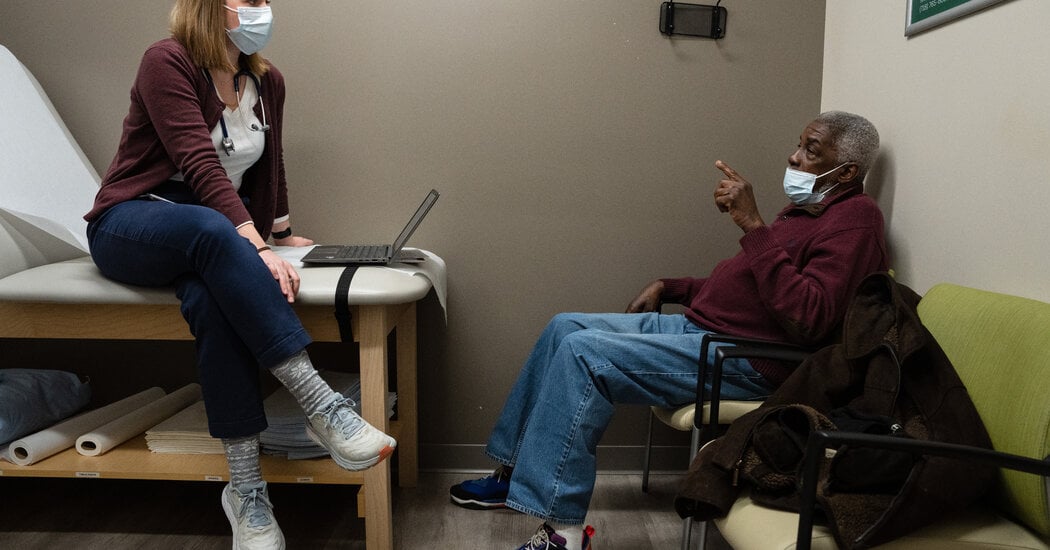
Large corporations, particularly health insurers, are buying up primary care practices due to the vast number of patients they oversee, who bring business and profits to the company. The growing privatization of Medicare, the federal health insurance program for older Americans, means that more than half its 60 million beneficiaries have signed up for policies with private insurers under the Medicare Advantage program. However, experts warn that the consolidation will lead to higher prices and systems driven by the quest for profits, not patients’ welfare, and threaten the personal nature of the doctor-patient relationship.