A couple who began IVF treatment on Christmas Day after years of infertility and medical challenges successfully welcomed a baby boy after an 11-year struggle, celebrating their miracle during the holiday season.
The article discusses the historical decline and recent resurgence of testosterone therapy in medicine, highlighting how misconceptions, particularly linking testosterone to prostate cancer, led to its decline. Abraham Morgentaler played a key role in challenging these beliefs through clinical evidence, showing that testosterone therapy is safe for men with hypogonadism and emphasizing the importance of considering individual patient experiences. The piece also explores the cultural and medical biases that have hindered the acceptance of testosterone treatment.
To maximize the effectiveness of a doctor's visit, patients should prepare by making a list of symptoms and questions, updating their medical history, and bringing a friend if needed. This helps ensure important concerns are addressed and reduces the chance of forgetting key information during the appointment.
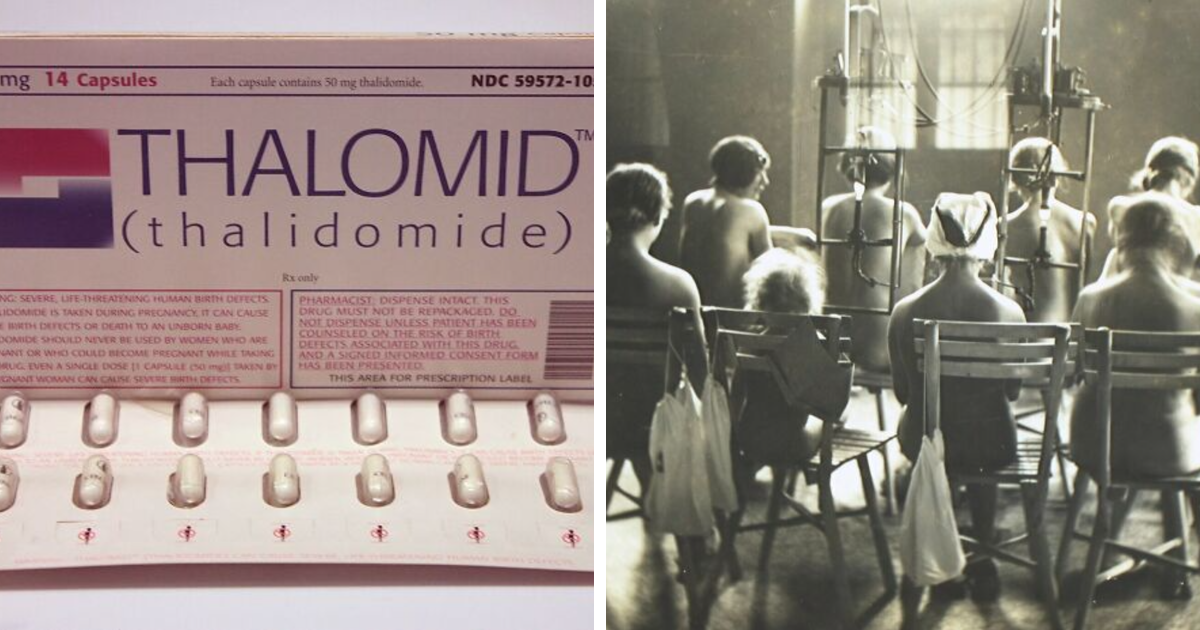
The article showcases bizarre and outdated medical devices and treatments from the past, highlighting how far modern medicine has come in terms of safety, effectiveness, and understanding of health, from early surgical methods to advanced diagnostic technology and vaccines.
Yordan Alvarez's hand injury, initially thought to be inflammation, was later revealed to be a small fracture, raising concerns about the Astros' medical procedures and injury management. The team has faced scrutiny for delayed diagnosis and lack of transparency, with Alvarez now unable to swing a bat as he recovers.
A suspect in a case involving UnitedHealthcare is reported to have a history of back pain, highlighting a common medical issue. The article suggests that this medical condition may have played a role in the suspect's actions.
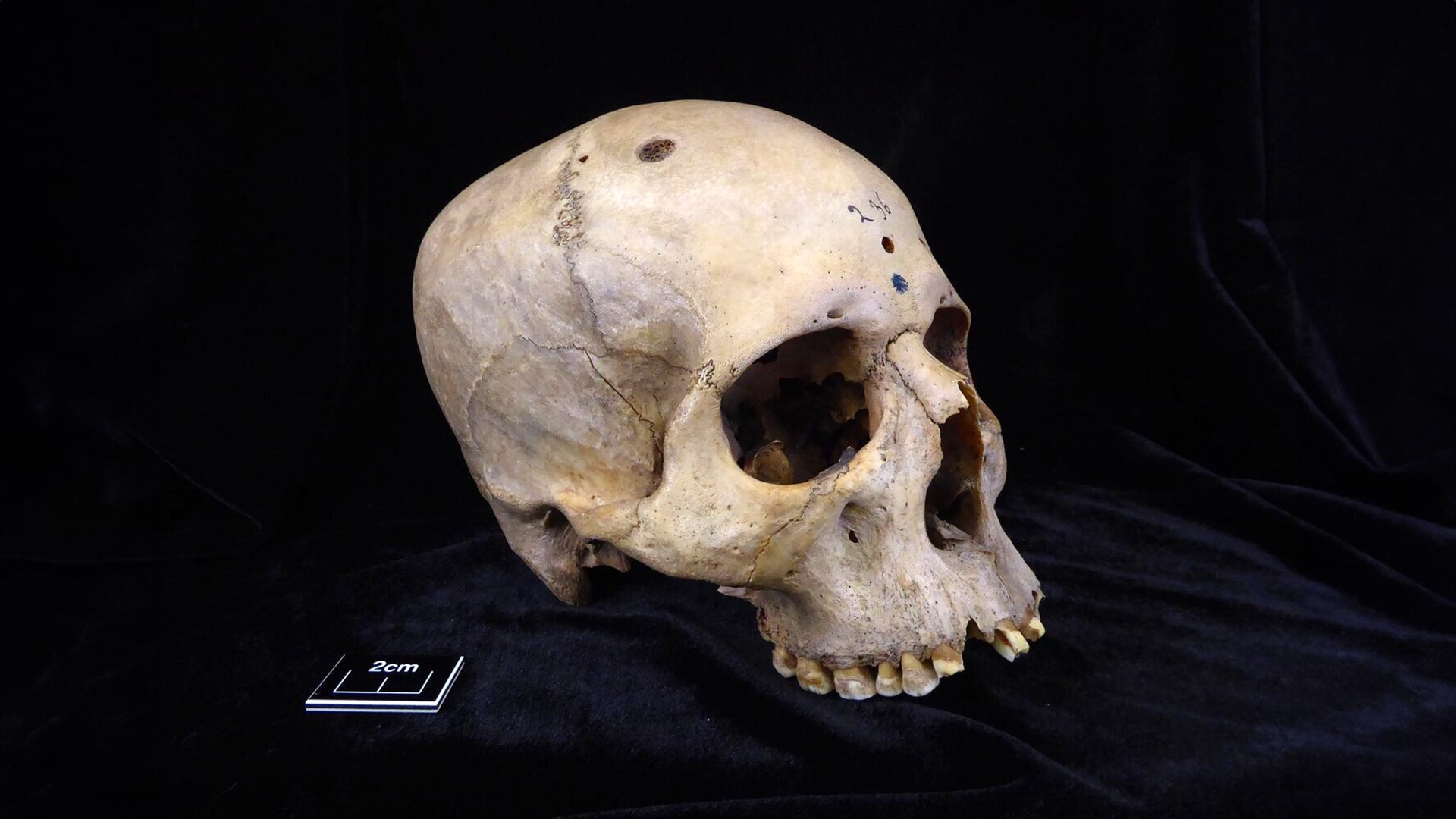
Researchers have discovered cutmarks on a 4,000-year-old Egyptian skull, indicating ancient attempts at cancer surgery. This finding provides unique evidence that ancient Egyptians explored medical treatments for cancer, showcasing their advanced medical knowledge and experimental approaches. The study, published in Frontiers in Medicine, highlights the complexity of ancient medical practices and opens new perspectives on the history of medicine.
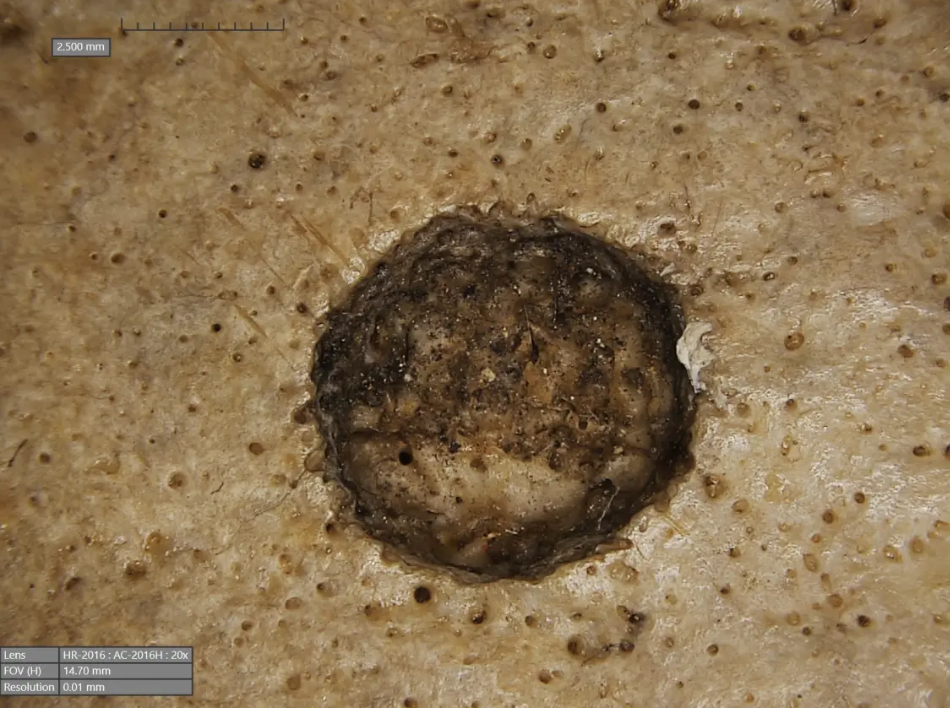
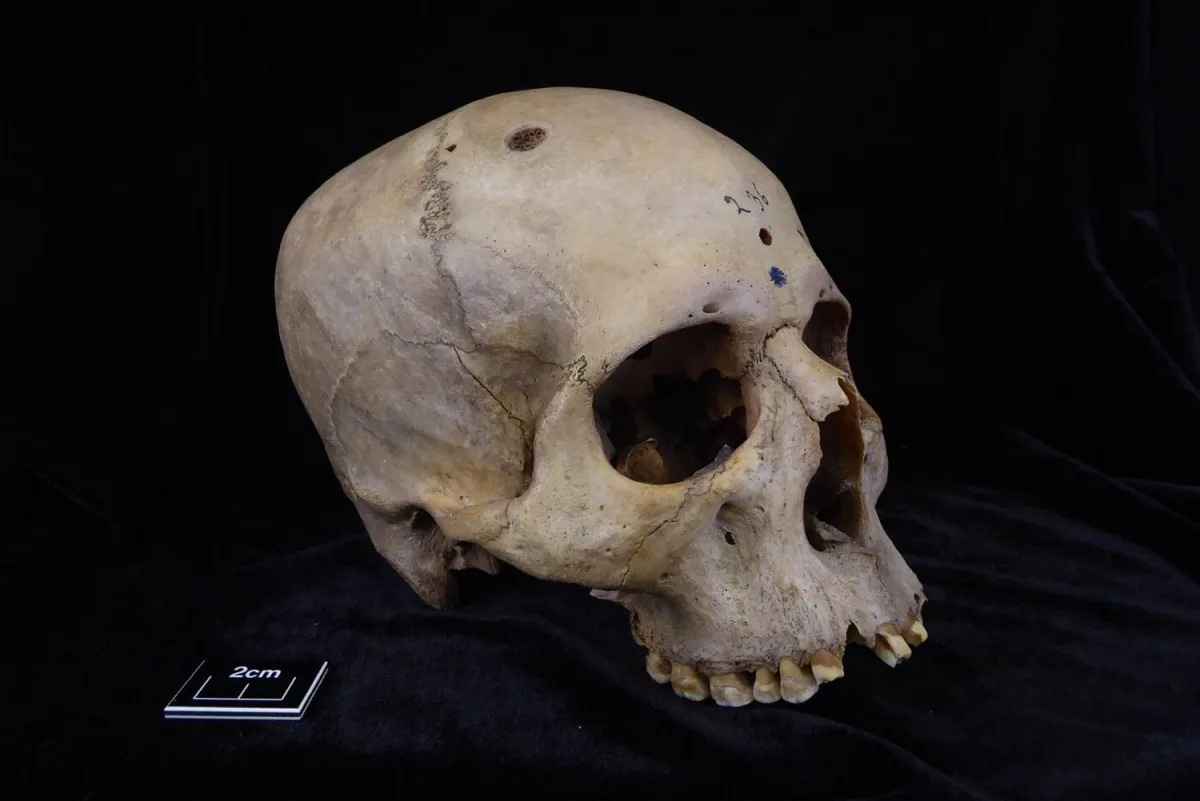
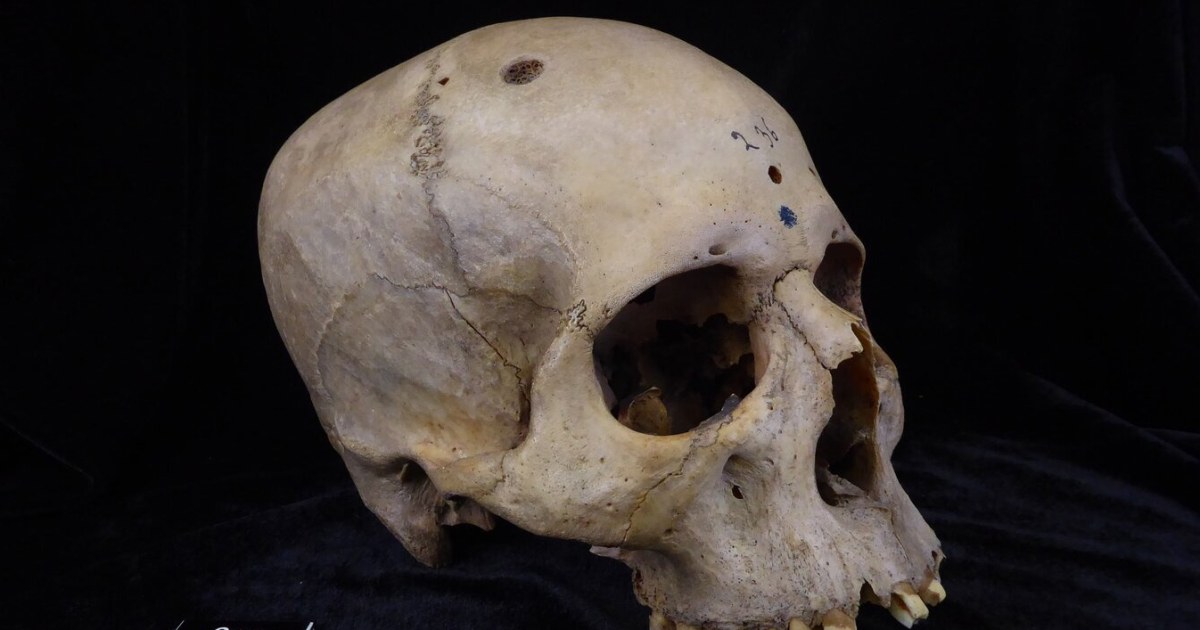
Scientists have discovered evidence of brain surgery performed by ancient Egyptian physicians around 4,000 years ago, marking the earliest known attempt to treat cancer. Micro-CT scans of a skull revealed cut marks from sharp implements, suggesting either surgical removal of malignant tumors or a medical autopsy. This finding highlights the advanced medical knowledge of ancient Egyptians and provides a significant milestone in the history of medicine.
A new study suggests that ancient Egyptians may have been the first to explore and treat cancer, based on evidence from two skulls found in Giza. One skull, dating back over 4,000 years, shows signs of surgical intervention for brain tumors, potentially marking the earliest known cancer treatment. This discovery could push back the timeline of documented cancer treatment by up to 1,000 years.
Sweating sickness, a mysterious and deadly disease that struck Europe in the 1500s, remains an enigma to scientists. Despite extensive historical records and various theories about its cause, including bacteria and viruses, no definitive culprit has been identified. The disease, characterized by rapid onset of severe sweating and high mortality rates, vanished as suddenly as it appeared, leaving its origins and potential for reemergence unknown.
A study published in Frontiers in Medicine reveals that ancient Egyptians attempted cancer surgery over 4,000 years ago, as evidenced by cut marks around cancerous growths on two ancient skulls. This finding highlights the advanced medical knowledge of ancient Egyptians and marks a significant milestone in the history of medicine.
Researchers led by Edgard Camarós have discovered evidence that ancient Egyptians attempted to treat cancer 4,500 years ago, pushing back the timeline of early cancer treatment by 1,000 years. The team found cut marks on a skull from Giza, indicating an early form of surgery or autopsy. This finding, published in the Frontiers in Medicine journal, highlights the long history of scientific curiosity and efforts to understand and treat cancer.
Researchers have discovered thin cuts on two ancient Egyptian skulls, suggesting possible early attempts at cancer treatment around 4,000 years ago. The findings, published in Frontiers in Medicine, highlight the advanced medical knowledge of ancient Egyptians and suggest that cancer may have been more prevalent in antiquity than previously thought.
Researchers have discovered evidence of ancient Egyptian attempts at cancer surgery on two skulls dating back over 4,000 years. The male skull, dated from 2,687 to 2,345 B.C., showed cut marks around cancerous lesions, indicating early surgical intervention. This finding, published in the journal Frontiers in Medicine, highlights a significant milestone in the history of medicine, revealing that ancient Egyptians explored ways to treat cancer despite their limited medical knowledge.
Researchers have discovered evidence of surgical tumor removal in a 4,000-year-old Egyptian skull, marking a significant milestone in the history of medicine. Using modern technology, scientists identified cut marks around tumor scars, suggesting ancient Egyptian physicians attempted to surgically treat or study cancer. This finding highlights the advanced medical knowledge of ancient Egypt and opens new avenues for reevaluating historical medical practices.