
Fibroblast Niches Drive Crohn’s Fistula Formation
TL;DR Summary
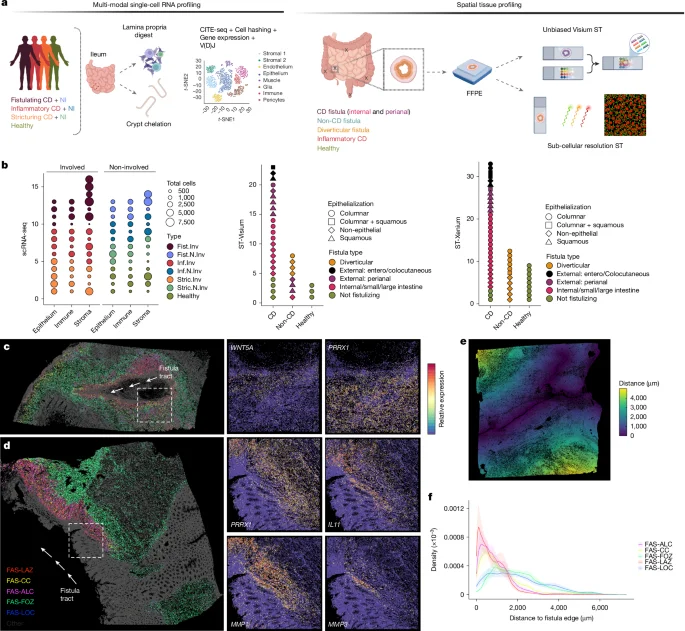
This study uses spatial transcriptomics and single-cell analysis to uncover how specialized fibroblast niches, particularly FAS cells, contribute to the formation, progression, and persistence of Crohn's fistulae, highlighting their roles in tissue remodeling, immune regulation, and epithelial regeneration, with implications for targeted therapies.
Topics:health#crohns-disease#fibroblasts#fistulae#immune-interactions#medicine#spatial-transcriptomics
Reading Insights
Total Reads
0
Unique Readers
12
Time Saved
112 min
vs 113 min read
Condensed
100%
22,413 → 43 words
Want the full story? Read the original article
Read on Nature