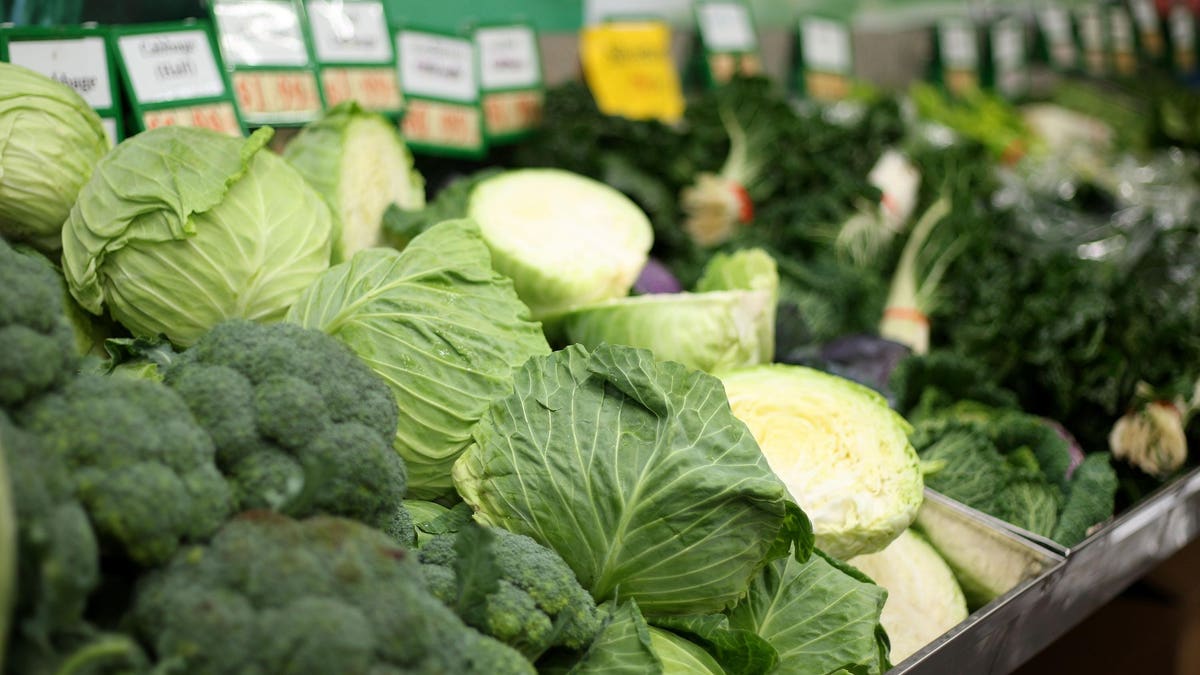
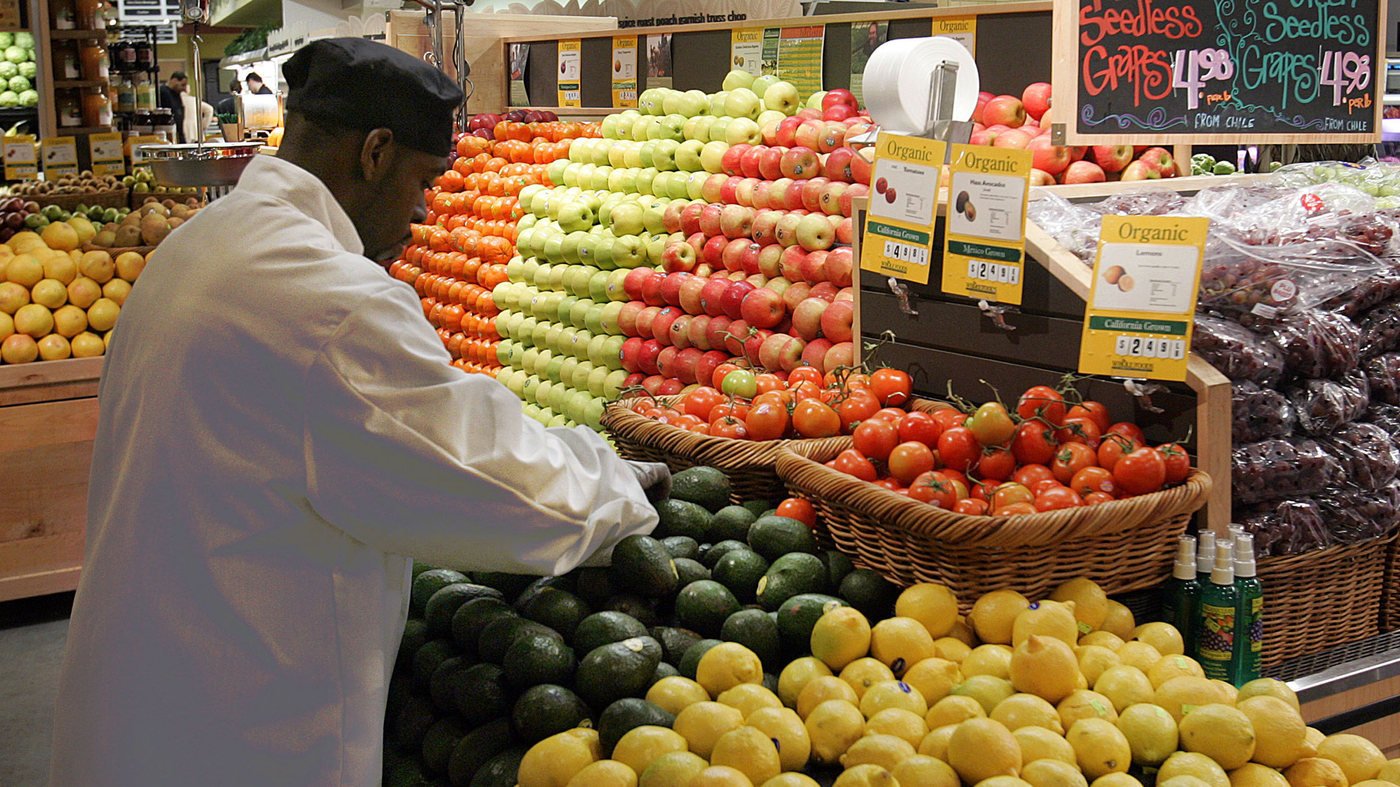
Recent studies highlight that prescribing fruits and vegetables can significantly improve health outcomes, such as lowering blood pressure and reducing the risk of heart attacks and strokes, emphasizing the role of diet as medicine.
A study published in the Annals of Internal Medicine reveals that the quality of the American diet has seen modest improvements over the past two decades, with fewer adults having poor dietary quality. However, significant disparities remain, particularly among marginalized communities. The study highlights increased consumption of healthier foods like nuts, whole grains, and poultry, and decreased intake of refined grains and sugary drinks. Despite some progress, the diet quality gap persists, especially for young adults, women, Hispanic adults, and those with higher education and income levels.
Acknowledging the true cost of food could lead to significant savings in healthcare costs and improved health outcomes. A report from the Rockefeller Foundation estimates that diet-driven diseases have an annual impact of over $2 trillion on health and the environment. By providing nutritionally designed food to patients with diet-related conditions, such as diabetes, it is estimated that 1.6 million hospitalizations could be avoided annually, resulting in a potential net savings of $13.6 billion in healthcare costs in the first year alone. This presents a big business opportunity for initiatives like produce prescriptions and nutritionist-formulated meals.
The National Institutes of Health has launched a Nutrition for Precision Health study to understand how people's bodies respond differently to food based on genetics, gut microbes, and other lifestyle and environmental factors. The study aims to develop tailored approaches for individuals using machine learning and artificial intelligence to predict how individuals will respond to a given food or dietary pattern. The study will cost about $170 million over the next five years and is part of the All of Us research initiative.