The demand for leucovorin, a drug touted by President Trump for autism treatment, is rising despite limited and small-scale scientific evidence. Doctors are cautious, emphasizing the need for more robust research before widespread prescribing, while families and online communities are increasingly interested in its potential benefits.
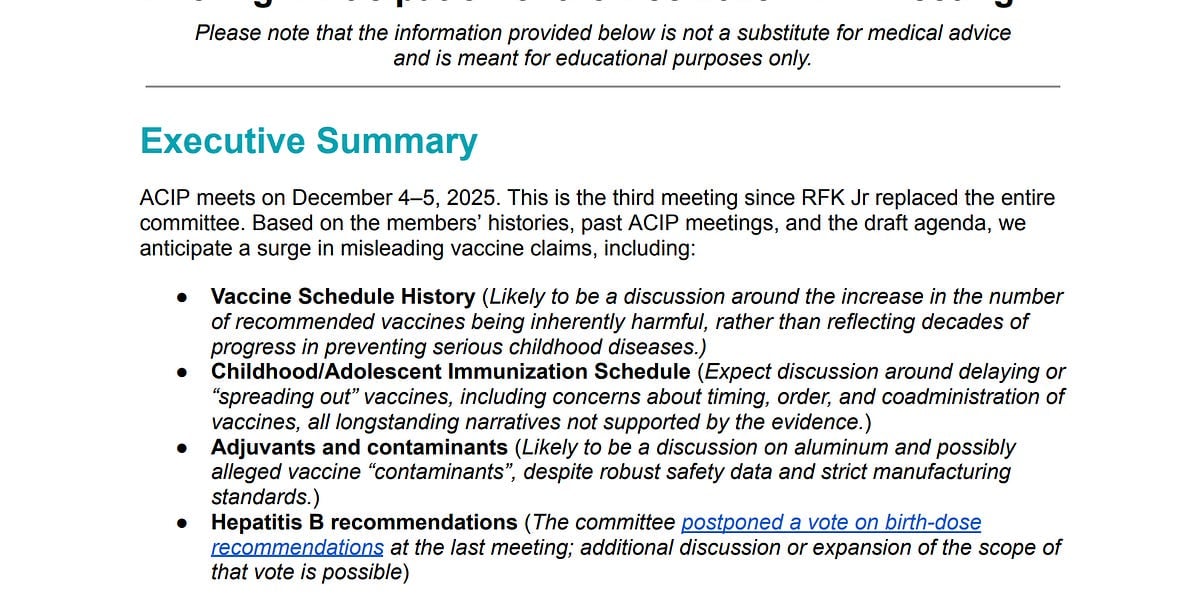
The article discusses the upcoming ACIP meeting, which influences U.S. vaccine policies, insurance coverage, and public perception, highlighting the importance of understanding its decisions.
Recent HIV studies reveal promising routes toward a cure, including immunotherapy that may control the virus without daily medication, highlighting significant progress in HIV research.
The FDA announced it will remove the bold warning label on over 20 hormone-based menopause drugs about risks like stroke and heart attack, citing recent studies suggesting these drugs are safer when used before age 60 or within 10 years of menopause, and supporting a more nuanced understanding of their benefits and risks.
A large-scale study confirms that millions of people taking beta-blockers after a heart attack may be doing so unnecessarily, as the drugs show no benefit for patients with preserved heart function, potentially leading to changes in treatment guidelines and significant healthcare savings.
The American College of Obstetricians and Gynecologists recommends that pregnant women, those planning pregnancy, and breastfeeding women avoid cannabis use due to evidence linking it to adverse birth outcomes and developmental issues in children.
California is recommending COVID-19 vaccination for children 6 months to 2 years old and pregnant/lactating individuals, aligning with medical groups' guidance, despite the CDC's limited recommendations under HHS Secretary Robert F. Kennedy Jr., aiming to promote a science-based approach and protect vulnerable populations.
Orders for the unnecessary 1,25-dihydroxy vitamin D test are increasing, driven by electronic ordering systems and lack of clinician awareness, despite guidelines recommending its use only in specific conditions, leading to higher costs and potential misinterpretation of vitamin D status.
California is diverging from CDC recommendations by endorsing COVID-19 vaccination for children 6 months to 2 years old and pregnant/lactating individuals, following guidance from leading medical groups, despite recent changes in CDC policy under HHS Secretary Robert F. Kennedy Jr. The state emphasizes the importance of vaccines in reducing severe COVID-19 outcomes and aims to maintain consistent, science-based public health messaging.
A large international study called REBOOT found that beta-blockers may not provide benefits for most heart attack patients with preserved heart function, and could even be harmful to women, suggesting a need to revise current treatment guidelines.
Recent studies suggest that routine use of beta blockers after a heart attack may not benefit all patients with preserved heart function, prompting a potential re-evaluation of long-standing medical practices, especially for those with minimal heart damage and no other indications for these drugs.
Colorectal cancer is a common and preventable disease that can be effectively detected early through colonoscopies and other screening methods. The recommended screening age has been lowered to 45 in the US due to rising rates among younger adults. A colonoscopy is a safe, outpatient procedure used to identify and remove polyps or abnormal growths in the colon, with preparation involving dietary restrictions and laxatives. Regular screening is crucial, especially for those with higher risk factors, and awareness of symptoms can aid early detection.
The Alzheimer’s Association has issued new guidelines suggesting that blood tests with over 90% sensitivity and 75-90% specificity can be used to help diagnose Alzheimer’s disease, potentially replacing more invasive tests like PET scans, especially in cases of cognitive impairment, though they should complement full clinical evaluations. This move aims to improve access to diagnosis, particularly in rural areas, and supports the ongoing development of blood-based diagnostic tools, which are increasingly being integrated into treatment protocols.
Experts warn that antidepressant withdrawal is a significant public health issue, especially for long-term users, with recent research indicating severe and lasting withdrawal symptoms that are often underestimated due to reliance on short-term, industry-funded studies. The UK government now recognizes this problem, which has been historically overlooked due to outdated guidelines and limited long-term data. A new review suggests current studies may underestimate withdrawal risks, emphasizing the need for better understanding and management of antidepressant discontinuation.
New research warns that overuse of CT scans in the US could cause over 103,000 new cancer cases in the future, highlighting concerns about unnecessary scans driven by reassurance-seeking and routine use, especially in children and healthy individuals. Experts emphasize the importance of limiting low-value scans, reducing radiation doses, and following strict guidelines to minimize risks while ensuring necessary diagnostics.