Tag

Colonoscopy

All articles tagged with #colonoscopy

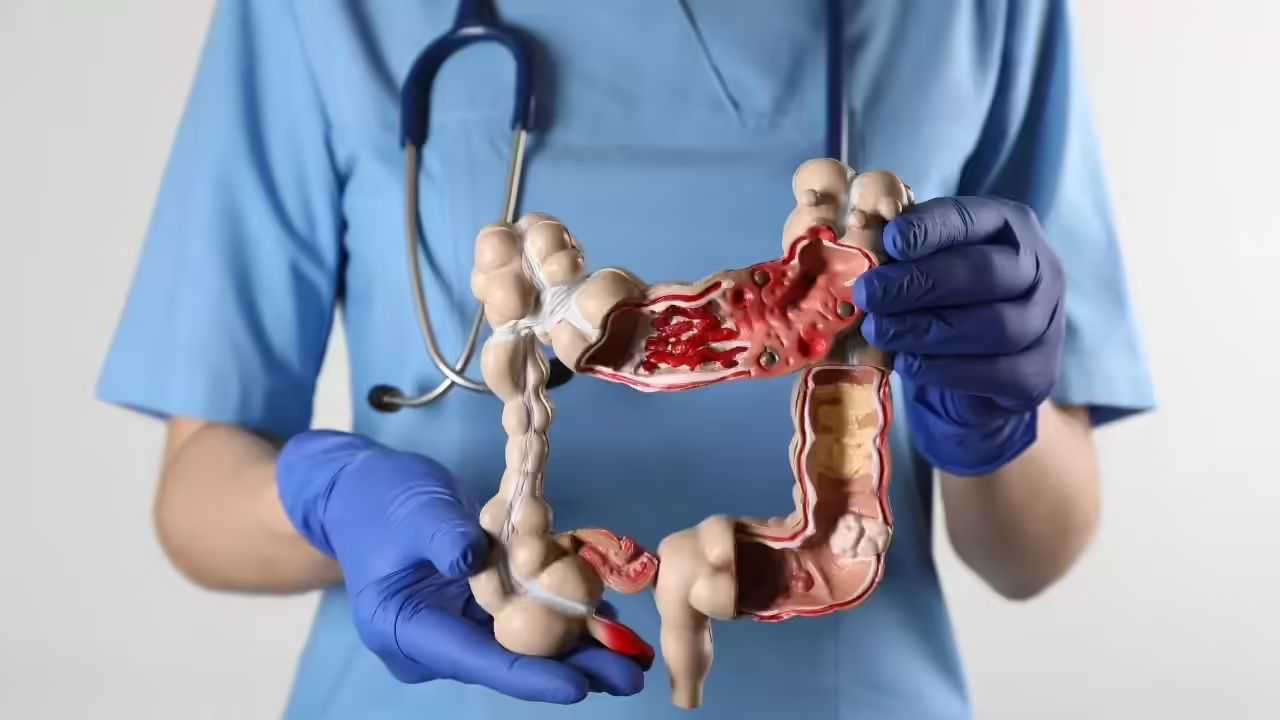
What to Do After Discovering Colon Polyps

Originally Published 21 days ago — by Woman's World

Featured image for What to Do After Discovering Colon Polyps
Source: Woman's World

Colon polyps are common, usually symptomless growths in the colon that can sometimes develop into cancer. Screening via colonoscopy is crucial for early detection and removal, significantly reducing colorectal cancer risk. Symptoms like bleeding or changes in bowel habits should prompt medical evaluation, especially after age 45 or with risk factors. Lifestyle changes and alternative screening methods can help lower risk, but regular screening remains the most effective prevention.

Lynch Syndrome Patient Faces Decision on Continuing Colonoscopies

Originally Published 2 months ago — by The Detroit News

Featured image for Lynch Syndrome Patient Faces Decision on Continuing Colonoscopies
Source: The Detroit News

A 79-year-old woman with Lynch syndrome is uncertain about continuing colonoscopies due to her age and cardiac risks. Dr. Roach explains that the decision to stop screening depends on individual health and risk factors, noting her lifetime colon cancer risk is about 20%, but her risk decreases with age. Both risks are low, so stopping is reasonable if she prefers, but continuing is also acceptable.

Top Signs and Advances in Colon Cancer Detection

Originally Published 4 months ago — by Hindustan Times

Featured image for Top Signs and Advances in Colon Cancer Detection
Source: Hindustan Times

Dr. Saurabh Sethi, a gastroenterologist trained at AIIMS, Harvard, and Stanford, highlights 8 signs of colon cancer such as blood in stool, persistent bowel changes, unexplained weight loss, and fatigue, emphasizing the importance of early detection through screening like colonoscopy to improve survival rates. Lifestyle and dietary habits, including high-fiber foods and omega-3 fatty acids, can help reduce risk.

AI's Impact on Doctors' Cancer Detection Skills Raises Concerns

Originally Published 5 months ago — by The Verge

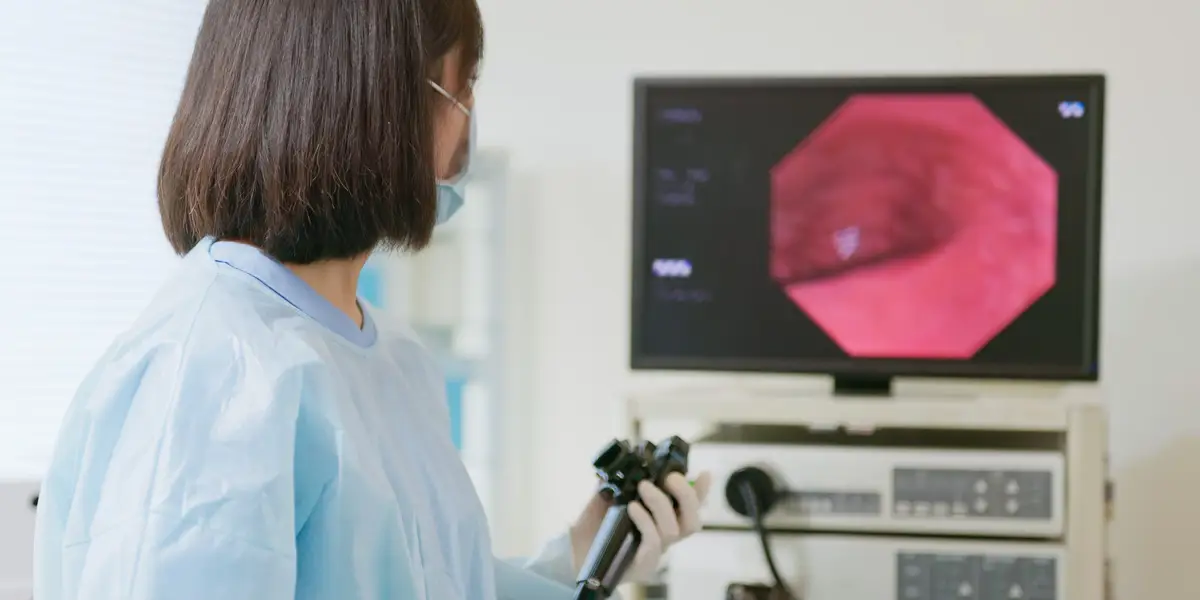
Featured image for AI's Impact on Doctors' Cancer Detection Skills Raises Concerns
Source: The Verge

A study published in The Lancet Gastroenterology & Hepatology found that doctors who frequently used AI to detect cancer during colonoscopies performed worse at cancer detection when AI was not in use, raising concerns about potential de-skilling and the impact of AI on medical professionals' skills.

Understanding Colonoscopies: Do You Need One?

Originally Published 5 months ago — by The Guardian

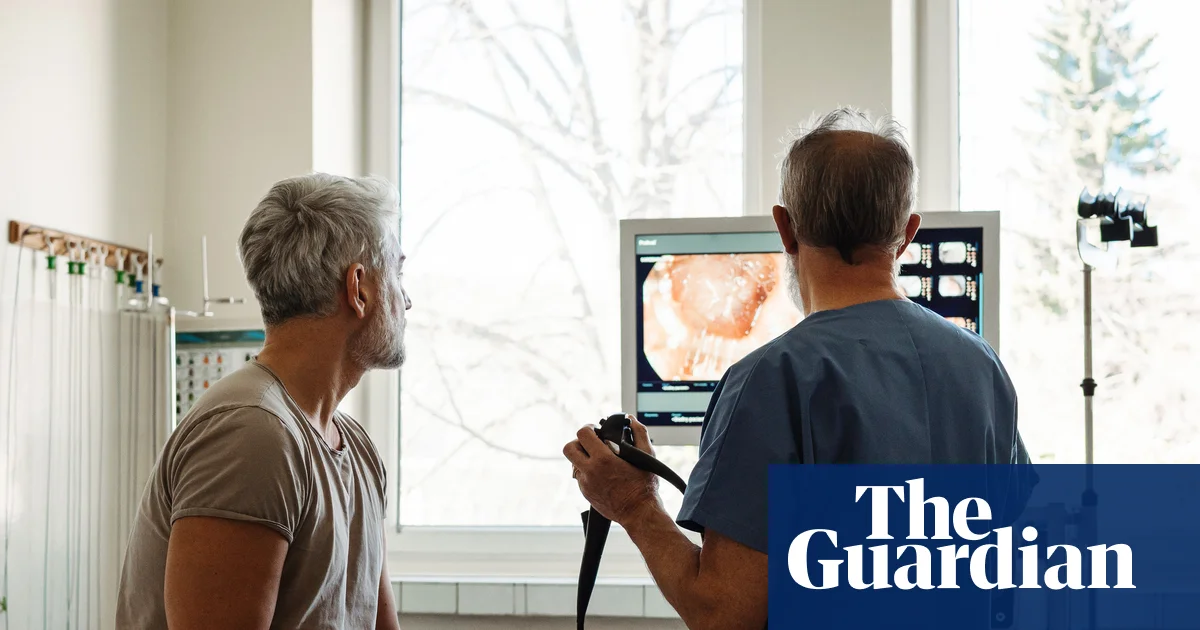
Featured image for Understanding Colonoscopies: Do You Need One?
Source: The Guardian

Colorectal cancer is a common and preventable disease that can be effectively detected early through colonoscopies and other screening methods. The recommended screening age has been lowered to 45 in the US due to rising rates among younger adults. A colonoscopy is a safe, outpatient procedure used to identify and remove polyps or abnormal growths in the colon, with preparation involving dietary restrictions and laxatives. Regular screening is crucial, especially for those with higher risk factors, and awareness of symptoms can aid early detection.

Advancements in Non-Invasive Colorectal Cancer Detection and Screening Markets

Originally Published 6 months ago — by Money Talks News

Featured image for Advancements in Non-Invasive Colorectal Cancer Detection and Screening Markets
Source: Money Talks News

A recent study published in The Lancet found that fecal immunochemical testing (FIT), a less invasive and more cost-effective method, is as effective as colonoscopy in reducing deaths from colorectal cancer over a 10-year period, with higher participation rates and potential for broader accessibility.

Early Signs of Colon Cancer Lead to Costly Colonoscopy in 30s

Originally Published 6 months ago — by Business Insider

Featured image for Early Signs of Colon Cancer Lead to Costly Colonoscopy in 30s
Source: Business Insider

A woman in her 30s with a family history of colon cancer experienced symptoms like rectal bleeding, prompting her to get a colonoscopy despite concerns about cost and procedure intensity. The colonoscopy revealed hemorrhoids and removed polyps, one potentially precancerous, providing peace of mind and early detection benefits. The story highlights the importance of timely screening despite financial and procedural challenges, especially given rising colon cancer rates among young people.

Rising Colon Cancer Cases in Young Adults Highlight Need for Early Screening

Originally Published 7 months ago — by Forbes

Featured image for Rising Colon Cancer Cases in Young Adults Highlight Need for Early Screening
Source: Forbes

Regular colon cancer screening starting at age 45, or earlier if at higher risk, is crucial for early detection and prevention. Various screening options are available, with colonoscopy being the most comprehensive. Discuss with your healthcare provider to choose the best method and timing to reduce the risk of advanced cancer and save lives.

From Colonoscopy to Vacation: A Journey of Relief

Originally Published 1 year ago — by The Boston Globe

Featured image for From Colonoscopy to Vacation: A Journey of Relief
Source: The Boston Globe

Kara Baskin shares her experience of preparing for and undergoing a colonoscopy, detailing the anxiety and dietary restrictions leading up to the procedure. Despite initial nervousness and the challenges of a clear liquid diet, she finds the process manageable and ultimately rewarding, with the peace of mind from a clean bill of health. The article humorously recounts her journey through the stages of grief, culminating in a celebratory sandwich post-procedure.

UAB Provides Free Colonoscopies for Low-Income Individuals

Originally Published 1 year ago — by AL.com

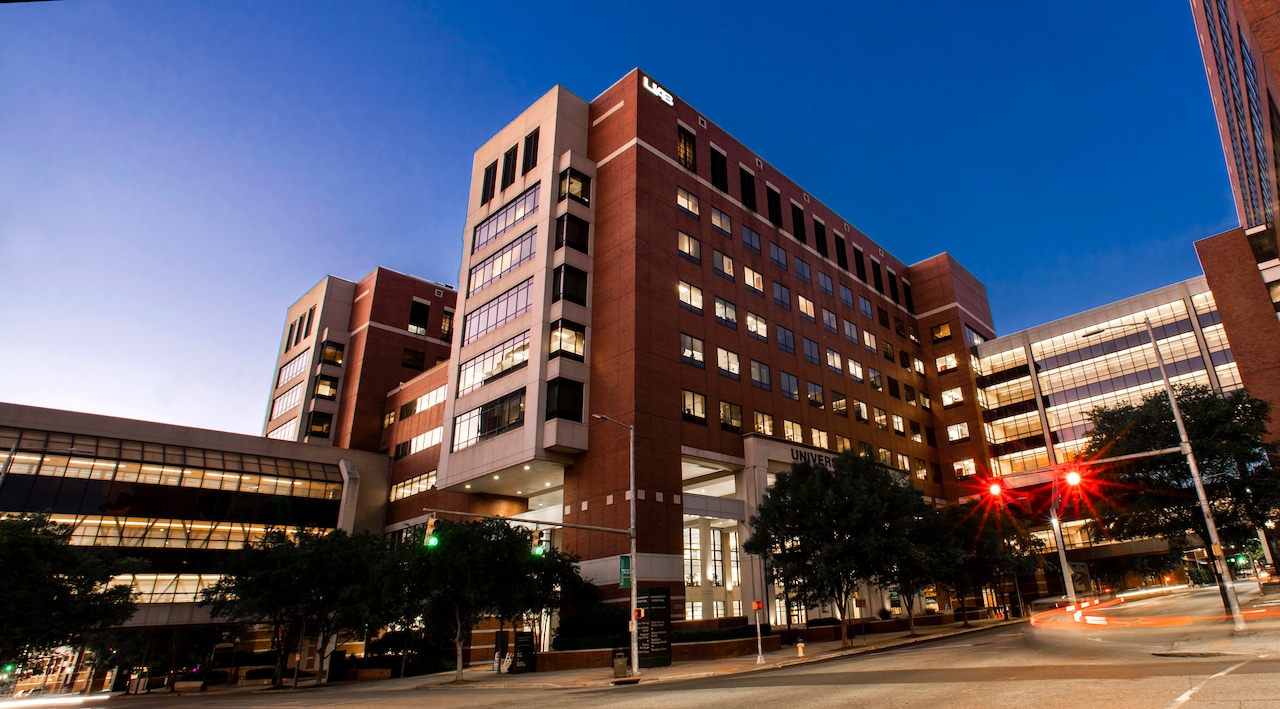
Featured image for UAB Provides Free Colonoscopies for Low-Income Individuals
Source: AL.com

UAB is offering free colonoscopies to low-income and underinsured residents in Jefferson County through September 2024, funded by a $120,000 state grant aimed at reducing health disparities in colorectal cancer. The initiative, which has already screened 100 patients, focuses on those from federally qualified health centers and has successfully identified and treated early-stage cancers.

Former Indianapolis TV Anchor Tanya Spencer Dies at 53

Originally Published 1 year ago — by Yahoo! Voices

Featured image for Former Indianapolis TV Anchor Tanya Spencer Dies at 53
Source: Yahoo! Voices

Former Indianapolis TV anchor Tanya Spencer, also known as Tanya Sumner, passed away at 53 from aggressive colon cancer. Before her death, she shared a poignant message on social media emphasizing the importance of time and good health, and urged people to get colonoscopies at the recommended age of 45. Spencer's cancer was discovered too late, and despite treatment, it spread rapidly. She is survived by her husband and teenage child.

"Recognizing Ribbon-Like Stool as a Warning Sign for Colon Cancer"

Originally Published 1 year ago — by BuzzFeed

Featured image for "Recognizing Ribbon-Like Stool as a Warning Sign for Colon Cancer"
Source: BuzzFeed

Doctors are seeing an increase in colorectal cancer cases among young people, and one surprising symptom gaining attention is pencil-thin poop, which can be a red flag for the disease. Other warning signs include blood in the stool, abdominal pain, change in bowel habits, and unexplained weight loss. It's important to inform your doctor of any symptoms and consider getting a colonoscopy or other colorectal cancer screening, especially if you have a family history or other risk factors. Early detection through screening or recognizing symptoms is crucial for managing and potentially curing colorectal cancer.

"Recognizing Ribbon-Like Stool as a Warning Sign for Colon Cancer"

Originally Published 1 year ago — by BuzzFeed

Featured image for "Recognizing Ribbon-Like Stool as a Warning Sign for Colon Cancer"
Source: BuzzFeed

Doctors are seeing an increase in colorectal cancer cases among young people, and one surprising symptom gaining attention is pencil-thin poop, which can be a red flag for the disease. Other warning signs include blood in the stool, abdominal pain, change in bowel habits, and unexplained weight loss. It's important to inform your doctor of any symptoms and consider early screening, especially if you have a family history of colon cancer or certain risk factors. While these symptoms don't necessarily mean cancer, early detection through screening or medical attention is crucial for effective management and potential cure.